10 Books Similar to "The Snoring Bird: My Family's Journey Through a Century of Biology"
by Bernd Heinrich
Mind of the Raven
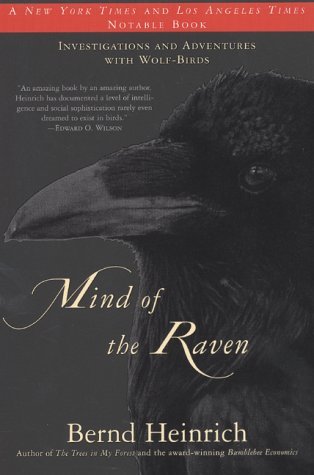
"Mind of the Raven" delves deep into the fascinating intelligence, social structures, and complex behaviors of ravens. Drawing on decades of meticulous observation and experimentation, Heinrich explores how these iconic birds navigate their world, communicate, solve problems, and even display signs of empathy and deception, ultimately challenging our preconceived notions of animal cognition.
The two books share a deep commitment to scientific inquiry driven by intensely personal observation and a profound connection to the natural world. Both works showcase Heinrich's unique blend of rigorous biological research and compelling narrative, often weaving autobiographical elements into his scientific explorations. They reflect his signature style of immersing himself completely in his subjects, whether it's a family history or the intricate lives of birds.
Anyone interested in ethology, avian intelligence, or the intersection of personal experience and scientific discovery will find significant value here. The book offers a captivating journey into the minds of highly intelligent creatures, fostering a greater appreciation for the natural world and the scientific process. It also provides a testament to the power of dedicated, long-term observation in unlocking nature's deepest secrets.
Mind of the Raven
"Mind of the Raven" delves deep into the fascinating intelligence, social structures, and complex behaviors of ravens. Drawing on decades of meticulous observation and experimentation, Heinrich explores how these iconic birds navigate their world, communicate, solve problems, and even display signs of empathy and deception, ultimately challenging our preconceived notions of animal cognition.
The two books share a deep commitment to scientific inquiry driven by intensely personal observation and a profound connection to the natural world. Both works showcase Heinrich's unique blend of rigorous biological research and compelling narrative, often weaving autobiographical elements into his scientific explorations. They reflect his signature style of immersing himself completely in his subjects, whether it's a family history or the intricate lives of birds.
Anyone interested in ethology, avian intelligence, or the intersection of personal experience and scientific discovery will find significant value here. The book offers a captivating journey into the minds of highly intelligent creatures, fostering a greater appreciation for the natural world and the scientific process. It also provides a testament to the power of dedicated, long-term observation in unlocking nature's deepest secrets.
The Verb To Bird
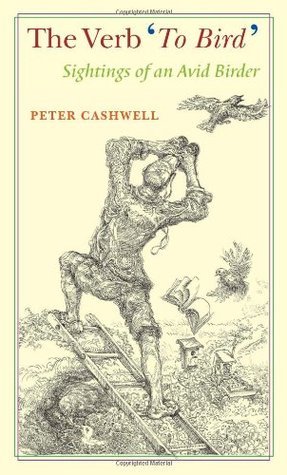
"The Verb To Bird" by Peter Cashwell explores the intricate relationship between language and our experience of the natural world, particularly birds. Cashwell delves into the origins of avian nomenclature, the nuances of bird-related vocabulary, and how these linguistic constructs shape our perceptions and understanding of these creatures. It's a thoughtful examination of how we categorize, describe, and ultimately connect with the avian realm through the power of words.
This work resonates with "The Snoring Bird" through its contemplative approach to ornithology and its exploration of personal connection. While Heinrich's book traces a family's biological journey across generations, Cashwell similarly dissects a deeply personal journey of understanding birds, albeit through a linguistic lens. Both authors demonstrate a profound appreciation for the natural world and a meticulous, almost academic, curiosity for their subjects, whether it’s the scientific classification of species or the etymology of their names.
This book will appeal to individuals who appreciate erudite non-fiction that seamlessly blends natural history with intellectual inquiry. It offers a fresh perspective on birdwatching, moving beyond identification to a deeper appreciation of how our language frames our engagement with wildlife. Its value lies in its ability to enrich one's understanding of both language and nature, fostering a more nuanced and articulate connection to the avian world.
The Verb To Bird
"The Verb To Bird" by Peter Cashwell explores the intricate relationship between language and our experience of the natural world, particularly birds. Cashwell delves into the origins of avian nomenclature, the nuances of bird-related vocabulary, and how these linguistic constructs shape our perceptions and understanding of these creatures. It's a thoughtful examination of how we categorize, describe, and ultimately connect with the avian realm through the power of words.
This work resonates with "The Snoring Bird" through its contemplative approach to ornithology and its exploration of personal connection. While Heinrich's book traces a family's biological journey across generations, Cashwell similarly dissects a deeply personal journey of understanding birds, albeit through a linguistic lens. Both authors demonstrate a profound appreciation for the natural world and a meticulous, almost academic, curiosity for their subjects, whether it’s the scientific classification of species or the etymology of their names.
This book will appeal to individuals who appreciate erudite non-fiction that seamlessly blends natural history with intellectual inquiry. It offers a fresh perspective on birdwatching, moving beyond identification to a deeper appreciation of how our language frames our engagement with wildlife. Its value lies in its ability to enrich one's understanding of both language and nature, fostering a more nuanced and articulate connection to the avian world.
The Birds That Audubon Missed: Discovery and Desire in the American Wilderness

"The Birds That Audubon Missed" delves into the untold stories of ornithological discovery in North America, highlighting species and territories that eluded Audubon's extensive catalog. Kaufman explores the lives of lesser-known naturalists, adventurers, and Indigenous peoples whose contributions to our understanding of avian biodiversity were significant but often overlooked. It’s a narrative rich with exploration, persistence, and the evolving scientific quest to document the continent's feathered inhabitants.
This book resonates with "The Snoring Bird" through its exploration of scientific legacy and personal journeys interwoven with natural history. Both narratives center on a deep, almost ancestral connection to the study of the natural world, particularly birds. Just as Heinrich traces his family's scientific lineage, Kaufman unearths the forgotten figures who shaped ornithology, demonstrating how individual passions and meticulous observation drive scientific progress across generations.
The book offers a compelling blend of historical insight, adventure, and scientific discovery. It educates on species and environments often absent from mainstream natural history, while simultaneously celebrating the enduring human drive for exploration and understanding. It proves valuable by expanding one's appreciation for the complex history of biological fieldwork and the multitude of dedicated individuals who contributed to our knowledge of the natural world.
The Birds That Audubon Missed: Discovery and Desire in the American Wilderness
"The Birds That Audubon Missed" delves into the untold stories of ornithological discovery in North America, highlighting species and territories that eluded Audubon's extensive catalog. Kaufman explores the lives of lesser-known naturalists, adventurers, and Indigenous peoples whose contributions to our understanding of avian biodiversity were significant but often overlooked. It’s a narrative rich with exploration, persistence, and the evolving scientific quest to document the continent's feathered inhabitants.
This book resonates with "The Snoring Bird" through its exploration of scientific legacy and personal journeys interwoven with natural history. Both narratives center on a deep, almost ancestral connection to the study of the natural world, particularly birds. Just as Heinrich traces his family's scientific lineage, Kaufman unearths the forgotten figures who shaped ornithology, demonstrating how individual passions and meticulous observation drive scientific progress across generations.
The book offers a compelling blend of historical insight, adventure, and scientific discovery. It educates on species and environments often absent from mainstream natural history, while simultaneously celebrating the enduring human drive for exploration and understanding. It proves valuable by expanding one's appreciation for the complex history of biological fieldwork and the multitude of dedicated individuals who contributed to our knowledge of the natural world.
What the Robin Knows: How Birds Reveal the Secrets of the Natural World
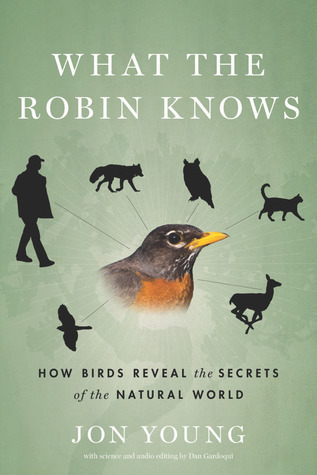
"What the Robin Knows" delves into the intricate language of birds, exploring how observing avian behavior, vocalizations, and alarm calls can unlock a deeper understanding of the natural world. Jon Young, drawing on decades of experience, teaches us to interpret these subtle cues, revealing a complex communication network that offers insights into everything from predator movements to seasonal changes.
This book shares thematic similarities with "The Snoring Bird" through its intergenerational fascination with nature and close observation as a pathway to knowledge. Both authors, though from different perspectives—one through a family legacy of scientific inquiry and the other through immersive wilderness tracking—underscore the profound lessons nature offers when approached with curiosity and sustained attention, highlighting the continuity of biological discovery.
This work appeals to those seeking a more profound connection with their surroundings. It provides practical, actionable methods for enhancing outdoor awareness, transforming a casual stroll into an opportunity for genuine ecological understanding. The emphasis on honing observational skills offers a tangible benefit, enriching personal experiences in nature and fostering a greater appreciation for biodiversity.
What the Robin Knows: How Birds Reveal the Secrets of the Natural World
"What the Robin Knows" delves into the intricate language of birds, exploring how observing avian behavior, vocalizations, and alarm calls can unlock a deeper understanding of the natural world. Jon Young, drawing on decades of experience, teaches us to interpret these subtle cues, revealing a complex communication network that offers insights into everything from predator movements to seasonal changes.
This book shares thematic similarities with "The Snoring Bird" through its intergenerational fascination with nature and close observation as a pathway to knowledge. Both authors, though from different perspectives—one through a family legacy of scientific inquiry and the other through immersive wilderness tracking—underscore the profound lessons nature offers when approached with curiosity and sustained attention, highlighting the continuity of biological discovery.
This work appeals to those seeking a more profound connection with their surroundings. It provides practical, actionable methods for enhancing outdoor awareness, transforming a casual stroll into an opportunity for genuine ecological understanding. The emphasis on honing observational skills offers a tangible benefit, enriching personal experiences in nature and fostering a greater appreciation for biodiversity.
Return to Wild America: A Yearlong Search for the Continent's Natural Soul
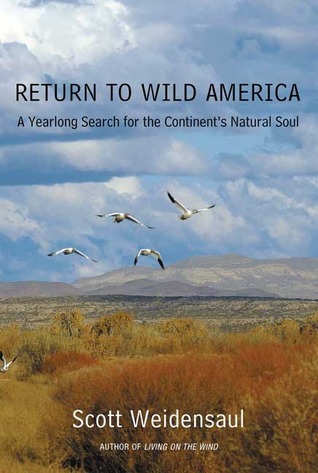
"Return to Wild America" recounts Scott Weidensaul’s extensive, year-long journey across North America, retracing the iconic 1953 expedition of Roger Tory Peterson and James Fisher. Weidensaul immerses himself in the continent’s remaining wild spaces, observing wildlife and reflecting on the profound changes to these ecosystems over the past half-century. It's a contemporary exploration of natural history, conservation, and the enduring allure of the wild.
This book shares thematic DNA with "The Snoring Bird" through its deeply personal engagement with the natural world and its commitment to documenting biological change over time. Both authors blend scientific observation with intimate narrative, exploring their own connections to the landscapes and creatures they study. They offer a layered perspective on how human history intertwines with ecological shifts.
The appeal of "Return to Wild America" lies in its masterful blend of adventure, scientific inquiry, and environmental advocacy. It offers a powerful meditation on our relationship with nature, providing both a historical perspective on conservation and an urgent call to appreciate and protect what remains. Its rich descriptions and insightful reflections will resonate deeply with those who value nature writing that is both informative and profoundly moving.
Return to Wild America: A Yearlong Search for the Continent's Natural Soul
"Return to Wild America" recounts Scott Weidensaul’s extensive, year-long journey across North America, retracing the iconic 1953 expedition of Roger Tory Peterson and James Fisher. Weidensaul immerses himself in the continent’s remaining wild spaces, observing wildlife and reflecting on the profound changes to these ecosystems over the past half-century. It's a contemporary exploration of natural history, conservation, and the enduring allure of the wild.
This book shares thematic DNA with "The Snoring Bird" through its deeply personal engagement with the natural world and its commitment to documenting biological change over time. Both authors blend scientific observation with intimate narrative, exploring their own connections to the landscapes and creatures they study. They offer a layered perspective on how human history intertwines with ecological shifts.
The appeal of "Return to Wild America" lies in its masterful blend of adventure, scientific inquiry, and environmental advocacy. It offers a powerful meditation on our relationship with nature, providing both a historical perspective on conservation and an urgent call to appreciate and protect what remains. Its rich descriptions and insightful reflections will resonate deeply with those who value nature writing that is both informative and profoundly moving.
Journey to the Ants: A Story of Scientific Exploration
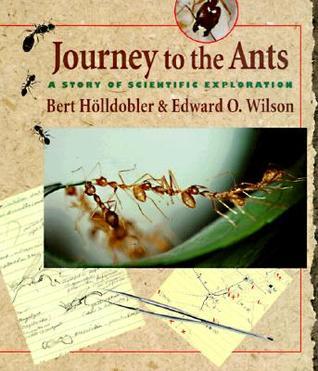
"Journey to the Ants" is a comprehensive and accessible exploration of the world of ants, co-authored by a Nobel laureate. It delves into their astonishing social structures, survival strategies, communication methods, and evolutionary history, offering a deep dive into the intricate lives of these ubiquitous insects through rigorous scientific observation and fascinating anecdotes.
This book resonates with "The Snoring Bird" through its shared thematic focus on personal scientific journeys within the natural world. Both books intertwine rigorous biological research with the human element of discovery, showcasing the dedication and intellectual curiosity that drive scientific understanding. They illustrate how individual passion can illuminate complex biological phenomena.
Those who appreciate detailed yet engaging scientific narratives, particularly those with an interest in natural history, evolution, and the captivating complexities of animal behavior, will value this book. It offers not only profound insights into ant societies but also a compelling portrait of scientific inquiry itself, enriching one's understanding of both the natural world and the process of discovery.
Journey to the Ants: A Story of Scientific Exploration
"Journey to the Ants" is a comprehensive and accessible exploration of the world of ants, co-authored by a Nobel laureate. It delves into their astonishing social structures, survival strategies, communication methods, and evolutionary history, offering a deep dive into the intricate lives of these ubiquitous insects through rigorous scientific observation and fascinating anecdotes.
This book resonates with "The Snoring Bird" through its shared thematic focus on personal scientific journeys within the natural world. Both books intertwine rigorous biological research with the human element of discovery, showcasing the dedication and intellectual curiosity that drive scientific understanding. They illustrate how individual passion can illuminate complex biological phenomena.
Those who appreciate detailed yet engaging scientific narratives, particularly those with an interest in natural history, evolution, and the captivating complexities of animal behavior, will value this book. It offers not only profound insights into ant societies but also a compelling portrait of scientific inquiry itself, enriching one's understanding of both the natural world and the process of discovery.
Living on the Wind: Across the Hemisphere With Migratory Birds
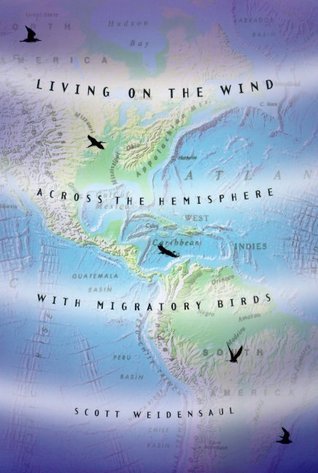
"Living on the Wind" by Scott Weidensaul unravels the astonishing world of migratory birds, detailing their epic journeys across continents. It explores the marvels of their biology, navigation, and the immense challenges they face, from shrinking habitats to human encroachment. Weidensaul blends scientific research with captivating storytelling, bringing to life the incredible feats of these aerial travelers.
This book shares thematic kinship with Bernd Heinrich's "The Snoring Bird" through its profound exploration of natural history and the dedication of individuals to understanding the biological world. Both authors weave personal insight with rigorous scientific observation, revealing the intricate beauty and interconnectedness of ecosystems. While Heinrich focuses on a family's legacy and diverse biological inquiries, Weidensaul deeply immerses the reader in a specific, remarkable biological phenomenon, echoing the same spirit of inquiry and reverence for nature.
Anyone fascinated by biology, conservation, or the sheer wonder of the natural world will be captivated. The book offers a deeper understanding of avian migration, illustrating the delicate balance of ecosystems and the urgent need for conservation. It provides valuable insight into scientific inquiry and the profound dedication required to unravel nature's mysteries, making it both an educational and inspiring read.
Living on the Wind: Across the Hemisphere With Migratory Birds
"Living on the Wind" by Scott Weidensaul unravels the astonishing world of migratory birds, detailing their epic journeys across continents. It explores the marvels of their biology, navigation, and the immense challenges they face, from shrinking habitats to human encroachment. Weidensaul blends scientific research with captivating storytelling, bringing to life the incredible feats of these aerial travelers.
This book shares thematic kinship with Bernd Heinrich's "The Snoring Bird" through its profound exploration of natural history and the dedication of individuals to understanding the biological world. Both authors weave personal insight with rigorous scientific observation, revealing the intricate beauty and interconnectedness of ecosystems. While Heinrich focuses on a family's legacy and diverse biological inquiries, Weidensaul deeply immerses the reader in a specific, remarkable biological phenomenon, echoing the same spirit of inquiry and reverence for nature.
Anyone fascinated by biology, conservation, or the sheer wonder of the natural world will be captivated. The book offers a deeper understanding of avian migration, illustrating the delicate balance of ecosystems and the urgent need for conservation. It provides valuable insight into scientific inquiry and the profound dedication required to unravel nature's mysteries, making it both an educational and inspiring read.
Lab Girl
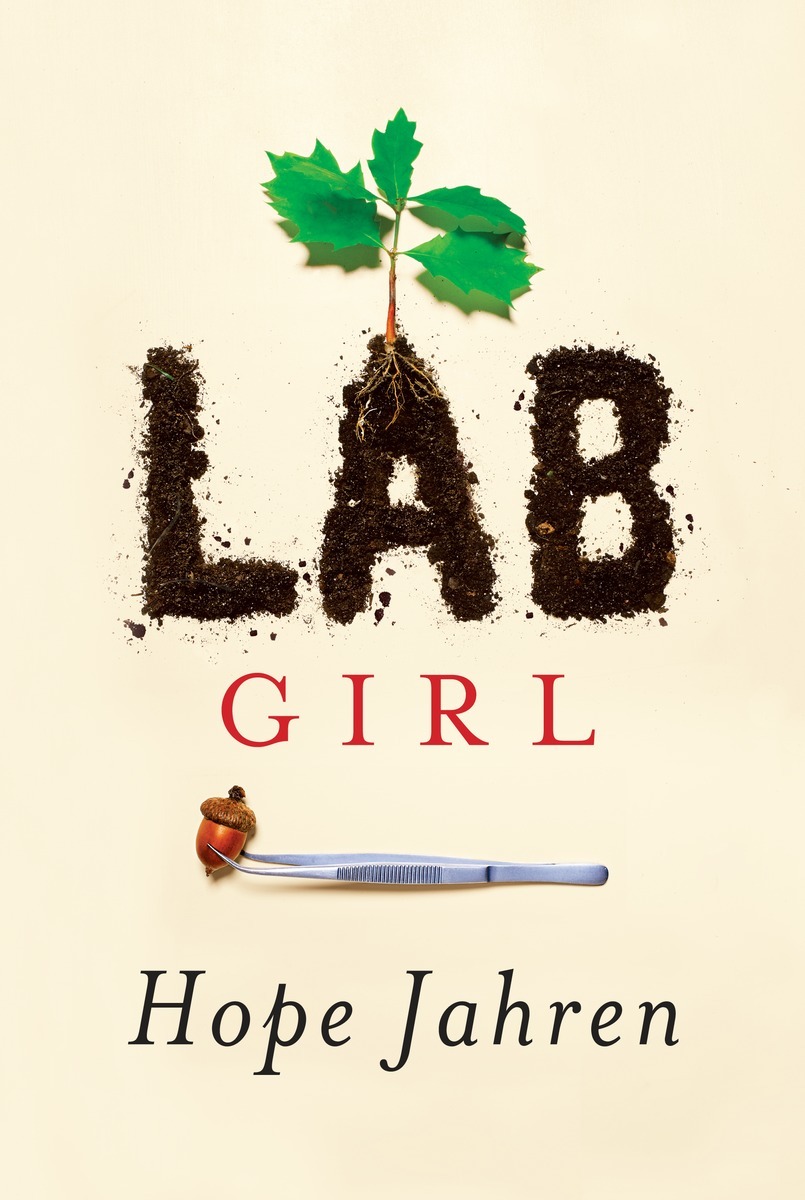
*Lab Girl* is a deeply personal memoir by Hope Jahren, a geobiologist, chronicling her lifelong passion for plants and science. It intertwines her professional journey — from the struggles of grant writing and setting up a lab to groundbreaking discoveries — with honest reflections on her mental health, the complexities of professional friendships, and the profound, almost spiritual connection she feels with the natural world.
The book shares a compelling kinship with *The Snoring Bird* in its intimate portrayal of a life dedicated to scientific inquiry. Both authors, Heinrich and Jahren, offer an unvarnished look at the demanding, often solitary, yet ultimately rewarding existence of a scientist. They both masterfully blend personal narrative with accessible scientific explanation, illustrating how deep familial and personal experiences are inextricably linked to scientific pursuits and discoveries across generations.
This book will resonate deeply with those who appreciate memoirs that explore the human element within demanding intellectual fields. It offers a vital perspective on the dedication required for scientific breakthroughs, the often-invisible support systems crucial to success, and the sheer wonder of observing and understanding the natural world, all delivered with an evocative and lyrical prose that makes complex ideas beautifully clear.
Lab Girl
*Lab Girl* is a deeply personal memoir by Hope Jahren, a geobiologist, chronicling her lifelong passion for plants and science. It intertwines her professional journey — from the struggles of grant writing and setting up a lab to groundbreaking discoveries — with honest reflections on her mental health, the complexities of professional friendships, and the profound, almost spiritual connection she feels with the natural world.
The book shares a compelling kinship with *The Snoring Bird* in its intimate portrayal of a life dedicated to scientific inquiry. Both authors, Heinrich and Jahren, offer an unvarnished look at the demanding, often solitary, yet ultimately rewarding existence of a scientist. They both masterfully blend personal narrative with accessible scientific explanation, illustrating how deep familial and personal experiences are inextricably linked to scientific pursuits and discoveries across generations.
This book will resonate deeply with those who appreciate memoirs that explore the human element within demanding intellectual fields. It offers a vital perspective on the dedication required for scientific breakthroughs, the often-invisible support systems crucial to success, and the sheer wonder of observing and understanding the natural world, all delivered with an evocative and lyrical prose that makes complex ideas beautifully clear.
An Enchantment of Birds: Memories from a Birder's Life
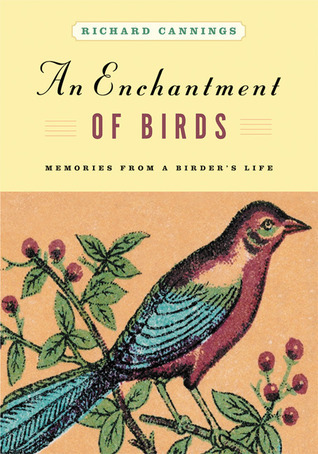
"An Enchantment of Birds" is a delightful memoir chronicling Richard J. Cannings' lifelong passion for birds, interwoven with his experiences as an ornithologist, naturalist, and conservationist. It offers a deeply personal exploration of the natural world, seen through the lens of avian life, detailing encounters, observations, and reflections on the intricate beauty and challenges facing bird populations.
This book resonates with "The Snoring Bird" through its blend of personal history and scientific inquiry. Both authors share a profound, almost familial connection to the natural world, using their personal journeys to illuminate broader ecological themes. Like Heinrich, Cannings seamlessly integrates scientific observation with intimate storytelling, making complex biological concepts accessible and engaging through the shared human experience of discovery and wonder.
It will appeal to those who appreciate thoughtful nature narratives, offering an engaging blend of autobiography, natural history, and environmental reflection. The book provides valuable insights into the life of a dedicated naturalist, fostering a deeper understanding and appreciation for avian biodiversity and the crucial role of conservation. Its detailed observations and evocative prose make it a rewarding read for anyone fascinated by the intricate lives of birds and the passionate individuals who devote themselves to studying them.
An Enchantment of Birds: Memories from a Birder's Life
"An Enchantment of Birds" is a delightful memoir chronicling Richard J. Cannings' lifelong passion for birds, interwoven with his experiences as an ornithologist, naturalist, and conservationist. It offers a deeply personal exploration of the natural world, seen through the lens of avian life, detailing encounters, observations, and reflections on the intricate beauty and challenges facing bird populations.
This book resonates with "The Snoring Bird" through its blend of personal history and scientific inquiry. Both authors share a profound, almost familial connection to the natural world, using their personal journeys to illuminate broader ecological themes. Like Heinrich, Cannings seamlessly integrates scientific observation with intimate storytelling, making complex biological concepts accessible and engaging through the shared human experience of discovery and wonder.
It will appeal to those who appreciate thoughtful nature narratives, offering an engaging blend of autobiography, natural history, and environmental reflection. The book provides valuable insights into the life of a dedicated naturalist, fostering a deeper understanding and appreciation for avian biodiversity and the crucial role of conservation. Its detailed observations and evocative prose make it a rewarding read for anyone fascinated by the intricate lives of birds and the passionate individuals who devote themselves to studying them.
Kingbird Highway: The Biggest Year in the Life of an Extreme Birder

"Kingbird Highway" recounts Kenn Kaufman's extraordinary, youthful quest to observe as many bird species as possible across North America in a single year. It’s a vivid, often gritty, narrative of obsessive dedication, traversing vast distances on a shoestring budget, driven by a profound love for the natural world and the challenge of the "big year" itself.
Both books delve into intense, personal engagements with natural history, albeit from different angles. While Heinrich’s "Snoring Bird" uses his family's scientific lineage as a framework for exploring biology, Kaufman's "Kingbird Highway" offers an equally immersive, if less academic, deep dive into avian ecology and the psychology of extreme observation. Each book showcases a life profoundly shaped by the pursuit of biological understanding and direct interaction with the environment.
This book offers an inspiring testament to human passion and endurance, demonstrating how a singular focus can lead to incredible self-discovery and a deeper appreciation for biodiversity. Its narrative of youth, ambition, and the open road, combined with its detailed observations of avian life, makes it highly appealing and valuable for anyone interested in natural history, adventure, or the power of unwavering commitment.
Kingbird Highway: The Biggest Year in the Life of an Extreme Birder
"Kingbird Highway" recounts Kenn Kaufman's extraordinary, youthful quest to observe as many bird species as possible across North America in a single year. It’s a vivid, often gritty, narrative of obsessive dedication, traversing vast distances on a shoestring budget, driven by a profound love for the natural world and the challenge of the "big year" itself.
Both books delve into intense, personal engagements with natural history, albeit from different angles. While Heinrich’s "Snoring Bird" uses his family's scientific lineage as a framework for exploring biology, Kaufman's "Kingbird Highway" offers an equally immersive, if less academic, deep dive into avian ecology and the psychology of extreme observation. Each book showcases a life profoundly shaped by the pursuit of biological understanding and direct interaction with the environment.
This book offers an inspiring testament to human passion and endurance, demonstrating how a singular focus can lead to incredible self-discovery and a deeper appreciation for biodiversity. Its narrative of youth, ambition, and the open road, combined with its detailed observations of avian life, makes it highly appealing and valuable for anyone interested in natural history, adventure, or the power of unwavering commitment.
More Books to Explore
Discover more titles that expand on these ideas and themes.
Mind of the Raven
The Verb To Bird
The Birds That Audubon Missed: Discovery and Desire in the American Wilderness
What the Robin Knows: How Birds Reveal the Secrets of the Natural World
Return to Wild America: A Yearlong Search for the Continent's Natural Soul
Journey to the Ants: A Story of Scientific Exploration