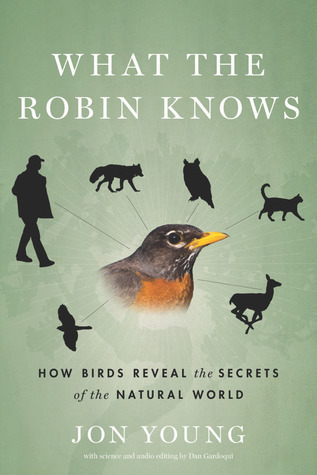
What the Robin Knows: How Birds Reveal the Secrets of the Natural World
Book Description
What if the songs of birds held the keys to understanding the natural world? In "What the Robin Knows," Jon Young unlocks the hidden language of our feathered friends, revealing how their calls and behaviors can guide us through the mysteries of the wild. Each chirp and flutter paints a vivid story of survival, community, and alertness, connecting humans to nature in ways previously unimagined. As listeners tune in to the whispers of the wilderness, they discover secrets that may change how they see their surroundings forever. Are you ready to hear the world anew?
Quick Book Summary
"What the Robin Knows" by Jon Young invites readers to discover the intricate world of birds through careful observation of their calls and behaviors. Young, drawing on decades of fieldwork, demystifies the language of birds, illustrating how their vocalizations and movements are a constant broadcast of environmental information. He demonstrates that by learning to interpret these signals, humans can unlock a greater understanding of their surroundings, including the presence of predators or other changes in the ecosystem. More than a guide to birdwatching, the book fosters a deeper sense of connection and awareness with the natural world, arguing that birds are not merely background noise but central players in the drama of life outdoors. Young encourages readers to slow down, pay attention, and engage with nature in a transformative way.


Summary of Key Ideas
Table of Contents
Bird Language as the Universal Communication Code
Jon Young's exploration begins with a simple yet profound assertion: birds are nature's sentinels. Their calls and songs are far more than melodious background; they are a living code, conveying real-time information about the world around them. Through careful listening and interpretation, we can grasp what birds are experiencing, from food discoveries to predator threats. Young emphasizes that this language is universal and evolved over millennia, forming a reliable tapestry of communication that even non-bird creatures heed.
The Five Voices of Birds
Central to Young's teaching is the concept of the "five voices" that birds use: song, companion call, juvenile begging, aggression, and alarm. Each voice conveys a different message and emotional state, offering clues about the mood and safety of a given place. By tuning in to these voices, observers begin to discern not only bird behavior but also broader ecological patterns. Understanding the differences between these sounds is key to unraveling the natural language embedded in every forest, field, or backyard.
How Birds React to Danger and Change
Danger is a regular presence in the life of birds, and their reactions provide a sensitive barometer for the entire environment. Young describes how birds create "concentric rings of awareness"; when frightened, their urgent alarms ripple outward, alerting other animals — and listeners — to the source of the disturbance. Noticing which direction a bird flees or how a flock responds can lead to surprising discoveries, from hidden predators to subtle environmental shifts that might otherwise go unnoticed.
Deepening Human Connection with Nature
Beyond developing new observational skills, Young argues for the fostering of a deeper relationship between humans and the natural world. He contends that by immersing ourselves in listening, we cultivate empathy, patience, and a renewed sense of place. These practices not only enhance wildlife encounters but also contribute to one's own well-being by reducing stress and increasing mindfulness. Learning the language of birds reconnects us to an ancient partnership with nature.
Practical Techniques for Bird Listening
To make these ideas actionable, the book offers a wealth of practical advice. Young shares field-tested exercises for sharpening auditory skills, guidelines for minimizing disturbance to birds, and tips for creating sit spots — locations for quietly observing nature. He encourages consistent practice, journaling observations, and focusing on patience rather than quick results. Through these strategies, readers are empowered to decode the ongoing story told by birds and to see their everyday environments in a new, vibrant light.
Download This Summary
Get a free PDF of this summary instantly — no email required.