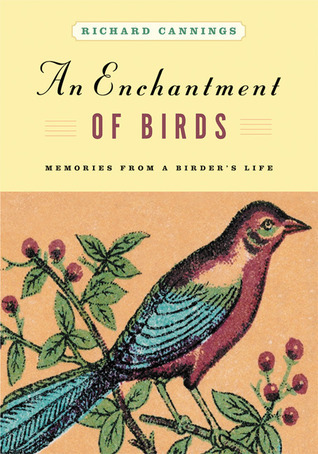
An Enchantment of Birds: Memories from a Birder's Life
Book Description
Birds are more than just winged creatures; they are vibrant threads in the tapestry of life, whispering untold stories and secrets of the wild. Richard J. Cannings takes flight in this vivid memoir, weaving together encounters with avian wonders that span decades and landscapes. Each page pulses with passion and insight, illuminating the delicate balance between nature and humanity. From the thrill of a rare sighting to the heartbreak of ecological change, this is a journey where every moment resonates with hope and urgency. What happens when the call of the wild becomes a chorus for change?
Quick Book Summary
"An Enchantment of Birds: Memories from a Birder's Life" by Richard J. Cannings is a heartfelt memoir chronicling the author's lifelong fascination with birds and their place in the natural world. Blending personal stories with sharp observations, Cannings shares encounters with a rich variety of avian species, each illuminating broader insights about ecology, adaptation, and the enduring bond between humans and nature. The memoir addresses both the thrills of rare bird sightings and the sobering realities of environmental change, offering a call to appreciate and protect the fragile ecosystems birds inhabit. Cannings' passion for ornithology is both educational and deeply inspiring, inviting readers on a journey where every feathered encounter is a window into the balance of life.



Summary of Key Ideas
Table of Contents
The Profound Connection Between Birds and Human Experience
Cannings begins his memoir by reflecting on the early moments that drew him into the world of birds. Childhood explorations in British Columbia's diverse landscapes sparked a lifelong sense of wonder, as the color and vitality of local species opened doors into larger questions of adaptation and survival. These formative experiences provide the foundation for Cannings' enduring appreciation of the natural world and set the stage for the many adventures that follow.
Moments of Discovery and the Joy of Birdwatching
Throughout the memoir, Cannings narrates memorable birdwatching experiences, from chance glimpses of rare migrants to the rituals of seasonal migrations. Each story is woven with keen scientific insight and a reverence for the unique behaviors observed. The author conveys the intense thrill of encountering species new to his life lists, as well as quieter moments spent in the company of familiar birds, demonstrating how each observation deepens his understanding of ecological interconnectedness.
Understanding and Responding to Environmental Change
Cannings does not shy away from the difficult realities facing birds and the broader environment. He bears witness to the disappearance of once-common species and documents the decline of bird populations due to habitat loss, climate change, and human activity. The narrative becomes a catalyst for reflection on the responsibilities of humans as stewards of the earth and the urgent need to reverse negative trends threatening biodiversity.
Birds as Messengers of Ecological Balance
Birds, for Cannings, serve not only as objects of fascination but also as symbols of ecological health. Their migrations and adaptive behaviors signal fluctuations in the environment, serving as a barometer of ecological balance. Through the stories of individual species and habitats, he explores broader themes of resilience, loss, and adaptation, encouraging readers to listen—to the land, to the seasons, and to the calls of birds themselves—as guides for sustainability.
Inspiring Conservation Through Personal Storytelling
Ultimately, Cannings' memoir is a call to action as much as a celebration. By sharing his personal journey, he inspires hope and motivates readers to protect avian habitats and champion conservation. His vivid storytelling transforms scientific knowledge into emotional resonance, reminding us that loving and understanding birds can lead to real change. The enchantment he finds in birds becomes an invitation for all to join in the effort to preserve the intricate web of life they symbolize.
Download This Summary
Get a free PDF of this summary instantly — no email required.