10 Books Similar to "Shakespeare: The Invention of the Human"
by Harold Bloom

Shakespeare: The World as Stage
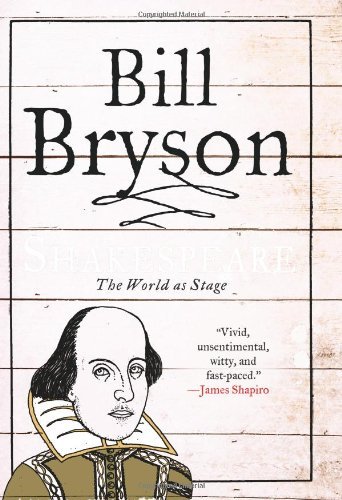
Bill Bryson's "Shakespeare: The World as Stage" offers a highly approachable and engaging biography of William Shakespeare, delving into the known facts (and many enduring mysteries) surrounding his life, times, and the theatrical world of Elizabethan England. Bryson, with his characteristic wit and meticulous research, reconstructs the historical context in which Shakespeare lived and worked, exploring everything from daily life in Stratford-upon-Avon to the competitive and often perilous environment of London's playhouses. It’s a journey through the social, political, and cultural landscape that shaped the greatest playwright.
This book shares a fundamental similarity with Harold Bloom's "Shakespeare: The Invention of the Human" in its central thesis: both works champion Shakespeare as an unparalleled genius whose understanding of human nature and ability to articulate it transformed our perception of self. While Bloom focuses on textual analysis to demonstrate Shakespeare's creation of modern psychological depth, Bryson approaches this from a biographical and historical angle, showing *how* Shakespeare, through the circumstances of his life and his unique observations, came to invent characters of such profound complexity and relatability. Both books ultimately celebrate Shakespeare's enduring relevance to the human condition.
This work appeals to a broad audience, particularly those new to Shakespeare studies or seeking an accessible yet substantive introduction to his life and milieu. Its value lies in demystifying the historical figure and his era without diminishing his genius. It contextualizes his plays and sonnets in a way that makes them feel vibrant and immediate, encouraging a deeper appreciation for his artistic contributions and his lasting influence on Western thought and literature.
Shakespeare: The World as Stage
Bill Bryson's "Shakespeare: The World as Stage" offers a highly approachable and engaging biography of William Shakespeare, delving into the known facts (and many enduring mysteries) surrounding his life, times, and the theatrical world of Elizabethan England. Bryson, with his characteristic wit and meticulous research, reconstructs the historical context in which Shakespeare lived and worked, exploring everything from daily life in Stratford-upon-Avon to the competitive and often perilous environment of London's playhouses. It’s a journey through the social, political, and cultural landscape that shaped the greatest playwright.
This book shares a fundamental similarity with Harold Bloom's "Shakespeare: The Invention of the Human" in its central thesis: both works champion Shakespeare as an unparalleled genius whose understanding of human nature and ability to articulate it transformed our perception of self. While Bloom focuses on textual analysis to demonstrate Shakespeare's creation of modern psychological depth, Bryson approaches this from a biographical and historical angle, showing *how* Shakespeare, through the circumstances of his life and his unique observations, came to invent characters of such profound complexity and relatability. Both books ultimately celebrate Shakespeare's enduring relevance to the human condition.
This work appeals to a broad audience, particularly those new to Shakespeare studies or seeking an accessible yet substantive introduction to his life and milieu. Its value lies in demystifying the historical figure and his era without diminishing his genius. It contextualizes his plays and sonnets in a way that makes them feel vibrant and immediate, encouraging a deeper appreciation for his artistic contributions and his lasting influence on Western thought and literature.
Shakespeare: The Man Who Pays the Rent

"Shakespeare: The Man Who Pays the Rent" offers a personal and insightful exploration of Shakespeare's enduring presence in the life and career of renowned actress Judi Dench. Drawing upon her extensive experience performing his works, Dench shares anecdotes, reflections, and specific interpretations of his characters and language, offering a unique perspective from inside the theatrical process. It's a testament to Shakespeare's profound influence on actors and the stage.
This book shares thematic common ground with Bloom's "Shakespeare: The Invention of the Human" through their shared focus on Shakespeare's profound impact. While Bloom delves into the psychological depth and revolutionary nature of Shakespearean characters in shaping human understanding, Dench illustrates this impact through the lens of performance, showing how these "invented" humans come alive and resonate with the human experience on stage. Both works underscore the timeless relevance and power of Shakespeare's creations.
The book's appeal lies in its intimate, practitioner-led insight into Shakespeare. Those interested in performance, the craft of acting, and the practical application of Shakespeare's text will appreciate Dench's firsthand accounts. It offers a tangible connection to the plays, moving beyond academic analysis to reveal the living, breathing essence of Shakespeare's genius through an artist's personal journey. Its value stems from offering a unique theatrical perspective on a universally revered playwright.
Shakespeare: The Man Who Pays the Rent
"Shakespeare: The Man Who Pays the Rent" offers a personal and insightful exploration of Shakespeare's enduring presence in the life and career of renowned actress Judi Dench. Drawing upon her extensive experience performing his works, Dench shares anecdotes, reflections, and specific interpretations of his characters and language, offering a unique perspective from inside the theatrical process. It's a testament to Shakespeare's profound influence on actors and the stage.
This book shares thematic common ground with Bloom's "Shakespeare: The Invention of the Human" through their shared focus on Shakespeare's profound impact. While Bloom delves into the psychological depth and revolutionary nature of Shakespearean characters in shaping human understanding, Dench illustrates this impact through the lens of performance, showing how these "invented" humans come alive and resonate with the human experience on stage. Both works underscore the timeless relevance and power of Shakespeare's creations.
The book's appeal lies in its intimate, practitioner-led insight into Shakespeare. Those interested in performance, the craft of acting, and the practical application of Shakespeare's text will appreciate Dench's firsthand accounts. It offers a tangible connection to the plays, moving beyond academic analysis to reveal the living, breathing essence of Shakespeare's genius through an artist's personal journey. Its value stems from offering a unique theatrical perspective on a universally revered playwright.
Shakespeare and Co.: Christopher Marlowe, Thomas Dekker, Ben Jonson, Thomas Middleton, John Fletcher and the Other Players in His Story
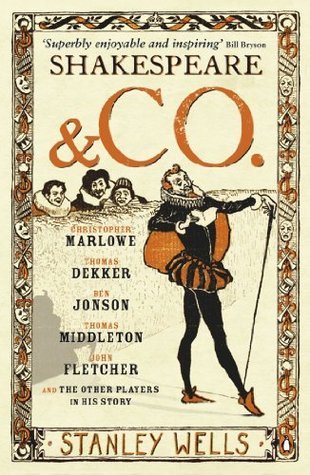
"Shakespeare and Co." explores the collaborative and competitive theatrical landscape of Elizabethan and Jacobean England, moving beyond Shakespeare himself to illuminate the significant contributions of his contemporaries. It details the lives and works of playwrights like Marlowe, Jonson, and Webster, showcasing how their artistry intersected with and influenced Shakespeare's own creative output and the era's dramatic evolution.
This book shares thematic kinship with Bloom's "Shakespeare: The Invention of the Human" by deepening our understanding of Shakespeare's genius within his historical and artistic context. While Bloom meticulously dissects Shakespeare's profound psychological insights, Wells broadens the lens to reveal the vibrant intellectual ecosystem in which those insights flourished, suggesting that Shakespeare's unique brilliance was both shaped by and rose above this rich dramatic environment.
Those interested in the golden age of English theater will find this book invaluable for its comprehensive portrayal of the era's dramatic figures. It offers a nuanced perspective on how playwrights collaborated, competed, and collectively forged a dramatic tradition that continues to resonate today, enriching any appreciation of Shakespeare by placing him firmly within his creative milieu.
Shakespeare and Co.: Christopher Marlowe, Thomas Dekker, Ben Jonson, Thomas Middleton, John Fletcher and the Other Players in His Story
"Shakespeare and Co." explores the collaborative and competitive theatrical landscape of Elizabethan and Jacobean England, moving beyond Shakespeare himself to illuminate the significant contributions of his contemporaries. It details the lives and works of playwrights like Marlowe, Jonson, and Webster, showcasing how their artistry intersected with and influenced Shakespeare's own creative output and the era's dramatic evolution.
This book shares thematic kinship with Bloom's "Shakespeare: The Invention of the Human" by deepening our understanding of Shakespeare's genius within his historical and artistic context. While Bloom meticulously dissects Shakespeare's profound psychological insights, Wells broadens the lens to reveal the vibrant intellectual ecosystem in which those insights flourished, suggesting that Shakespeare's unique brilliance was both shaped by and rose above this rich dramatic environment.
Those interested in the golden age of English theater will find this book invaluable for its comprehensive portrayal of the era's dramatic figures. It offers a nuanced perspective on how playwrights collaborated, competed, and collectively forged a dramatic tradition that continues to resonate today, enriching any appreciation of Shakespeare by placing him firmly within his creative milieu.
A Thousand Times More Fair: What Shakespeare's Plays Teach Us About Justice

Kenji Yoshino's "A Thousand Times More Fair" explores how Shakespeare's iconic plays illuminate enduring questions of justice in society. Through close readings of tragedies and comedies alike, Yoshino—a legal scholar—unpacks how characters grapple with law, fairness, and morality, offering contemporary insights into enduring dilemmas of legal and ethical thought. The book examines, for instance, how Portia's courtroom tactics in *The Merchant of Venice* or Isabella's moral quandaries in *Measure for Measure* resonate with modern legal debates.
This book shares a fundamental intellectual kinship with Harold Bloom's "Shakespeare: The Invention of the Human" by similarly asserting Shakespeare's profound and unique contribution to our understanding of the human condition. While Bloom focuses on character and consciousness, Yoshino zeroes in on the application of Shakespeare's dramatic worlds to the abstract yet vital concept of justice, demonstrating the playwright's lasting relevance to ethical and legal reasoning. Both authors view Shakespeare not as a historical artifact, but as an active participant in shaping and challenging human thought.
The book will appeal to those who appreciate thoughtful, interdisciplinary analysis. It offers a fresh perspective on beloved texts, revealing layers of meaning particularly relevant to contemporary discussions of law, ethics, and fairness. Intellectuals, legal professionals, and anyone passionate about literature will find its exploration of Shakespeare's moral universe deeply enriching and highly pertinent to understanding the complexities of justice in our own time.
A Thousand Times More Fair: What Shakespeare's Plays Teach Us About Justice
Kenji Yoshino's "A Thousand Times More Fair" explores how Shakespeare's iconic plays illuminate enduring questions of justice in society. Through close readings of tragedies and comedies alike, Yoshino—a legal scholar—unpacks how characters grapple with law, fairness, and morality, offering contemporary insights into enduring dilemmas of legal and ethical thought. The book examines, for instance, how Portia's courtroom tactics in *The Merchant of Venice* or Isabella's moral quandaries in *Measure for Measure* resonate with modern legal debates.
This book shares a fundamental intellectual kinship with Harold Bloom's "Shakespeare: The Invention of the Human" by similarly asserting Shakespeare's profound and unique contribution to our understanding of the human condition. While Bloom focuses on character and consciousness, Yoshino zeroes in on the application of Shakespeare's dramatic worlds to the abstract yet vital concept of justice, demonstrating the playwright's lasting relevance to ethical and legal reasoning. Both authors view Shakespeare not as a historical artifact, but as an active participant in shaping and challenging human thought.
The book will appeal to those who appreciate thoughtful, interdisciplinary analysis. It offers a fresh perspective on beloved texts, revealing layers of meaning particularly relevant to contemporary discussions of law, ethics, and fairness. Intellectuals, legal professionals, and anyone passionate about literature will find its exploration of Shakespeare's moral universe deeply enriching and highly pertinent to understanding the complexities of justice in our own time.
The Swerve: How the World Became Modern

"The Swerve: How the World Became Modern" unearths the remarkable story of a Florentine book hunter in 1417 who discovered a lost manuscript of Lucretius’s *De rerum natura*. Greenblatt meticulously details how this single rediscovery, containing ancient atomist philosophy, irrevocably altered the course of Western thought, challenging dogma and laying foundational groundwork for the Renaissance, scientific inquiry, and modernity itself. It's a compelling narrative of how a forgotten text ignited a revolution in ideas.
The similarity to "Shakespeare: The Invention of the Human" lies in their shared exploration of pivotal moments that fundamentally reshaped human consciousness and cultural understanding. Both Greenblatt and Bloom argue for specific, transformative instances—a rediscovered text or a playwright's genius—as crucial catalysts in forging the modern human experience. They examine how individual works or discoveries didn't just reflect their times but actively created new ways of thinking about ourselves and the world.
This book will appeal to those fascinated by the origins of ideas and the profound impact of cultural breakthroughs. It offers a narrative journey into intellectual history, demonstrating how seemingly small events can have monumental consequences. Its value lies in illuminating the intricate connections between ancient thought and contemporary society, showing how the past continues to actively shape our present understanding of modernity, humanism, and scientific inquiry.
The Swerve: How the World Became Modern
"The Swerve: How the World Became Modern" unearths the remarkable story of a Florentine book hunter in 1417 who discovered a lost manuscript of Lucretius’s *De rerum natura*. Greenblatt meticulously details how this single rediscovery, containing ancient atomist philosophy, irrevocably altered the course of Western thought, challenging dogma and laying foundational groundwork for the Renaissance, scientific inquiry, and modernity itself. It's a compelling narrative of how a forgotten text ignited a revolution in ideas.
The similarity to "Shakespeare: The Invention of the Human" lies in their shared exploration of pivotal moments that fundamentally reshaped human consciousness and cultural understanding. Both Greenblatt and Bloom argue for specific, transformative instances—a rediscovered text or a playwright's genius—as crucial catalysts in forging the modern human experience. They examine how individual works or discoveries didn't just reflect their times but actively created new ways of thinking about ourselves and the world.
This book will appeal to those fascinated by the origins of ideas and the profound impact of cultural breakthroughs. It offers a narrative journey into intellectual history, demonstrating how seemingly small events can have monumental consequences. Its value lies in illuminating the intricate connections between ancient thought and contemporary society, showing how the past continues to actively shape our present understanding of modernity, humanism, and scientific inquiry.
A World Lit Only by Fire: The Medieval Mind and the Renaissance: Portrait of an Age
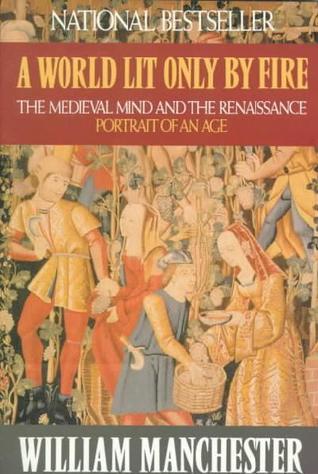
William Manchester's "A World Lit Only by Fire" vividly chronicles the transformative period bridging the deep Middle Ages and the early Renaissance. It delves into the cultural, intellectual, and religious upheavals that defined the era, contrasting the superstition and rigid hierarchy of medieval life with the burgeoning humanism and scientific inquiry of the Renaissance. Manchester paints a compelling picture through the lens of key figures and societal shifts, culminating in a detailed portrait of Ferdinand Magellan's epic circumnavigation.
This work shares a profound kinship with Harold Bloom's "Shakespeare: The Invention of the Human" in its shared intellectual ambition. Both books explore foundational shifts in human self-perception and the birth of modern consciousness that occurred during the Renaissance. While Bloom attributes this largely to Shakespeare's literary genius, Manchester examines the broader historical and intellectual currents that forged a new human identity, moving from a God-centered to a human-centered worldview. Both texts showcase how a particular era reshaped humanity's understanding of itself.
This book offers a captivating journey into a pivotal historical epoch. Its accessible yet scholarly approach makes complex historical narratives engaging, providing a rich understanding of how Western thought and society evolved. The grand narrative of exploration and philosophical change presented in the book offers a profound appreciation for the forces that shaped our modern world, resonating with anyone interested in the origins of contemporary thought and culture.
A World Lit Only by Fire: The Medieval Mind and the Renaissance: Portrait of an Age
William Manchester's "A World Lit Only by Fire" vividly chronicles the transformative period bridging the deep Middle Ages and the early Renaissance. It delves into the cultural, intellectual, and religious upheavals that defined the era, contrasting the superstition and rigid hierarchy of medieval life with the burgeoning humanism and scientific inquiry of the Renaissance. Manchester paints a compelling picture through the lens of key figures and societal shifts, culminating in a detailed portrait of Ferdinand Magellan's epic circumnavigation.
This work shares a profound kinship with Harold Bloom's "Shakespeare: The Invention of the Human" in its shared intellectual ambition. Both books explore foundational shifts in human self-perception and the birth of modern consciousness that occurred during the Renaissance. While Bloom attributes this largely to Shakespeare's literary genius, Manchester examines the broader historical and intellectual currents that forged a new human identity, moving from a God-centered to a human-centered worldview. Both texts showcase how a particular era reshaped humanity's understanding of itself.
This book offers a captivating journey into a pivotal historical epoch. Its accessible yet scholarly approach makes complex historical narratives engaging, providing a rich understanding of how Western thought and society evolved. The grand narrative of exploration and philosophical change presented in the book offers a profound appreciation for the forces that shaped our modern world, resonating with anyone interested in the origins of contemporary thought and culture.
Humanly Possible: Seven Hundred Years of Humanist Freethinking, Inquiry, and Hope
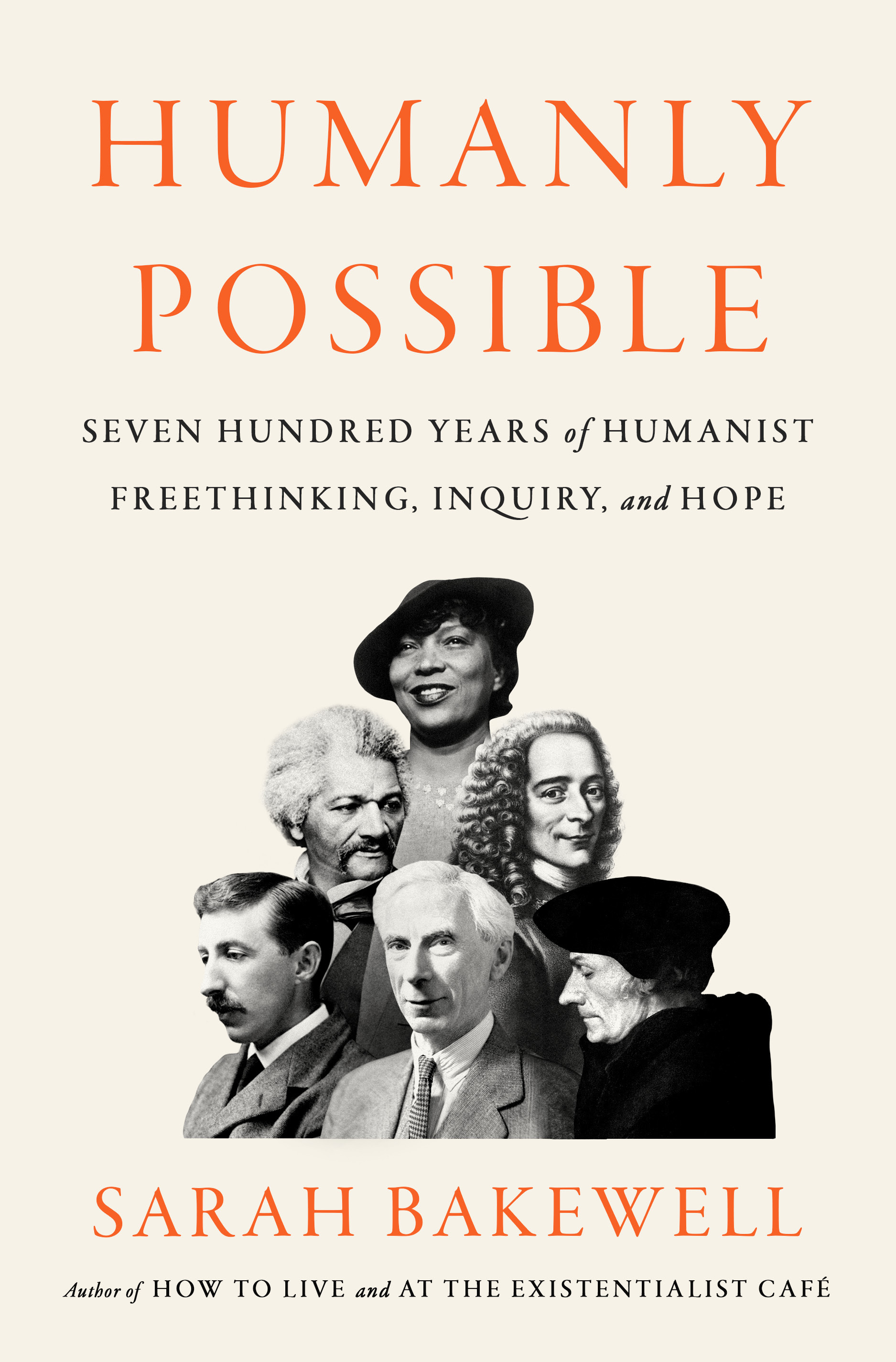
"Humanly Possible" explores the rich history of humanism, tracing its evolution through influential thinkers and movements over seven centuries. Sarah Bakewell examines how individuals have sought meaning, knowledge, and ethical frameworks outside traditional religious dogma, focusing on human potential, reason, and social progress. It's a journey through the development of secular thought and its impact on culture and society.
This book resonates with Harold Bloom's "Shakespeare: The Invention of the Human" in its central thesis: how human identity and consciousness are shaped and understood. While Bloom attributes this transformative power largely to Shakespeare's literary genius, Bakewell demonstrates how a long tradition of humanist thought has similarly expanded our understanding of what it means to be human, emphasizing agency, self-discovery, and the pursuit of a better world. Both books delve into the profound ways in which human beings have come to define themselves.
This work offers a compelling intellectual genealogy for anyone interested in the foundations of modern thought and the ongoing quest for meaning. It provides a nuanced understanding of how our values, scientific advancements, and social structures have been influenced by a persistent, evolving human-centered perspective. Its exploration of intellectual courage and the enduring power of inquiry makes it a deeply enriching and thought-provoking read.
Humanly Possible: Seven Hundred Years of Humanist Freethinking, Inquiry, and Hope
"Humanly Possible" explores the rich history of humanism, tracing its evolution through influential thinkers and movements over seven centuries. Sarah Bakewell examines how individuals have sought meaning, knowledge, and ethical frameworks outside traditional religious dogma, focusing on human potential, reason, and social progress. It's a journey through the development of secular thought and its impact on culture and society.
This book resonates with Harold Bloom's "Shakespeare: The Invention of the Human" in its central thesis: how human identity and consciousness are shaped and understood. While Bloom attributes this transformative power largely to Shakespeare's literary genius, Bakewell demonstrates how a long tradition of humanist thought has similarly expanded our understanding of what it means to be human, emphasizing agency, self-discovery, and the pursuit of a better world. Both books delve into the profound ways in which human beings have come to define themselves.
This work offers a compelling intellectual genealogy for anyone interested in the foundations of modern thought and the ongoing quest for meaning. It provides a nuanced understanding of how our values, scientific advancements, and social structures have been influenced by a persistent, evolving human-centered perspective. Its exploration of intellectual courage and the enduring power of inquiry makes it a deeply enriching and thought-provoking read.
Botanical Shakespeare: An Illustrated Compendium of All the Flowers, Fruits, Herbs, Trees, Seeds, and Grasses Cited by the World's Greatest Playwright

"Botanical Shakespeare" is a meticulously illustrated compendium cataloging every plant reference found within Shakespeare's plays and poems. It systematically presents these botanical elements, offering both artistic renditions and concise explanations of their significance, symbolism, and medicinal or cultural uses in the Elizabethan era.
This book resonates with Harold Bloom's "Shakespeare: The Invention of the Human" by deepening our understanding of Shakespeare's profound influence on shaping human perception and language. While Bloom explores the psychological and philosophical depth of Shakespeare's characters, Quealy delves into the natural world that informed his metaphors, imagery, and understanding of human nature. Both works illuminate the intricate fabric of Shakespeare's genius, showcasing how he leveraged every available resource – from human psyche to garden flora – to craft his enduring narratives.
The book will appeal to those who appreciate both natural history and literary analysis. It offers a fresh lens through which to explore Shakespeare's work, enriching one's appreciation of his descriptive power and contextual understanding. For scholars, it provides a valuable reference for Elizabethan botany and symbolism; for general enthusiasts, it offers a beautifully designed gateway into the rich world of Shakespeare's language and the physical environment that inspired him.
Botanical Shakespeare: An Illustrated Compendium of All the Flowers, Fruits, Herbs, Trees, Seeds, and Grasses Cited by the World's Greatest Playwright
"Botanical Shakespeare" is a meticulously illustrated compendium cataloging every plant reference found within Shakespeare's plays and poems. It systematically presents these botanical elements, offering both artistic renditions and concise explanations of their significance, symbolism, and medicinal or cultural uses in the Elizabethan era.
This book resonates with Harold Bloom's "Shakespeare: The Invention of the Human" by deepening our understanding of Shakespeare's profound influence on shaping human perception and language. While Bloom explores the psychological and philosophical depth of Shakespeare's characters, Quealy delves into the natural world that informed his metaphors, imagery, and understanding of human nature. Both works illuminate the intricate fabric of Shakespeare's genius, showcasing how he leveraged every available resource – from human psyche to garden flora – to craft his enduring narratives.
The book will appeal to those who appreciate both natural history and literary analysis. It offers a fresh lens through which to explore Shakespeare's work, enriching one's appreciation of his descriptive power and contextual understanding. For scholars, it provides a valuable reference for Elizabethan botany and symbolism; for general enthusiasts, it offers a beautifully designed gateway into the rich world of Shakespeare's language and the physical environment that inspired him.
Cultural Amnesia: Necessary Memories from History and the Arts

"Cultural Amnesia" by Clive James is a compilation of over 100 insightful essays profiling influential figures – from writers and artists to politicians and philosophers – who shaped the 20th century. James meticulously examines their lives and legacies, arguing for the enduring relevance of their achievements in understanding our present and navigating our future. It serves as a vital repository of critical thought and artistic contribution, presented through his distinctive, erudite lens.
The similarity to Bloom's "Shakespeare" lies in their shared premise: that certain individuals fundamentally reshape our understanding of humanity and culture. Just as Bloom argues Shakespeare "invented the human" through his profound psychological insights, James champions figures whose ideas and creations provided essential frameworks for complex thought and societal progress. Both books delve deeply into the enduring impact of exceptional minds on the collective consciousness.
This book will appeal to those who appreciate incisive cultural commentary, intellectual biography, and a defence of historical memory. It offers a rich tapestry of critical perspectives, encouraging a deeper appreciation for the bedrock of Western intellectual and artistic traditions. Its value stems from its power to connect contemporary issues with past wisdom, illuminating the continuous dialogue between history, art, and the human condition.
Cultural Amnesia: Necessary Memories from History and the Arts
"Cultural Amnesia" by Clive James is a compilation of over 100 insightful essays profiling influential figures – from writers and artists to politicians and philosophers – who shaped the 20th century. James meticulously examines their lives and legacies, arguing for the enduring relevance of their achievements in understanding our present and navigating our future. It serves as a vital repository of critical thought and artistic contribution, presented through his distinctive, erudite lens.
The similarity to Bloom's "Shakespeare" lies in their shared premise: that certain individuals fundamentally reshape our understanding of humanity and culture. Just as Bloom argues Shakespeare "invented the human" through his profound psychological insights, James champions figures whose ideas and creations provided essential frameworks for complex thought and societal progress. Both books delve deeply into the enduring impact of exceptional minds on the collective consciousness.
This book will appeal to those who appreciate incisive cultural commentary, intellectual biography, and a defence of historical memory. It offers a rich tapestry of critical perspectives, encouraging a deeper appreciation for the bedrock of Western intellectual and artistic traditions. Its value stems from its power to connect contemporary issues with past wisdom, illuminating the continuous dialogue between history, art, and the human condition.
Enlightenment: Reason, Tolerance, and Humanity
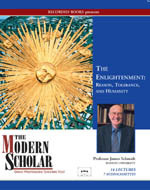
"Enlightenment: Reason, Tolerance, and Humanity" by James Schmidt delves into the intellectual and cultural movement of the Enlightenment, exploring its core tenets of rational inquiry, the burgeoning embrace of tolerance, and the evolving understanding of human nature and rights. It examines key thinkers and their contributions, dissecting how their ideas reshaped Western thought and continue to influence contemporary society.
This book shares conceptual DNA with Harold Bloom’s "Shakespeare: The Invention of the Human" through its profound exploration of how a pivotal cultural moment shaped, and was shaped by, the understanding of humanity itself. Both works argue for the transformative power of specific historical periods (the Elizabethan era for Bloom, the Enlightenment for Schmidt) in fundamentally recalibrating our perception of the individual, character, and the human condition. They both posit a lineage of intellectual and emotional development directly attributable to the eras they analyze.
The book offers a compelling narrative for those interested in intellectual history, the foundations of modern thought, and the ongoing relevance of concepts like reason and tolerance. It provides a deeper appreciation for the historical roots of our freedoms and societal structures, inspiring reflection on how these crucial ideals were articulated and defended. Its rigorous yet accessible approach ensures a rich and rewarding intellectual experience.
Enlightenment: Reason, Tolerance, and Humanity
"Enlightenment: Reason, Tolerance, and Humanity" by James Schmidt delves into the intellectual and cultural movement of the Enlightenment, exploring its core tenets of rational inquiry, the burgeoning embrace of tolerance, and the evolving understanding of human nature and rights. It examines key thinkers and their contributions, dissecting how their ideas reshaped Western thought and continue to influence contemporary society.
This book shares conceptual DNA with Harold Bloom’s "Shakespeare: The Invention of the Human" through its profound exploration of how a pivotal cultural moment shaped, and was shaped by, the understanding of humanity itself. Both works argue for the transformative power of specific historical periods (the Elizabethan era for Bloom, the Enlightenment for Schmidt) in fundamentally recalibrating our perception of the individual, character, and the human condition. They both posit a lineage of intellectual and emotional development directly attributable to the eras they analyze.
The book offers a compelling narrative for those interested in intellectual history, the foundations of modern thought, and the ongoing relevance of concepts like reason and tolerance. It provides a deeper appreciation for the historical roots of our freedoms and societal structures, inspiring reflection on how these crucial ideals were articulated and defended. Its rigorous yet accessible approach ensures a rich and rewarding intellectual experience.
More Books to Explore
Discover more titles that expand on these ideas and themes.
Shakespeare: The World as Stage
Shakespeare: The Man Who Pays the Rent
Shakespeare and Co.: Christopher Marlowe, Thomas Dekker, Ben Jonson, Thomas Middleton, John Fletcher and the Other Players in His Story
A Thousand Times More Fair: What Shakespeare's Plays Teach Us About Justice
The Swerve: How the World Became Modern
A World Lit Only by Fire: The Medieval Mind and the Renaissance: Portrait of an Age