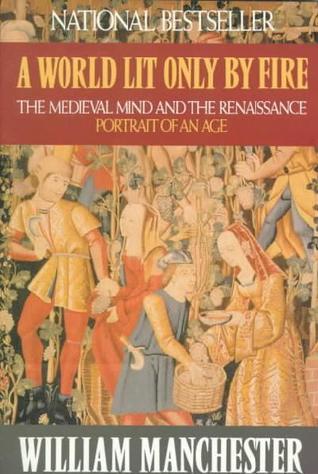
A World Lit Only by Fire: The Medieval Mind and the Renaissance: Portrait of an Age
Book Description
A world of darkness and chaos, where superstition reigns and knowledge is scarce, gives way to a fierce awakening. William Manchester captures the tumultuous transition from the Middle Ages to the Renaissance, unraveling the minds of those who dared to dream beyond their confines. With vivid portrayals of brilliant thinkers and chilling figures, he unveils the struggle between ignorance and enlightenment, painting a landscape fraught with conflict and fervor. As ideas ignite revolutions and challenge the status quo, one question looms: what price must be paid for enlightenment in a world that fears the light?
Quick Book Summary
"A World Lit Only by Fire" explores the dramatic and often misunderstood world of the late medieval period, leading into the explosive changes of the Renaissance. William Manchester vividly describes the ignorance, superstition, and rigid social structures that defined the Middle Ages, and contrasts this world with the dynamism of the Renaissance era, when knowledge, individualism, and human curiosity challenged the old order. Focusing on key figures such as Erasmus, Luther, and Magellan, Manchester details the cultural, religious, and intellectual revolutions that transformed Europe. Throughout, he argues that this was an age defined by stark contrasts: dogma versus reason, repression versus freedom, and darkness versus enlightenment. At its heart, the book examines the price paid both collectively and individually as society shifted from medieval stagnation to Renaissance brilliance.



Summary of Key Ideas
Table of Contents
Life Under Medieval Superstition and Authority
The world of the Middle Ages was shrouded in superstition, dominated by the Church, and bound by rigid hierarchies. Manchester describes a society where knowledge was a rare commodity, access to information was tightly controlled, and fear of the unknown permeated daily existence. Peasantry faced hardship and ignorance, while the nobility and clergy kept the reins of power. The mental framework of the time was collective, inward-looking, and deeply suspicious of innovation or deviation from tradition.
Social Structures and Daily Realities
Within this backdrop, the Church wielded enormous power, shaping not just religious doctrine but also politics, law, and everyday life. The papacy often descended into corruption, selling indulgences and living lavishly while the majority lived in poverty. The Inquisition and zealous enforcement of orthodoxy silenced dissent. Yet this authority was beginning to face pressure from growing literacy, travel, and the slow ferment of doubt, leading people to question and push against the boundaries of accepted belief.
Challenges to Church Power and the Reformation
The seeds of change erupted with figures like Martin Luther, who boldly challenged Church practices, igniting the Protestant Reformation. Manchester details how reformers questioned spiritual and temporal authority, subverting the monopoly on truth and offering personal engagement with faith and text. This upheaval was not limited to religion; broader currents of intellectual ferment energized new ways of understanding the world, empowering individuals to observe, ask, and innovate outside ecclesiastical sanction.
Renaissance Curiosity and the Explosion of Knowledge
The Renaissance emerged as a period of rebirth in arts, science, and exploration. Humanists such as Erasmus championed critical thinking and classical knowledge, while explorers like Magellan pushed beyond known horizons, defying medieval boundaries both physical and mental. The invention of the printing press was revolutionary, making knowledge more accessible and fostering a vibrant culture of debate and discovery. This intellectual awakening provided the foundation for modernity itself.
Consequences of Change: Conflict and Awakening
The transition from the medieval mind to the Renaissance was neither smooth nor peaceful. Manchester reveals the friction, violence, and upheaval that ripped through European society. Long-established institutions and certainties collapsed, often painfully. The quest for knowledge and individual empowerment carried great costs—wars of religion, persecutions, and persistent resistance from the old order. Yet ultimately, a new age dawned, marked by a hard-won enlightenment and a fundamentally changed human consciousness.
Download This Summary
Get a free PDF of this summary instantly — no email required.