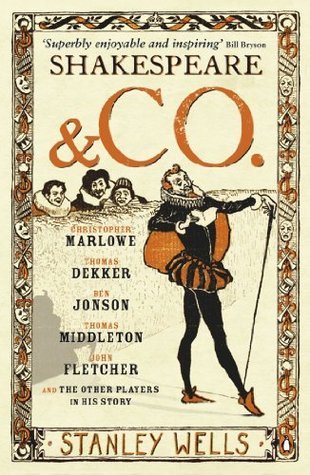
Shakespeare and Co.: Christopher Marlowe, Thomas Dekker, Ben Jonson, Thomas Middleton, John Fletcher and the Other Players in His Story
Book Description
Amid the vibrant chaos of Elizabethan theater, a battle for literary dominance raged, where camaraderie and rivalry ignited a golden age of creativity. Stanley Wells unveils the fierce competition among legendary playwrights like Christopher Marlowe and Ben Jonson, whose lives intertwined with Shakespeare's in a tapestry of ambition, betrayal, and genius. As their stories collide, the pulse of a city and the future of drama hang in the balance. What secrets linger in the shadows of the Globe Theatre, and how did these formidable voices shape the legacy of the Bard? Prepare to be captivated by the untold drama behind the curtain.
Quick Book Summary
“Shakespeare and Co.” by Stanley Wells plunges readers into the dynamic and sometimes tumultuous circle of playwrights who shaped Elizabethan and Jacobean drama. Wells vividly reconstructs the world in which William Shakespeare worked—one marked by intense collaboration and fierce competition among writers such as Christopher Marlowe, Ben Jonson, Thomas Dekker, Thomas Middleton, and John Fletcher. These playwrights were not mere rivals but also collaborators, sharing stages, acting troupes, and theatrical innovations. Wells explores how the interplay of ambition, talent, jealousy, and friendship spurred creative breakthroughs that defined an era. With rich historical detail, the book reveals how personal stories and rivalries intertwined behind the curtain, leaving an indelible mark on the evolution of English theater and the enduring legacy of the Bard.


Summary of Key Ideas
Table of Contents
Collaborative and Competitive Networks of Playwrights
Stanley Wells brings to life the vibrant theatrical world of late 16th and early 17th century London, illustrating how the city’s energy and growth fostered a unique creative explosion. The book charts the rise of the permanent playhouse, the mingling of classes in audiences, and the emergence of actors and playwrights as public figures. Wells describes how The Globe and other theatres provided both a venue for innovation and a battleground for ambition, with the city’s pulsating life feeding directly into the plays’ themes and characters.
The Social and Political Landscape of Elizabethan Theater
Central to Wells’s account is the intricate web of relationships binding together leading dramatists such as Marlowe, Jonson, Dekker, Middleton, and Fletcher. He delves into documented collaborations, rivalries, and even outright feuds, revealing how playwrights often co-authored works or borrowed from each other’s plots and styles. The book convincingly argues that the era’s creative vitality owed much to these dynamic interactions, with competition sharpening talents while shared projects led to new theatrical forms.
Innovation in Drama and Stagecraft
The book examines how social hierarchies, court politics, and censorship shaped the content and message of the plays. Wells explores the personal histories, ambitions, and social backgrounds of each major figure, revealing how these factors influenced their writing and their relationship to Shakespeare. For example, Marlowe’s subversive intellect, Jonson’s combative wit, and Middleton’s knack for urban satire all stem from their distinctive experiences in Renaissance society, as did their unique perspectives on power, morality, and human nature.
Personal Lives, Ambition, and Rivalry
Wells pays particular attention to theatrical innovation, spotlighting advances in stagecraft, language, and dramatic structure. He highlights the ways leading playwrights responded to one another’s works, refining dramatic dialogue, stage effects, and character complexity. This section outlines key contributions from each writer and places Shakespeare’s artistic development within the swirling context of his contemporaries’ achievements and experiments, emphasizing the group’s collective impact on English literature.
Shakespeare’s Legacy Among His Peers
The book concludes by measuring Shakespeare’s place within this rich milieu, tracing how the interactions, rivalries, and friendships with his fellow writers shaped his legacy. Wells reflects on how, while Shakespeare emerged as the most celebrated figure, his genius was magnified and complemented by the energy and intellect of his peers. Their collaborations and competitions not only propelled his work but also ensured the enduring power and diversity of English theater as a whole.
Download This Summary
Get a free PDF of this summary instantly — no email required.