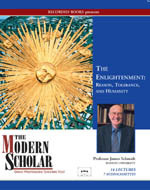
Enlightenment: Reason, Tolerance, and Humanity
Book Description
Unlock the secrets of a turbulent era where reason clashed with tyranny, and the quest for tolerance ignited a revolution of thought. Bold thinkers emerged, challenging the norms of their time, and igniting a fire that would reshape society forever. Through stirring moments of intellectual courage, "Enlightenment: Reason, Tolerance, and Humanity" delves into the profound ideas that sparked change, inspiring a legacy that echoes through time. Witness the raw power of human potential as reason triumphs over dogma and compassion lights the way. Are you ready to confront the enduring questions that define our humanity?
Quick Book Summary
"Enlightenment: Reason, Tolerance, and Humanity" by James Schmidt explores the intellectual and cultural revolution known as the Enlightenment, a period when thinkers across Europe championed reason, science, and compassion over superstition and tyranny. Schmidt narrates how leading philosophers like Voltaire, Diderot, and Kant battled intolerance and traditional authority, advocating for civil liberties and social reforms. The book examines the challenges faced by these pioneers, who confronted entrenched power structures and risked persecution to spark broader change. Through lively anecdotes, Schmidt emphasizes the importance of intellectual courage, the struggle for religious tolerance, and the enduring relevance of their ideas. This work ultimately reveals how the Enlightenment forged new principles of humanity and rational discourse that continue to shape modern democratic societies.





Summary of Key Ideas
Table of Contents
Reason vs. Dogma and Authority
The Enlightenment was a transformative era characterized by the rise of reason over superstition, with thinkers challenging traditional dogmas enforced by church and state. Philosophers asserted that rationality, empirical evidence, and scientific inquiry could unshackle humanity from ignorance and oppression. James Schmidt discusses how figures like Locke insisted upon questioning inherited truths and favored methods rooted in logic, experimentation, and open debate. This intellectual awakening laid the groundwork for challenging age-old authorities and prioritizing individual autonomy and critical thought.
The Emergence of Tolerance and Human Rights
Amid widespread religious and political intolerance, Enlightenment thinkers became early advocates for tolerance, civil liberties, and human rights. Voltaire famously denounced religious persecution while Montesquieu argued for separation of powers to protect personal freedoms. This quest for tolerance was not merely theoretical; it took immense courage to defend marginalized groups in societies marred by bigotry and censorship. Their bold advocacy contributed to gradual but profound changes in laws and attitudes that would shape constitutions and democratic ideals worldwide.
Intellectual Courage and Dissent
The pursuit of Enlightenment ideals required extraordinary intellectual courage and willingness to dissent. Many thinkers faced exile, censure, or worse, for championing new perspectives. Diderot and Rousseau challenged not only political orders but also social customs, often risking imprisonment. Their readiness to confront authorities underscored an unwavering commitment to reason and humanity, transforming the very notion of progress. Schmidt details these personal sacrifices and the determination required to persist in face of adversity.
The Role of Public Discourse and Print Culture
Schmidt also highlights the crucial role played by public discourse and print culture in disseminating Enlightenment ideas. The rise of pamphlets, journals, and salons expanded access to revolutionary concepts, nurturing a critical and engaged public. Philosophers harnessed print to bypass official censors and foster intellectual communities transcending national boundaries. This communication revolution was instrumental in accelerating debates about justice, science, and democracy, paving the way for broader societal shifts.
The Enduring Legacy of Enlightenment Principles
The book concludes by reflecting on the Enlightenment’s lasting legacy. The commitment to reason, tolerance, and humanity continues to underpin modern structures of liberal democracy, human rights, and scientific inquiry. Despite ongoing challenges posed by fanaticism and intolerance, Schmidt argues that the Enlightenment’s ideals remain a vital resource for confronting questions of justice, liberty, and the common good. Through its vivid portrayal of this era, the book affirms the enduring relevance of these foundational principles.
Download This Summary
Get a free PDF of this summary instantly — no email required.