
The Swerve: How the World Became Modern
Book Description
In a world ripe for change, a single manuscript ignites a revolution of thought, altering humanity’s course forever. Stephen Greenblatt’s 'The Swerve: How the World Became Modern' unravels the thrilling tale of a precarious Renaissance discovery—a dusty poem by the ancient philosopher Lucretius—that unleashes radical ideas challenging the status quo. As voices of reason clash with the forces of tradition, the very fabric of society is at stake. This gripping journey through time reveals how this long-buried text sparked the flames of curiosity and individuality. What would happen if one idea could change everything?
Quick Book Summary
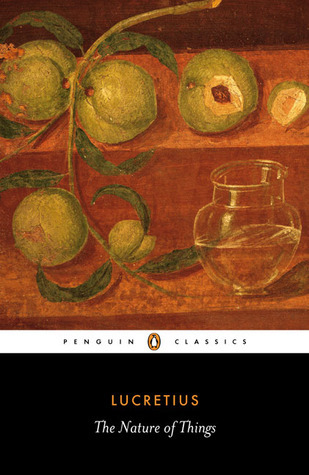
Stephen Greenblatt’s 'The Swerve: How the World Became Modern' traces the unexpected rediscovery of Lucretius’s lost masterpiece, 'On the Nature of Things,' by a Renaissance book hunter named Poggio Bracciolini. This ancient poem offered a hedonistic and atomistic worldview that contradicted prevailing religious dogma, promoting scientific curiosity and humanism. Greenblatt narrates how this single manuscript, rescued from obscurity, fueled intellectual debate and catalyzed the cultural shift from medieval dogmatism to Renaissance rationality. The book explores the collision between ancient philosophy and medieval orthodoxy, highlighting how rediscovered classical ideas sparked the rise of modern thought, science, and individualism. Ultimately, Greenblatt demonstrates how a single text, and the restless minds it inspired, shaped the modern world.


Summary of Key Ideas
Table of Contents
The Power of Ancient Ideas Rediscovered
The narrative begins by setting the stage in late medieval Europe, a time when much ancient wisdom was forgotten, suppressed, or hidden within monastery walls. Europe was dominated by religious dogma, and deviations from orthodoxy were often met with hostility. Against this backdrop, the story introduces Poggio Bracciolini, a former papal secretary and humanist who, amidst the turmoil of church politics and scholarly curiosity, embarks on a quest to uncover lost classical literature. His journeys to remote monasteries reflect a growing hunger during the Renaissance for knowledge and secular learning.
The Clash Between Reason and Tradition
In one dusty monastic library, Poggio discovers a neglected copy of Lucretius’s 'On the Nature of Things.' This poem, written in the first century BCE, presents a radical worldview grounded in Epicurean philosophy: the universe is composed of atoms moving in endless combinations, free from the control of gods, and pleasure—particularly the absence of pain—is the highest good. Lucretius’s vision, highly materialistic and critical of superstition, offered an alternative to prevailing Christian doctrines of suffering, divine order, and life after death.
The Rise of Humanism and Individual Inquiry
The book traces how this rediscovered manuscript began to circulate in intellectual circles, influencing thinkers, artists, and writers. As Greenblatt recounts, its ideas were both exhilarating and dangerous, challenging deeply held assumptions about the universe and humanity’s place in it. The Renaissance, previously a period of fervent religious adherence, began to shift as skepticism, curiosity, and empirical observation took root. Prominent figures like Giordano Bruno, Galileo Galilei, and even writers such as Montaigne absorbed and reflected Lucretian notions in their own work.
The Role of Books and Preservation in Shaping History
One of Greenblatt’s key insights is how the preservation and transmission of books determined the fate of ideas. The Renaissance witnessed the invention of printing, a watershed development that accelerated the proliferation of once-rare texts, like Lucretius’s, transforming intellectual life throughout Europe. Greenblatt also emphasizes the fragile chain of transmission—how easily knowledge can be lost forever—and the critical role of libraries, scribes, and book collectors in rescuing it from oblivion.
The Emergence of Modern Scientific Thought
Ultimately, 'The Swerve' contends that the chance recovery of Lucretius’s poem set off a profound swerve in Western civilization—a shift toward secularism, science, and individuality. Greenblatt illustrates how one text, by overtly contesting established beliefs and elevating reason and sensory experience, helped ignite the Renaissance and the birth of modernity. The book concludes that the course of history is neither inevitable nor entirely random, but often hinges on fragile acts of discovery and the enduring power of radical ideas.
Download This Summary
Get a free PDF of this summary instantly — no email required.