10 Books Similar to "Citizen: An American Lyric"
by Claudia Rankine
The Message
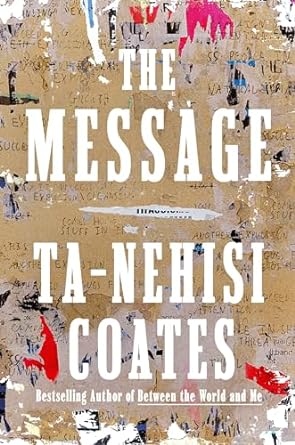
"The Message" by Ta-Nehisi Coates is a nuanced exploration of racial identity, systemic oppression, and the enduring legacy of slavery in America, framed through personal narrative and historical analysis. It delves into the continuous struggle for Black liberation and the psychological burden of navigating a society still deeply entrenched in racial inequality.
This work resonates with "Citizen: An American Lyric" through its unflinching examination of microaggressions and overt racism. Both books utilize a blend of personal experience, historical context, and evocative language to illuminate the pervasive nature of racial injustice in contemporary American life. They both adopt a lyrical, fragmented, or essayistic style to convey the emotional and intellectual weight of their subjects.
Its powerful insights into the Black experience offer a vital perspective on American history and society. The book’s frank discussion of societal structures and individual encounters with racism fosters deeper understanding and empathy, making it an essential text for anyone seeking to grapple with the complexities of race in the United States and the ongoing quest for justice.
The Message
"The Message" by Ta-Nehisi Coates is a nuanced exploration of racial identity, systemic oppression, and the enduring legacy of slavery in America, framed through personal narrative and historical analysis. It delves into the continuous struggle for Black liberation and the psychological burden of navigating a society still deeply entrenched in racial inequality.
This work resonates with "Citizen: An American Lyric" through its unflinching examination of microaggressions and overt racism. Both books utilize a blend of personal experience, historical context, and evocative language to illuminate the pervasive nature of racial injustice in contemporary American life. They both adopt a lyrical, fragmented, or essayistic style to convey the emotional and intellectual weight of their subjects.
Its powerful insights into the Black experience offer a vital perspective on American history and society. The book’s frank discussion of societal structures and individual encounters with racism fosters deeper understanding and empathy, making it an essential text for anyone seeking to grapple with the complexities of race in the United States and the ongoing quest for justice.
Ordinary Notes

Christina Sharpe's *Ordinary Notes* is a profound meditation on Black lived experience, memory, and the enduring nature of anti-Black violence. Structured as a series of fragmented observations, reflections, and analyses, it explores how racial subjugation permeates everyday life, public imagery, and historical archives. Through these "notes," Sharpe crafts a deeply personal yet expansive exploration of grief, love, and the persistent effort to articulate a different future within a world shaped by inequality.
*Ordinary Notes* echoes *Citizen* in its innovative, hybrid form that blurs the lines between poetry, essay, and cultural critique. Both books meticulously document the insidious microaggressions and overt violence faced by Black individuals, using fragmented narratives and striking imagery to convey the cumulative emotional toll. They share a commitment to making the invisible visible, demonstrating how systemic racism infiltrates seemingly benign interactions and cultural productions, forcing readers to confront uncomfortable truths about their societies.
This work appeals to those seeking a nuanced, intellectually rigorous engagement with race, history, and identity. Its value lies in its refusal of simplistic answers, instead inviting a profound and often challenging introspection into the structures of power and bias. It offers a powerful framework for understanding the ongoing effects of racism, while also celebrating resilience and the ongoing pursuit of justice, making it an essential text for critical thinking and empathetic understanding.
Ordinary Notes
Christina Sharpe's *Ordinary Notes* is a profound meditation on Black lived experience, memory, and the enduring nature of anti-Black violence. Structured as a series of fragmented observations, reflections, and analyses, it explores how racial subjugation permeates everyday life, public imagery, and historical archives. Through these "notes," Sharpe crafts a deeply personal yet expansive exploration of grief, love, and the persistent effort to articulate a different future within a world shaped by inequality.
*Ordinary Notes* echoes *Citizen* in its innovative, hybrid form that blurs the lines between poetry, essay, and cultural critique. Both books meticulously document the insidious microaggressions and overt violence faced by Black individuals, using fragmented narratives and striking imagery to convey the cumulative emotional toll. They share a commitment to making the invisible visible, demonstrating how systemic racism infiltrates seemingly benign interactions and cultural productions, forcing readers to confront uncomfortable truths about their societies.
This work appeals to those seeking a nuanced, intellectually rigorous engagement with race, history, and identity. Its value lies in its refusal of simplistic answers, instead inviting a profound and often challenging introspection into the structures of power and bias. It offers a powerful framework for understanding the ongoing effects of racism, while also celebrating resilience and the ongoing pursuit of justice, making it an essential text for critical thinking and empathetic understanding.
They Can't Kill Us Until They Kill Us

"They Can't Kill Us Until They Kill Us" is a collection of essays that deftly intertwine memoir, cultural criticism, and social commentary. Hanif Abdurraqib explores the profound impact of music, particularly Black artistry, on American identity, while also scrutinizing issues of race, grief, and resilience in a nation often hostile to Black bodies and voices. His keen observations on pop culture—from punk rock to hip-hop—become a lens through which to examine personal experience and broader sociopolitical realities.
This collection shares a striking similarity with "Citizen: An American Lyric" in its unflinching examination of contemporary American racism and its pervasive, often subtle, effects. Both works employ a blend of personal narrative and incisive cultural critique to illuminate the lived experience of Black individuals. They effectively deconstruct microaggressions and systemic inequalities, fostering a deeper understanding of racial dynamics through a combination of vulnerability and intellectual rigor, though Abdurraqib's focus is more on the cultural landscape as a vehicle for understanding.
The book will appeal to those seeking a nuanced and deeply felt exploration of race, music, and American culture. Its value lies in its ability to offer both a personal journey and a broader cultural analysis, providing essential insights into how art, identity, and social justice intersect. It challenges perspectives, elicits empathy, and provokes thoughtful engagement with some of the most pressing issues of our time.
They Can't Kill Us Until They Kill Us
"They Can't Kill Us Until They Kill Us" is a collection of essays that deftly intertwine memoir, cultural criticism, and social commentary. Hanif Abdurraqib explores the profound impact of music, particularly Black artistry, on American identity, while also scrutinizing issues of race, grief, and resilience in a nation often hostile to Black bodies and voices. His keen observations on pop culture—from punk rock to hip-hop—become a lens through which to examine personal experience and broader sociopolitical realities.
This collection shares a striking similarity with "Citizen: An American Lyric" in its unflinching examination of contemporary American racism and its pervasive, often subtle, effects. Both works employ a blend of personal narrative and incisive cultural critique to illuminate the lived experience of Black individuals. They effectively deconstruct microaggressions and systemic inequalities, fostering a deeper understanding of racial dynamics through a combination of vulnerability and intellectual rigor, though Abdurraqib's focus is more on the cultural landscape as a vehicle for understanding.
The book will appeal to those seeking a nuanced and deeply felt exploration of race, music, and American culture. Its value lies in its ability to offer both a personal journey and a broader cultural analysis, providing essential insights into how art, identity, and social justice intersect. It challenges perspectives, elicits empathy, and provokes thoughtful engagement with some of the most pressing issues of our time.
Minor Feelings: An Asian American Reckoning
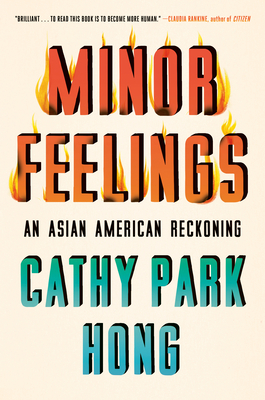
"Minor Feelings: An Asian American Reckoning" by Cathy Park Hong is a powerful exploration of the Asian American experience in the United States, particularly focusing on the concept of "minor feelings"—the seemingly understated, often misinterpreted, and frequently dismissed emotions stemming from racialized marginalization. Hong weaves memoir, cultural criticism, and historical analysis to articulate the nuanced psychological toll of being an Asian American in a society that often renders this identity invisible or perpetually foreign.
This work resonates with "Citizen: An American Lyric" primarily through its unflinching examination of racial microaggressions and systemic inequalities. Both books employ a hybrid form, blending personal narrative with broader commentary, to illuminate the pervasive and often subtle ways racism manifests in daily life. They share a commitment to giving voice and analytical framework to experiences of racialized alienation that are frequently overlooked or gaslighted.
The book will appeal to those seeking a deeper understanding of racial identity in America, particularly the complexities faced by Asian Americans. Its candid exploration of internal and external struggles offers profound insights into how race shapes self-perception, societal interaction, and historical narratives. The critical analysis and deeply personal reflections provide a valuable lens for comprehending contemporary discussions on race and belonging.
Minor Feelings: An Asian American Reckoning
"Minor Feelings: An Asian American Reckoning" by Cathy Park Hong is a powerful exploration of the Asian American experience in the United States, particularly focusing on the concept of "minor feelings"—the seemingly understated, often misinterpreted, and frequently dismissed emotions stemming from racialized marginalization. Hong weaves memoir, cultural criticism, and historical analysis to articulate the nuanced psychological toll of being an Asian American in a society that often renders this identity invisible or perpetually foreign.
This work resonates with "Citizen: An American Lyric" primarily through its unflinching examination of racial microaggressions and systemic inequalities. Both books employ a hybrid form, blending personal narrative with broader commentary, to illuminate the pervasive and often subtle ways racism manifests in daily life. They share a commitment to giving voice and analytical framework to experiences of racialized alienation that are frequently overlooked or gaslighted.
The book will appeal to those seeking a deeper understanding of racial identity in America, particularly the complexities faced by Asian Americans. Its candid exploration of internal and external struggles offers profound insights into how race shapes self-perception, societal interaction, and historical narratives. The critical analysis and deeply personal reflections provide a valuable lens for comprehending contemporary discussions on race and belonging.
Between the World and Me
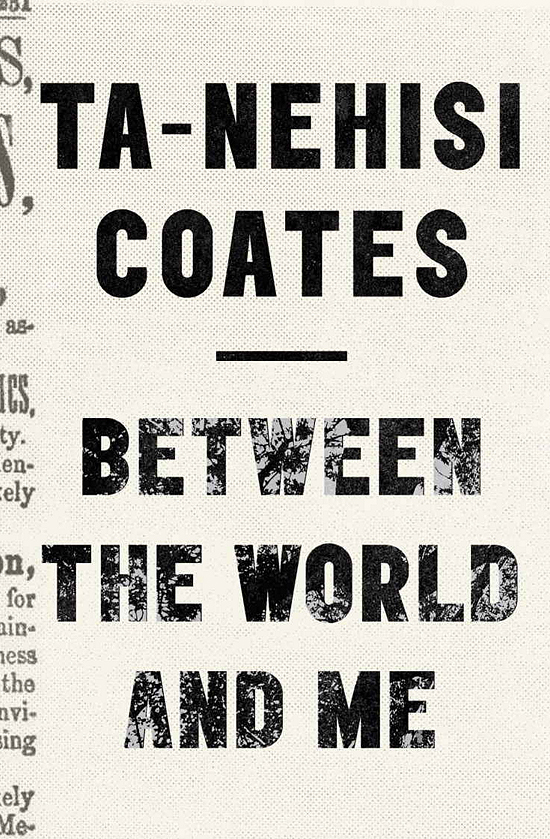
Ta-Nehisi Coates's "Between the World and Me" is a deeply personal and intellectually rigorous exploration of race in America, framed as a letter to his adolescent son. Coates grapples with the historical and contemporary realities of being Black, dissecting the concept of the "Dream" – the idealized American narrative – and how it actively functions to maintain white supremacy, often at the expense of Black bodies and lived experiences. He interrogates institutions, violence, and the enduring legacy of slavery, striving to equip his son with a clear-eyed understanding of the world he inherits.
Both "Between the World and Me" and Claudia Rankine's "Citizen: An American Lyric" are powerful, unflinching examinations of microaggressions and systemic racism in America. They share a core objective: to expose the pervasive, often subtle, ways in which Black individuals constantly navigate racism in their daily lives. While Coates employs prose memoir and essay, and Rankine utilizes poetry, prose, and visual art, both works create an immersive experience for the audience, forcing a confrontation with uncomfortable truths about national identity and racial injustice.
This book offers profound insights into the lived experience of racial oppression, providing a crucial perspective on American history and society. Its candid investigation into identity, vulnerability, and the persistent struggle for dignity fosters empathy and critical discourse. Engaging with Coates's powerful narrative encourages reflection on one's own assumptions and broader societal structures, making it an essential text for understanding contemporary racial dynamics and fostering a more informed citizenry.
Between the World and Me
Ta-Nehisi Coates's "Between the World and Me" is a deeply personal and intellectually rigorous exploration of race in America, framed as a letter to his adolescent son. Coates grapples with the historical and contemporary realities of being Black, dissecting the concept of the "Dream" – the idealized American narrative – and how it actively functions to maintain white supremacy, often at the expense of Black bodies and lived experiences. He interrogates institutions, violence, and the enduring legacy of slavery, striving to equip his son with a clear-eyed understanding of the world he inherits.
Both "Between the World and Me" and Claudia Rankine's "Citizen: An American Lyric" are powerful, unflinching examinations of microaggressions and systemic racism in America. They share a core objective: to expose the pervasive, often subtle, ways in which Black individuals constantly navigate racism in their daily lives. While Coates employs prose memoir and essay, and Rankine utilizes poetry, prose, and visual art, both works create an immersive experience for the audience, forcing a confrontation with uncomfortable truths about national identity and racial injustice.
This book offers profound insights into the lived experience of racial oppression, providing a crucial perspective on American history and society. Its candid investigation into identity, vulnerability, and the persistent struggle for dignity fosters empathy and critical discourse. Engaging with Coates's powerful narrative encourages reflection on one's own assumptions and broader societal structures, making it an essential text for understanding contemporary racial dynamics and fostering a more informed citizenry.
Killing Rage: Ending Racism

"Killing Rage: Ending Racism" by bell hooks is a trenchant analysis of racism in America, particularly the experience of Black individuals. Hooks dissects the systemic nature of racism, its psychological toll, and the pervasive anger it engenders within oppressed communities. She advocates for a profound shift in societal consciousness, urging both white and Black individuals to confront historical truths and collaborate on dismantling oppressive structures for genuine liberation.
The book resonates with "Citizen: An American Lyric" through their shared dedication to exposing the lived realities of racism. Both works employ a stark, unflinching honesty to articulate the myriad microaggressions and overt acts of racial injustice that permeate daily life for Black Americans. While hooks' approach is essayistic and analytical, and Rankine's poetic and fragmented, they both aim to make the invisible visible, forcing a confrontation with uncomfortable truths about American society.
This book offers a powerful framework for understanding the emotional and intellectual landscape of racial injustice. Its exploration of "killing rage" provides crucial vocabulary for discussing the deep-seated anger born from systemic oppression, thereby fostering empathy and catalyzing essential conversations about justice and equity. It serves as a vital resource for anyone seeking a deeper, more nuanced understanding of America's racial complexities and the path towards collective healing.
Killing Rage: Ending Racism
"Killing Rage: Ending Racism" by bell hooks is a trenchant analysis of racism in America, particularly the experience of Black individuals. Hooks dissects the systemic nature of racism, its psychological toll, and the pervasive anger it engenders within oppressed communities. She advocates for a profound shift in societal consciousness, urging both white and Black individuals to confront historical truths and collaborate on dismantling oppressive structures for genuine liberation.
The book resonates with "Citizen: An American Lyric" through their shared dedication to exposing the lived realities of racism. Both works employ a stark, unflinching honesty to articulate the myriad microaggressions and overt acts of racial injustice that permeate daily life for Black Americans. While hooks' approach is essayistic and analytical, and Rankine's poetic and fragmented, they both aim to make the invisible visible, forcing a confrontation with uncomfortable truths about American society.
This book offers a powerful framework for understanding the emotional and intellectual landscape of racial injustice. Its exploration of "killing rage" provides crucial vocabulary for discussing the deep-seated anger born from systemic oppression, thereby fostering empathy and catalyzing essential conversations about justice and equity. It serves as a vital resource for anyone seeking a deeper, more nuanced understanding of America's racial complexities and the path towards collective healing.
Racing Hummingbirds
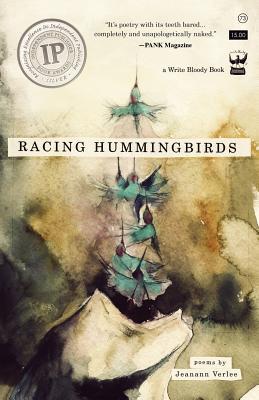
Jeanann Verlee's "Racing Hummingbirds" is a collection of poems that delves into themes of racial identity, gender, mental health, and the complexities of navigating personal and societal struggles. Through vivid imagery and raw emotional honesty, Verlee explores the visceral experience of living as a marginalized individual in America, offering a deeply personal yet universally resonant perspective on resilience and vulnerability.
This collection shares a profound kinship with Claudia Rankine's "Citizen: An American Lyric" through its unflinching examination of microaggressions, systemic racism, and the everyday toll of prejudice. Both works utilize a hybrid form – "Racing Hummingbirds" through its narrative poetic structure and "Citizen" with its blend of poetry, prose, and visual art – to give voice to the unspoken burdens and psychic wounds inflicted by racialized experiences, compelling readers to confront uncomfortable truths.
For those drawn to incisive social commentary and emotionally rich poetry, "Racing Hummingbirds" offers a powerful and necessary journey. It provides a vital space for reflection on identity, injustice, and the enduring human spirit, fostering empathy and deepening understanding of contemporary American life. The artistry and urgency of Verlee's voice make it a work that resonates long after the final page.
Racing Hummingbirds
Jeanann Verlee's "Racing Hummingbirds" is a collection of poems that delves into themes of racial identity, gender, mental health, and the complexities of navigating personal and societal struggles. Through vivid imagery and raw emotional honesty, Verlee explores the visceral experience of living as a marginalized individual in America, offering a deeply personal yet universally resonant perspective on resilience and vulnerability.
This collection shares a profound kinship with Claudia Rankine's "Citizen: An American Lyric" through its unflinching examination of microaggressions, systemic racism, and the everyday toll of prejudice. Both works utilize a hybrid form – "Racing Hummingbirds" through its narrative poetic structure and "Citizen" with its blend of poetry, prose, and visual art – to give voice to the unspoken burdens and psychic wounds inflicted by racialized experiences, compelling readers to confront uncomfortable truths.
For those drawn to incisive social commentary and emotionally rich poetry, "Racing Hummingbirds" offers a powerful and necessary journey. It provides a vital space for reflection on identity, injustice, and the enduring human spirit, fostering empathy and deepening understanding of contemporary American life. The artistry and urgency of Verlee's voice make it a work that resonates long after the final page.
My Country 'Tis of Thee
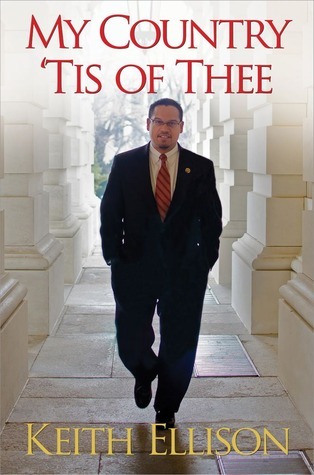
Keith Ellison's "My Country 'Tis of Thee" offers a deeply personal and insightful exploration of patriotism, faith, and American identity from the perspective of a Black Muslim man and prominent politician. It delves into the complexities of navigating multiple identities within the national narrative, questioning and affirming what it means to belong and contribute to the American project. The book is a reflective journey through his experiences, challenges, and understanding of a nation often grappling with its ideals.
Both books dissect the experience of being "othered" within America, challenging conventional notions of citizenship and belonging. While Rankine utilizes poetry, essays, and visual art to expose the insidious nature of microaggressions and systemic racism, Ellison employs memoir and political analysis to articulate his lived reality and advocate for a more inclusive patriotism. Each work confronts the gap between America's stated ideals and its often-harsh realities for marginalized communities.
This book holds immense appeal by offering a vital perspective on American identity, particularly for individuals seeking to understand the multifaceted nature of patriotism in a diverse society. It provides a nuanced examination of faith, race, and national loyalty, prompting critical reflection on what it truly means to be American and how to foster a more equitable future. Its value lies in its direct engagement with the tensions and aspirations that define contemporary American life.
My Country 'Tis of Thee
Keith Ellison's "My Country 'Tis of Thee" offers a deeply personal and insightful exploration of patriotism, faith, and American identity from the perspective of a Black Muslim man and prominent politician. It delves into the complexities of navigating multiple identities within the national narrative, questioning and affirming what it means to belong and contribute to the American project. The book is a reflective journey through his experiences, challenges, and understanding of a nation often grappling with its ideals.
Both books dissect the experience of being "othered" within America, challenging conventional notions of citizenship and belonging. While Rankine utilizes poetry, essays, and visual art to expose the insidious nature of microaggressions and systemic racism, Ellison employs memoir and political analysis to articulate his lived reality and advocate for a more inclusive patriotism. Each work confronts the gap between America's stated ideals and its often-harsh realities for marginalized communities.
This book holds immense appeal by offering a vital perspective on American identity, particularly for individuals seeking to understand the multifaceted nature of patriotism in a diverse society. It provides a nuanced examination of faith, race, and national loyalty, prompting critical reflection on what it truly means to be American and how to foster a more equitable future. Its value lies in its direct engagement with the tensions and aspirations that define contemporary American life.
So You Want to Talk About Race
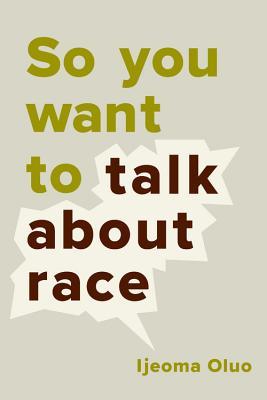
Ijeoma Oluo's "So You Want to Talk About Race" serves as a direct, no-nonsense guide to navigating complex conversations around race and racism in contemporary America. It systematically breaks down common racial dynamics, addressing topics like microaggressions, intersectionality, the model minority myth, and what white privilege truly means. Oluo's approach is both incisive and accessible, providing definitions, historical context, and practical advice for engaging constructively with these often-contentious subjects.
The similarity to Claudia Rankine's "Citizen" lies in their shared exploration of the pervasive, everyday impact of racial experience in America. While "Citizen" uses lyric essays, poetry, and imagery to depict the subtle and overt slights and violences faced by Black Americans, "So You Want to Talk About Race" provides the framework and language to articulate, understand, and discuss these very same phenomena directly. Both works compel an examination of racial consciousness and its manifestations in daily life.
This book offers a critical resource for anyone seeking a clearer understanding of racial issues and how to approach them effectively. Its candid explanations and practical insights empower individuals to move beyond discomfort or ignorance into more informed and productive dialogue. It equips individuals with the vocabulary and perspective necessary to engage meaningfully with societal challenges, fostering both personal growth and a more nuanced comprehension of systemic inequality.
So You Want to Talk About Race
Ijeoma Oluo's "So You Want to Talk About Race" serves as a direct, no-nonsense guide to navigating complex conversations around race and racism in contemporary America. It systematically breaks down common racial dynamics, addressing topics like microaggressions, intersectionality, the model minority myth, and what white privilege truly means. Oluo's approach is both incisive and accessible, providing definitions, historical context, and practical advice for engaging constructively with these often-contentious subjects.
The similarity to Claudia Rankine's "Citizen" lies in their shared exploration of the pervasive, everyday impact of racial experience in America. While "Citizen" uses lyric essays, poetry, and imagery to depict the subtle and overt slights and violences faced by Black Americans, "So You Want to Talk About Race" provides the framework and language to articulate, understand, and discuss these very same phenomena directly. Both works compel an examination of racial consciousness and its manifestations in daily life.
This book offers a critical resource for anyone seeking a clearer understanding of racial issues and how to approach them effectively. Its candid explanations and practical insights empower individuals to move beyond discomfort or ignorance into more informed and productive dialogue. It equips individuals with the vocabulary and perspective necessary to engage meaningfully with societal challenges, fostering both personal growth and a more nuanced comprehension of systemic inequality.
Why I'm No Longer Talking to White People About Race

Reni Eddo-Lodge's "Why I'm No Longer Talking to White People About Race" meticulously unpacks the historical and systemic nature of racism in Britain. Through insightful analysis, it explores concepts like white privilege, intersectionality, and the complex reality of racial identity, challenging conventional understandings and advocating for a more nuanced and honest dialogue about race.
This book resonates with Claudia Rankine's "Citizen" due to their shared commitment to illustrating the lived experience of racial microaggressions and systemic injustice. Both texts utilize powerful, often stark, prose to convey the emotional and psychological toll of racism, making the abstract concept of racial inequality visceral and personal for the reader. They both expose the persistent, everyday ways in which race shapes interactions and opportunities.
It will appeal to those seeking a deeper, more critical understanding of race and its societal impact. The book's value lies in its ability to inform, provoke thought, and equip individuals with the language and framework to engage with complex racial issues more effectively, ultimately fostering greater awareness and capacity for meaningful change.
Why I'm No Longer Talking to White People About Race
Reni Eddo-Lodge's "Why I'm No Longer Talking to White People About Race" meticulously unpacks the historical and systemic nature of racism in Britain. Through insightful analysis, it explores concepts like white privilege, intersectionality, and the complex reality of racial identity, challenging conventional understandings and advocating for a more nuanced and honest dialogue about race.
This book resonates with Claudia Rankine's "Citizen" due to their shared commitment to illustrating the lived experience of racial microaggressions and systemic injustice. Both texts utilize powerful, often stark, prose to convey the emotional and psychological toll of racism, making the abstract concept of racial inequality visceral and personal for the reader. They both expose the persistent, everyday ways in which race shapes interactions and opportunities.
It will appeal to those seeking a deeper, more critical understanding of race and its societal impact. The book's value lies in its ability to inform, provoke thought, and equip individuals with the language and framework to engage with complex racial issues more effectively, ultimately fostering greater awareness and capacity for meaningful change.
More Books to Explore
Discover more titles that expand on these ideas and themes.
The Message
Ordinary Notes
They Can't Kill Us Until They Kill Us
Minor Feelings: An Asian American Reckoning
Between the World and Me
Killing Rage: Ending Racism