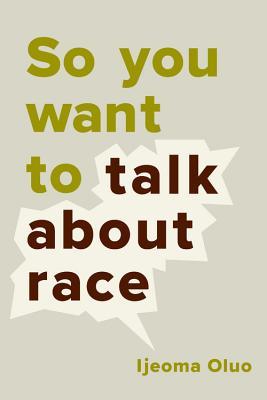
So You Want to Talk About Race
Book Description
Racial tensions crackle in every corner of society, and the urgency to confront them has never been more critical. "So You Want to Talk About Race" ignites powerful conversations, peeling back the layers of systemic injustice with clarity and passion. Ijeoma Oluo masterfully dissects tough topics, such as privilege, intersectionality, and implicit bias, guiding readers through discomfort toward understanding. Her fearless voice challenges the status quo, urging everyone to engage in the difficult yet vital dialogue about race. Can a society truly heal without facing its deepest wounds?
Quick Book Summary
"So You Want to Talk About Race" by Ijeoma Oluo is a candid exploration of racism in contemporary America and a practical guide for engaging in honest discussions about racial issues. Oluo offers accessible, clear explanations of concepts like privilege, intersectionality, and systemic oppression, making complex ideas understandable for a wide audience. She unpacks real-world examples and personal anecdotes to illustrate how racism affects individuals and institutions, and she provides actionable strategies for addressing bias and injustice. The book encourages readers—especially those unfamiliar with the realities of racism—to embrace discomfort and take responsibility in conversations about race, ultimately promoting greater empathy, understanding, and commitment to social change.



Summary of Key Ideas
Table of Contents
Understanding Systemic Racism and Oppression
Ijeoma Oluo begins by examining the reality of systemic racism in American society. She demonstrates that racism is not just a matter of individual prejudice but is embedded in institutions, policies, and cultural norms. Using everyday examples and case studies, Oluo clarifies how systems of oppression perpetuate unequal outcomes for marginalized groups. Her approach highlights the ways history and societal structures continue to shape racial injustice, warning against simplistic solutions or denial of the problem.
Privilege and Intersectionality
The book delves into privilege and intersectionality, two critical concepts for understanding racial dynamics. Oluo explains privilege as the unearned advantages some people receive purely by virtue of their race, while intersectionality describes how overlapping identities—such as race, gender, and class—interact to create unique experiences of discrimination or advantage. By offering real-life scenarios and personal stories, she helps readers recognize their own privilege and see how it influences interactions, opportunities, and outcomes in society.
Navigating Difficult Conversations About Race
Difficult conversations about race are a central focus of Oluo’s work. She acknowledges that talking about race can be emotionally taxing and fraught with misunderstanding, especially for those new to these discussions. Oluo provides practical advice on how to approach these conversations with humility, openness, and a willingness to learn. She emphasizes the importance of listening to marginalized voices, asking respectful questions, and being prepared to make mistakes and grow from them.
Implicit Bias and Everyday Racism
Oluo addresses implicit bias and the everyday manifestations of racism that often go unrecognized. She offers insight into microaggressions—subtle, often unintentional, slights or insults—and explains how even well-meaning individuals can perpetuate harm. Through guidance and self-awareness exercises, Oluo encourages readers to reflect on their own biases and take responsibility for their actions. She stresses that awareness is the first step toward meaningful change.
Taking Action Toward Racial Justice
The final sections urge readers to move from awareness to action. Oluo emphasizes that talking about race is just the beginning; real change requires active participation in challenging racism wherever it appears. She offers strategies for supporting anti-racist policies, advocating for systemic reform, and holding oneself and others accountable. The book concludes with a call for sustained commitment to racial justice, framing these efforts as essential for building a more equitable and inclusive society.
Download This Summary
Get a free PDF of this summary instantly — no email required.