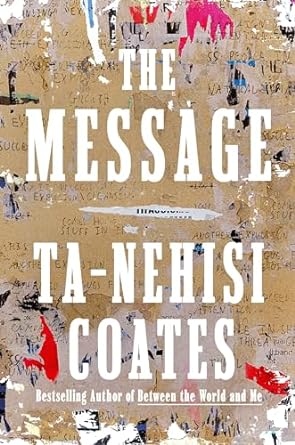
The Message
Book Description
A powerful call to action echoes through the pages of 'The Message,' as Ta-Nehisi Coates challenges the very fabric of race, identity, and history in America. With piercing insight and unflinching honesty, the narrative traverses the scars of the past and confronts the realities of the present, igniting a fire for change. Coates artfully weaves personal tales with societal truths, compelling every reader to grapple with uncomfortable questions about justice and equity. What legacy will be left behind if we refuse to listen and learn from the voices that have been silenced for too long?
Quick Book Summary
"The Message" by Ta-Nehisi Coates is a stirring collection of essays and reflections that interrogates the historical and ongoing realities of race in America. With his signature prose, Coates examines the intersection of personal experience and societal constructs, weaving together stories of pain, resilience, and hope. He challenges readers to face the uncomfortable truths that underpin American identity, urging action and empathy over complacency. Through reflections on his own upbringing, keen historical analysis, and a clarion call for social change, Coates constructs a narrative that is both an indictment of systemic injustice and a roadmap for progress. This book urges all individuals to listen deeply and take responsibility for building a more just future.




Summary of Key Ideas
Table of Contents
The Enduring Legacy of Racism in America
Coates begins the book by examining how the legacy of racism continues to shape American society. Drawing on both historical documentation and the lived experiences of Black Americans, he outlines the persistence of racial inequality across generations. He situates contemporary injustices within a broader tapestry of laws, customs, and cultural narratives, revealing how the past is ever-present. This section serves as a reminder that the fight for equity is ongoing and rooted in deep-seated systemic forces.
Personal Narrative as Political Testimony
Interweaving his personal story with national history, Coates demonstrates how individual lives are both shaped by and react against systemic oppression. He recounts pivotal moments in his own upbringing, exploring how race shaped his self-understanding, aspirations, and fears. By placing his personal narrative alongside the stories of others, Coates illustrates the intimate human costs of policy, prejudice, and erasure, using memoir as a powerful form of political testimony.
The Silence and Erasure of Marginalized Voices
A recurring theme is the pervasive silence and erasure that characterizes the experience of marginalized groups. Coates explores how the stories, achievements, and traumas of Black Americans have been systematically overlooked or distorted. He challenges readers to recognize the weight of voices that have been silenced, arguing that a full reckoning with the truth of American history requires breaking the long-held silence and listening to these stories with open hearts.
Confronting Complacency and Demanding Change
Coates pushes against societal complacency, urging readers not to accept injustice as inevitable or immutable. He critiques the tendency to look away from uncomfortable realities and instead calls for collective action. This section blends sharp critique with exhortation, pressing readers to question their own positions and responsibilities within a system marked by inequity. The message is clear: meaningful change demands awareness, courage, and a willingness to act.
Hope, Responsibility, and the Call to Action
Despite the profound challenges detailed throughout, Coates concludes with a message rooted in hope and shared responsibility. He posits that the work of confronting racial injustice belongs to everyone, not just those most directly affected. By inviting readers to imagine a better future—one informed by truth and shaped by justice—Coates inspires a sense of urgency and possibility. The final call is for individuals and society to embrace change, grounded in love, understanding, and sustained effort.
Download This Summary
Get a free PDF of this summary instantly — no email required.