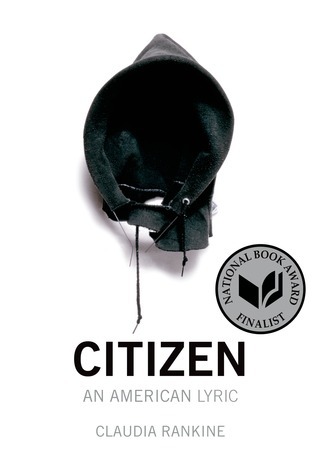
Citizen: An American Lyric
Book Description
Experience a world where every glance holds a story, and silence speaks volumes. *Citizen: An American Lyric* unfurls a tapestry of race, identity, and microaggressions in modern America, blending poetry and personal narrative in a breathtaking exploration of the everyday struggles faced by those navigating a fractured society. With heart-wrenching honesty, it captures the visceral moments that linger long after they're over, creating a haunting rhythm that resonates deeply. As each lyric unfolds, a question hangs in the air: what does it mean to be seen in a world that often chooses to look away?
Quick Book Summary
"Citizen: An American Lyric" by Claudia Rankine is a profound exploration of race, identity, and the everyday realities of microaggressions in contemporary America. Through a fusion of poetry, essay, and visual images, Rankine provides an intimate window into the personal and collective experiences of Black Americans. The book delves into the subtle and overt ways racism manifests in daily interactions, highlighting how language, silence, and societal structures perpetuate exclusion and pain. By interweaving personal vignettes with broader cultural events and historical references, "Citizen" compels readers to confront uncomfortable truths about recognition, visibility, and belonging. Rankine's innovative form and evocative language invite deep reflection on the emotional aftermath of racism, making the book a vital meditation on what it means to seek humanity and justice in a society that often looks away.


Summary of Key Ideas
Table of Contents
Everyday Microaggressions and Racial Trauma
Claudia Rankine's book opens with a series of hauntingly familiar scenarios in which everyday slights—small, offhand comments, dismissive gestures, and loaded assumptions—accrue to form a deeply embedded racial trauma. Through these collected moments, the book examines microaggressions as not merely isolated incidents but as a relentless undercurrent shaping Black American experience. By inviting the reader directly into these moments, Rankine crafts a visceral sense of discomfort and accumulation, making clear that such encounters, though seemingly mundane, leave lasting scars on their targets.
Visibility, Invisibility, and the Struggle for Recognition
The theme of visibility and invisibility permeates Rankine's lyric essay, where to be seen is to be scrutinized, and to be unseen is to have one’s humanity ignored. The text repeatedly returns to the notion that one’s identity is continuously negotiated through the perceptions of others. The author draws a connection between public personas, private realities, and the systemic forces that dictate who gets to be recognized as fully human. The struggle for acknowledgment—against erasure and misrecognition—becomes a central tension within the book’s narrative flow.
The Impact of Language and Silence
A significant thread in "Citizen" is the power and failure of language. Words can wound, exclude, or diminish, but so can silence. Rankine exposes the weight of unsaid things—the moments when silence replaces apology or acknowledgement, leaving pain festering unaddressed. She interrogates the limits of language to redress or capture racial injury, pointing out how even attempts at empathy can misfire or be weaponized. The lyric form allows Rankine to dwell in the gaps and ruptures where language falters or reveals its violence.
The Intersection of Personal and Public History
Rankine moves fluidly between intimate vignettes and high-profile public events, illustrating how personal experience intersects with collective history. She references incidents involving figures like Serena Williams and explores how the struggles of prominent Black Americans echo, amplify, or reflect everyday realities. Through this interplay, Rankine suggests that racialized encounters are not only private injustices but are woven into the nation’s history and ongoing social fabric, shaping consciousness and public discourse.
Art, Media, and the Social Imagination
The book skillfully integrates images and references to contemporary art, sports, and media, questioning how such forms shape, reinforce, or challenge social narratives about race. Visual and textual elements combine to evoke a fractured American psyche, revealing how representation and misrepresentation inform both self-perception and societal treatment. Rankine invites readers to reconsider what is seen, how it’s portrayed, and whose stories become central, ultimately suggesting that art and imagination hold potential for both harm and healing in the ongoing pursuit of justice.
Download This Summary
Get a free PDF of this summary instantly — no email required.