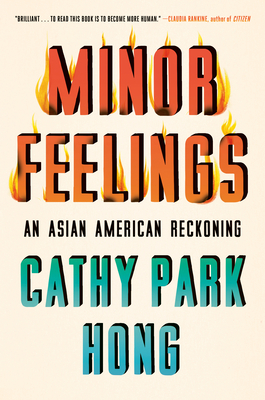
Minor Feelings: An Asian American Reckoning
Book Description
Pain and power collide in a raw exploration of identity and belonging. Cathy Park Hong delves into the complexities of the Asian American experience, unraveling the emotions that simmer beneath the surface—frustration, isolation, and resilience. With razor-sharp insight, she dissects cultural expectations and societal pressures, revealing the hidden contours of racism and alienation. Each essay is a poignant reflection, blending personal narrative with broader social commentary, demanding a reckoning with the past and present. Can uncovering these minor feelings lead to a deeper understanding of ourselves and each other?
Quick Book Summary
"Minor Feelings: An Asian American Reckoning" by Cathy Park Hong is a fierce and deeply personal collection of essays exploring the complexities of Asian American identity. Blending memoir, cultural critique, and social analysis, Hong articulates the often-overlooked emotions—what she calls "minor feelings"—that arise from living at the margins of American society. These feelings of shame, invisibility, and frustration defy the model minority myth, revealing the nuances of racism and alienation that persist. Hong weaves her own experiences as a poet and daughter of Korean immigrants with broader reflections on language, art, friendship, and political upheaval. In demanding a reckoning with both personal and cultural histories, she ultimately underscores the resilience and agency of Asian Americans, offering a radical, empowering call for honesty and solidarity.



Summary of Key Ideas
Table of Contents
The Complexity of Asian American Identity
Cathy Park Hong opens with an examination of what she terms "minor feelings"—the discomfort, shame, and silent rage navigated by many Asian Americans. These emotions, often dismissed by mainstream society, are rooted in racial microaggressions and the perpetual outsider status Asian Americans endure. Through personal narrative, Hong describes her early experiences of alienation, both within her family and in wider American culture, establishing the emotional terrain that runs throughout the book.
The Impact of Racial Stereotypes and the Model Minority Myth
A recurring theme is the damage wrought by stereotypes and the "model minority" myth, which superficially flatters Asian Americans while erasing their struggles and reinforcing their outsider status. Hong traces the historical origins of these tropes, examining how they are perpetuated not only by white society but also internalized within Asian American communities themselves. She scrutinizes the consequences: feelings of shame, social isolation, and a belief in conditional belonging that undermine solidarity with other marginalized groups.
The Emotional Landscape of Marginalization
Language and art emerge as twin lifelines for Hong—a way to process and resist marginalization. She reflects on her career as a poet, the challenges of expressing herself in English (her "adopted" language), and the creative possibilities that arise from linguistic friction. Art, for Hong, is both a form of survival and protest, a means of naming and confronting the forces that attempt to silence or erase Asian American voices.
Language, Art, and Self-Expression
Throughout, Hong insists on a reckoning with invisibility. She recounts formative relationships, particularly with other artists and writers of color, that allowed her to grapple with shared struggles. Hong urges Asian Americans to reject the fantasy of assimilation and instead acknowledge their unique position within America's racial hierarchy. In this solidarity—from within and across communities of color—lies the potential to transform both individual and collective realities.
Reckoning with Invisibility and Solidarity
Ultimately, “Minor Feelings” is a call for radical honesty and empathy. Hong's essays interweave the personal and political, challenging readers to confront uncomfortable truths about race, identity, and the American dream. By naming and validating minor feelings, she offers a framework for understanding the complexities of Asian American life and for forging a deeper connection with oneself and others.
Download This Summary
Get a free PDF of this summary instantly — no email required.