10 Books Similar to "AI 2041: Ten Visions for Our Future"
by Kai-Fu Lee

Life 3.0: Being Human in the Age of Artificial Intelligence

"Life 3.0" by Max Tegmark explores the potential future of artificial intelligence, from its biological and cultural origins to its most advanced hypothetical forms. It thoughtfully dissects the various trajectories AI might take, considering scenarios ranging from a benevolent, symbiotic co-existence to a superintelligent entity that outpaces humanity, delving into both the profound opportunities and existential risks.
This book shares conceptual territory with "AI 2041" by Kai-Fu Lee in its forward-looking examination of AI's societal impact. Both works project plausible futures shaped by rapidly advancing AI, though "Life 3.0" tends to operate on a more philosophical and macro-level, whereas "AI 2041" uses fictional narratives to illustrate specific, near-future scenarios. Both challenge conventional thinking about human-AI interaction.
Anyone interested in understanding the long-term implications of AI, beyond the current headlines, will find this a compelling read. It provides a comprehensive framework for thinking about humanity's place in an AI-dominated future, prompting critical reflection on ethics, consciousness, and the very definition of life, making it an invaluable resource for navigating the coming technological paradigm shifts.
Life 3.0: Being Human in the Age of Artificial Intelligence
"Life 3.0" by Max Tegmark explores the potential future of artificial intelligence, from its biological and cultural origins to its most advanced hypothetical forms. It thoughtfully dissects the various trajectories AI might take, considering scenarios ranging from a benevolent, symbiotic co-existence to a superintelligent entity that outpaces humanity, delving into both the profound opportunities and existential risks.
This book shares conceptual territory with "AI 2041" by Kai-Fu Lee in its forward-looking examination of AI's societal impact. Both works project plausible futures shaped by rapidly advancing AI, though "Life 3.0" tends to operate on a more philosophical and macro-level, whereas "AI 2041" uses fictional narratives to illustrate specific, near-future scenarios. Both challenge conventional thinking about human-AI interaction.
Anyone interested in understanding the long-term implications of AI, beyond the current headlines, will find this a compelling read. It provides a comprehensive framework for thinking about humanity's place in an AI-dominated future, prompting critical reflection on ethics, consciousness, and the very definition of life, making it an invaluable resource for navigating the coming technological paradigm shifts.
Scary Smart: The Future of Artificial Intelligence and How You Can Save Our World
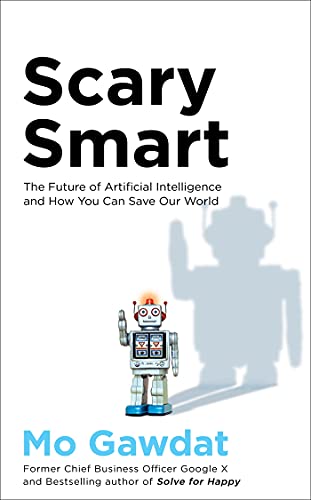
"Scary Smart" delves into the potential dangers and opportunities presented by advanced artificial intelligence, urging individuals to understand and responsibly engage with this evolving technology. Mo Gawdat, a former Google executive, details how AI could significantly reshape society, emphasizing the urgent need for human guidance to ensure a positive future.
This book shares thematic commonalities with "AI 2041" by exploring the multifaceted impact of AI on humanity's future. Both works provide projections and analyses of how AI will integrate into daily life, offering glimpses into both utopian possibilities and dystopian warnings, prompting reflection on our collective responsibility in its development.
The book will resonate with anyone curious about AI's societal implications and those seeking actionable insights into navigating our technologically advancing world. It provides a call to agency, empowering individuals to contribute to a more ethical and beneficial AI future, making it a valuable read for informed citizens and technology enthusiasts alike.
Scary Smart: The Future of Artificial Intelligence and How You Can Save Our World
"Scary Smart" delves into the potential dangers and opportunities presented by advanced artificial intelligence, urging individuals to understand and responsibly engage with this evolving technology. Mo Gawdat, a former Google executive, details how AI could significantly reshape society, emphasizing the urgent need for human guidance to ensure a positive future.
This book shares thematic commonalities with "AI 2041" by exploring the multifaceted impact of AI on humanity's future. Both works provide projections and analyses of how AI will integrate into daily life, offering glimpses into both utopian possibilities and dystopian warnings, prompting reflection on our collective responsibility in its development.
The book will resonate with anyone curious about AI's societal implications and those seeking actionable insights into navigating our technologically advancing world. It provides a call to agency, empowering individuals to contribute to a more ethical and beneficial AI future, making it a valuable read for informed citizens and technology enthusiasts alike.
The Singularity is Coming: The Artificial Intelligence Explosion
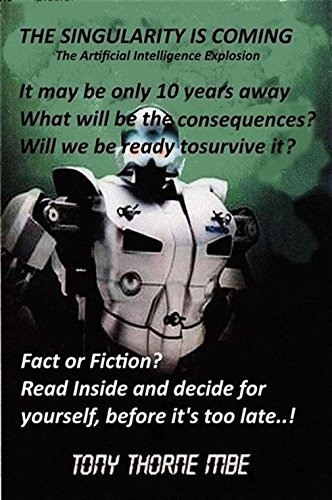
Tony Thorne's "The Singularity is Coming: The Artificial Intelligence Explosion" delves into the concept of technological singularity, a hypothetical future point when AI surpasses human intelligence, leading to unfathomable advancements and societal transformation. It explores the potential pathways to this event, examining both the utopian promises of an AI-driven paradise and the dystopian anxieties of human obsolescence or even extinction. The book meticulously scrutinizes the ethical, philosophical, and practical implications of such a monumental shift, prompting contemplation on humanity's place in a post-singularity world.
This book aligns with "AI 2041: Ten Visions for Our Future" by presenting a comprehensive exploration of AI's future impact. While Lee's work uses fictional narratives to illustrate specific AI scenarios, Thorne's offers a more overarching, theoretical examination of AI's ultimate trajectory and its broader societal ramifications. Both books share a fundamental interest in forecasting the profound changes AI will bring, albeit through different narrative and analytical lenses.
The detailed analysis of AI's transformative potential will likely resonate strongly with individuals intrigued by the rapid progression of technology and its future implications. Its lucid explanations of complex AI concepts and its balanced presentation of both opportunities and risks provide a valuable framework for understanding the profound societal changes on the horizon. The book serves as an important primer for anyone seeking to grasp the potential scale and velocity of the AI revolution.
The Singularity is Coming: The Artificial Intelligence Explosion
Tony Thorne's "The Singularity is Coming: The Artificial Intelligence Explosion" delves into the concept of technological singularity, a hypothetical future point when AI surpasses human intelligence, leading to unfathomable advancements and societal transformation. It explores the potential pathways to this event, examining both the utopian promises of an AI-driven paradise and the dystopian anxieties of human obsolescence or even extinction. The book meticulously scrutinizes the ethical, philosophical, and practical implications of such a monumental shift, prompting contemplation on humanity's place in a post-singularity world.
This book aligns with "AI 2041: Ten Visions for Our Future" by presenting a comprehensive exploration of AI's future impact. While Lee's work uses fictional narratives to illustrate specific AI scenarios, Thorne's offers a more overarching, theoretical examination of AI's ultimate trajectory and its broader societal ramifications. Both books share a fundamental interest in forecasting the profound changes AI will bring, albeit through different narrative and analytical lenses.
The detailed analysis of AI's transformative potential will likely resonate strongly with individuals intrigued by the rapid progression of technology and its future implications. Its lucid explanations of complex AI concepts and its balanced presentation of both opportunities and risks provide a valuable framework for understanding the profound societal changes on the horizon. The book serves as an important primer for anyone seeking to grasp the potential scale and velocity of the AI revolution.
The Age of Spiritual Machines

In "The Age of Spiritual Machines," Ray Kurzweil explores the accelerating pace of technological change, particularly in artificial intelligence, to predict a future where machines surpass human intelligence. He delves into concepts like the Singularity, the ultimate fusion of humans and machines, and the implications for consciousness, immortality, and the very definition of humanity.
This seminal work shares common ground with "AI 2041: Ten Visions for Our Future" by Kai-Fu Lee in its forward-looking perspective on AI's transformative power. Both books envision a future significantly shaped by advanced AI, offering detailed, speculative scenarios about how this technology will alter societies, economies, and individual lives. They move beyond mere technological descriptions to contemplate a changed human experience.
The book offers a compelling intellectual journey into humanity's potential future, driven by technological evolution. Its detailed foresight and groundbreaking predictions provide a foundational understanding of the long-term trajectory of AI and its profound impact, making it an essential read for anyone grappling with the philosophical and practical implications of our increasingly digital world.
The Age of Spiritual Machines
In "The Age of Spiritual Machines," Ray Kurzweil explores the accelerating pace of technological change, particularly in artificial intelligence, to predict a future where machines surpass human intelligence. He delves into concepts like the Singularity, the ultimate fusion of humans and machines, and the implications for consciousness, immortality, and the very definition of humanity.
This seminal work shares common ground with "AI 2041: Ten Visions for Our Future" by Kai-Fu Lee in its forward-looking perspective on AI's transformative power. Both books envision a future significantly shaped by advanced AI, offering detailed, speculative scenarios about how this technology will alter societies, economies, and individual lives. They move beyond mere technological descriptions to contemplate a changed human experience.
The book offers a compelling intellectual journey into humanity's potential future, driven by technological evolution. Its detailed foresight and groundbreaking predictions provide a foundational understanding of the long-term trajectory of AI and its profound impact, making it an essential read for anyone grappling with the philosophical and practical implications of our increasingly digital world.
Compassionate Artificial Superintelligence AI 5.0
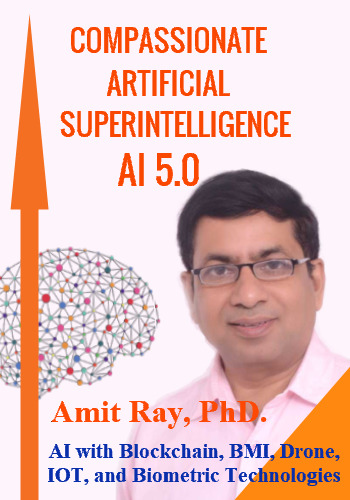
"Compassionate Artificial Superintelligence AI 5.0" explores the concept of AI's evolution beyond mere intelligence to embody empathy, ethics, and wisdom. Amit Ray delves into the potential for AI systems to integrate compassion, not just logic, into their decision-making processes, aiming for superintelligence that benefits humanity through understanding and benevolent action. It envisions a future where AI actively promotes well-being and mitigates harm, moving beyond a purely utilitarian framework to one grounded in moral considerations.
This book shares thematic commonalities with "AI 2041: Ten Visions for Our Future" primarily in their forward-looking exploration of AI's societal impact. Both texts project scenarios of an AI-infused future, albeit through different narrative lenses — "AI 2041" through speculative fiction and "AI 5.0" through theoretical exposition. They both grapple with the profound implications of advanced AI on human existence, ethics, and the very fabric of society, stimulating thought on how we should prepare for and shape these technological advancements.
The book will appeal to those intrigued by the philosophical and ethical dimensions of AI, offering a hopeful yet pragmatic perspective on its ultimate potential. Individuals concerned with the long-term trajectory of artificial intelligence, and those seeking frameworks for building beneficial, human-centric AI, will find its insights valuable. It provides a compelling vision for a more benevolent technological future, inspiring discourse on responsible AI development and deployment.
Compassionate Artificial Superintelligence AI 5.0
"Compassionate Artificial Superintelligence AI 5.0" explores the concept of AI's evolution beyond mere intelligence to embody empathy, ethics, and wisdom. Amit Ray delves into the potential for AI systems to integrate compassion, not just logic, into their decision-making processes, aiming for superintelligence that benefits humanity through understanding and benevolent action. It envisions a future where AI actively promotes well-being and mitigates harm, moving beyond a purely utilitarian framework to one grounded in moral considerations.
This book shares thematic commonalities with "AI 2041: Ten Visions for Our Future" primarily in their forward-looking exploration of AI's societal impact. Both texts project scenarios of an AI-infused future, albeit through different narrative lenses — "AI 2041" through speculative fiction and "AI 5.0" through theoretical exposition. They both grapple with the profound implications of advanced AI on human existence, ethics, and the very fabric of society, stimulating thought on how we should prepare for and shape these technological advancements.
The book will appeal to those intrigued by the philosophical and ethical dimensions of AI, offering a hopeful yet pragmatic perspective on its ultimate potential. Individuals concerned with the long-term trajectory of artificial intelligence, and those seeking frameworks for building beneficial, human-centric AI, will find its insights valuable. It provides a compelling vision for a more benevolent technological future, inspiring discourse on responsible AI development and deployment.
Robot Futures
"Robot Futures" by Illah Reza Nourbakhsh delves into the multifaceted implications of robotics on society, moving beyond common narratives of dystopian takeovers or utopian solutions. It thoughtfully examines the ethical, social, and economic challenges and opportunities presented by advanced robotic technologies, emphasizing the need for conscious design and policy to guide their integration into human life.
This examination of future robotic integration closely parallels "AI 2041: Ten Visions for Our Future" by Kai-Fu Lee. Both books utilize a forward-looking, scenario-based approach to explore the societal impact of rapidly advancing technology, offering diverse perspectives on how AI and robotics will reshape our world over the coming decades. They share a common thread of analyzing technological progression through human-centric lenses.
Readers will find significant value in "Robot Futures" for its balanced and discerning analysis. It provides essential context for understanding the complexities of robotic evolution, fostering a more informed discourse on how to harness these technologies responsibly. The book’s insights are crucial for anyone seeking to grasp the real-world consequences of robotic advancement and actively shape a more desirable future.
Robot Futures
"Robot Futures" by Illah Reza Nourbakhsh delves into the multifaceted implications of robotics on society, moving beyond common narratives of dystopian takeovers or utopian solutions. It thoughtfully examines the ethical, social, and economic challenges and opportunities presented by advanced robotic technologies, emphasizing the need for conscious design and policy to guide their integration into human life.
This examination of future robotic integration closely parallels "AI 2041: Ten Visions for Our Future" by Kai-Fu Lee. Both books utilize a forward-looking, scenario-based approach to explore the societal impact of rapidly advancing technology, offering diverse perspectives on how AI and robotics will reshape our world over the coming decades. They share a common thread of analyzing technological progression through human-centric lenses.
Readers will find significant value in "Robot Futures" for its balanced and discerning analysis. It provides essential context for understanding the complexities of robotic evolution, fostering a more informed discourse on how to harness these technologies responsibly. The book’s insights are crucial for anyone seeking to grasp the real-world consequences of robotic advancement and actively shape a more desirable future.
The AI Con: How to Fight Big Tech's Hype and Create the Future We Want

"The AI Con" dissects the pervasive hype surrounding artificial intelligence, challenging the narratives often promoted by tech giants. Emily M. Bender critiques common misconceptions about AI's capabilities and societal impact, advocating for a more grounded, nuanced understanding of its limitations and ethical implications. She stresses the importance of human agency and democratic control in shaping our technological future, rather than passively accepting industry-driven visions.
This book shares thematic common ground with "AI 2041" by exploring the future of AI and its societal ramifications. Both authors engage with the profound influence AI will have, but Bender offers a critical counterbalance to Lee's more optimistic, though still cautionary, scenarios. While "AI 2041" paints vivid pictures of a technologically advanced world, "The AI Con" probes the underlying assumptions and power structures that will determine that world's true character.
This book offers a critical lens on a rapidly evolving subject. It provides a necessary counterpoint to breathless technological enthusiasm, empowering individuals to discern realistic AI applications from speculative claims. It fosters a more informed perspective on how to engage with AI development, ensuring that its future benefits humanity broadly and ethically.
The AI Con: How to Fight Big Tech's Hype and Create the Future We Want
"The AI Con" dissects the pervasive hype surrounding artificial intelligence, challenging the narratives often promoted by tech giants. Emily M. Bender critiques common misconceptions about AI's capabilities and societal impact, advocating for a more grounded, nuanced understanding of its limitations and ethical implications. She stresses the importance of human agency and democratic control in shaping our technological future, rather than passively accepting industry-driven visions.
This book shares thematic common ground with "AI 2041" by exploring the future of AI and its societal ramifications. Both authors engage with the profound influence AI will have, but Bender offers a critical counterbalance to Lee's more optimistic, though still cautionary, scenarios. While "AI 2041" paints vivid pictures of a technologically advanced world, "The AI Con" probes the underlying assumptions and power structures that will determine that world's true character.
This book offers a critical lens on a rapidly evolving subject. It provides a necessary counterpoint to breathless technological enthusiasm, empowering individuals to discern realistic AI applications from speculative claims. It fosters a more informed perspective on how to engage with AI development, ensuring that its future benefits humanity broadly and ethically.
Power And Prediction: The Disruptive Economics of Artificial Intelligence
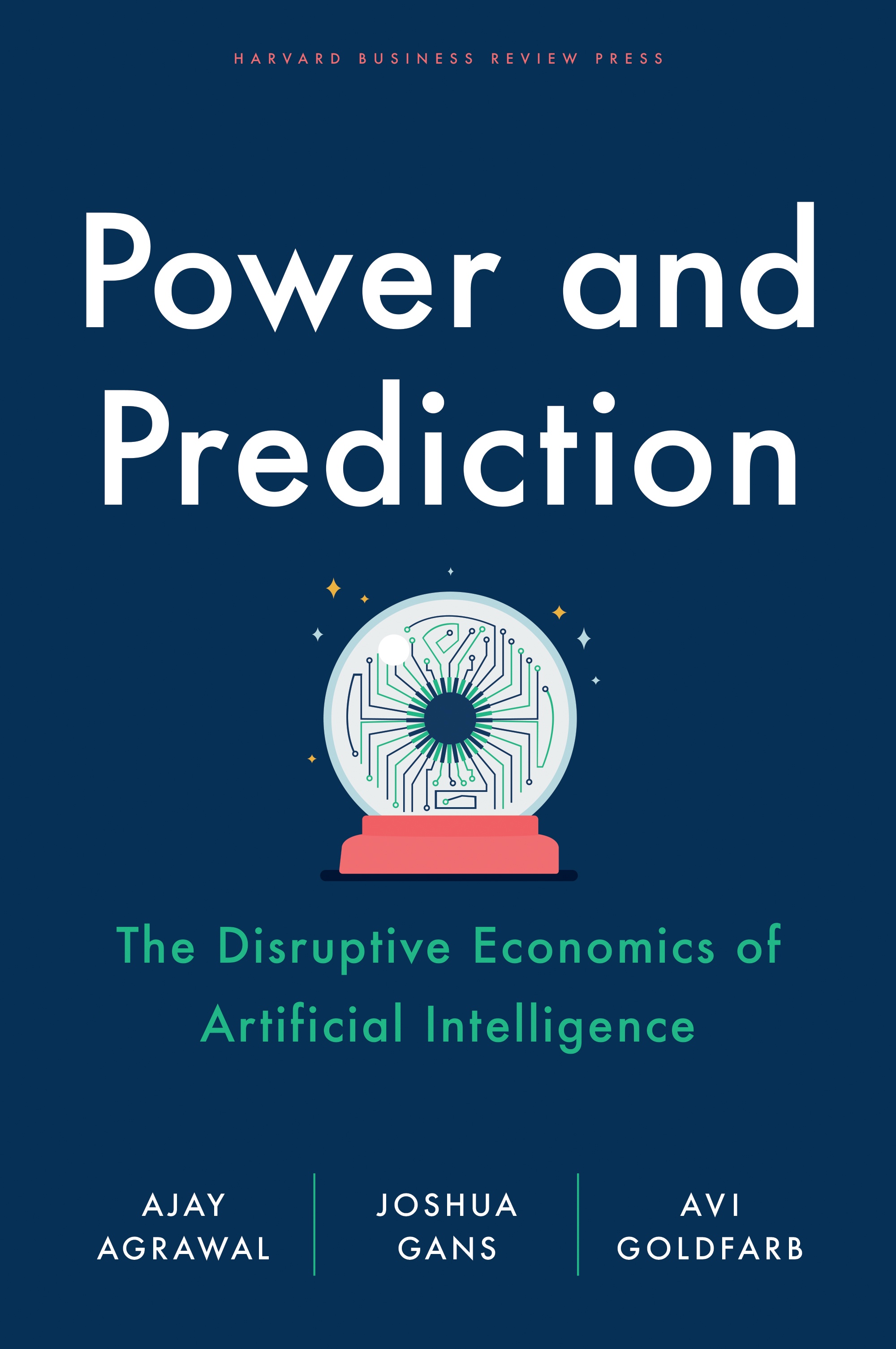
"Power And Prediction: The Disruptive Economics of Artificial Intelligence" dissects the economic implications of AI, focusing on how it redefines the value of prediction. Agrawal and his co-authors argue that AI fundamentally lowers the cost of prediction, making it an abundant and readily available resource, thereby reshaping decision-making processes and the economics of various industries. The book illuminates how organizations can leverage this new abundance of prediction to drive innovation and gain competitive advantage.
This book shares thematic ground with "AI 2041: Ten Visions for Our Future" by exploring the multifaceted impact of artificial intelligence on society and the economy. While "AI 2041" uses fictional narratives to illustrate future scenarios, "Power And Prediction" offers a more analytical, economics-driven perspective on how AI’s core capabilities will transform industries and labor markets, providing a complementary, non-fictional lens on the same technological revolution.
This work appeals to anyone seeking a rigorous yet accessible understanding of AI's economic impact. It offers a framework for comprehending how AI fundamentally alters business operations and strategic planning, providing valuable insights for leaders, entrepreneurs, and policymakers navigating the rapidly evolving AI landscape. Its emphasis on a core economic principle – the declining cost of prediction – provides a powerful, unifying theory for understanding AI's pervasive influence.
Power And Prediction: The Disruptive Economics of Artificial Intelligence
"Power And Prediction: The Disruptive Economics of Artificial Intelligence" dissects the economic implications of AI, focusing on how it redefines the value of prediction. Agrawal and his co-authors argue that AI fundamentally lowers the cost of prediction, making it an abundant and readily available resource, thereby reshaping decision-making processes and the economics of various industries. The book illuminates how organizations can leverage this new abundance of prediction to drive innovation and gain competitive advantage.
This book shares thematic ground with "AI 2041: Ten Visions for Our Future" by exploring the multifaceted impact of artificial intelligence on society and the economy. While "AI 2041" uses fictional narratives to illustrate future scenarios, "Power And Prediction" offers a more analytical, economics-driven perspective on how AI’s core capabilities will transform industries and labor markets, providing a complementary, non-fictional lens on the same technological revolution.
This work appeals to anyone seeking a rigorous yet accessible understanding of AI's economic impact. It offers a framework for comprehending how AI fundamentally alters business operations and strategic planning, providing valuable insights for leaders, entrepreneurs, and policymakers navigating the rapidly evolving AI landscape. Its emphasis on a core economic principle – the declining cost of prediction – provides a powerful, unifying theory for understanding AI's pervasive influence.
Physics of the Future: How Science Will Shape Human Destiny and Our Daily Lives by the Year 2100

"Physics of the Future" offers a compelling glimpse into technological advancements anticipated by 2100, drawing on interviews with leading scientists to project how physics will revolutionize our daily lives. From mind-reading and intelligent robots to space colonization and immortality, Michio Kaku explores the scientific principles underpinning these potential breakthroughs, presenting a meticulously researched yet accessible vision of the future.
This book shares a fundamental kinship with "AI 2041" in its forward-looking thematic focus, exploring the profound societal impact of emerging technologies. Both works leverage expert perspectives to construct speculative yet plausible future scenarios, examining not just the technical possibilities but also the ethical and human dimensions of rapid scientific progress. They invite readers to consider how these shifts will reshape identity, work, and global dynamics.
This book will appeal to those with a keen interest in science, technology, and the future of humanity. It provides an intellectually stimulating exploration of what lies ahead, grounded in credible scientific theory rather than pure fantasy. Its value lies in its power to spark imagination, encourage informed discussion about future challenges and opportunities, and offer a powerful reminder of science's transformative potential.
Physics of the Future: How Science Will Shape Human Destiny and Our Daily Lives by the Year 2100
"Physics of the Future" offers a compelling glimpse into technological advancements anticipated by 2100, drawing on interviews with leading scientists to project how physics will revolutionize our daily lives. From mind-reading and intelligent robots to space colonization and immortality, Michio Kaku explores the scientific principles underpinning these potential breakthroughs, presenting a meticulously researched yet accessible vision of the future.
This book shares a fundamental kinship with "AI 2041" in its forward-looking thematic focus, exploring the profound societal impact of emerging technologies. Both works leverage expert perspectives to construct speculative yet plausible future scenarios, examining not just the technical possibilities but also the ethical and human dimensions of rapid scientific progress. They invite readers to consider how these shifts will reshape identity, work, and global dynamics.
This book will appeal to those with a keen interest in science, technology, and the future of humanity. It provides an intellectually stimulating exploration of what lies ahead, grounded in credible scientific theory rather than pure fantasy. Its value lies in its power to spark imagination, encourage informed discussion about future challenges and opportunities, and offer a powerful reminder of science's transformative potential.
The Age of AI and Our Human Future
"The Age of AI and Our Human Future" delves into the profound societal and philosophical implications of artificial intelligence. It examines how AI will reshape human identity, ethics, geopolitics, and even our understanding of reality, moving beyond technical specifics to explore the existential questions AI poses for humanity.
This book shares thematic DNA with "AI 2041: Ten Visions for Our Future" by exploring future scenarios shaped by AI’s advancement. Both works offer a panoramic view of AI's potential impact, contemplating both utopian possibilities and dystopian pitfalls, albeit through different narrative lenses — "AI 2041" through speculative fiction, and Kissinger’s work through philosophical and geopolitical analysis.
The appeal of this book lies in its rigorous intellectual exploration of AI's broader ramifications, penned by figures with deep societal and historical insights. Individuals seeking a comprehensive, high-level analysis of AI’s transformative power, and its indelible mark on human civilization, will find profound value in its thought-provoking perspectives.
The Age of AI and Our Human Future
"The Age of AI and Our Human Future" delves into the profound societal and philosophical implications of artificial intelligence. It examines how AI will reshape human identity, ethics, geopolitics, and even our understanding of reality, moving beyond technical specifics to explore the existential questions AI poses for humanity.
This book shares thematic DNA with "AI 2041: Ten Visions for Our Future" by exploring future scenarios shaped by AI’s advancement. Both works offer a panoramic view of AI's potential impact, contemplating both utopian possibilities and dystopian pitfalls, albeit through different narrative lenses — "AI 2041" through speculative fiction, and Kissinger’s work through philosophical and geopolitical analysis.
The appeal of this book lies in its rigorous intellectual exploration of AI's broader ramifications, penned by figures with deep societal and historical insights. Individuals seeking a comprehensive, high-level analysis of AI’s transformative power, and its indelible mark on human civilization, will find profound value in its thought-provoking perspectives.
More Books to Explore
Discover more titles that expand on these ideas and themes.
Life 3.0: Being Human in the Age of Artificial Intelligence
Scary Smart: The Future of Artificial Intelligence and How You Can Save Our World
The Singularity is Coming: The Artificial Intelligence Explosion
The Age of Spiritual Machines
Compassionate Artificial Superintelligence AI 5.0
Robot Futures