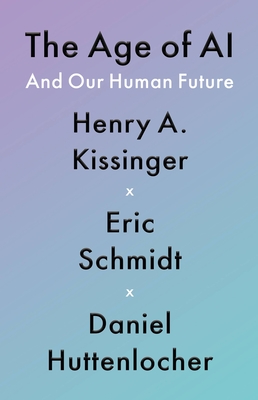
The Age of AI and Our Human Future
Book Description
As humanity stands on the brink of a revolution, the rise of artificial intelligence presents both exhilarating possibilities and profound threats. In "The Age of AI and Our Human Future," Henry Kissinger unravels the intricate tapestry of technology and life, examining how AI reshapes our politics, society, and identities. With the stakes higher than ever, he navigates through the ethical dilemmas and strategic challenges that lie ahead. Can we harness the power of AI without losing what makes us human? As the clock ticks, the future hangs in delicate balance—will we emerge enlightened, or will we be consumed by our own creations?
Quick Book Summary
In "The Age of AI and Our Human Future," Henry Kissinger, along with co-authors Eric Schmidt and Daniel Huttenlocher, explores the profound impact artificial intelligence is poised to have on society, governance, economics, and our very conception of humanity. The book investigates how AI is not only accelerating technological advancement but is also challenging existing philosophical and ethical frameworks. By assessing the sweeping changes AI brings to global politics, security, and personal identity, the authors argue that humans must navigate these transitions thoughtfully. They emphasize the necessity for new approaches to regulations, ethical norms, and international cooperation to ensure AI enhances, rather than undermines, human flourishing. The urgency of this transformation demands a renewed exploration of what it means to be human in an increasingly automated world.



Summary of Key Ideas
Table of Contents
Redefining Human Knowledge and Decision-Making
Artificial intelligence is transforming the foundations of human knowledge and decision-making. Traditional ways that societies have generated, evaluated, and trusted information are being disrupted by AI systems capable of recognizing patterns and deriving insights beyond human reach. These technologies filter and interpret reality in ways that can alter our cognitive processes, shifting how we make sense of the world. Kissinger highlights that AI doesn't just process information faster; it can produce new forms of knowledge inaccessible to human intuition or logic, forcing a reexamination of human-computer interaction and the nature of understanding itself.
Geopolitical Challenges and Global Security
The rise of AI introduces complex geopolitical challenges. As leading nations race to develop and deploy advanced AI, the balance of global power becomes precarious. The authors argue that the military, economic, and strategic advantages given by AI could lead to destabilization, arms races, and unexpected consequences. They emphasize the need for new international norms and agreements to address issues like autonomous weapons, cyber warfare, and destabilization through misinformation, since old treaties and doctrines may not suffice in this new era.
Ethical Dilemmas and Moral Responsibilities
Ethical concerns stand at the forefront of the AI revolution. From surveillance and privacy to algorithmic bias and moral accountability, AI creates dilemmas that current ethical traditions struggle to resolve. The book urges policymakers, technologists, and philosophers to collaborate in building frameworks that ensure AI aligns with broadly beneficial values. Kissinger underlines the potential risks if AI systems make consequential decisions beyond human comprehension, urging the development of systems that preserve human agency and responsibility.
Transformations in Society and Identity
AI is reshaping society and personal identity. Digital technologies can profoundly influence how individuals interact, form beliefs, and perceive themselves. The authors explore how AI-driven personalization, deepfakes, and social media manipulation impact democratic processes, social cohesion, and self-understanding. They warn that unchecked developments could erode authenticity and undermine trust, underscoring the need to reimagine education, public discourse, and civic participation for an AI-driven age.
The Necessity for Governance and Collaboration
Given these sweeping changes, the authors advocate for urgent governance and collaborative efforts at all levels. Only by bringing together governments, technologists, and civil society can responsible frameworks emerge to manage the opportunities and dangers of AI. Proactive regulation, informed public debate, and international cooperation are essential to avoid catastrophic outcomes and to shape a future where humanity retains control over its technological destiny. Kissinger concludes that the choices we make now about AI will have lasting consequences for the human future.
Download This Summary
Get a free PDF of this summary instantly — no email required.