10 Books Similar to "Wait Till Next Year"
by Doris Kearns Goodwin

An Unfinished Love Story: A Personal History of the 1960s

"An Unfinished Love Story: A Personal History of the 1960s" delves into Doris Kearns Goodwin's relationship with her late husband, Richard Goodwin, weaving their personal narrative through the tumultuous political and social landscape of the 1960s. Told through the rediscovery of his boxes of old papers, it offers an intimate look at a pivotal decade from the perspective of two individuals deeply engaged with its defining moments and figures.
This work echoes "Wait Till Next Year" in its highly personal, reflective approach to history. Both books use the author's direct experiential lens – whether through baseball or a marriage entwined with national events – to illuminate broader societal shifts and the emotional impact of those times. They share a core methodology of blending memoir with meticulous historical research.
The appeal of this book lies in its intimate portrayal of a transformative era through a deeply personal love story, offering both a human connection to history and insights into a significant intellectual partnership. Its value comes from its ability to render grand historical narratives accessible and emotionally resonant, demonstrating how personal lives intersect with—and are shaped by—the currents of history.
An Unfinished Love Story: A Personal History of the 1960s
"An Unfinished Love Story: A Personal History of the 1960s" delves into Doris Kearns Goodwin's relationship with her late husband, Richard Goodwin, weaving their personal narrative through the tumultuous political and social landscape of the 1960s. Told through the rediscovery of his boxes of old papers, it offers an intimate look at a pivotal decade from the perspective of two individuals deeply engaged with its defining moments and figures.
This work echoes "Wait Till Next Year" in its highly personal, reflective approach to history. Both books use the author's direct experiential lens – whether through baseball or a marriage entwined with national events – to illuminate broader societal shifts and the emotional impact of those times. They share a core methodology of blending memoir with meticulous historical research.
The appeal of this book lies in its intimate portrayal of a transformative era through a deeply personal love story, offering both a human connection to history and insights into a significant intellectual partnership. Its value comes from its ability to render grand historical narratives accessible and emotionally resonant, demonstrating how personal lives intersect with—and are shaped by—the currents of history.
No Ordinary Time: Franklin and Eleanor Roosevelt: The Home Front in World War II
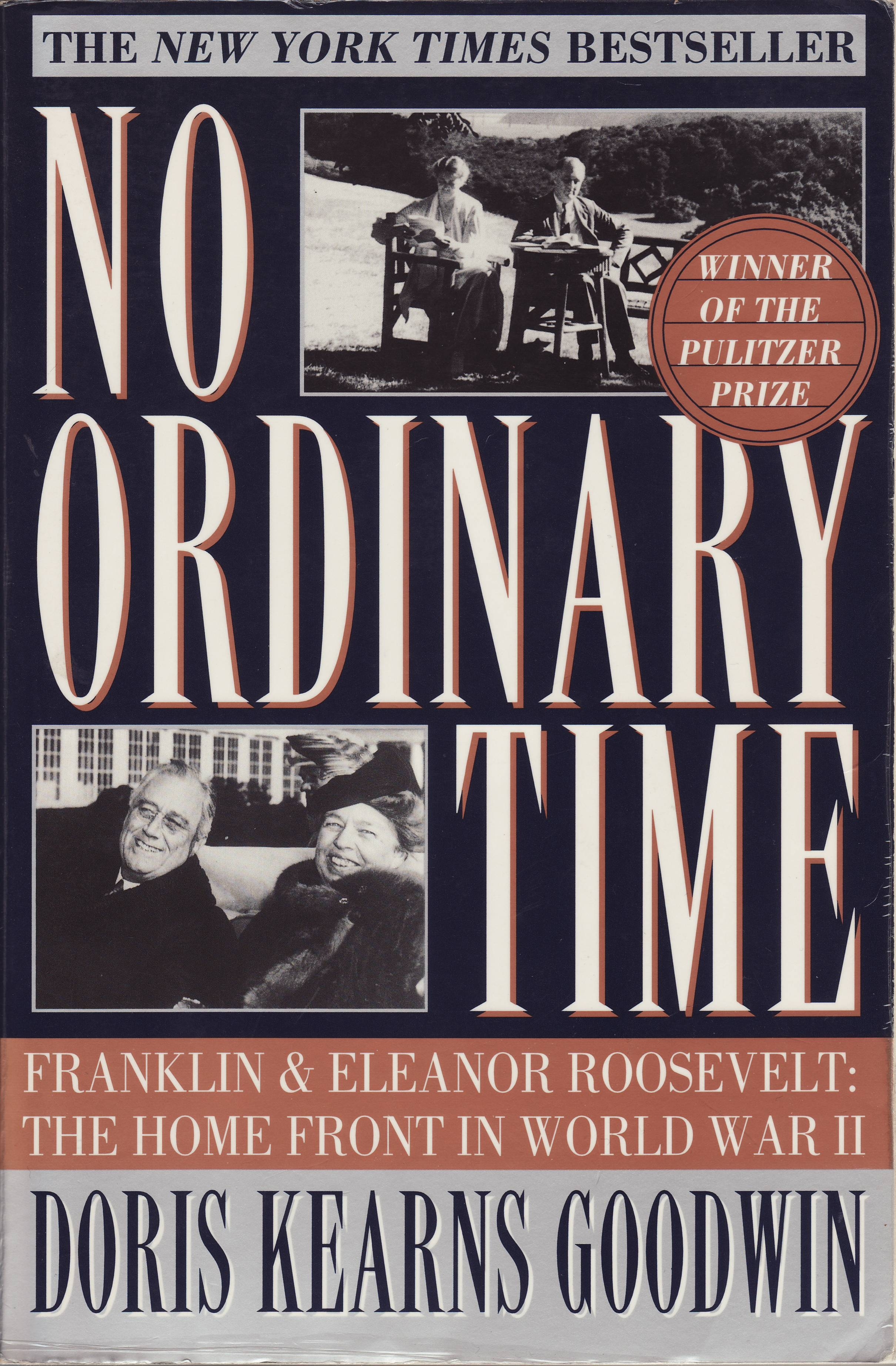
"No Ordinary Time" offers an intimate and meticulously researched account of Franklin and Eleanor Roosevelt's lives during World War II. It delves into their intertwined personal and political struggles, the complexities of their marriage, and their profound impact on the American home front as the nation grappled with global conflict. Goodwin illuminates their roles not just as leaders, but as individuals navigating extraordinary pressures.
This book shares a fundamental similarity with "Wait Till Next Year" through Goodwin's signature approach to history: a deeply personal and humanistic lens. Both works explore pivotal periods through the experiences of prominent figures, blending biography with broader historical context and emphasizing the emotional and psychological landscapes of their subjects. The evocative storytelling and detailed character development are hallmarks in both narratives.
This work appeals to anyone seeking a profound understanding of leadership, resilience, and the human cost of war. It provides invaluable insights into one of America's most transformative eras, offering a compelling narrative that connects personal lives to monumental historical events. Its depth and nuance make it a rewarding exploration of power, sacrifice, and the enduring spirit of a nation.
No Ordinary Time: Franklin and Eleanor Roosevelt: The Home Front in World War II
"No Ordinary Time" offers an intimate and meticulously researched account of Franklin and Eleanor Roosevelt's lives during World War II. It delves into their intertwined personal and political struggles, the complexities of their marriage, and their profound impact on the American home front as the nation grappled with global conflict. Goodwin illuminates their roles not just as leaders, but as individuals navigating extraordinary pressures.
This book shares a fundamental similarity with "Wait Till Next Year" through Goodwin's signature approach to history: a deeply personal and humanistic lens. Both works explore pivotal periods through the experiences of prominent figures, blending biography with broader historical context and emphasizing the emotional and psychological landscapes of their subjects. The evocative storytelling and detailed character development are hallmarks in both narratives.
This work appeals to anyone seeking a profound understanding of leadership, resilience, and the human cost of war. It provides invaluable insights into one of America's most transformative eras, offering a compelling narrative that connects personal lives to monumental historical events. Its depth and nuance make it a rewarding exploration of power, sacrifice, and the enduring spirit of a nation.
Duty: A Father, His Son, and the Man Who Won the War
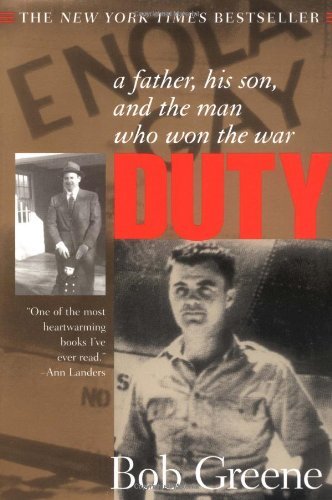
"Duty: A Father, His Son, and the Man Who Won the War" by Bob Greene explores the profound impact of World War II on an American family through the lens of a father's wartime experiences. Greene reconstructs his own father's service, particularly his admiration for General Douglas MacArthur, weaving a narrative that blends personal history with broader themes of patriotism, sacrifice, and the enduring legacy of a generation shaped by conflict. It's a poignant reflection on how historical events resonate through personal lives and family dynamics.
This book shares a fundamental similarity with Doris Kearns Goodwin’s "Wait Till Next Year" in its exploration of how a pivotal public figure or cultural touchstone shapes individual and family identity. While Goodwin uses Jackie Robinson and the Brooklyn Dodgers to illuminate childhood and community in the 1950s, Greene uses General MacArthur and WWII to understand his father's values and indeed his own upbringing. Both authors expertly merge personal anecdote with broader historical context, revealing how large-scale societal influences profoundly impact domestic life and individual perspective.
The book's appeal lies in its exploration of intergenerational understanding and the often-unspoken stories that define families. It offers a valuable opportunity to reflect on how historical events, particularly significant wars, mold not just nations but also personal character and familial relationships. Those interested in American history, the lasting effects of war, or the dynamics of father-son relationships will find its insights compelling and emotionally resonant.
Duty: A Father, His Son, and the Man Who Won the War
"Duty: A Father, His Son, and the Man Who Won the War" by Bob Greene explores the profound impact of World War II on an American family through the lens of a father's wartime experiences. Greene reconstructs his own father's service, particularly his admiration for General Douglas MacArthur, weaving a narrative that blends personal history with broader themes of patriotism, sacrifice, and the enduring legacy of a generation shaped by conflict. It's a poignant reflection on how historical events resonate through personal lives and family dynamics.
This book shares a fundamental similarity with Doris Kearns Goodwin’s "Wait Till Next Year" in its exploration of how a pivotal public figure or cultural touchstone shapes individual and family identity. While Goodwin uses Jackie Robinson and the Brooklyn Dodgers to illuminate childhood and community in the 1950s, Greene uses General MacArthur and WWII to understand his father's values and indeed his own upbringing. Both authors expertly merge personal anecdote with broader historical context, revealing how large-scale societal influences profoundly impact domestic life and individual perspective.
The book's appeal lies in its exploration of intergenerational understanding and the often-unspoken stories that define families. It offers a valuable opportunity to reflect on how historical events, particularly significant wars, mold not just nations but also personal character and familial relationships. Those interested in American history, the lasting effects of war, or the dynamics of father-son relationships will find its insights compelling and emotionally resonant.
An American Childhood

"An American Childhood" is Annie Dillard's evocative memoir of her upbringing in 1950s Pittsburgh. It details her formative years, exploring her insatiable curiosity, her early encounters with nature, books, and science, and the vibrant, complex world she inhabited within her family and community. It’s a richly textured account of a spirited child grappling with the mysteries and marvels of existence.
This book aligns with "Wait Till Next Year" through its powerful evocation of a specific 1950s American childhood, focusing on personal experience within a broader cultural context. Both authors skillfully use their youthful perspectives to illuminate a bygone era and explore themes of identity formation, the influence of family, and the magic of discovery, set against a backdrop of quintessential mid-century America.
Individuals drawn to insightful memoirs and historical perspectives on American life will appreciate Dillard’s elegant prose and keen observations. Its value lies in its portrayal of universal childhood experiences – wonder, rebellion, and learning – and its detailed, affectionate reconstruction of a particular time and place, offering both nostalgic reflection and timeless insight into human development.
An American Childhood
"An American Childhood" is Annie Dillard's evocative memoir of her upbringing in 1950s Pittsburgh. It details her formative years, exploring her insatiable curiosity, her early encounters with nature, books, and science, and the vibrant, complex world she inhabited within her family and community. It’s a richly textured account of a spirited child grappling with the mysteries and marvels of existence.
This book aligns with "Wait Till Next Year" through its powerful evocation of a specific 1950s American childhood, focusing on personal experience within a broader cultural context. Both authors skillfully use their youthful perspectives to illuminate a bygone era and explore themes of identity formation, the influence of family, and the magic of discovery, set against a backdrop of quintessential mid-century America.
Individuals drawn to insightful memoirs and historical perspectives on American life will appreciate Dillard’s elegant prose and keen observations. Its value lies in its portrayal of universal childhood experiences – wonder, rebellion, and learning – and its detailed, affectionate reconstruction of a particular time and place, offering both nostalgic reflection and timeless insight into human development.
The Teammates: A Portrait of a Friendship

"The Teammates" chronicles the enduring bond between four baseball legends: Ted Williams, Dom DiMaggio, Johnny Pesky, and Bobby Doerr. It captures their journey, from their shared careers with the Boston Red Sox to their later years as devoted friends. Halberstam expertly weaves together their individual stories, highlighting their triumphs, struggles, and the profound loyalty that defined their relationship, particularly in their twilight years as they grappled with aging and loss.
This book resonates with themes found in "Wait Till Next Year" through its powerful exploration of memory, community, and the profound impact of sports on personal identity. Both narratives delve into how formative experiences within baseball shape individuals and friendships over decades, transcending the game itself to become central to their understanding of life and belonging. The emphasis on shared history and enduring connections is a strong parallel.
Individuals interested in sport history, the dynamics of lifelong friendships, and the human experience of aging will appreciate this work. It offers a poignant look at the legacies of iconic figures, illustrating how camaraderie and mutual support sustain individuals through the inevitable changes of life. The book provides valuable insights into the resilience of the human spirit and the enduring power of shared memories.
The Teammates: A Portrait of a Friendship
"The Teammates" chronicles the enduring bond between four baseball legends: Ted Williams, Dom DiMaggio, Johnny Pesky, and Bobby Doerr. It captures their journey, from their shared careers with the Boston Red Sox to their later years as devoted friends. Halberstam expertly weaves together their individual stories, highlighting their triumphs, struggles, and the profound loyalty that defined their relationship, particularly in their twilight years as they grappled with aging and loss.
This book resonates with themes found in "Wait Till Next Year" through its powerful exploration of memory, community, and the profound impact of sports on personal identity. Both narratives delve into how formative experiences within baseball shape individuals and friendships over decades, transcending the game itself to become central to their understanding of life and belonging. The emphasis on shared history and enduring connections is a strong parallel.
Individuals interested in sport history, the dynamics of lifelong friendships, and the human experience of aging will appreciate this work. It offers a poignant look at the legacies of iconic figures, illustrating how camaraderie and mutual support sustain individuals through the inevitable changes of life. The book provides valuable insights into the resilience of the human spirit and the enduring power of shared memories.
Then Again
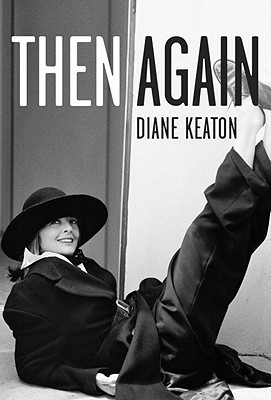
Diane Keaton's "Then Again" is a deeply personal memoir that weaves together her life story with excerpts from her mother's meticulously kept journals. It explores themes of family, memory, and the enduring bond between generations, offering intimate reflections on Keaton’s upbringing, career, and evolving relationship with her mother through the years.
This memoir resonates with "Wait Till Next Year" through its exploration of how formative experiences and family dynamics shape an individual's life. Both books delve into the past, relying on detailed reminiscences and personal documents to reconstruct an era and understand the people who inhabited it, particularly focusing on the influence of strong parental figures and the impact of societal shifts on personal trajectories.
This book will appeal to those who appreciate introspective narratives grounded in real life. It offers a poignant look at the complexities of family relationships and the act of preserving memory, providing insights into the process of self-discovery through examination of one's roots and the legacy passed down by loved ones. Its value lies in its honest portrayal of vulnerability and the universal human experience of grappling with heritage and identity.
Then Again
Diane Keaton's "Then Again" is a deeply personal memoir that weaves together her life story with excerpts from her mother's meticulously kept journals. It explores themes of family, memory, and the enduring bond between generations, offering intimate reflections on Keaton’s upbringing, career, and evolving relationship with her mother through the years.
This memoir resonates with "Wait Till Next Year" through its exploration of how formative experiences and family dynamics shape an individual's life. Both books delve into the past, relying on detailed reminiscences and personal documents to reconstruct an era and understand the people who inhabited it, particularly focusing on the influence of strong parental figures and the impact of societal shifts on personal trajectories.
This book will appeal to those who appreciate introspective narratives grounded in real life. It offers a poignant look at the complexities of family relationships and the act of preserving memory, providing insights into the process of self-discovery through examination of one's roots and the legacy passed down by loved ones. Its value lies in its honest portrayal of vulnerability and the universal human experience of grappling with heritage and identity.
The Soul of Baseball: A Road Trip Through Buck O'Neil's America

"The Soul of Baseball" chronicles Joe Posnanski's journey alongside baseball legend Buck O'Neil during O'Neil's final year. It's a profound exploration of baseball's past, particularly the Negro Leagues, through the eyes and memories of one of its most charismatic and knowledgeable figures. The book interweaves O'Neil's life story with Posnanski's observations, celebrating the spirit of the game and the enduring impact of a man who embodied its best qualities.
This book shares "Wait Till Next Year's" deep connection to baseball as more than just a sport, but as a central pillar of American life and personal identity. Both narratives use baseball as a lens to explore broader themes of childhood, community, racial justice, and the passage of time. They offer intimate portraits of individuals whose lives were inextricably linked to the game, providing historical context and emotional resonance through personal experience.
The book offers a heartwarming and insightful look into a pivotal era of American history and baseball through the unparalleled perspective of Buck O'Neil. It provides a unique opportunity to experience the game's human side, its struggles, and its triumphs, fostering a deeper appreciation for both baseball and the resilience of the human spirit. It is a testament to the power of storytelling and the lasting legacy of those who lived for the love of the game.
The Soul of Baseball: A Road Trip Through Buck O'Neil's America
"The Soul of Baseball" chronicles Joe Posnanski's journey alongside baseball legend Buck O'Neil during O'Neil's final year. It's a profound exploration of baseball's past, particularly the Negro Leagues, through the eyes and memories of one of its most charismatic and knowledgeable figures. The book interweaves O'Neil's life story with Posnanski's observations, celebrating the spirit of the game and the enduring impact of a man who embodied its best qualities.
This book shares "Wait Till Next Year's" deep connection to baseball as more than just a sport, but as a central pillar of American life and personal identity. Both narratives use baseball as a lens to explore broader themes of childhood, community, racial justice, and the passage of time. They offer intimate portraits of individuals whose lives were inextricably linked to the game, providing historical context and emotional resonance through personal experience.
The book offers a heartwarming and insightful look into a pivotal era of American history and baseball through the unparalleled perspective of Buck O'Neil. It provides a unique opportunity to experience the game's human side, its struggles, and its triumphs, fostering a deeper appreciation for both baseball and the resilience of the human spirit. It is a testament to the power of storytelling and the lasting legacy of those who lived for the love of the game.
The Boys of My Youth

Jo Ann Beard’s "The Boys of My Youth" is a collection of essays exploring vivid memories from her adolescence and young adulthood. Beard navigates themes of first love, friendship, loss, and the formative experiences that sculpt identity, all rendered with a distinctive blend of raw emotion and keen observation.
This collection shares a foundational similarity with Doris Kearns Goodwin's "Wait Till Next Year" through its powerful evocation of personal nostalgia and its exploration of how specific periods in one's past shape an individual. Both books demonstrate how deeply personal narratives can offer universal insights into growing up within a particular cultural landscape and the enduring impact of childhood passions and relationships.
This work will appeal to those who appreciate memoirs that delve into the profound and often bittersweet nature of memory. Its value lies in its candid exploration of human vulnerability and resilience, offering a reflective journey into the universal experiences of youth, longing, and the search for meaning in everyday life.
The Boys of My Youth
Jo Ann Beard’s "The Boys of My Youth" is a collection of essays exploring vivid memories from her adolescence and young adulthood. Beard navigates themes of first love, friendship, loss, and the formative experiences that sculpt identity, all rendered with a distinctive blend of raw emotion and keen observation.
This collection shares a foundational similarity with Doris Kearns Goodwin's "Wait Till Next Year" through its powerful evocation of personal nostalgia and its exploration of how specific periods in one's past shape an individual. Both books demonstrate how deeply personal narratives can offer universal insights into growing up within a particular cultural landscape and the enduring impact of childhood passions and relationships.
This work will appeal to those who appreciate memoirs that delve into the profound and often bittersweet nature of memory. Its value lies in its candid exploration of human vulnerability and resilience, offering a reflective journey into the universal experiences of youth, longing, and the search for meaning in everyday life.
Tender at the Bone: Growing Up at the Table
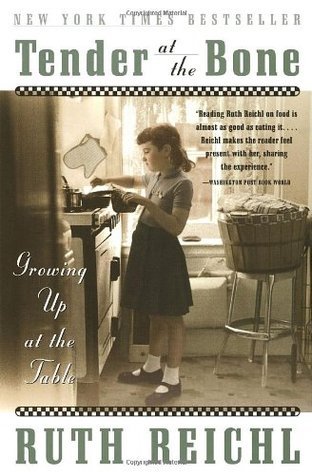
"Tender at the Bone" by Ruth Reichl is a memoir exploring her unconventional upbringing through the lens of food and the colorful characters who shaped her culinary experiences. It's a collection of witty, poignant anecdotes about her family, friends, and the often-bizarre meals that defined her early life and nascent passion for cooking.
This book shares common ground with "Wait Till Next Year" in its nostalgic, deeply personal chronicling of a formative childhood within a specific cultural context. Both authors recount their youth with warmth and humor, detailing how seemingly ordinary domestic spheres—baseball for Goodwin, the dinner table for Reichl—became rich tapestries of memory, identity, and generational influence.
The appeal lies in its charming blend of humor, vivid storytelling, and universal themes of family, belonging, and self-discovery. Its valuable contribution is offering a delightful, insightful perspective on how our early experiences, especially those around food, indelibly shape who we become, resonating with anyone who appreciates memoirs that are both entertaining and reflective.
Tender at the Bone: Growing Up at the Table
"Tender at the Bone" by Ruth Reichl is a memoir exploring her unconventional upbringing through the lens of food and the colorful characters who shaped her culinary experiences. It's a collection of witty, poignant anecdotes about her family, friends, and the often-bizarre meals that defined her early life and nascent passion for cooking.
This book shares common ground with "Wait Till Next Year" in its nostalgic, deeply personal chronicling of a formative childhood within a specific cultural context. Both authors recount their youth with warmth and humor, detailing how seemingly ordinary domestic spheres—baseball for Goodwin, the dinner table for Reichl—became rich tapestries of memory, identity, and generational influence.
The appeal lies in its charming blend of humor, vivid storytelling, and universal themes of family, belonging, and self-discovery. Its valuable contribution is offering a delightful, insightful perspective on how our early experiences, especially those around food, indelibly shape who we become, resonating with anyone who appreciates memoirs that are both entertaining and reflective.
The Last Boy: Mickey Mantle and the End of America's Childhood

"The Last Boy: Mickey Mantle and the End of America's Childhood" delves into the complex life and enduring legacy of baseball legend Mickey Mantle, moving beyond the idolized public persona to explore the man behind the myth. Using extensive interviews and archival research, Leavy paints a nuanced portrait of Mantle's struggles, triumphs, and profound impact on American culture, particularly as the nation grappled with changing ideals in the mid-20th century.
This book shares thematic DNA with "Wait Till Next Year" through its exploration of how baseball, and its iconic figures, served as a crucial prism for understanding American society during specific historical periods. Both works blend personal narrative with broader cultural analysis, showcasing how the sport reflected and shaped national sentiment, offering a poignant look at innocence lost and the complexities of hero worship.
This biography will resonate with those interested in the cultural history of the United States, the psychology of sports heroes, and the bittersweet nature of nostalgia. It offers a deeper understanding of how public figures become intertwined with a nation's identity, providing valuable insights into the evolution of American values and the often-unexamined costs of fame.
The Last Boy: Mickey Mantle and the End of America's Childhood
"The Last Boy: Mickey Mantle and the End of America's Childhood" delves into the complex life and enduring legacy of baseball legend Mickey Mantle, moving beyond the idolized public persona to explore the man behind the myth. Using extensive interviews and archival research, Leavy paints a nuanced portrait of Mantle's struggles, triumphs, and profound impact on American culture, particularly as the nation grappled with changing ideals in the mid-20th century.
This book shares thematic DNA with "Wait Till Next Year" through its exploration of how baseball, and its iconic figures, served as a crucial prism for understanding American society during specific historical periods. Both works blend personal narrative with broader cultural analysis, showcasing how the sport reflected and shaped national sentiment, offering a poignant look at innocence lost and the complexities of hero worship.
This biography will resonate with those interested in the cultural history of the United States, the psychology of sports heroes, and the bittersweet nature of nostalgia. It offers a deeper understanding of how public figures become intertwined with a nation's identity, providing valuable insights into the evolution of American values and the often-unexamined costs of fame.
More Books to Explore
Discover more titles that expand on these ideas and themes.
An Unfinished Love Story: A Personal History of the 1960s
No Ordinary Time: Franklin and Eleanor Roosevelt: The Home Front in World War II
Duty: A Father, His Son, and the Man Who Won the War
An American Childhood
The Teammates: A Portrait of a Friendship
Then Again