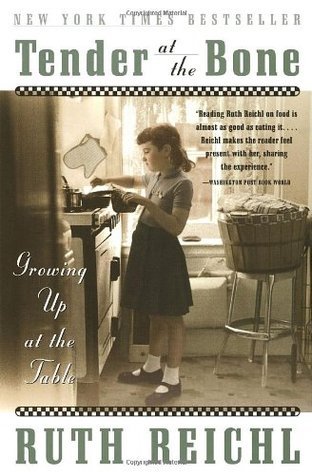
Tender at the Bone: Growing Up at the Table
Book Description
Aching for flavor and wrapped in memories, food can be a powerful storyteller. In "Tender at the Bone," Ruth Reichl invites you to feast on her childhood, where every meal is a dramatic act of love, rebellion, and reckoning. From family dinner tables that spark chaos to clandestine culinary adventures, her journey unfolds like a richly layered dish, brimming with vibrant characters and complex flavors. Witness the moments that shaped a future food critic and discover how taste intertwines with identity and connection. What happens when the most profound lessons are served on a plate?
Quick Book Summary
In "Tender at the Bone: Growing Up at the Table," Ruth Reichl merges memoir and culinary narrative to depict how food shaped her identity from a young age. Growing up in a household marked by culinary disasters and eccentric characters, Reichl learns early that food can be both a source of chaos and comfort. Her mother’s unpredictable cooking compels Reichl to hone her own kitchen skills and develop a keen sense for good food. Through formative experiences with family, friends, and chance encounters, she discovers that food is a language for connection, love, and understanding. Reichl’s journey from a tentative observer at the kitchen table to a passionate food explorer is rich with humor, vulnerability, and sensory memories that highlight how our earliest meals help define who we become.




Summary of Key Ideas
Table of Contents
Food as Memory and Identity
Ruth Reichl’s childhood is marked by an unusual home life centered on her mother’s tempestuous approach to food and entertaining. Her mother, notorious for questionable culinary experiments, inadvertently teaches Ruth that survival in the kitchen requires vigilance and adaptability. From spoiled guests to kitchen mishaps, these early experiences imbue Ruth with a blend of skepticism, curiosity, and an instinct to protect those she loves through food. Food is more than sustenance—it becomes a battleground and a catalyst for personal growth.
Resilience Through Chaos and Humor
Despite her chaotic family environment, Reichl discovers humor and creativity as tools for resilience. She learns to navigate the unpredictable world her mother creates, turning accidents and near-disasters into opportunities to learn and laugh. Food mishaps that might have scarred another child instead become part of Reichl’s evolving story, sharpening her wit and endearing her to the reader as she recounts each catastrophe with affection and wit. This playful self-awareness becomes essential as Ruth carves out her own identity.
The Transformative Power of Mentors
Key mentors and pivotal friendships guide Reichl’s palate and expand her worldview beyond her family’s table. Whether learning the secrets of French cuisine from her friend’s grandmother or being encouraged by a high school teacher to question received wisdom, each influence challenges her assumptions and deepens her love for food. These relationships offer her an alternative education, grounded in the nuances of taste and the rituals of shared meals, reminding readers that food knowledge is often best passed hand-to-hand, heart-to-heart.
Culinary Adventure as Self-Discovery
As she grows, Reichl seeks culinary adventure beyond her household. Whether sneaking into forbidden kitchens, savoring simple home-cooked meals, or experiencing new cultures through their flavors, food becomes a vehicle for self-discovery. Each taste and texture expands her understanding not only of cuisine, but also of herself and her place in the world. Through food, Reichl learns to embrace uncertainty, take risks, and trust her instincts—all skills that later serve her as a renowned food critic.
Connection and Belonging at the Table
Ultimately, food is revealed as a powerful connector—binding people through shared experiences, generational stories, and intimate moments at the table. Reichl’s anecdotes celebrate the fullness of life’s flavors, both bitter and sweet. She shows how meals are never just about eating; they are about creating bonds, bridging gaps, and forging identity. “Tender at the Bone” is a testament to the transformative nature of food, leaving readers hungry not just for new recipes, but for richer connections and a deeper appreciation of life’s complex tastes.
Download This Summary
Get a free PDF of this summary instantly — no email required.