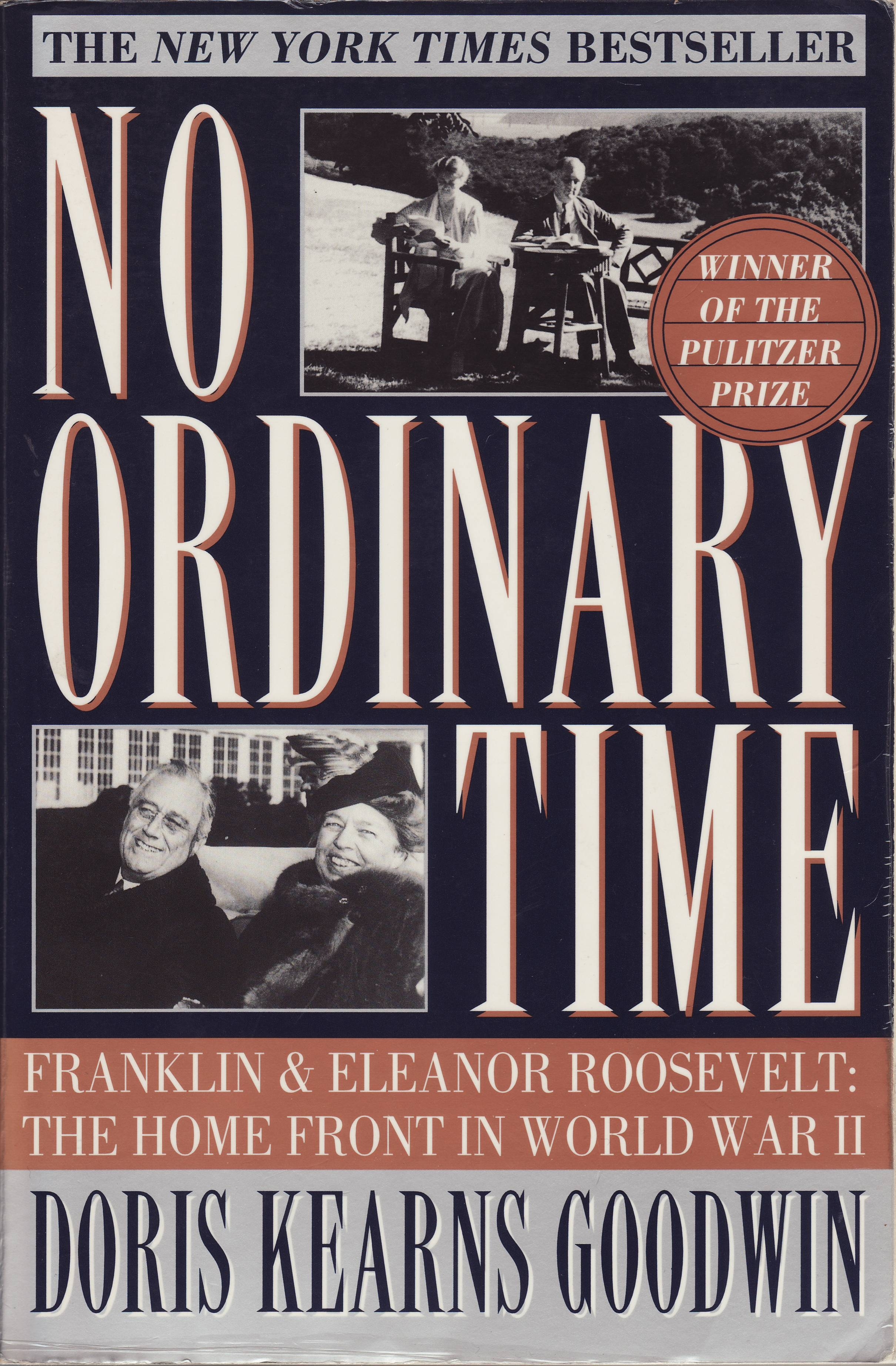
No Ordinary Time: Franklin and Eleanor Roosevelt: The Home Front in World War II
Book Description
Amidst the chaos of World War II, two extraordinary figures rose to confront the darkness: Franklin and Eleanor Roosevelt. As bombs fell in Europe, life on the American home front crackled with tension, resilience, and profound partnership. Loyalty and love are tested, as they navigate political strife, personal sacrifices, and the relentless march of history. From White House strategy sessions to grassroots efforts in factories and gardens, their iconic bond illuminates the spirit of a nation united against tyranny. Can their unwavering strength inspire a fractured world to believe in hope once more?
Quick Book Summary
"No Ordinary Time" by Doris Kearns Goodwin offers an intimate dual biography of Franklin and Eleanor Roosevelt during World War II, focusing on their leadership and the transformative era on the American home front. Goodwin explores how Franklin deftly balanced war strategy and national morale, while Eleanor championed civil rights, social reforms, and the welfare of Americans affected by the war. The partnership between Franklin and Eleanor, at times fraught with personal and philosophical differences, became a driving force in shaping modern America. Through rich anecdotes and detailed research, the book reveals how the Roosevelts influenced not only the outcome of the war but also the evolution of American society, democracy, and global leadership.



Summary of Key Ideas
Table of Contents
The Dynamics of Franklin and Eleanor's Partnership
At the heart of "No Ordinary Time" lies the compelling partnership between Franklin and Eleanor Roosevelt. Goodwin details their contrasting personalities—Franklin's pragmatism and optimism versus Eleanor's idealism and moral rigor. Despite marital challenges and differing priorities, their complex relationship fostered mutual influence, allowing both to shape and be shaped by the tumultuous era. Their alliance, both personal and professional, became instrumental in navigating the nation's response to global conflict and domestic change.
Leadership and Decision-Making During Crisis
As president, Franklin Roosevelt faced unprecedented challenges: leading a fractured nation through economic recovery and global war. Goodwin highlights his strategic thinking, ability to inspire trust, and skill in marshaling political consensus. Decision-making at the White House was fraught with uncertainty, from debates over entering the war to coordinating with global allies. Franklin's leadership style emphasized confidence, accessibility, and a keen sense of timing, all crucial in maintaining public morale and advancing the Allied cause.
The Transformation of American Society During WWII
While Franklin managed the broader political and military strategies, Eleanor was a force for progressive change at home. She tirelessly advocated for marginalized groups, promoted women’s employment in war industries, and challenged segregation in the military and defense plants. Eleanor traveled extensively, serving as the president’s eyes and ears, listening to ordinary Americans’ struggles, and relaying urgent social concerns back to Washington. Her activism expanded the definition of First Lady and advanced social justice agendas even amidst wartime urgencies.
Civil Rights and Social Progress on the Home Front
The war sparked sweeping changes within American society. Goodwin illustrates the transformation of workplaces, with millions of women joining the labor force and the rise of factories producing unprecedented numbers of war supplies. Rationing, victory gardens, and community mobilization became hallmarks of home-front life. These changes accelerated shifts in gender roles, race relations, and economic structures, laying foundations for postwar prosperity and the modern civil rights movement.
The Legacy of the Roosevelt Era
The Roosevelts’ wartime leadership left an enduring legacy. By forging unity across deep divisions and championing an inclusive vision of American democracy, Franklin and Eleanor influenced global postwar policies and set standards for future presidents and first ladies. Their joint efforts preserved national ideals in a time of crisis and created lasting momentum for social progress, echoing in American life and leadership long after the guns of World War II fell silent.
Download This Summary
Get a free PDF of this summary instantly — no email required.