10 Books Similar to "The Ungrateful Refugee"
by Dina Nayeri

The Girl from Aleppo: Nujeen's Escape from War to Freedom
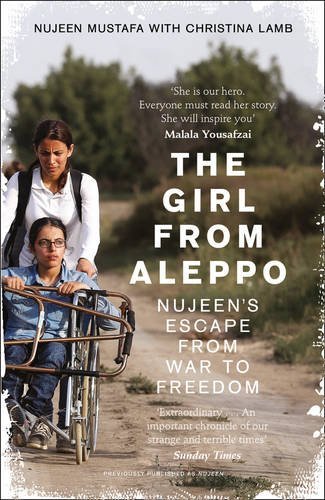
"The Girl from Aleppo: Nujeen's Escape from War to Freedom" recounts the extraordinary journey of Nujeen Mustafa, a Syrian teenager with cerebral palsy, as she flees her war-torn home. Confined to a wheelchair but armed with an indomitable spirit and a fierce intellect shaped by her love of television, Nujeen undertakes a perilous thousand-mile trip with her sister, from Aleppo to Germany, seeking refuge and a new life. Her narrative offers a poignant, firsthand account of the refugee crisis, seen through the eyes of a young woman with unique challenges and unwavering hope.
Both books offer deeply personal, first-person accounts of the perilous journeys undertaken by refugees seeking asylum. They delve into the emotional and physical hardships of displacement, highlight the bureaucratic hurdles faced upon arrival, and challenge preconceived notions about refugees. Crucially, they center voices often marginalized, providing intimate perspectives on resilience and the search for belonging in a new land.
Readers will appreciate the raw honesty and inspiring resilience portrayed in Nujeen's story. It offers an essential humanizing perspective on a complex global issue, fostering empathy and understanding. The narrative’s focus on overcoming significant personal obstacles alongside external crises demonstrates the extraordinary strength of the human spirit, providing a valuable testament to hope and perseverance in the face of adversity.
The Girl from Aleppo: Nujeen's Escape from War to Freedom
"The Girl from Aleppo: Nujeen's Escape from War to Freedom" recounts the extraordinary journey of Nujeen Mustafa, a Syrian teenager with cerebral palsy, as she flees her war-torn home. Confined to a wheelchair but armed with an indomitable spirit and a fierce intellect shaped by her love of television, Nujeen undertakes a perilous thousand-mile trip with her sister, from Aleppo to Germany, seeking refuge and a new life. Her narrative offers a poignant, firsthand account of the refugee crisis, seen through the eyes of a young woman with unique challenges and unwavering hope.
Both books offer deeply personal, first-person accounts of the perilous journeys undertaken by refugees seeking asylum. They delve into the emotional and physical hardships of displacement, highlight the bureaucratic hurdles faced upon arrival, and challenge preconceived notions about refugees. Crucially, they center voices often marginalized, providing intimate perspectives on resilience and the search for belonging in a new land.
Readers will appreciate the raw honesty and inspiring resilience portrayed in Nujeen's story. It offers an essential humanizing perspective on a complex global issue, fostering empathy and understanding. The narrative’s focus on overcoming significant personal obstacles alongside external crises demonstrates the extraordinary strength of the human spirit, providing a valuable testament to hope and perseverance in the face of adversity.
The Daughter of Kurdland: A Life Dedicated to Humankind
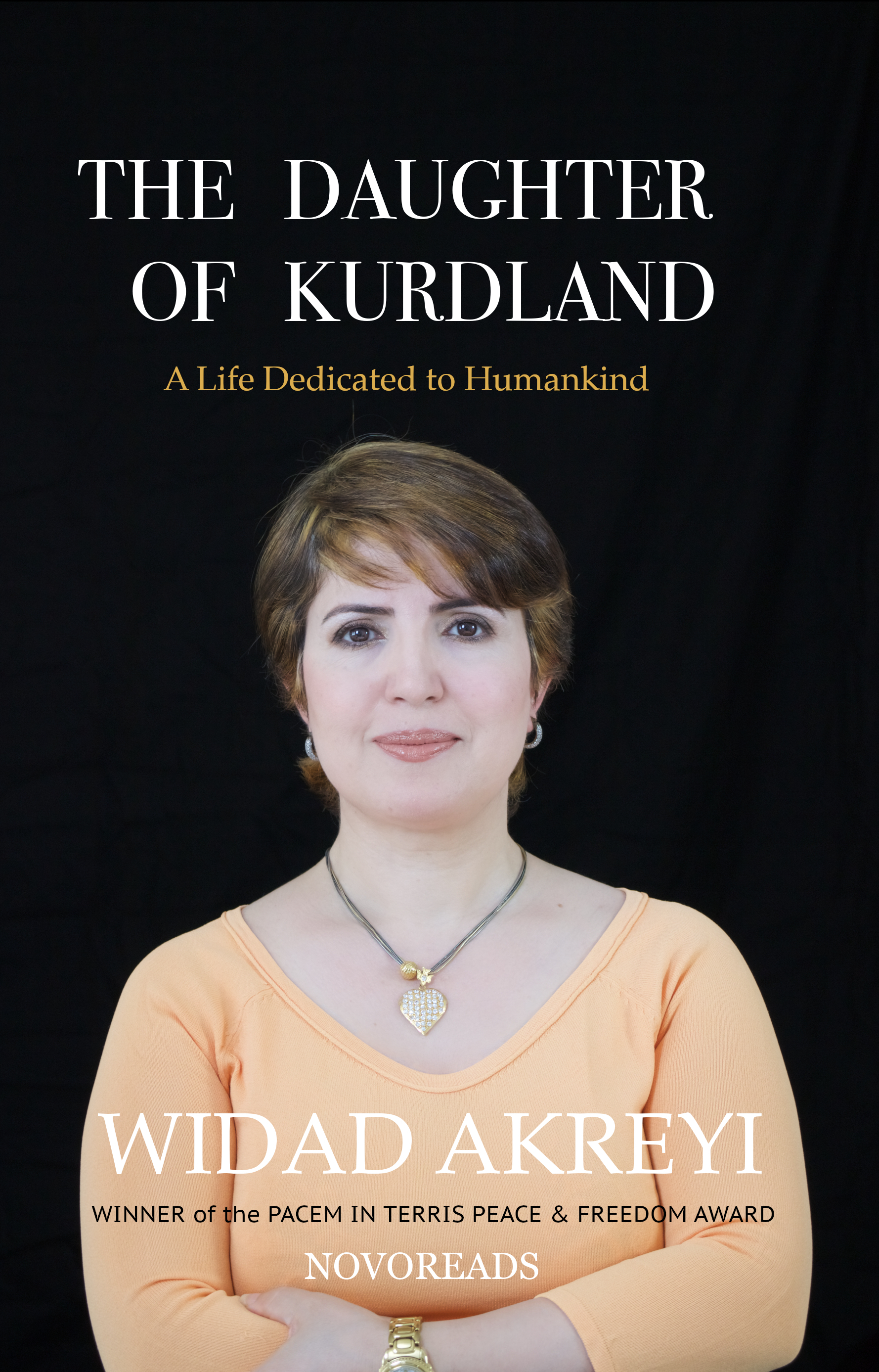
"The Daughter of Kurdland: A Life Dedicated to Humankind" chronicles the extraordinary life of Widad Akreyi, a human rights activist. It details her journey from a childhood marked by displacement and conflict in Kurdistan to becoming a globally recognized advocate for peace and justice. The book explores her resilience, her unwavering commitment to humanitarian causes, and the personal sacrifices she made in her fight against oppression and for the rights of marginalized communities.
This biography aligns with "The Ungrateful Refugee" through its powerful exploration of forced displacement and the human cost of conflict. Both books offer deeply personal accounts of individuals navigating volatile political landscapes, seeking safety, and ultimately striving for recognition and a better future. They share a focus on the refugee experience, whether directly as a refugee or as an advocate for them, highlighting the dignity and strength found amidst adversity.
This book will appeal to those interested in human rights, international relations, and the enduring power of the human spirit. It offers a profound insight into the challenges faced by displaced populations and the tireless efforts of those dedicated to making a difference. The narrative provides valuable context for understanding contemporary geopolitical issues and inspires reflection on personal responsibility in promoting justice.
The Daughter of Kurdland: A Life Dedicated to Humankind
"The Daughter of Kurdland: A Life Dedicated to Humankind" chronicles the extraordinary life of Widad Akreyi, a human rights activist. It details her journey from a childhood marked by displacement and conflict in Kurdistan to becoming a globally recognized advocate for peace and justice. The book explores her resilience, her unwavering commitment to humanitarian causes, and the personal sacrifices she made in her fight against oppression and for the rights of marginalized communities.
This biography aligns with "The Ungrateful Refugee" through its powerful exploration of forced displacement and the human cost of conflict. Both books offer deeply personal accounts of individuals navigating volatile political landscapes, seeking safety, and ultimately striving for recognition and a better future. They share a focus on the refugee experience, whether directly as a refugee or as an advocate for them, highlighting the dignity and strength found amidst adversity.
This book will appeal to those interested in human rights, international relations, and the enduring power of the human spirit. It offers a profound insight into the challenges faced by displaced populations and the tireless efforts of those dedicated to making a difference. The narrative provides valuable context for understanding contemporary geopolitical issues and inspires reflection on personal responsibility in promoting justice.
In Search of Fatima: A Palestinian Story

Ghada Karmi's "In Search of Fatima: A Palestinian Story" is a poignant memoir detailing her family’s expulsion from Jerusalem in 1948 and their subsequent life as refugees in London. It meticulously chronicles the profound sense of displacement and cultural loss, juxtaposed with the challenges of assimilation into British society. Karmi explores the yearning for a homeland lost and the complex identity struggles of a second-generation refugee grappling with her heritage and the political realities of her birthright.
The book resonates with "The Ungrateful Refugee" through its shared exploration of the refugee experience, particularly the psychological and emotional impacts of forced migration and the often-fraught process of cultural adaptation. Both narratives dissect the complexities of identity formation for those displaced from their homes, examining how memory, language, and cultural ties shape individual and collective understanding in a new environment. They also challenge prevalent Western perceptions of refugees, offering nuanced perspectives on resilience and belonging.
This memoir offers a powerful and deeply personal insight into the lasting consequences of political conflict on ordinary lives. Its candid introspection into the meaning of home, the pain of exile, and the persistent desire for justice provides a crucial human perspective on a historical crisis. The lyrical prose and thoughtful analysis of identity and cultural preservation make it a compelling and educational read for anyone seeking to understand the ongoing ripple effects of unresolved geopolitical issues.
In Search of Fatima: A Palestinian Story
Ghada Karmi's "In Search of Fatima: A Palestinian Story" is a poignant memoir detailing her family’s expulsion from Jerusalem in 1948 and their subsequent life as refugees in London. It meticulously chronicles the profound sense of displacement and cultural loss, juxtaposed with the challenges of assimilation into British society. Karmi explores the yearning for a homeland lost and the complex identity struggles of a second-generation refugee grappling with her heritage and the political realities of her birthright.
The book resonates with "The Ungrateful Refugee" through its shared exploration of the refugee experience, particularly the psychological and emotional impacts of forced migration and the often-fraught process of cultural adaptation. Both narratives dissect the complexities of identity formation for those displaced from their homes, examining how memory, language, and cultural ties shape individual and collective understanding in a new environment. They also challenge prevalent Western perceptions of refugees, offering nuanced perspectives on resilience and belonging.
This memoir offers a powerful and deeply personal insight into the lasting consequences of political conflict on ordinary lives. Its candid introspection into the meaning of home, the pain of exile, and the persistent desire for justice provides a crucial human perspective on a historical crisis. The lyrical prose and thoughtful analysis of identity and cultural preservation make it a compelling and educational read for anyone seeking to understand the ongoing ripple effects of unresolved geopolitical issues.
Persian Girls
"Persian Girls" is a poignant memoir detailing Nahid Rachlin's journey from a sheltered childhood in a traditional Iranian household to an independent life in America. It explores her complicated relationship with her family, particularly her sister, and the challenges of cultural assimilation, personal liberation, and the lingering threads of her past that shape her identity.
This memoir shares thematic resonance with "The Ungrateful Refugee" through its exploration of displacement, cultural identity, and the enduring impact of one's homeland. Both authors navigate the complexities of being an outsider, and how their Iranian heritage informs their perspectives and experiences in a new society, challenging assumptions about belonging and self-definition.
This work offers a deeply personal insight into the immigrant experience, particularly for women from traditional backgrounds, and the universal search for autonomy and understanding across cultural divides. Its candid introspection and evocative prose provide a valuable window into resilience, the intricate dynamics of family, and the power of forging one's own path.
Persian Girls
"Persian Girls" is a poignant memoir detailing Nahid Rachlin's journey from a sheltered childhood in a traditional Iranian household to an independent life in America. It explores her complicated relationship with her family, particularly her sister, and the challenges of cultural assimilation, personal liberation, and the lingering threads of her past that shape her identity.
This memoir shares thematic resonance with "The Ungrateful Refugee" through its exploration of displacement, cultural identity, and the enduring impact of one's homeland. Both authors navigate the complexities of being an outsider, and how their Iranian heritage informs their perspectives and experiences in a new society, challenging assumptions about belonging and self-definition.
This work offers a deeply personal insight into the immigrant experience, particularly for women from traditional backgrounds, and the universal search for autonomy and understanding across cultural divides. Its candid introspection and evocative prose provide a valuable window into resilience, the intricate dynamics of family, and the power of forging one's own path.
A Map Is Only One Story: Twenty Writers on Immigration, Family, and the Meaning of Home
"A Map Is Only One Story" is an anthology of essays from twenty diverse writers, each exploring the multifaceted experience of immigration. The collection delves into the complexities of identity, the search for belonging, the nuances of cultural assimilation, and the enduring significance of family bonds, all through deeply personal narratives that illuminate the broader human condition of displacement and integration.
This collection shares thematic resonance with "The Ungrateful Refugee" through its focus on the lived realities of immigrants. Both works offer intimate, first-person accounts that challenge preconceived notions of migration, spotlighting the emotional, psychological, and practical hurdles faced by individuals navigating new lands. They both emphasize the often-unseen struggles and triumphs inherent in building a new life while retaining connections to one's origins.
This book will appeal to those who value nuanced storytelling and authentic human experiences. It offers a vital opportunity to gain empathetic understanding of immigrant journeys beyond headlines, fostering a richer perspective on global migration and humanitarian issues. Its diverse voices and candid reflections provide profound insights into identity and home in an increasingly interconnected world.
A Map Is Only One Story: Twenty Writers on Immigration, Family, and the Meaning of Home
"A Map Is Only One Story" is an anthology of essays from twenty diverse writers, each exploring the multifaceted experience of immigration. The collection delves into the complexities of identity, the search for belonging, the nuances of cultural assimilation, and the enduring significance of family bonds, all through deeply personal narratives that illuminate the broader human condition of displacement and integration.
This collection shares thematic resonance with "The Ungrateful Refugee" through its focus on the lived realities of immigrants. Both works offer intimate, first-person accounts that challenge preconceived notions of migration, spotlighting the emotional, psychological, and practical hurdles faced by individuals navigating new lands. They both emphasize the often-unseen struggles and triumphs inherent in building a new life while retaining connections to one's origins.
This book will appeal to those who value nuanced storytelling and authentic human experiences. It offers a vital opportunity to gain empathetic understanding of immigrant journeys beyond headlines, fostering a richer perspective on global migration and humanitarian issues. Its diverse voices and candid reflections provide profound insights into identity and home in an increasingly interconnected world.
The Storyteller's Daughter: One Woman's Return to Her Lost Homeland

Saira Shah's "The Storyteller's Daughter" chronicles her journey from a Western upbringing back to her ancestral home in Afghanistan. Driven by a childhood fascination with her father’s tales of the country, Shah ventures into a land under Taliban rule, seeking to reconcile her imagined homeland with its complex, often harsh, reality. It’s a powerful exploration of identity, heritage, and the search for belonging in a world vastly different from her own.
Both "The Storyteller's Daughter" and "The Ungrateful Refugee" delve deeply into the psychological and emotional landscapes of individuals grappling with displacement and the definition of 'home.' While Nayeri examines the refugee experience and the often-unjust expectations placed upon displaced persons, Shah explores the voluntary return to a 'lost' homeland, yet both authors navigate themes of cultural identity, the power of narrative, and the profound impact of political realities on personal lives, always questioning the narratives others impose upon them.
This book offers a unique perspective on the complexities of returning to a land shaped by conflict and tradition, seen through the eyes of someone straddling two worlds. It provides valuable insights into the Afghan culture, female resilience, and the universal human desire to connect with one's roots. It's a compelling narrative that illuminates the intricate dance between personal history and geopolitical forces.
The Storyteller's Daughter: One Woman's Return to Her Lost Homeland
Saira Shah's "The Storyteller's Daughter" chronicles her journey from a Western upbringing back to her ancestral home in Afghanistan. Driven by a childhood fascination with her father’s tales of the country, Shah ventures into a land under Taliban rule, seeking to reconcile her imagined homeland with its complex, often harsh, reality. It’s a powerful exploration of identity, heritage, and the search for belonging in a world vastly different from her own.
Both "The Storyteller's Daughter" and "The Ungrateful Refugee" delve deeply into the psychological and emotional landscapes of individuals grappling with displacement and the definition of 'home.' While Nayeri examines the refugee experience and the often-unjust expectations placed upon displaced persons, Shah explores the voluntary return to a 'lost' homeland, yet both authors navigate themes of cultural identity, the power of narrative, and the profound impact of political realities on personal lives, always questioning the narratives others impose upon them.
This book offers a unique perspective on the complexities of returning to a land shaped by conflict and tradition, seen through the eyes of someone straddling two worlds. It provides valuable insights into the Afghan culture, female resilience, and the universal human desire to connect with one's roots. It's a compelling narrative that illuminates the intricate dance between personal history and geopolitical forces.
Beautiful Country

"Beautiful Country" is a powerful memoir chronicling Qian Julie Wang's childhood as an undocumented immigrant in 1990s New York City. It vividly portrays the daily struggles of poverty, fear of deportation, and the invisible lives led by families surviving in the shadows, all through the eyes of a young girl grappling with her identity and the meaning of home.
The thematic resonance with "The Ungrateful Refugee" is striking. Both books offer deeply personal, unflinching perspectives on the immigrant experience – not as a political concept, but as a lived reality. They peel back the layers of romanticized notions of immigration to reveal the pervasive anxiety, cultural dislocation, and the constant battle for dignity and belonging, often against systemic indifference or hostility.
This memoir offers a profoundly empathetic lens into the human cost of immigration policies and societal prejudices. Its honest portrayal of resilience, vulnerability, and the enduring hope for a better life provides significant insights into universal struggles for acceptance and self-worth, making it an invaluable read for understanding contemporary global narratives of displacement.
Beautiful Country
"Beautiful Country" is a powerful memoir chronicling Qian Julie Wang's childhood as an undocumented immigrant in 1990s New York City. It vividly portrays the daily struggles of poverty, fear of deportation, and the invisible lives led by families surviving in the shadows, all through the eyes of a young girl grappling with her identity and the meaning of home.
The thematic resonance with "The Ungrateful Refugee" is striking. Both books offer deeply personal, unflinching perspectives on the immigrant experience – not as a political concept, but as a lived reality. They peel back the layers of romanticized notions of immigration to reveal the pervasive anxiety, cultural dislocation, and the constant battle for dignity and belonging, often against systemic indifference or hostility.
This memoir offers a profoundly empathetic lens into the human cost of immigration policies and societal prejudices. Its honest portrayal of resilience, vulnerability, and the enduring hope for a better life provides significant insights into universal struggles for acceptance and self-worth, making it an invaluable read for understanding contemporary global narratives of displacement.
In the Sea There are Crocodiles: Based on the True Story of Enaiatollah Akbari
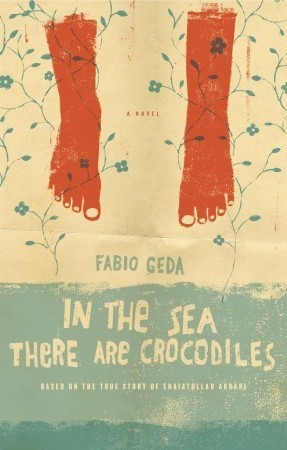
"In the Sea There are Crocodiles" recounts the extraordinary journey of Enaiatollah Akbari, an Afghan boy whose mother leaves him in Pakistan for his safety at the age of ten, fearing the Taliban. He then embarks on a perilous five-year trek across multiple countries, including Iran, Turkey, and Greece, enduring immense hardship, exploitation, and separation from his family, all in a desperate bid to reach Europe and find a place of refuge and a future.
This narrative echoes "The Ungrateful Refugee" through its unflinching portrayal of the refugee experience from the perspective of a child forced to navigate a hostile world. Both books emphasize the sheer resilience required for survival, the complex emotional landscape of displacement, and the often-dehumanizing processes refugees endure while seeking safety and a new beginning. They highlight the personal cost of political instability and the universal human desire for security and belonging.
This account offers a profound insight into the human spirit's capacity for endurance and hope in the face of insurmountable odds. It provides a vital, firsthand understanding of the refugee journey, fostering empathy and challenging prevailing narratives by presenting a deeply personal and authentic experience. Its value lies in its ability to illuminate the often-invisible struggles of those displaced, making their realities tangible and compelling.
In the Sea There are Crocodiles: Based on the True Story of Enaiatollah Akbari
"In the Sea There are Crocodiles" recounts the extraordinary journey of Enaiatollah Akbari, an Afghan boy whose mother leaves him in Pakistan for his safety at the age of ten, fearing the Taliban. He then embarks on a perilous five-year trek across multiple countries, including Iran, Turkey, and Greece, enduring immense hardship, exploitation, and separation from his family, all in a desperate bid to reach Europe and find a place of refuge and a future.
This narrative echoes "The Ungrateful Refugee" through its unflinching portrayal of the refugee experience from the perspective of a child forced to navigate a hostile world. Both books emphasize the sheer resilience required for survival, the complex emotional landscape of displacement, and the often-dehumanizing processes refugees endure while seeking safety and a new beginning. They highlight the personal cost of political instability and the universal human desire for security and belonging.
This account offers a profound insight into the human spirit's capacity for endurance and hope in the face of insurmountable odds. It provides a vital, firsthand understanding of the refugee journey, fostering empathy and challenging prevailing narratives by presenting a deeply personal and authentic experience. Its value lies in its ability to illuminate the often-invisible struggles of those displaced, making their realities tangible and compelling.
Barefoot in Baghdad: A Story of Identity—My Own and What It Means to Be a Woman in Chaos
"Barefoot in Baghdad" offers Manal M. Omar's deeply personal account of navigating her Iraqi-American identity, specifically during her work in post-invasion Iraq. It explores the complexities of cultural belonging, the challenges faced by women in conflict zones, and the often-conflicting expectations placed upon individuals caught between worlds. Omar delves into the societal upheaval and personal struggles of maintaining a sense of self amidst widespread chaos.
Both "Barefoot in Baghdad" and "The Ungrateful Refugee" share a powerful core: the exploration of identity in the crucible of displacement and cultural intersection. While Nayeri examines the refugee experience and the often-unspoken demands of assimilation, Omar focuses on the internal and external negotiations of being an Iraqi-American woman working to rebuild a war-torn homeland. Both authors offer nuanced perspectives on belonging, resilience, and the universal search for selfhood.
This book will resonate with individuals drawn to memoirs of resilience and cross-cultural understanding. It provides a vital, first-hand perspective on the human element of international conflict and the unique struggles faced by women in such environments. Its exploration of identity amidst profound instability offers significant insight into the psychological and emotional impact of political turmoil, making it a valuable read for those seeking a deeper appreciation of global human experiences.
Barefoot in Baghdad: A Story of Identity—My Own and What It Means to Be a Woman in Chaos
"Barefoot in Baghdad" offers Manal M. Omar's deeply personal account of navigating her Iraqi-American identity, specifically during her work in post-invasion Iraq. It explores the complexities of cultural belonging, the challenges faced by women in conflict zones, and the often-conflicting expectations placed upon individuals caught between worlds. Omar delves into the societal upheaval and personal struggles of maintaining a sense of self amidst widespread chaos.
Both "Barefoot in Baghdad" and "The Ungrateful Refugee" share a powerful core: the exploration of identity in the crucible of displacement and cultural intersection. While Nayeri examines the refugee experience and the often-unspoken demands of assimilation, Omar focuses on the internal and external negotiations of being an Iraqi-American woman working to rebuild a war-torn homeland. Both authors offer nuanced perspectives on belonging, resilience, and the universal search for selfhood.
This book will resonate with individuals drawn to memoirs of resilience and cross-cultural understanding. It provides a vital, first-hand perspective on the human element of international conflict and the unique struggles faced by women in such environments. Its exploration of identity amidst profound instability offers significant insight into the psychological and emotional impact of political turmoil, making it a valuable read for those seeking a deeper appreciation of global human experiences.
The Lightless Sky: My Journey to Safety as a Child Refugee
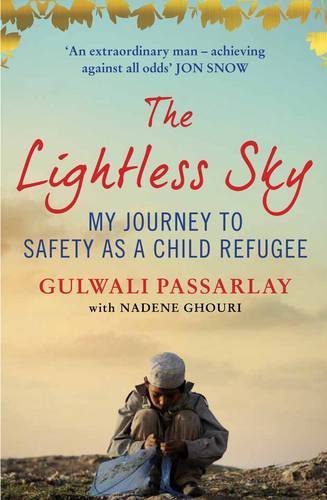
"The Lightless Sky" chronicles Gulwali Passarlay's harrowing odyssey as an orphaned twelve-year-old fleeing Afghanistan for freedom in the West. It meticulously details his year-long, clandestine journey across multiple countries, enduring countless dangers, exploitation, and profound psychological trauma, all while clinging to the hope of a better life.
This book resonates strongly with "The Ungrateful Refugee" through its unflinching, first-person narrative of displacement and the inherent vulnerabilities faced by those seeking refuge. Both works dismantle simplistic notions of refugee experiences, delving into the bureaucratic hurdles, the individual sacrifices, and the enduring human spirit in the face of unimaginable adversity.
The book offers a vital, intimate perspective on the refugee crisis, humanizing statistics and fostering a deeper understanding of the motivations and plights of those displaced. Its testament to resilience, coupled with its stark portrayal of systemic failures and human kindness, provides invaluable insights into one of the defining humanitarian challenges of our time.
The Lightless Sky: My Journey to Safety as a Child Refugee
"The Lightless Sky" chronicles Gulwali Passarlay's harrowing odyssey as an orphaned twelve-year-old fleeing Afghanistan for freedom in the West. It meticulously details his year-long, clandestine journey across multiple countries, enduring countless dangers, exploitation, and profound psychological trauma, all while clinging to the hope of a better life.
This book resonates strongly with "The Ungrateful Refugee" through its unflinching, first-person narrative of displacement and the inherent vulnerabilities faced by those seeking refuge. Both works dismantle simplistic notions of refugee experiences, delving into the bureaucratic hurdles, the individual sacrifices, and the enduring human spirit in the face of unimaginable adversity.
The book offers a vital, intimate perspective on the refugee crisis, humanizing statistics and fostering a deeper understanding of the motivations and plights of those displaced. Its testament to resilience, coupled with its stark portrayal of systemic failures and human kindness, provides invaluable insights into one of the defining humanitarian challenges of our time.
More Books to Explore
Discover more titles that expand on these ideas and themes.
The Girl from Aleppo: Nujeen's Escape from War to Freedom
The Daughter of Kurdland: A Life Dedicated to Humankind
In Search of Fatima: A Palestinian Story
Persian Girls
A Map Is Only One Story: Twenty Writers on Immigration, Family, and the Meaning of Home
The Storyteller's Daughter: One Woman's Return to Her Lost Homeland