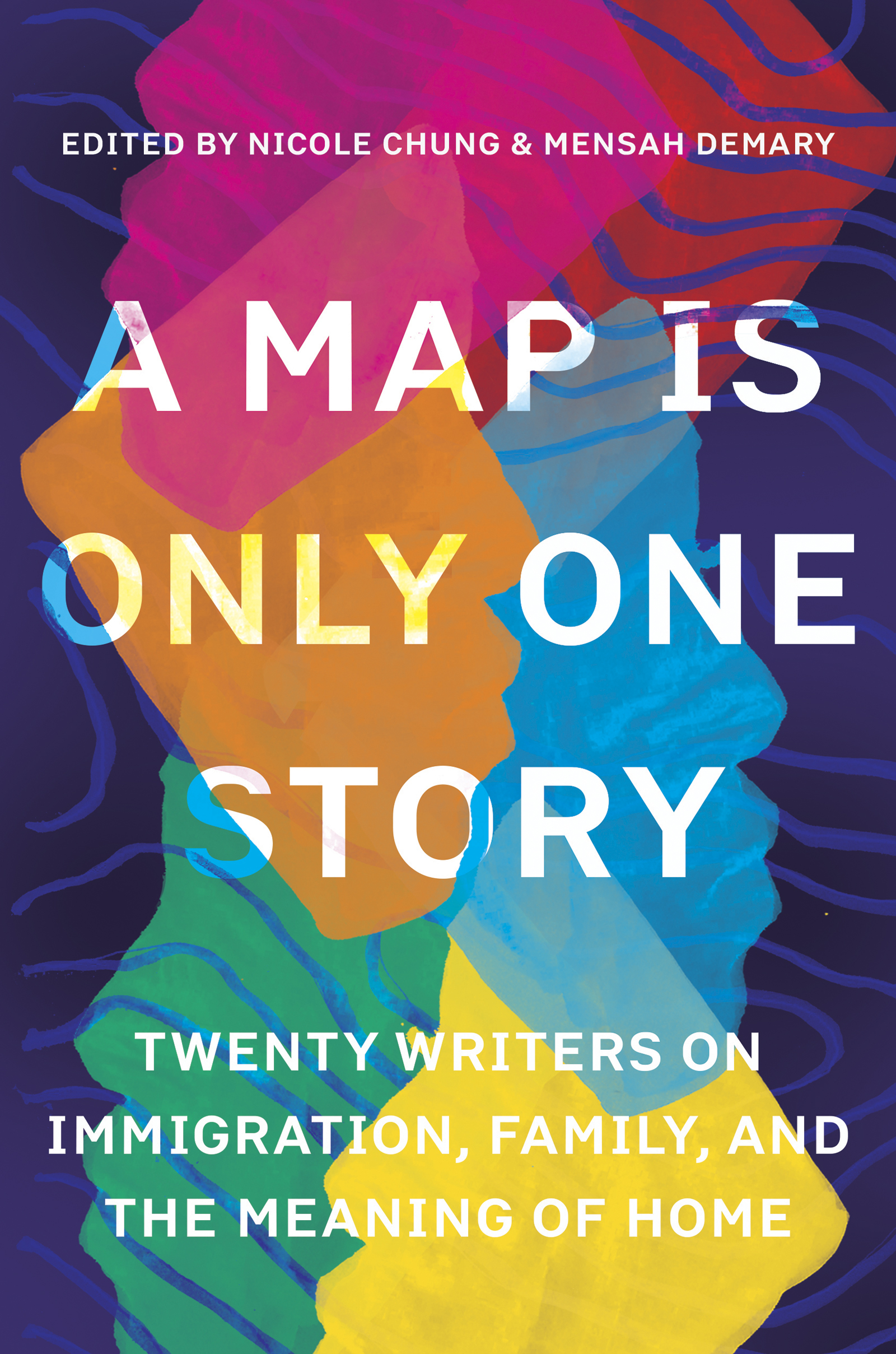
A Map Is Only One Story: Twenty Writers on Immigration, Family, and the Meaning of Home
Book Description
Home is not just a place; it’s a journey woven through the hearts of families, each tale echoing the struggles and triumphs of immigration. In "A Map Is Only One Story," twenty diverse voices collide, revealing the intricate tapestry of belonging, identity, and the longing for acceptance. Each essay illuminates the profound connections that bind us across cultures, challenging the very definition of home in an ever-changing world. These stories pulsate with raw emotion and unyielding hope, leaving readers questioning: What sacrifices are made, and what dreams are born in the quest for belonging?
Quick Book Summary
"A Map Is Only One Story" is a powerful anthology featuring twenty writers exploring the nuanced realities of immigration, family, and belonging. Edited by Nicole Chung and Mensah Demary, this collection fuses memoir, essay, and personal storytelling to investigate how people from diverse backgrounds shape their sense of home. The contributors, coming from various regions and experiences, highlight the emotional complexities of assimilation, loss, identity, and heritage. Through intimate accounts, readers gain insight into the sacrifices often required in the pursuit of a better life, and the persistent hope that guides families across borders. The anthology weaves a multi-dimensional narrative that honors both the pains and joys of forging new roots, ultimately challenging and expanding conventional notions of what it means to belong.



Summary of Key Ideas
Table of Contents
Redefining the Concept of Home
Through a rich array of essays, "A Map Is Only One Story" invites readers to reconsider what constitutes home. The anthology demonstrates that home is not always a specific place, but often an evolving state of being, shaped by heritage, memory, and dreams. Contributors share the circumstances leading to their migrations and the subsequent reimagining of belonging. Their narratives unveil not just physical, but emotional and psychological journeys, showing how home can be both lost and recreated.
The Emotional Cost of Immigration
The emotional dimensions of immigration are deeply explored throughout the book. Writers recount feelings of alienation, nostalgia, and longing as they navigate unfamiliar worlds. The essays do not shy away from the grief and uncertainty embedded in displacement—whether it’s the pain of leaving relatives behind or the burden of carrying family histories. At the same time, the collection reveals the deep love, hope, and courage that propel families to endure hardship for the promise of a brighter future.
Family Ties Across Borders
Family emerges as a central pillar in each writer's narrative. The contributors examine evolving relationships with parents, grandparents, and even distant loved ones, often communicating across cultural gaps and oceans. The essays chronicle how familial bonds remain both a source of comfort and an anchor, offering strength and continuity even as traditional structures are tested or reconfigured by migration.
Identity, Belonging, and Cultural Hybridity
Several essays focus on forging identity at the intersection of multiple cultures. The writers grapple with belonging in societies where hyphenated identities can evoke both pride and marginalization. These pieces explore how self-definition is a fluid process, shaped by personal experiences and broader societal acceptance. The act of translating language, customs, and values between worlds becomes both challenge and enrichment, highlighting the tensions and rewards of cultural hybridity.
Resilience and Hope in the Immigrant Journey
Despite their varied backgrounds, the writers collectively express a tenacious resilience. Hope shines through stories of reinvention and adaptation, even in the face of uncertainty. The collection asserts that immigrant stories are not just about loss, but also about the creation of new traditions and communities. This steadfast optimism and resolve highlight the universal human desire for belonging, illuminating the profound strength required to navigate shifting identities, survive adversity, and build a sense of home.
Download This Summary
Get a free PDF of this summary instantly — no email required.