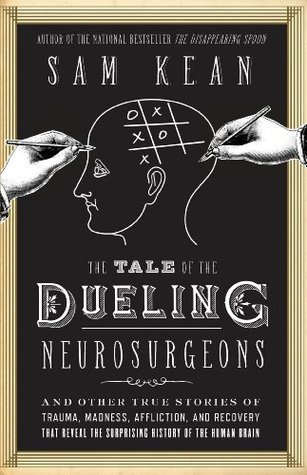
10 Books Similar to "The Tale of the Dueling Neurosurgeons: The History of the Human Brain as Revealed by True Stories of Trauma, Madness, and Recovery"
by Sam Kean
The Brain that Changes Itself: Stories of Personal Triumph from the Frontiers of Brain Science

"The Brain That Changes Itself" explores the revolutionary concept of neuroplasticity – the brain's ability to reorganize itself by forming new neural connections throughout life. Through compelling case studies of individuals overcoming debilitating conditions like blindness, stroke, and learning disorders, Doidge illustrates how directed mental and physical activity can literally rewire the brain, offering fresh hope for recovery and enhanced function. It's a groundbreaking look at the brain not as a static machine, but as a dynamic, adaptable organ.
This book shares a core appeal with "The Tale of the Dueling Neurosurgeons" by using real-life stories to illuminate complex neurological phenomena. Both authors skillfully blend scientific explanation with human narrative, making intricate brain science accessible and engaging. While Kean often focuses on the dramatic insights derived from brain trauma, Doidge zeroes in on the remarkable capacity for recovery and adaptation, showcasing the brain's resilience in the face of adversity, much like Kean reveals its vulnerabilities and intricacies through historical cases.
Its intrinsic value lies in demystifying neuroscience and offering a profoundly optimistic perspective on human potential. The firsthand accounts of individuals transforming their lives provide not just fascinating medical insights but also powerful narratives of perseverance and the human spirit's capacity for healing. It encourages a deeper understanding of brain function and the therapeutic possibilities emerging from this burgeoning field.
The Brain that Changes Itself: Stories of Personal Triumph from the Frontiers of Brain Science
"The Brain That Changes Itself" explores the revolutionary concept of neuroplasticity – the brain's ability to reorganize itself by forming new neural connections throughout life. Through compelling case studies of individuals overcoming debilitating conditions like blindness, stroke, and learning disorders, Doidge illustrates how directed mental and physical activity can literally rewire the brain, offering fresh hope for recovery and enhanced function. It's a groundbreaking look at the brain not as a static machine, but as a dynamic, adaptable organ.
This book shares a core appeal with "The Tale of the Dueling Neurosurgeons" by using real-life stories to illuminate complex neurological phenomena. Both authors skillfully blend scientific explanation with human narrative, making intricate brain science accessible and engaging. While Kean often focuses on the dramatic insights derived from brain trauma, Doidge zeroes in on the remarkable capacity for recovery and adaptation, showcasing the brain's resilience in the face of adversity, much like Kean reveals its vulnerabilities and intricacies through historical cases.
Its intrinsic value lies in demystifying neuroscience and offering a profoundly optimistic perspective on human potential. The firsthand accounts of individuals transforming their lives provide not just fascinating medical insights but also powerful narratives of perseverance and the human spirit's capacity for healing. It encourages a deeper understanding of brain function and the therapeutic possibilities emerging from this burgeoning field.
Phantoms in the Brain: Probing the Mysteries of the Human Mind

"Phantoms in the Brain" dives into the extraordinary capabilities and perplexing malfunctions of the human brain, primarily through the lens of neurological disorders. Dr. Ramachandran, a renowned neuroscientist, explores conditions like phantom limb syndrome, synesthesia, and Capgras delusion, using these bizarre cases to illuminate fundamental aspects of how we perceive the world, recognize ourselves, and construct reality. He blends scientific rigor with accessible storytelling, offering insights into the brain's plasticity and its intrinsic drive to create coherent narratives.
This book shares a core methodology with "The Tale of the Dueling Neurosurgeons" by using compelling, real-life patient case studies to unravel complex neurological concepts. Both authors leverage the dramatic impact of brain trauma, illness, or unusual conditions not merely as medical curiosities, but as crucial experiments of nature that reveal how the brain is structured and how it processes information. The historical and personal narratives serve to ground abstract scientific principles in human experience.
"Phantoms in the Brain" will appeal to anyone fascinated by the intricate workings of the mind and the perplexing ways it can go awry. It offers profound insights into consciousness, identity, and perception, challenging conventional understandings of what it means to be human. The book provides a valuable and accessible bridge between clinical neuroscience and a broader audience interested in the mysteries of the brain, demonstrating how studying its failures often yields the greatest understanding of its successes.
Phantoms in the Brain: Probing the Mysteries of the Human Mind
"Phantoms in the Brain" dives into the extraordinary capabilities and perplexing malfunctions of the human brain, primarily through the lens of neurological disorders. Dr. Ramachandran, a renowned neuroscientist, explores conditions like phantom limb syndrome, synesthesia, and Capgras delusion, using these bizarre cases to illuminate fundamental aspects of how we perceive the world, recognize ourselves, and construct reality. He blends scientific rigor with accessible storytelling, offering insights into the brain's plasticity and its intrinsic drive to create coherent narratives.
This book shares a core methodology with "The Tale of the Dueling Neurosurgeons" by using compelling, real-life patient case studies to unravel complex neurological concepts. Both authors leverage the dramatic impact of brain trauma, illness, or unusual conditions not merely as medical curiosities, but as crucial experiments of nature that reveal how the brain is structured and how it processes information. The historical and personal narratives serve to ground abstract scientific principles in human experience.
"Phantoms in the Brain" will appeal to anyone fascinated by the intricate workings of the mind and the perplexing ways it can go awry. It offers profound insights into consciousness, identity, and perception, challenging conventional understandings of what it means to be human. The book provides a valuable and accessible bridge between clinical neuroscience and a broader audience interested in the mysteries of the brain, demonstrating how studying its failures often yields the greatest understanding of its successes.
Incognito: The Secret Lives of the Brain
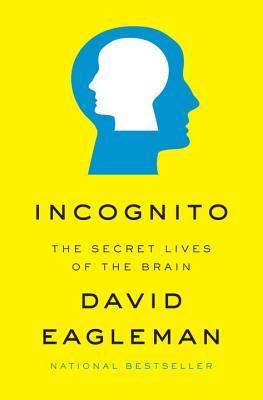
David Eagleman's "Incognito" delves into the astonishing reality that much of our mental life—our choices, perceptions, and even our sense of self—operates outside of our conscious awareness. It explores the intricate machinery of the brain, revealing how unconscious processes dictate vast swaths of our behavior, from the simplest sensory inputs to complex decision-making, and challenges our conventional understanding of free will and personal responsibility.
"Incognito" shares a core thematic resonance with "The Tale of the Dueling Neurosurgeons" in its approach to demystifying the brain through compelling narratives. Both books use real-world examples, unusual cases, and historical anecdotes to illuminate complex neuroscience concepts. While Kean focuses on historical trauma and recovery, Eagleman similarly employs fascinating vignettes and thought experiments to illustrate the brain's hidden operations and their profound impact on human experience.
This book captivates by offering a profound shift in perspective on what it means to be human. It encourages introspection and provides a deeper understanding of our own motivations and automatic responses. Its accessible explanations of cutting-edge neuroscience make complex ideas understandable, empowering individuals with a more nuanced appreciation for the brain's invisible power and its pervasive influence on our daily lives.
Incognito: The Secret Lives of the Brain
David Eagleman's "Incognito" delves into the astonishing reality that much of our mental life—our choices, perceptions, and even our sense of self—operates outside of our conscious awareness. It explores the intricate machinery of the brain, revealing how unconscious processes dictate vast swaths of our behavior, from the simplest sensory inputs to complex decision-making, and challenges our conventional understanding of free will and personal responsibility.
"Incognito" shares a core thematic resonance with "The Tale of the Dueling Neurosurgeons" in its approach to demystifying the brain through compelling narratives. Both books use real-world examples, unusual cases, and historical anecdotes to illuminate complex neuroscience concepts. While Kean focuses on historical trauma and recovery, Eagleman similarly employs fascinating vignettes and thought experiments to illustrate the brain's hidden operations and their profound impact on human experience.
This book captivates by offering a profound shift in perspective on what it means to be human. It encourages introspection and provides a deeper understanding of our own motivations and automatic responses. Its accessible explanations of cutting-edge neuroscience make complex ideas understandable, empowering individuals with a more nuanced appreciation for the brain's invisible power and its pervasive influence on our daily lives.
The Future of the Mind: The Scientific Quest to Understand, Enhance, and Empower the Mind

Michio Kaku's "The Future of the Mind" explores the cutting-edge of neuroscience and physics to project how our understanding of the brain will revolutionize humanity. He delves into topics like telepathy, telekinesis, artificial intelligence, and consciousness transfer, examining both the scientific breakthroughs making these concepts plausible and the ethical implications that accompany them. Kaku presents complex scientific ideas with clarity, making the extraordinary future of the mind accessible to a general audience.
Both books share a fascination with the human brain's capabilities and mysteries. While Kean’s "Dueling Neurosurgeons" recounts historical case studies of brain injury and recovery to illuminate its functions, Kaku’s work projects forward, using current scientific progress to imagine future enhancements and possibilities. They both unpack the complexities of the brain for a broad reader base, albeit through different chronological lenses.
This book will appeal to those captivated by the brain's enormous potential and the rapid advancements in neuroscience and technology. It offers an intellectually stimulating look at the frontiers of human evolution and the ethical considerations that accompany our increasing power to manipulate the mind. Its value lies in provoking thought about what it means to be human in an era of unprecedented scientific exploration.
The Future of the Mind: The Scientific Quest to Understand, Enhance, and Empower the Mind
Michio Kaku's "The Future of the Mind" explores the cutting-edge of neuroscience and physics to project how our understanding of the brain will revolutionize humanity. He delves into topics like telepathy, telekinesis, artificial intelligence, and consciousness transfer, examining both the scientific breakthroughs making these concepts plausible and the ethical implications that accompany them. Kaku presents complex scientific ideas with clarity, making the extraordinary future of the mind accessible to a general audience.
Both books share a fascination with the human brain's capabilities and mysteries. While Kean’s "Dueling Neurosurgeons" recounts historical case studies of brain injury and recovery to illuminate its functions, Kaku’s work projects forward, using current scientific progress to imagine future enhancements and possibilities. They both unpack the complexities of the brain for a broad reader base, albeit through different chronological lenses.
This book will appeal to those captivated by the brain's enormous potential and the rapid advancements in neuroscience and technology. It offers an intellectually stimulating look at the frontiers of human evolution and the ethical considerations that accompany our increasing power to manipulate the mind. Its value lies in provoking thought about what it means to be human in an era of unprecedented scientific exploration.
The Violinist's Thumb: And Other Lost Tales of Love, War, and Genius, as Written by Our Genetic Code

"The Violinist's Thumb" delves into the intricate stories encoded within our DNA, exploring how genetics has shaped human history, culture, and individual lives. Kean unpacks scientific concepts through compelling narratives, revealing the unexpected ways our genetic blueprint influences everything from musical talent to susceptibility to disease, and even the course of major historical events.
This book shares a fundamental similarity with "The Tale of the Dueling Neurosurgeons" by using true, often bizarre, historical anecdotes and individual case studies to illuminate complex scientific principles. Both books leverage captivating storytelling to make abstract biological subjects – the brain in one, genetics in the other – accessible and fascinating, weaving fact with narrative intrigue.
The book's appeal lies in its ability to connect fundamental biological science with the rich tapestry of human experience. It offers a fresh perspective on human nature and history, demonstrating how the microscopic world within us dictates so much of what we perceive as grander narratives. It is a valuable resource for anyone curious about the unseen forces that sculpt our lives and the world around us.
The Violinist's Thumb: And Other Lost Tales of Love, War, and Genius, as Written by Our Genetic Code
"The Violinist's Thumb" delves into the intricate stories encoded within our DNA, exploring how genetics has shaped human history, culture, and individual lives. Kean unpacks scientific concepts through compelling narratives, revealing the unexpected ways our genetic blueprint influences everything from musical talent to susceptibility to disease, and even the course of major historical events.
This book shares a fundamental similarity with "The Tale of the Dueling Neurosurgeons" by using true, often bizarre, historical anecdotes and individual case studies to illuminate complex scientific principles. Both books leverage captivating storytelling to make abstract biological subjects – the brain in one, genetics in the other – accessible and fascinating, weaving fact with narrative intrigue.
The book's appeal lies in its ability to connect fundamental biological science with the rich tapestry of human experience. It offers a fresh perspective on human nature and history, demonstrating how the microscopic world within us dictates so much of what we perceive as grander narratives. It is a valuable resource for anyone curious about the unseen forces that sculpt our lives and the world around us.
The Other Brain: From Dementia to Schizophrenia, How New Discoveries About the Brain Are Revolutionizing Medicine and Science
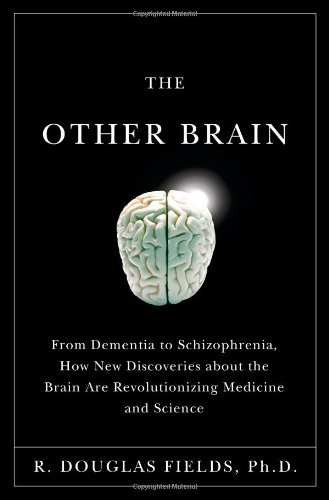
"The Other Brain" by R. Douglas Fields delves into the fascinating world of glial cells, the often-overlooked support cells that make up the vast majority of our brain. Moving beyond the traditional focus on neurons, Fields meticulously explains how these "other" brain cells play a crucial, active role in everything from learning and memory to regulating our moods and contributing to serious neurological disorders like dementia and schizophrenia. He uses recent scientific discoveries to reveal their surprising complexity and their potential as new targets for therapeutic interventions.
This book shares a core similarity with Sam Kean's "The Tale of the Dueling Neurosurgeons" by exploring the human brain through compelling narratives and scientific inquiry. Both authors translate intricate neuroscience into accessible language, demonstrating how real-world cases — whether historical neurological traumas or modern insights into glial function – illuminate our understanding of the brain's intricacies and vulnerabilities. They both adopt a narrative-driven approach to demystify complex biological mechanisms.
Anyone curious about the cutting edge of brain science will appreciate this book. It offers a fresh perspective that challenges conventional thinking about brain function, highlighting a previously underappreciated area with significant medical implications. Readers gain a deeper, more holistic understanding of how the brain operates and malfunctions, presenting a hopeful outlook on future treatments for devastating neurological and psychiatric conditions.
The Other Brain: From Dementia to Schizophrenia, How New Discoveries About the Brain Are Revolutionizing Medicine and Science
"The Other Brain" by R. Douglas Fields delves into the fascinating world of glial cells, the often-overlooked support cells that make up the vast majority of our brain. Moving beyond the traditional focus on neurons, Fields meticulously explains how these "other" brain cells play a crucial, active role in everything from learning and memory to regulating our moods and contributing to serious neurological disorders like dementia and schizophrenia. He uses recent scientific discoveries to reveal their surprising complexity and their potential as new targets for therapeutic interventions.
This book shares a core similarity with Sam Kean's "The Tale of the Dueling Neurosurgeons" by exploring the human brain through compelling narratives and scientific inquiry. Both authors translate intricate neuroscience into accessible language, demonstrating how real-world cases — whether historical neurological traumas or modern insights into glial function – illuminate our understanding of the brain's intricacies and vulnerabilities. They both adopt a narrative-driven approach to demystify complex biological mechanisms.
Anyone curious about the cutting edge of brain science will appreciate this book. It offers a fresh perspective that challenges conventional thinking about brain function, highlighting a previously underappreciated area with significant medical implications. Readers gain a deeper, more holistic understanding of how the brain operates and malfunctions, presenting a hopeful outlook on future treatments for devastating neurological and psychiatric conditions.
An Anthropologist on Mars: Seven Paradoxical Tales

Oliver Sacks' "An Anthropologist on Mars" explores extraordinary neurological conditions through detailed case studies. Each "tale" presents an individual whose perception of the world, sense of self, or daily functioning is uniquely altered by a particular brain disorder, from colorblind painters to individuals with Tourette's syndrome who become surgeons. Sacks masterfully portrays these individuals not as mere patients, but as fully complex people navigating life with specific—and often surprisingly adaptive—neurological landscapes.
This book shares a fundamental kinship with "The Tale of the Dueling Neurosurgeons" by Sam Kean. Both authors employ compelling true stories of brain trauma, illness, and recovery to illuminate the intricate workings and profound mysteries of the human brain. They both leverage narrative depth to explore how the brain's physical structure and function directly impact conscious experience, identity, and behavior, using individual anomalies to highlight universal truths about neurological processes.
Anyone fascinated by the human brain, the nuances of identity, and the extraordinary resilience of the human spirit will deeply appreciate this work. It offers profound insights into the brain's adaptive capabilities and the intricate relationship between physiology and psychology, expanding understanding of what it means to be human in the face of neurological challenges.
An Anthropologist on Mars: Seven Paradoxical Tales
Oliver Sacks' "An Anthropologist on Mars" explores extraordinary neurological conditions through detailed case studies. Each "tale" presents an individual whose perception of the world, sense of self, or daily functioning is uniquely altered by a particular brain disorder, from colorblind painters to individuals with Tourette's syndrome who become surgeons. Sacks masterfully portrays these individuals not as mere patients, but as fully complex people navigating life with specific—and often surprisingly adaptive—neurological landscapes.
This book shares a fundamental kinship with "The Tale of the Dueling Neurosurgeons" by Sam Kean. Both authors employ compelling true stories of brain trauma, illness, and recovery to illuminate the intricate workings and profound mysteries of the human brain. They both leverage narrative depth to explore how the brain's physical structure and function directly impact conscious experience, identity, and behavior, using individual anomalies to highlight universal truths about neurological processes.
Anyone fascinated by the human brain, the nuances of identity, and the extraordinary resilience of the human spirit will deeply appreciate this work. It offers profound insights into the brain's adaptive capabilities and the intricate relationship between physiology and psychology, expanding understanding of what it means to be human in the face of neurological challenges.
My Stroke of Insight: A Brain Scientist's Personal Journey

"My Stroke of Insight" chronicles neuroscientist Jill Bolte Taylor's extraordinary experience of suffering a massive stroke and her subsequent journey to recovery. From the perspective of a brain researcher, she vividly describes the immediate onset of the stroke, the loss of her intellectual capacities, and the profound, almost spiritual, sense of interconnectedness she experienced as her left hemisphere shut down. The book then delves into her challenging path regaining her physical and mental faculties.
This memoir resonates with "The Tale of the Dueling Neurosurgeons" by offering a personal, often visceral, exploration of the brain's complexities through the lens of medical incidents. While Kean presents a collection of historical cases, Taylor offers a singular, first-person account of neurological trauma and recovery, inviting a unique understanding of brain function and malfunction. Both books illuminate how damage to specific regions of the brain can drastically alter perception, personality, and capability, and both ultimately champion the brain's remarkable capacity for healing and adaptation.
This book offers a compelling narrative for anyone interested in neuroscience, human resilience, and the nature of consciousness. It provides an intimate look at the brain's intricate workings, explained from the unique vantage point of a scientist living through the very phenomena she studies. The blend of scientific insight and deeply personal experience makes it a powerful and accessible entry point for understanding the human brain's profound impact on our lives.
My Stroke of Insight: A Brain Scientist's Personal Journey
"My Stroke of Insight" chronicles neuroscientist Jill Bolte Taylor's extraordinary experience of suffering a massive stroke and her subsequent journey to recovery. From the perspective of a brain researcher, she vividly describes the immediate onset of the stroke, the loss of her intellectual capacities, and the profound, almost spiritual, sense of interconnectedness she experienced as her left hemisphere shut down. The book then delves into her challenging path regaining her physical and mental faculties.
This memoir resonates with "The Tale of the Dueling Neurosurgeons" by offering a personal, often visceral, exploration of the brain's complexities through the lens of medical incidents. While Kean presents a collection of historical cases, Taylor offers a singular, first-person account of neurological trauma and recovery, inviting a unique understanding of brain function and malfunction. Both books illuminate how damage to specific regions of the brain can drastically alter perception, personality, and capability, and both ultimately champion the brain's remarkable capacity for healing and adaptation.
This book offers a compelling narrative for anyone interested in neuroscience, human resilience, and the nature of consciousness. It provides an intimate look at the brain's intricate workings, explained from the unique vantage point of a scientist living through the very phenomena she studies. The blend of scientific insight and deeply personal experience makes it a powerful and accessible entry point for understanding the human brain's profound impact on our lives.
How We Decide
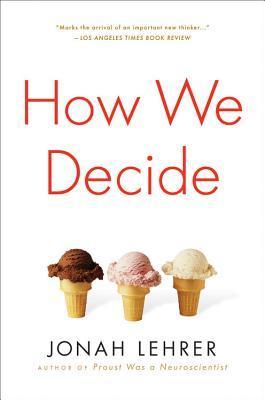
"How We Decide" by Jonah Lehrer explores the intricate processes behind human decision-making, blending neuroscience, psychology, and real-world scenarios. It delves into how our brains, both consciously and subconsciously, weigh options, assess risks, and ultimately commit to a choice, examining the interplay of logic and emotion in this fundamental human function.
This book shares significant thematic overlap with "The Tale of the Dueling Neurosurgeons" by focusing on the human brain through a narrative lens. Both authors utilize compelling anecdotes and historical cases—from extraordinary medical conditions to psychological experiments—to illustrate complex neural mechanisms and their impact on behavior and perception, making abstract scientific concepts accessible through human stories.
The book offers a fascinating look into the machinery of our minds in action, providing insights that can help individuals understand their own decision-making biases and improve their choices. It empowers one with a clearer comprehension of why we act the way we do, making it valuable for personal growth and a deeper appreciation of cognitive science.
How We Decide
"How We Decide" by Jonah Lehrer explores the intricate processes behind human decision-making, blending neuroscience, psychology, and real-world scenarios. It delves into how our brains, both consciously and subconsciously, weigh options, assess risks, and ultimately commit to a choice, examining the interplay of logic and emotion in this fundamental human function.
This book shares significant thematic overlap with "The Tale of the Dueling Neurosurgeons" by focusing on the human brain through a narrative lens. Both authors utilize compelling anecdotes and historical cases—from extraordinary medical conditions to psychological experiments—to illustrate complex neural mechanisms and their impact on behavior and perception, making abstract scientific concepts accessible through human stories.
The book offers a fascinating look into the machinery of our minds in action, providing insights that can help individuals understand their own decision-making biases and improve their choices. It empowers one with a clearer comprehension of why we act the way we do, making it valuable for personal growth and a deeper appreciation of cognitive science.
The Root of Thought: Unlocking Glia--the Brain Cell That Will Help Us Sharpen Our Wits, Heal Injury, and Treat Brain Disease

"The Root of Thought" delves into the often-overlooked world of glia, the brain cells once considered mere support structures for neurons. Andrew Koob reveals how these unsung heroes are far more active and influential than previously understood, playing crucial roles in everything from learning and memory to healing from injury and even the development of neurodegenerative diseases. The book unpacks cutting-edge research, illustrating glia's profound impact on brain function and its potential as a target for future medical interventions.
Both books share a compelling focus on the intricacies of the human brain, but approach the subject from different angles. Where Kean uses historical cases of brain trauma and neurological disorders to illuminate fundamental brain functions, Koob homes in on a specific, underappreciated cellular component—glia—to explore its pervasive influence on brain health and disease. Both authors masterfully translate complex neuroscience into accessible narratives, making the scientific fascinating and comprehensible.
Anyone captivated by the mysteries of the brain will find "The Root of Thought" highly engaging. It offers a fresh perspective on how our brains work at a fundamental level, shedding light on potential breakthroughs for treating conditions ranging from Alzheimer's to mental health disorders. The book's exploration of glia's untapped potential provides a deeply insightful and forward-looking understanding of neuroscience, enriching the reader's appreciation for the sophistication and resilience of the human mind.
The Root of Thought: Unlocking Glia--the Brain Cell That Will Help Us Sharpen Our Wits, Heal Injury, and Treat Brain Disease
"The Root of Thought" delves into the often-overlooked world of glia, the brain cells once considered mere support structures for neurons. Andrew Koob reveals how these unsung heroes are far more active and influential than previously understood, playing crucial roles in everything from learning and memory to healing from injury and even the development of neurodegenerative diseases. The book unpacks cutting-edge research, illustrating glia's profound impact on brain function and its potential as a target for future medical interventions.
Both books share a compelling focus on the intricacies of the human brain, but approach the subject from different angles. Where Kean uses historical cases of brain trauma and neurological disorders to illuminate fundamental brain functions, Koob homes in on a specific, underappreciated cellular component—glia—to explore its pervasive influence on brain health and disease. Both authors masterfully translate complex neuroscience into accessible narratives, making the scientific fascinating and comprehensible.
Anyone captivated by the mysteries of the brain will find "The Root of Thought" highly engaging. It offers a fresh perspective on how our brains work at a fundamental level, shedding light on potential breakthroughs for treating conditions ranging from Alzheimer's to mental health disorders. The book's exploration of glia's untapped potential provides a deeply insightful and forward-looking understanding of neuroscience, enriching the reader's appreciation for the sophistication and resilience of the human mind.
More Books to Explore
Discover more titles that expand on these ideas and themes.
The Brain that Changes Itself: Stories of Personal Triumph from the Frontiers of Brain Science
Phantoms in the Brain: Probing the Mysteries of the Human Mind
Incognito: The Secret Lives of the Brain
The Future of the Mind: The Scientific Quest to Understand, Enhance, and Empower the Mind
The Violinist's Thumb: And Other Lost Tales of Love, War, and Genius, as Written by Our Genetic Code
The Other Brain: From Dementia to Schizophrenia, How New Discoveries About the Brain Are Revolutionizing Medicine and Science