
The Root of Thought: Unlocking Glia--the Brain Cell That Will Help Us Sharpen Our Wits, Heal Injury, and Treat Brain Disease
Book Description
What if the key to unlocking human potential lies hidden in the shadows of our brains? "The Root of Thought" takes you on a groundbreaking journey into the world of glia—the often-overlooked brain cells that are poised to revolutionize how we understand intelligence, recovery, and disease. With vivid storytelling and thrilling insights, Andrew Koob unveils how these crucial cells hold the power to sharpen our wits, heal devastating injuries, and transform the treatment of brain disorders. As the mystery of glia unfolds, can society harness this newfound knowledge to reshape the future of mental health?
Quick Book Summary
"The Root of Thought" by Andrew Koob sheds light on a revolutionary perspective: that glial cells, once dismissed as mere support structures in the brain, are central to consciousness, intelligence, and healing. Koob traces the historical bias favoring neurons and uncovers how recent research reveals that glia not only nurture and protect neurons but actively process information, influence learning, and play a crucial role in brain health and disease recovery. Through engaging storytelling, Koob argues that understanding glia could unlock treatments for neurological illnesses, turbocharge brain recovery after injury, and even help boost our cognitive abilities. The book ultimately posits that embracing the science of glia may redefine our potential, paving the way for transformative advancements in mental health and human development.

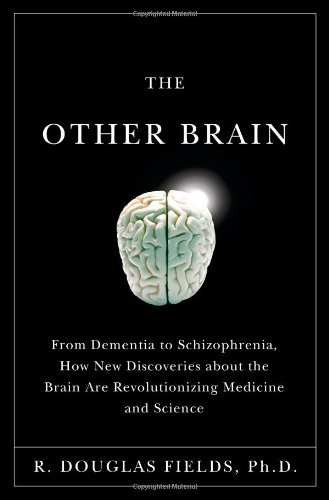
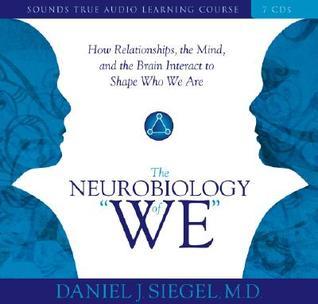


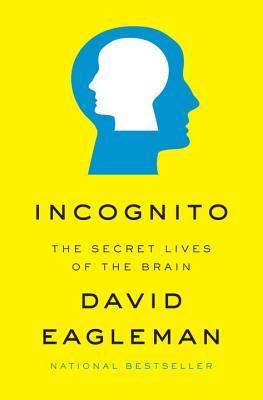
Summary of Key Ideas
Table of Contents
Reevaluating Neuron-Centric Neuroscience
Andrew Koob begins by challenging the traditional neuron-centric model of brain science, emphasizing that neurons have long overshadowed glial cells in both popular understanding and scientific research. He explores historical assumptions that led to glia being described as mere "brain glue," dismissed as little more than passive support for neurons. Koob illustrates how this bias limited our comprehension of the brain and delayed critical scientific insights.
Glia as Active Contributors to Thought and Intelligence
The book highlights breakthrough research revealing the dynamic roles glial cells play in information processing, synaptic transmission, and cognitive functions. Koob describes the intricate ways glia modulate neural activity, impact memory and learning, and influence the formation of neural networks. He explains how recent experiments have shown that glia communicate with neurons, actively shaping thoughts, emotions, and mental performance, shifting our perception of intelligence.
Glial Cells in Injury and Disease Recovery
Koob then delves into the remarkable potential of glia to assist in recovery from brain injuries and diseases. He discusses how glial cells respond to trauma, their involvement in clearing debris and repairing neural pathways, and their emerging relevance to treating conditions like Alzheimer’s, multiple sclerosis, and brain cancer. The author underscores the therapeutic promise of targeting glia to promote healing and regeneration in the brain.
Harnessing Glia for Mental Health and Cognitive Enhancement
Examining the frontier of mental health, Koob connects the science of glia to future possibilities for enhancing cognition and preventing or reversing psychiatric disorders. He envisions a new era where manipulating glial function could foster brain plasticity, fortify mental resilience, and offer novel treatments for illnesses such as depression, schizophrenia, or anxiety—reshaping how we conceive and address mental wellness.
The Future of Neuroscience and Societal Implications
Finally, Koob reflects on the broader implications for society, urging a reevaluation of our assumptions about intelligence and consciousness. He suggests that glia may hold the key not only to solving longstanding neurological challenges but also to augmenting our mental capacities. Emphasizing the need for further research and public awareness, he calls for embracing glial science as pivotal to the next great leap in neuroscience and human potential.
Download This Summary
Get a free PDF of this summary instantly — no email required.