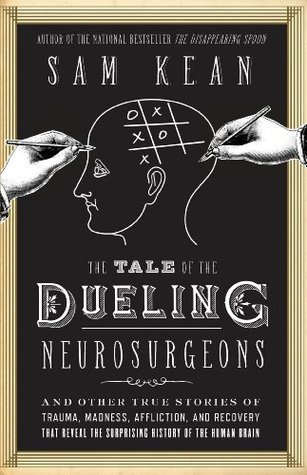
The Tale of the Dueling Neurosurgeons: The History of the Human Brain as Revealed by True Stories of Trauma, Madness, and Recovery
Book Description
What happens when the delicate dance of neurons is disrupted by trauma, madness, and sheer human resilience? Dive into the riveting stories of ill-fated duels between great minds and treacherous accidents that have shaped our understanding of the brain. With each tale, the intricate connections between trauma and recovery unfold, revealing the astonishing power of the human spirit. From battlefield injuries to bizarre surgeries, this gripping exploration illuminates the brain's complexities and its ability to heal. Can the most harrowing experiences ultimately lead to profound breakthroughs in understanding ourselves?
Quick Book Summary
"The Tale of the Dueling Neurosurgeons" by Sam Kean explores the history and wonders of neuroscience through riveting real-life stories of brain injuries, accidents, and experiments. Using these captivating tales—from duels gone wrong to misunderstood psychological afflictions—Kean illustrates how the study of damaged brains has illuminated the mysterious workings of healthy minds. Each episode reveals surprising ways our brains can adapt or go awry, weaving individual fates with groundbreaking discoveries. The book deftly mixes medical drama, historical anecdotes, and scientific explanation, inviting readers to marvel at both human fragility and resilience. Ultimately, Kean shows how adversity and misfortune have often driven progress, fundamentally deepening our understanding of consciousness, personality, and healing.



Summary of Key Ideas
Table of Contents
Trauma as a Window into Brain Function
Sam Kean opens the book by detailing how centuries of brain injuries, from battlefield wounds to accidents and duels, inadvertently provided scientists with unique opportunities to observe the functions of specific brain regions. When trauma disables or alters certain abilities, it reveals which areas control which aspects of behavior, memory, or emotion. Many breakthroughs in brain science come not from planned experiments but from necessity and misfortune, making patients the unintentional pioneers of neuroscience.
The Brain’s Remarkable Plasticity and Resilience
Through these stories, Kean illustrates that the human brain is far from static; it possesses tremendous capacity to adapt and reroute processes when damaged. He explains phenomena such as neuroplasticity, sensory substitution, and the brain’s ability to compensate for lost functions. Remarkable cases like patients regaining language after strokes or acquiring new artistic talents following injuries demonstrate the brain’s surprising resilience, driving home the potential for recovery and hope in even dire circumstances.
Historical Advances Through Unusual Cases
Kean uses a historical lens to chart how odd medical cases, sometimes tragic and sometimes bizarre, have pushed neuroscience forward. From the duel that gave the book its title to the story of Phineas Gage and his infamous railroad accident, each narrative delivers insight into brain anatomy and function, scientific persistence, and the evolution of modern medicine. These true stories highlight the ways errors, accidents, and eccentric personalities have shaped scientific knowledge.
The Relationship Between Mind, Brain, and Identity
Exploring deeper questions of selfhood, Kean examines how injuries to different brain regions can change not just memory or movement but personality, empathy, morality, and even the sense of self. Case studies of amnesia, multiple personalities, or altered social behavior reveal just how integral the brain is to our identities, blurring the lines between biology and the human soul. This intersection becomes a focal point for examining the ongoing mysteries of consciousness and individuality.
Ethical Frontiers in Neuroscience
The author also grapples with the ethical implications raised by these strange and revealing cases. As science progresses and the possibilities for therapeutic intervention expand, there are new questions about patient autonomy, medical experimentation, and what it means to repair or enhance the brain. Kean encourages readers to consider the future of neuroscience—how lessons from the past both caution and inspire us as we push the frontiers of mind and medicine.
Download This Summary
Get a free PDF of this summary instantly — no email required.