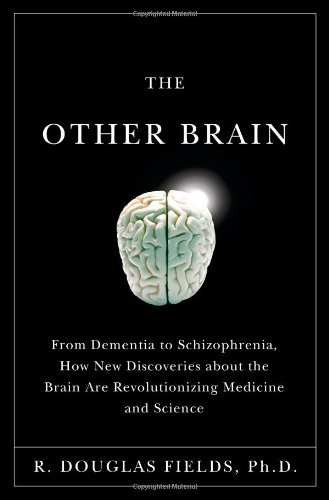
The Other Brain: From Dementia to Schizophrenia, How New Discoveries About the Brain Are Revolutionizing Medicine and Science
Book Description
What if everything we thought we knew about the brain was just the beginning? In "The Other Brain," R. Douglas Fields unveils groundbreaking revelations that challenge conventional wisdom and ignite a revolution in medicine and science. From the intricate workings of dementia to the complexities of schizophrenia, this thrilling exploration delves deep into the brain's hidden mechanisms, illuminating the profound connections between our mind and behavior. Every page pulses with discovery, as Fields reveals how these insights are not just transforming our understanding of the brain but have the potential to reshape lives. Are we on the brink of a new frontier in mental health?
Quick Book Summary
"The Other Brain" by R. Douglas Fields uncovers the remarkable world of glial cells—often called the brain’s "other half"—and their profound impact on neuroscience, behavior, and medicine. Traditionally overshadowed by neurons, glial cells are now recognized as essential for brain function, influencing everything from memory to mental disorders. Fields explains how recent discoveries about the diverse roles of glia in regulating brain activity, immune responses, and neurodevelopment could revolutionize treatments for conditions like dementia, schizophrenia, and chronic pain. Drawing on cutting-edge research, the book articulates how re-evaluating the importance of glial cells is shifting the foundation of brain science, opening new frontiers in understanding and healing the mind.



Summary of Key Ideas
Table of Contents
The overlooked importance of glial cells
For centuries, neuroscience has focused almost exclusively on neurons—the brain’s electrical signaling cells—while overlooking the far more numerous glial cells. R. Douglas Fields starts by demonstrating that glia, which make up about 90% of the brain’s cells, were long thought to be mere support structures. Recent scientific advances, however, have radically changed our perception, positioning glia at the center of brain function. Fields introduces the major types of glial cells: astrocytes, oligodendrocytes, and microglia, each with specialized roles far beyond static support.
How glia shape brain health and disease
The book explores how glia orchestrate a vast range of biological processes critical to maintaining healthy brain function. Astrocytes, for example, regulate chemical signaling, maintain the blood-brain barrier, and influence the timing of neural transmissions. Oligodendrocytes insulate neural connections, speeding up communication, while microglia act as the brain’s immune defense. These functions extend to neuroplasticity, learning, and even the pruning of synapses—mechanisms vital for development and adaptive behavior.
Glia's role in cognition, learning, and memory
Fields highlights the pivotal role of glia in neurological diseases, upending traditional models that centered solely on neurons. In dementia, glial dysfunction contributes to the accumulation of toxic proteins and loss of neural connectivity. Schizophrenia and chronic pain are shown to involve glial signaling gone awry, reframing these conditions and suggesting new therapeutic avenues. The book details how understanding glial involvement opens possibilities for targeted interventions in a host of diseases once deemed primarily neuronal.
Implications for mental health and neurological disorders
Beyond disease, glia are implicated in cognition and emotional regulation, affecting memory formation, learning, and even mood disorders. Fields discusses research linking glial activity to synaptic plasticity—the ability of the brain to adapt through experience. This has profound implications for mental health and recovery after injury, as well as our understanding of consciousness and human behavior.
Transforming neuroscience and medical treatments
Through engaging storytelling and scientific insight, "The Other Brain" makes a compelling case for rewriting the narrative of brain science. By recognizing glia as active, dynamic participants rather than passive scaffolding, Fields envisions a future in which the mysteries of mental illness, cognitive decline, and even creativity are illuminated through the lens of glial biology. This paradigm shift holds promise not only for research, but for innovative treatments that may transform lives.
Download This Summary
Get a free PDF of this summary instantly — no email required.