10 Books Similar to "The Innovation Secrets of Steve Jobs"
by Carmine Gallo

How to Think Like Steve Jobs
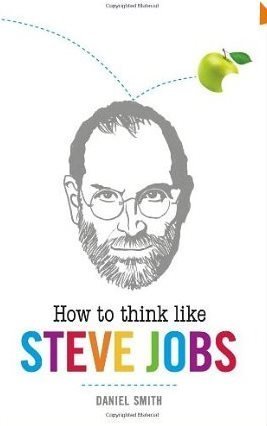
"How to Think Like Steve Jobs" distills the core philosophies and strategic approaches Steve Jobs employed throughout his career. It examines his unique perspective on product development, marketing, and leadership, presenting them as actionable principles rather than just historical anecdotes. The book delves into his relentless pursuit of perfection, his intuitive understanding of user experience, and his ability to inspire groundbreaking innovation.
This book shares significant common ground with "The Innovation Secrets of Steve Jobs" by focusing on the underlying methodologies and mindset that drove Jobs's success. Both books aim to unpack the "how" behind his achievements, analyzing his processes for problem-solving, brand building, and creating products that resonated deeply with consumers. They both present Jobs not just as an individual, but as a blueprint for disruptive thinking.
Individuals seeking to cultivate a more innovative mindset and apply principles of visionary leadership to their own endeavors will find this book highly appealing. It offers practical insights for anyone looking to challenge the status quo, simplify complex ideas, and foster a culture of excellence and creativity within their professional or personal projects. Its value lies in providing a framework for strategic thinking inspired by one of history's most impactful innovators.
How to Think Like Steve Jobs
"How to Think Like Steve Jobs" distills the core philosophies and strategic approaches Steve Jobs employed throughout his career. It examines his unique perspective on product development, marketing, and leadership, presenting them as actionable principles rather than just historical anecdotes. The book delves into his relentless pursuit of perfection, his intuitive understanding of user experience, and his ability to inspire groundbreaking innovation.
This book shares significant common ground with "The Innovation Secrets of Steve Jobs" by focusing on the underlying methodologies and mindset that drove Jobs's success. Both books aim to unpack the "how" behind his achievements, analyzing his processes for problem-solving, brand building, and creating products that resonated deeply with consumers. They both present Jobs not just as an individual, but as a blueprint for disruptive thinking.
Individuals seeking to cultivate a more innovative mindset and apply principles of visionary leadership to their own endeavors will find this book highly appealing. It offers practical insights for anyone looking to challenge the status quo, simplify complex ideas, and foster a culture of excellence and creativity within their professional or personal projects. Its value lies in providing a framework for strategic thinking inspired by one of history's most impactful innovators.
Steve Jobs

Walter Isaacson's "Steve Jobs" is the definitive biography, a comprehensive narrative tracing Jobs's life from his early days and adoption through the founding of Apple, his ousting, NeXT, Pixar, and his triumphant return, culminating in his final years. It delves into the formative experiences, key relationships, triumphs, and failures that shaped an iconic figure and changed the world of technology and design.
This biography is similar to "The Innovation Secrets of Steve Jobs" because both books dissect the visionary mind of Steve Jobs, albeit from different angles. While Gallo’s book distills Jobs's methods into actionable principles, Isaacson’s provides the rich, detailed context and foundational experiences that underpin those very innovations. Isaacson reveals *why* Jobs developed those secrets, offering the biographical bedrock for Gallo’s analysis.
Anyone interested in the intersection of technology, entrepreneurship, design, and human will find immense value in this book. It offers an unparalleled look into the psyche of a relentless innovator, the challenges of building and rebuilding a global company, and the personal cost and triumph associated with a singular vision. It provides profound insights into leadership, creativity, and the relentless pursuit of excellence.
Steve Jobs
Walter Isaacson's "Steve Jobs" is the definitive biography, a comprehensive narrative tracing Jobs's life from his early days and adoption through the founding of Apple, his ousting, NeXT, Pixar, and his triumphant return, culminating in his final years. It delves into the formative experiences, key relationships, triumphs, and failures that shaped an iconic figure and changed the world of technology and design.
This biography is similar to "The Innovation Secrets of Steve Jobs" because both books dissect the visionary mind of Steve Jobs, albeit from different angles. While Gallo’s book distills Jobs's methods into actionable principles, Isaacson’s provides the rich, detailed context and foundational experiences that underpin those very innovations. Isaacson reveals *why* Jobs developed those secrets, offering the biographical bedrock for Gallo’s analysis.
Anyone interested in the intersection of technology, entrepreneurship, design, and human will find immense value in this book. It offers an unparalleled look into the psyche of a relentless innovator, the challenges of building and rebuilding a global company, and the personal cost and triumph associated with a singular vision. It provides profound insights into leadership, creativity, and the relentless pursuit of excellence.
Steve Jobs: The Man Who Thought Different: A Biography

"Steve Jobs: The Man Who Thought Different: A Biography" offers a comprehensive, accessible exploration of Steve Jobs's life and career. It distills complex events and technological advancements into an engaging narrative, tracing his journey from an inquisitive youth to a transformative figure in the technology industry. The book highlights key moments that shaped his worldview and leadership style.
This biography aligns with "The Innovation Secrets of Steve Jobs" by focusing on the influences and manifestations of Jobs's unique approach to innovation. Both books delve into the mindset and strategies that drove Apple's success, examining the principles behind his product design, marketing, and corporate philosophy, albeit from different perspectives—one biographical, the other analytical.
This book will appeal to those seeking a foundational understanding of one of history's most impactful entrepreneurs. It provides valuable insights into the personal drive and strategic decisions that underpinned revolutionary products and a globally recognized brand, offering a compelling narrative that illuminates the human element behind technological progress.
Steve Jobs: The Man Who Thought Different: A Biography
"Steve Jobs: The Man Who Thought Different: A Biography" offers a comprehensive, accessible exploration of Steve Jobs's life and career. It distills complex events and technological advancements into an engaging narrative, tracing his journey from an inquisitive youth to a transformative figure in the technology industry. The book highlights key moments that shaped his worldview and leadership style.
This biography aligns with "The Innovation Secrets of Steve Jobs" by focusing on the influences and manifestations of Jobs's unique approach to innovation. Both books delve into the mindset and strategies that drove Apple's success, examining the principles behind his product design, marketing, and corporate philosophy, albeit from different perspectives—one biographical, the other analytical.
This book will appeal to those seeking a foundational understanding of one of history's most impactful entrepreneurs. It provides valuable insights into the personal drive and strategic decisions that underpinned revolutionary products and a globally recognized brand, offering a compelling narrative that illuminates the human element behind technological progress.
Becoming Steve Jobs: The Evolution of a Reckless Upstart into a Visionary Leader
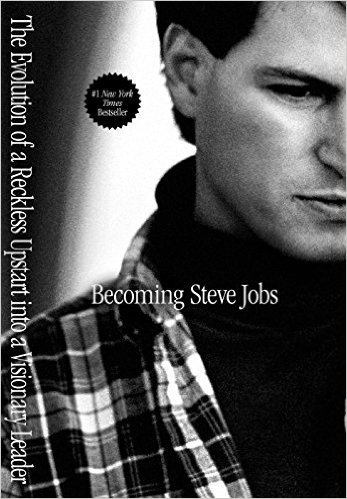
"Becoming Steve Jobs" offers a nuanced portrait of Steve Jobs, tracing his evolution from a chaotic, brilliant young entrepreneur to a more mature and effective visionary leader. It's a deeply researched account, drawing on extensive interviews with Jobs's colleagues, friends, and family, providing insights into his personal development, his return to Apple, and the strategies he employed to rebuild a struggling company into a global powerhouse.
This biography shares common ground with "The Innovation Secrets of Steve Jobs" by exploring the foundations of Jobs's success. Both works delve into the principles and approaches that defined his leadership, product development, and marketing strategies, albeit from different perspectives. While Gallo's book distills Jobs's methods into actionable lessons, Schlender's provides the richly detailed narrative context for how those methods came to be.
The book will appeal to those seeking a deeper, more human understanding of one of the most influential figures in modern business. Its value lies in offering a balanced and comprehensive view of Jobs's career, including his mistakes and his triumphs, illustrating the transformative power of resilience, learning from failure, and an unwavering commitment to design and user experience. It presents not just a story of innovation, but a compelling study of personal growth and leadership.
Becoming Steve Jobs: The Evolution of a Reckless Upstart into a Visionary Leader
"Becoming Steve Jobs" offers a nuanced portrait of Steve Jobs, tracing his evolution from a chaotic, brilliant young entrepreneur to a more mature and effective visionary leader. It's a deeply researched account, drawing on extensive interviews with Jobs's colleagues, friends, and family, providing insights into his personal development, his return to Apple, and the strategies he employed to rebuild a struggling company into a global powerhouse.
This biography shares common ground with "The Innovation Secrets of Steve Jobs" by exploring the foundations of Jobs's success. Both works delve into the principles and approaches that defined his leadership, product development, and marketing strategies, albeit from different perspectives. While Gallo's book distills Jobs's methods into actionable lessons, Schlender's provides the richly detailed narrative context for how those methods came to be.
The book will appeal to those seeking a deeper, more human understanding of one of the most influential figures in modern business. Its value lies in offering a balanced and comprehensive view of Jobs's career, including his mistakes and his triumphs, illustrating the transformative power of resilience, learning from failure, and an unwavering commitment to design and user experience. It presents not just a story of innovation, but a compelling study of personal growth and leadership.
Creativity, Inc.: Overcoming the Unseen Forces That Stand in the Way of True Inspiration
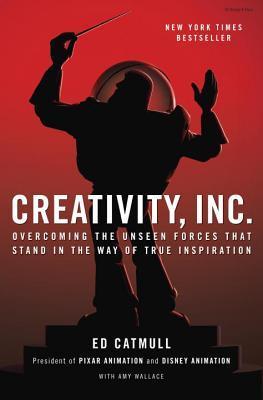
*Creativity, Inc.* offers a profound look into building and sustaining a highly creative culture within an organization, specifically detailing how Pixar rose to prominence. Ed Catmull, a co-founder of Pixar, shares practical wisdom on fostering innovation, managing talent, and overcoming internal and external obstacles that commonly stifle creativity. It's a candid exploration of leadership principles designed to empower individuals and teams to do their best work without fear.
This book shares common ground with *The Innovation Secrets of Steve Jobs* by dissecting the underlying principles of transformative innovation. Both texts emphasize that groundbreaking achievements are not accidental but rather the result of deliberate cultural cultivation, visionary leadership, and persistent dedication to excellence. While Gallo focuses on an individual's impact, Catmull broadens the scope to an organizational ecosystem, yet both ultimately champion the idea of nurturing an environment where radical ideas can flourish and be brought to fruition.
This book will appeal to anyone seeking actionable strategies for cultivating a vibrant, innovative workplace, managing creative teams effectively, or understanding the dynamics of a truly successful, enduring creative enterprise. Its insights are invaluable for leaders, entrepreneurs, and creatives alike, offering a timeless blueprint for fostering inspiration and navigating the complexities of organizational growth and change.
Creativity, Inc.: Overcoming the Unseen Forces That Stand in the Way of True Inspiration
*Creativity, Inc.* offers a profound look into building and sustaining a highly creative culture within an organization, specifically detailing how Pixar rose to prominence. Ed Catmull, a co-founder of Pixar, shares practical wisdom on fostering innovation, managing talent, and overcoming internal and external obstacles that commonly stifle creativity. It's a candid exploration of leadership principles designed to empower individuals and teams to do their best work without fear.
This book shares common ground with *The Innovation Secrets of Steve Jobs* by dissecting the underlying principles of transformative innovation. Both texts emphasize that groundbreaking achievements are not accidental but rather the result of deliberate cultural cultivation, visionary leadership, and persistent dedication to excellence. While Gallo focuses on an individual's impact, Catmull broadens the scope to an organizational ecosystem, yet both ultimately champion the idea of nurturing an environment where radical ideas can flourish and be brought to fruition.
This book will appeal to anyone seeking actionable strategies for cultivating a vibrant, innovative workplace, managing creative teams effectively, or understanding the dynamics of a truly successful, enduring creative enterprise. Its insights are invaluable for leaders, entrepreneurs, and creatives alike, offering a timeless blueprint for fostering inspiration and navigating the complexities of organizational growth and change.
The Innovators: How a Group of Hackers, Geniuses and Geeks Created the Digital Revolution
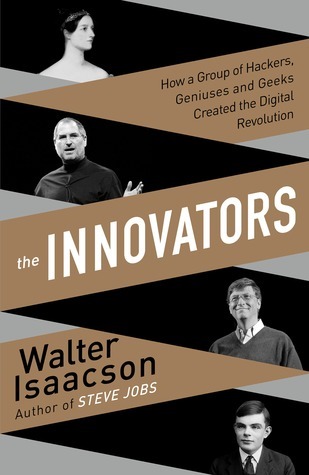
"The Innovators" by Walter Isaacson masterfully chronicles the collaborative and often contentious journey of the individuals who laid the groundwork for the digital age, from the earliest conceptualizations of computing to the internet's emergence. It's a comprehensive look at the intertwined lives and discoveries of mathematicians, engineers, programmers, and entrepreneurs whose collective genius sparked a technological revolution, emphasizing how innovation rarely occurs in isolation.
This book shares thematic DNA with "The Innovation Secrets of Steve Jobs" by focusing on the minds and methodologies behind revolutionary technological advancements. Both delve into the processes, personalities, and often unconventional approaches employed by those who reshape industries. While Gallo zooms in on one iconic figure, Isaacson broadens the lens to a constellation of influential figures, demonstrating the power of both individual vision and collaborative effort in driving innovation.
This narrative will captivate those interested in the origins of modern technology and the human stories behind its creation. It offers profound insights into the nature of innovation itself, illustrating how diverse skill sets and relentless pursuit of improbable ideas converged to birth the digital world we inhabit. It's a valuable exploration of intellectual courage, strategic pivots, and the enduring impact of visionary thinking.
The Innovators: How a Group of Hackers, Geniuses and Geeks Created the Digital Revolution
"The Innovators" by Walter Isaacson masterfully chronicles the collaborative and often contentious journey of the individuals who laid the groundwork for the digital age, from the earliest conceptualizations of computing to the internet's emergence. It's a comprehensive look at the intertwined lives and discoveries of mathematicians, engineers, programmers, and entrepreneurs whose collective genius sparked a technological revolution, emphasizing how innovation rarely occurs in isolation.
This book shares thematic DNA with "The Innovation Secrets of Steve Jobs" by focusing on the minds and methodologies behind revolutionary technological advancements. Both delve into the processes, personalities, and often unconventional approaches employed by those who reshape industries. While Gallo zooms in on one iconic figure, Isaacson broadens the lens to a constellation of influential figures, demonstrating the power of both individual vision and collaborative effort in driving innovation.
This narrative will captivate those interested in the origins of modern technology and the human stories behind its creation. It offers profound insights into the nature of innovation itself, illustrating how diverse skill sets and relentless pursuit of improbable ideas converged to birth the digital world we inhabit. It's a valuable exploration of intellectual courage, strategic pivots, and the enduring impact of visionary thinking.
How Google Works

"How Google Works" by Eric Schmidt and Jonathan Rosenberg offers an inside look at the organizational culture and management philosophies that propelled Google to global dominance. It unpacks how the company fosters innovation, attracts top talent, and maintains its rapid pace of development by empowering "smart creatives" – highly skilled, analytical individuals who thrive in a collaborative, data-driven environment.
This book shares fundamental commonalities with "The Innovation Secrets of Steve Jobs" by exploring the foundational principles behind groundbreaking success in the technology sector. Both texts delve into the interplay of visionary leadership, compelling product design, and a unique organizational ethos that prioritizes invention and audacious goals, rather than merely incremental improvements.
Professionals seeking strategies for cultivating a high-performance culture, understanding the dynamics of modern innovation, and attracting and retaining exceptional talent will find this book particularly insightful. It provides practical lessons and a detailed roadmap for managing and inspiring knowledge workers in an increasingly competitive and fast-evolving landscape.
How Google Works
"How Google Works" by Eric Schmidt and Jonathan Rosenberg offers an inside look at the organizational culture and management philosophies that propelled Google to global dominance. It unpacks how the company fosters innovation, attracts top talent, and maintains its rapid pace of development by empowering "smart creatives" – highly skilled, analytical individuals who thrive in a collaborative, data-driven environment.
This book shares fundamental commonalities with "The Innovation Secrets of Steve Jobs" by exploring the foundational principles behind groundbreaking success in the technology sector. Both texts delve into the interplay of visionary leadership, compelling product design, and a unique organizational ethos that prioritizes invention and audacious goals, rather than merely incremental improvements.
Professionals seeking strategies for cultivating a high-performance culture, understanding the dynamics of modern innovation, and attracting and retaining exceptional talent will find this book particularly insightful. It provides practical lessons and a detailed roadmap for managing and inspiring knowledge workers in an increasingly competitive and fast-evolving landscape.
The Pixar Touch: The Making of a Company

"The Pixar Touch: The Making of a Company" meticulously chronicles the unlikely genesis and meteoric rise of Pixar Animation Studios. It delves into the technological innovations, the artistic struggles, and the unique corporate culture that fostered groundbreaking storytelling and visual artistry. The book unpacks the personalities, pivotal decisions, and strategic shifts that transformed a small computer graphics division into a creative powerhouse that redefined animation.
This book resonates with "The Innovation Secrets of Steve Jobs" by exploring the fundamental principles of creative leadership, disruptive innovation, and relentless pursuit of excellence. Both books dissect how a visionary leader (Jobs himself, and his influence at Pixar) cultivated environments where unconventional ideas could flourish, and where technological prowess was consistently leveraged to achieve extraordinary artistic and commercial results. Both narratives underscore the importance of design thinking and consumer-centric product development.
Individuals interested in entrepreneurship, creative leadership, and the intersection of technology and art will find this work compelling. It offers a deeper understanding of how iconic companies are built, the resilience required to overcome significant challenges, and the cultural components essential for sustained innovation. It provides valuable insights into nurturing a creative enterprise and the impact of visionary decision-making on an entire industry.
The Pixar Touch: The Making of a Company
"The Pixar Touch: The Making of a Company" meticulously chronicles the unlikely genesis and meteoric rise of Pixar Animation Studios. It delves into the technological innovations, the artistic struggles, and the unique corporate culture that fostered groundbreaking storytelling and visual artistry. The book unpacks the personalities, pivotal decisions, and strategic shifts that transformed a small computer graphics division into a creative powerhouse that redefined animation.
This book resonates with "The Innovation Secrets of Steve Jobs" by exploring the fundamental principles of creative leadership, disruptive innovation, and relentless pursuit of excellence. Both books dissect how a visionary leader (Jobs himself, and his influence at Pixar) cultivated environments where unconventional ideas could flourish, and where technological prowess was consistently leveraged to achieve extraordinary artistic and commercial results. Both narratives underscore the importance of design thinking and consumer-centric product development.
Individuals interested in entrepreneurship, creative leadership, and the intersection of technology and art will find this work compelling. It offers a deeper understanding of how iconic companies are built, the resilience required to overcome significant challenges, and the cultural components essential for sustained innovation. It provides valuable insights into nurturing a creative enterprise and the impact of visionary decision-making on an entire industry.
Making Ideas Happen: Overcoming the Obstacles Between Vision and Reality
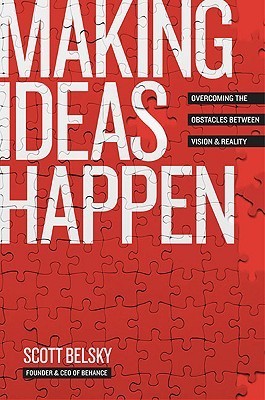
"Making Ideas Happen" by Scott Belsky delves into the practicalities of transforming creative visions into tangible results. It moves beyond mere ideation, offering actionable strategies and frameworks for organizing, executing, and optimizing projects. The book emphasizes building sustainable systems and habits to overcome common roadblocks like procrastination, lack of resources, and diffusion of focus, ultimately empowering individuals and teams to effectively realize their ambitions.
This book shares common ground with "The Innovation Secrets of Steve Jobs" by exploring the journey from concept to impact. While Gallo illuminates Jobs's philosophy and execution of groundbreaking ideas, Belsky provides a broader, more systematic approach to making any idea a reality, regardless of industry or scale. Both books value disciplined execution and a relentless pursuit of excellence in bringing novel concepts to fruition.
This book holds significant appeal for anyone striving to translate their potential into concrete achievements. It offers a pragmatic roadmap for navigating the complexities of innovation and project realization, offering clear paths to overcome inertia and deliver meaningful outcomes. Its systematic approach will prove valuable for entrepreneurs, creatives, managers, and anyone seeking to elevate their capacity for effective execution.
Making Ideas Happen: Overcoming the Obstacles Between Vision and Reality
"Making Ideas Happen" by Scott Belsky delves into the practicalities of transforming creative visions into tangible results. It moves beyond mere ideation, offering actionable strategies and frameworks for organizing, executing, and optimizing projects. The book emphasizes building sustainable systems and habits to overcome common roadblocks like procrastination, lack of resources, and diffusion of focus, ultimately empowering individuals and teams to effectively realize their ambitions.
This book shares common ground with "The Innovation Secrets of Steve Jobs" by exploring the journey from concept to impact. While Gallo illuminates Jobs's philosophy and execution of groundbreaking ideas, Belsky provides a broader, more systematic approach to making any idea a reality, regardless of industry or scale. Both books value disciplined execution and a relentless pursuit of excellence in bringing novel concepts to fruition.
This book holds significant appeal for anyone striving to translate their potential into concrete achievements. It offers a pragmatic roadmap for navigating the complexities of innovation and project realization, offering clear paths to overcome inertia and deliver meaningful outcomes. Its systematic approach will prove valuable for entrepreneurs, creatives, managers, and anyone seeking to elevate their capacity for effective execution.
The Art of the Start: The Time-Tested, Battle-Hardened Guide for Anyone Starting Anything

"The Art of the Start" by Guy Kawasaki is a practical playbook for entrepreneurs and innovators, outlining essential steps for launching and growing a venture. It demystifies the often intimidating process of starting something new, offering actionable advice on everything from pitching ideas and building teams to crafting compelling products and securing funding. It's a straightforward, experience-based guide designed to equip anyone with an ambitious idea with the tools to realize it.
This book shares thematic commonalities with "The Innovation Secrets of Steve Jobs" by Carmine Gallo because both delve into the ethos and practicalities of groundbreaking innovation. While Gallo dissects the principles behind Jobs's success, Kawasaki provides a broader, generalized framework for achieving similar entrepreneurial triumphs. Both authors emphasize the importance of vision, compelling communication, meticulous execution, and a relentless focus on creating remarkable value, whether through a tech giant or a nascent startup.
Individuals seeking guidance on transforming ideas into impactful realities will find this book immensely valuable. It offers a clear, no-nonsense roadmap for navigating the challenges of entrepreneurship, providing concrete strategies to inspire, develop, and market innovative endeavors. Its battle-hardened wisdom can accelerate the journey of any aspiring founder or a professional looking to inject innovation into their existing work.
The Art of the Start: The Time-Tested, Battle-Hardened Guide for Anyone Starting Anything
"The Art of the Start" by Guy Kawasaki is a practical playbook for entrepreneurs and innovators, outlining essential steps for launching and growing a venture. It demystifies the often intimidating process of starting something new, offering actionable advice on everything from pitching ideas and building teams to crafting compelling products and securing funding. It's a straightforward, experience-based guide designed to equip anyone with an ambitious idea with the tools to realize it.
This book shares thematic commonalities with "The Innovation Secrets of Steve Jobs" by Carmine Gallo because both delve into the ethos and practicalities of groundbreaking innovation. While Gallo dissects the principles behind Jobs's success, Kawasaki provides a broader, generalized framework for achieving similar entrepreneurial triumphs. Both authors emphasize the importance of vision, compelling communication, meticulous execution, and a relentless focus on creating remarkable value, whether through a tech giant or a nascent startup.
Individuals seeking guidance on transforming ideas into impactful realities will find this book immensely valuable. It offers a clear, no-nonsense roadmap for navigating the challenges of entrepreneurship, providing concrete strategies to inspire, develop, and market innovative endeavors. Its battle-hardened wisdom can accelerate the journey of any aspiring founder or a professional looking to inject innovation into their existing work.
More Books to Explore
Discover more titles that expand on these ideas and themes.
How to Think Like Steve Jobs
Steve Jobs
Steve Jobs: The Man Who Thought Different: A Biography
Becoming Steve Jobs: The Evolution of a Reckless Upstart into a Visionary Leader
Creativity, Inc.: Overcoming the Unseen Forces That Stand in the Way of True Inspiration
The Innovators: How a Group of Hackers, Geniuses and Geeks Created the Digital Revolution