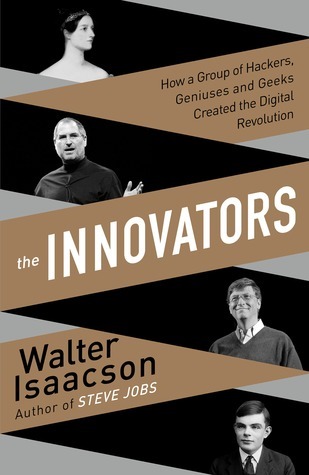
The Innovators: How a Group of Hackers, Geniuses and Geeks Created the Digital Revolution
Book Description
In a world transformed by technology, a band of visionary hackers, relentless geniuses, and fearless geeks collide in a thrilling race against time. "The Innovators" pulls back the curtain on the creative minds who forged the digital revolution, revealing the intense collaborations and fierce rivalries that shaped our online reality. From the spark of innovation to the struggles and triumphs behind iconic breakthroughs, this captivating tale explores the hidden connections that ignite change. What happens when passion meets genius, and can the forces of imagination ever truly be contained?
Quick Book Summary
"The Innovators" by Walter Isaacson is a sweeping history of the digital revolution, chronicling the stories of visionaries, engineers, and creative thinkers who laid the groundwork for modern computing. Isaacson explores how collaborative effort, rather than solo genius, was pivotal in advancing technology, recounting contributions from Ada Lovelace and Alan Turing to Steve Jobs and Bill Gates. The book illustrates not only major breakthroughs like the computer, microchip, Internet, and software, but also the cultural and social dynamics that fostered innovation. By weaving together biographies, historical events, and key inventions, Isaacson shows that technological progress is a cumulative, team-driven process where the fusion of diverse talents and relentless curiosity continues to drive human achievement.




Summary of Key Ideas
Table of Contents
Collaboration as the Catalyst for Innovation
Isaacson opens the narrative with Ada Lovelace and Charles Babbage, establishing the importance of both visionary ideas and practical execution. He delves deeply into the collaborative nature of innovation, illustrating that breakthroughs like the computer's development were achieved by teams that combined theoretical insight with engineering prowess. The story unfolds through pivotal advances, such as ENIAC and UNIVAC, highlighting how individual strengths—whether in mathematics, hardware, or leadership—yielded synergies critical for progress.
The Evolution of Computing and Programming
The evolution of programming becomes a central theme, from Grace Hopper's creation of the compiler to the rise of software as a discipline equal in importance to hardware. Isaacson recounts the birth of user-friendly interfaces and the internet, emphasizing how open-source principles and shared knowledge spurred rapid growth. Visionaries like Vannevar Bush, J.C.R. Licklider, and Tim Berners-Lee paved the way for networked computing, showing how individual ambition flourished within collaborative environments.
The Intersection of Science, Business, and Creativity
Shifting focus to the ecosystem necessary for innovation, the book explores the interplay of government funding, academic research, and private enterprise. Institutions like Bell Labs, Xerox PARC, and Stanford provided fertile ground for experimentation and risk-taking. The fusion of scientific exploration with business instincts—exemplified by figures such as Bill Gates, Steve Jobs, and Larry Page—demonstrates how translating discoveries into accessible products intensifies societal impact, revolutionizing commerce and communication.
The Culture of Risk-Taking and Entrepreneurship
A defining characteristic of digital pioneers emerges in their willingness to challenge conventions and embrace failure. Isaacson highlights a culture of rebellious energy, where taking risks is a prerequisite for creativity. Stories of rivalry, perseverance, and, at times, serendipitous discovery reveal the unpredictable path of progress. This ethos spurs continual reinvention, where innovators must both build upon existing frameworks and imagine new possibilities.
The Continual Cycle of Invention and Reinvention
Ultimately, "The Innovators" advocates a nuanced understanding of genius—one strengthened by teamwork, openness, and interdisciplinary cross-pollination. The narrative concludes by reflecting on technology's current trajectory and urging future innovators to embrace the art of collaboration. Through accessible storytelling, Isaacson unpacks the rich tapestry behind the digital age, illustrating that the synergy of passion and collective effort remains the engine of ingenuity.
Download This Summary
Get a free PDF of this summary instantly — no email required.