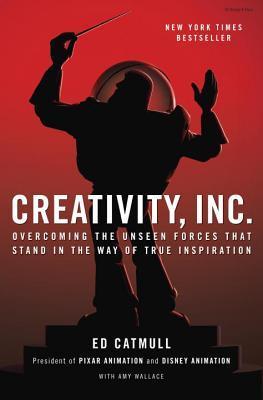
Creativity, Inc.: Overcoming the Unseen Forces That Stand in the Way of True Inspiration
Book Description
Unlock the secrets behind the magic of Pixar, where creativity thrives amidst chaos. Ed Catmull unveils the invisible barriers that stifle innovation, revealing how fear and complacency can undermine even the brightest ideas. With gripping insights from the heart of the animation industry, this compelling journey explores the delicate balance between creative freedom and organizational structure. Dive into a world where collaboration and trust become the lifeblood of imagination. What if the key to your next great idea lies in confronting the unseen forces that hold you back?
Quick Book Summary
"Creativity, Inc." by Ed Catmull delves into the creative philosophies and business practices that propelled Pixar to the forefront of animation. Blending compelling stories from Pixar’s journey with actionable management lessons, Catmull explores how organizations can foster innovation and adapt to change. He examines the invisible forces—such as fear, complacency, and miscommunication—that can stifle creative potential, even in successful companies. The book highlights the importance of candor, trust, and embracing failure, revealing how Pixar’s culture of openness allowed creativity to flourish. Catmull draws from personal experience to offer practical insights for leaders seeking to encourage creativity in their teams, ultimately making "Creativity, Inc." a blueprint for building resilient, imaginative organizations.





Summary of Key Ideas
Table of Contents
Cultivating a Culture of Candor
At the heart of Pixar’s success is a culture that values candor and open communication. Catmull describes how creative environments thrive when employees feel empowered to speak honestly, share ideas, and challenge assumptions without fear of repercussion. He details the importance of feedback loops, brainstorming sessions like "Braintrust meetings," and the necessity of creating a safe space where individuals can express themselves freely. These practices not only uncover hidden problems early but also foster trust, enabling teams to collaborate effectively and maintain high creative standards.
Embracing Failure as a Path to Innovation
One of the central themes of the book is the value of learning from failure. Catmull recounts Pixar’s early struggles and missteps, emphasizing that every project inevitably faces setbacks. He encourages leaders to view failure not as a sign of incompetence, but as an essential component of the creative process. By creating systems that tolerate mistakes and analyze them constructively, organizations can learn, adapt, and continually improve. This philosophy reduces paralysis by fear, motivating teams to take calculated risks and innovate.
Balancing Structure with Creative Freedom
Finding the right balance between organizational structure and artistic freedom is another major focus. Catmull explains that rules and processes, while necessary for efficiency and coordination, can threaten creativity if enforced too rigidly. He advocates for flexible systems that support rather than constrain creative work. At Pixar, this has meant iterating on team structures, project timelines, and workflow systems, always with the goal of enabling rather than managing creative talents.
Overcoming Invisible Barriers to Creativity
Despite their shared vision, even the most creative teams face invisible barriers—fear of failure, ego, groupthink, and miscommunication—capable of derailing innovation. Catmull identifies these unseen obstacles and shares strategies for surfacing and dismantling them. Regular reflection, honest dialogue, and leadership vigilance are crucial in addressing issues before they become toxic. Recognizing and confronting these forces allows creativity to thrive even during periods of chaos and uncertainty.
The Role of Leadership in Nurturing Talent
Finally, Catmull underscores the essential role leaders play in nurturing talent. He stresses that leadership is not about dictating creative outcomes, but about establishing the right conditions for creativity to emerge—offering guidance, supporting risk-taking, and remaining accessible. By trusting his team, investing in their growth, and modeling humility, Catmull shaped a culture where inspiration could flourish. Leaders who prioritize people and process over product are best positioned to unlock the full creative potential of their teams.
Download This Summary
Get a free PDF of this summary instantly — no email required.