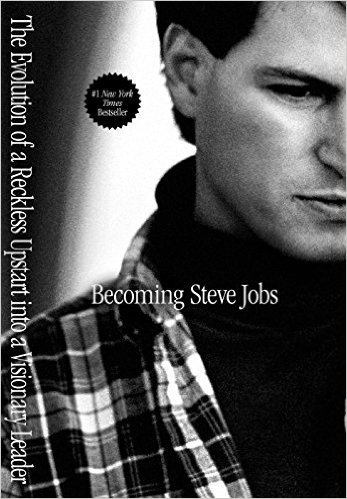
Becoming Steve Jobs: The Evolution of a Reckless Upstart into a Visionary Leader
Book Description
From a fired maverick to the visionary behind an empire, Steve Jobs’ journey is a masterclass in transformation. Brent Schlender unveils the raw, unfiltered evolution of a reckless upstart into a tech legend. Discover the pivotal moments that shaped Apple's iconic leader, revealing a man fueled by ambition, resilience, and a relentless quest for innovation. Relationships tested, failures faced, and visions realized—this is a gripping tale of triumph against all odds. What does it truly take to become a genius in a world that often doubts you?
Quick Book Summary
"Becoming Steve Jobs" by Brent Schlender chronicles the incredible personal and professional transformation of Steve Jobs. Far from presenting Jobs as a static genius, Schlender reveals how Jobs’ journey was marked by failure, learning, and reinvention. Drawing on decades of insight and personal interviews, the biography follows Jobs from his early rebellious years at Apple, through his setbacks and ousting, to his periods at NeXT and Pixar. Ultimately, the book explores how Jobs’ capacity for growth, emotional maturation, and focus on people—alongside his relentless pursuit of excellence—shaped Apple’s resurgence and the creation of some of its most iconic products. This nuanced portrait challenges the myth of instant brilliance, emphasizing evolution, self-discovery, and the deep work of leadership.




Summary of Key Ideas
Table of Contents
The Transformation Through Failure and Redemption
Steve Jobs’ early days were marked by prodigious talent and a combative, sometimes abrasive personality. As a young co-founder at Apple, he pushed boundaries but often struggled to lead effectively, clashing with colleagues and making impulsive decisions. His departure from Apple, a humiliating setback, was a crucial turning point. Rather than marking the end, it forced Jobs to confront his shortcomings and embark on a journey of personal development as he founded NeXT and took control of Pixar.
Emotional Maturity and Leadership Evolution
Outside the limelight, Jobs faced hardships and failures that honed his leadership style. At NeXT, he grappled with managing teams and meeting market demands. Simultaneously, overseeing Pixar transformed his understanding of creativity, collaboration, and storytelling. These years tested his resilience and humility, giving him a deeper appreciation for patience, the value of great teams, and the importance of fostering talent rather than demanding perfection.
The Influence of Key Relationships
Relationships played a pivotal role in Jobs’ growth. His deepening connection with his family humanized him, while his partnership with Pixar’s Ed Catmull and Apple colleagues—especially Tim Cook and Jony Ive—demonstrated the power of trust and mutual respect. These bonds grounded Jobs, challenged his instincts, and encouraged him to listen and motivate rather than intimidate.
Relentless Pursuit of Innovation
Central to Jobs’ evolution was his fanatical commitment to innovation and design. He became obsessed with the end-to-end user experience, insisting on elegance, simplicity, and integration. This approach, paired with lessons learned from earlier failures, allowed him to inspire teams to reach for excellence, culminating in revolutionary products like the iMac, iPod, iPhone, and iPad.
Legacy and the Reinvention of Apple
Returning to Apple, Jobs’ transformation fueled a remarkable turnaround. More mature and focused, he cultivated a culture where innovation could thrive. His leadership was less about personal ego and more about vision, storytelling, and empowering others. By the time of his passing, Jobs was widely recognized not only as a technological architect but as a visionary leader—his journey underscoring the enduring power of reinvention, empathy, and relentless pursuit of greatness.
Download This Summary
Get a free PDF of this summary instantly — no email required.