10 Books Similar to "The Brain that Changes Itself: Stories of Personal Triumph from the Frontiers of Brain Science"
by Norman Doidge

The Mind & the Brain: Neuroplasticity and the Power of Mental Force

"The Mind & the Brain: Neuroplasticity and the Power of Mental Force" explores the revolutionary concept of neuroplasticity – the brain's ability to reorganize itself throughout life. It delves into the scientific advancements proving that our thoughts and intentions can physically alter brain structure and function, moving beyond the traditional view of the brain as a fixed organ. Author Jeffrey Schwartz, a psychiatrist, showcases how focused mental effort can be harnessed to overcome debilitating conditions like Obsessive-Compulsive Disorder (OCD), demonstrating the profound influence of conscious will on brain transformation.
This book shares a core fascination with "The Brain that Changes Itself" by Norman Doidge: both celebrate the remarkable capacity of the human brain to adapt and heal. Each presents compelling case studies of individuals who have profoundly reshaped their brains and lives through neuroplasticity, illustrating the practical applications of this scientific understanding. Both works emphasize personal triumph stemming from the brain's inherent flexibility.
It will deeply appeal to anyone interested in the intersection of mind, brain, and personal agency. The book offers a groundbreaking perspective on self-directed healing and human potential, suggesting that we are not passive recipients of our brain's programming. Its detailed accounts and scientific rigor provide substantial evidence for the power of mental force, offering hope and practical insights for personal growth and therapeutic applications.
The Mind & the Brain: Neuroplasticity and the Power of Mental Force
"The Mind & the Brain: Neuroplasticity and the Power of Mental Force" explores the revolutionary concept of neuroplasticity – the brain's ability to reorganize itself throughout life. It delves into the scientific advancements proving that our thoughts and intentions can physically alter brain structure and function, moving beyond the traditional view of the brain as a fixed organ. Author Jeffrey Schwartz, a psychiatrist, showcases how focused mental effort can be harnessed to overcome debilitating conditions like Obsessive-Compulsive Disorder (OCD), demonstrating the profound influence of conscious will on brain transformation.
This book shares a core fascination with "The Brain that Changes Itself" by Norman Doidge: both celebrate the remarkable capacity of the human brain to adapt and heal. Each presents compelling case studies of individuals who have profoundly reshaped their brains and lives through neuroplasticity, illustrating the practical applications of this scientific understanding. Both works emphasize personal triumph stemming from the brain's inherent flexibility.
It will deeply appeal to anyone interested in the intersection of mind, brain, and personal agency. The book offers a groundbreaking perspective on self-directed healing and human potential, suggesting that we are not passive recipients of our brain's programming. Its detailed accounts and scientific rigor provide substantial evidence for the power of mental force, offering hope and practical insights for personal growth and therapeutic applications.
Evolve Your Brain: The Science of Changing Your Mind

"Evolve Your Brain" by Joe Dispenza delves into the profound connection between our thoughts and our neurological makeup, positing that by consciously directing our minds, we can literally rewire our brains. Dispenza, a chiropractor and neuroscientist, blends quantum physics, neuroscience, and spirituality to explain how ingrained habits and emotional patterns create neurological pathways, and how intentional mental rehearsal can forge new, healthier ones, ultimately transforming our physical and mental realities.
This book shares significant common ground with Norman Doidge's "The Brain that Changes Itself" by exploring the fundamental concept of neuroplasticity. Both authors present compelling evidence that the brain is not a static organ, but rather a dynamic, ever-changing landscape capable of adapting and reorganizing itself in response to experience and thought. While Doidge primarily showcases remarkable medical cases of brain remolding, Dispenza focuses more on the proactive, self-directed application of these principles for personal growth and transformation.
Individuals interested in understanding the power of their minds to shape their lives will find this book highly engaging. Its concise, practical approach to applying neuroscientific principles offers a clear roadmap for intentional personal development and healing. Many will appreciate its blend of scientific explanation with actionable strategies for overcoming limiting beliefs and fostering desired behaviors.
Evolve Your Brain: The Science of Changing Your Mind
"Evolve Your Brain" by Joe Dispenza delves into the profound connection between our thoughts and our neurological makeup, positing that by consciously directing our minds, we can literally rewire our brains. Dispenza, a chiropractor and neuroscientist, blends quantum physics, neuroscience, and spirituality to explain how ingrained habits and emotional patterns create neurological pathways, and how intentional mental rehearsal can forge new, healthier ones, ultimately transforming our physical and mental realities.
This book shares significant common ground with Norman Doidge's "The Brain that Changes Itself" by exploring the fundamental concept of neuroplasticity. Both authors present compelling evidence that the brain is not a static organ, but rather a dynamic, ever-changing landscape capable of adapting and reorganizing itself in response to experience and thought. While Doidge primarily showcases remarkable medical cases of brain remolding, Dispenza focuses more on the proactive, self-directed application of these principles for personal growth and transformation.
Individuals interested in understanding the power of their minds to shape their lives will find this book highly engaging. Its concise, practical approach to applying neuroscientific principles offers a clear roadmap for intentional personal development and healing. Many will appreciate its blend of scientific explanation with actionable strategies for overcoming limiting beliefs and fostering desired behaviors.
Rewire Your Brain: Think Your Way to a Better Life

"Rewire Your Brain: Think Your Way to a Better Life" offers practical strategies for improving mental well-being and cognitive function by leveraging the brain's inherent capacity for change. It explains how our thought patterns and behaviors can literally reshape our neural pathways, empowering individuals to overcome challenges like depression, anxiety, and stress through targeted mental exercises and lifestyle adjustments. The book translates complex neuroscience into actionable advice for everyday life.
This book shares a core premise with "The Brain that Changes Itself": the revolutionary concept of neuroplasticity. Both demonstrate through compelling narratives and scientific explanation that the brain is not a static organ but a dynamic system capable of structural and functional modification throughout life. While Doidge explores a broader range of pioneering neuroplasticity research, Arden focuses more directly on applying these principles to enhance emotional and mental health.
Individuals seeking to actively participate in their own psychological improvement will find this a particularly valuable resource. It provides clear, evidence-based methods for breaking negative cycles and fostering positive change, offering hope and concrete tools for personal growth and resilience. The emphasis on practical application makes it highly engaging for anyone looking to understand and harness their brain's potential for a better life.
Rewire Your Brain: Think Your Way to a Better Life
"Rewire Your Brain: Think Your Way to a Better Life" offers practical strategies for improving mental well-being and cognitive function by leveraging the brain's inherent capacity for change. It explains how our thought patterns and behaviors can literally reshape our neural pathways, empowering individuals to overcome challenges like depression, anxiety, and stress through targeted mental exercises and lifestyle adjustments. The book translates complex neuroscience into actionable advice for everyday life.
This book shares a core premise with "The Brain that Changes Itself": the revolutionary concept of neuroplasticity. Both demonstrate through compelling narratives and scientific explanation that the brain is not a static organ but a dynamic system capable of structural and functional modification throughout life. While Doidge explores a broader range of pioneering neuroplasticity research, Arden focuses more directly on applying these principles to enhance emotional and mental health.
Individuals seeking to actively participate in their own psychological improvement will find this a particularly valuable resource. It provides clear, evidence-based methods for breaking negative cycles and fostering positive change, offering hope and concrete tools for personal growth and resilience. The emphasis on practical application makes it highly engaging for anyone looking to understand and harness their brain's potential for a better life.
The Tale of the Dueling Neurosurgeons: The History of the Human Brain as Revealed by True Stories of Trauma, Madness, and Recovery
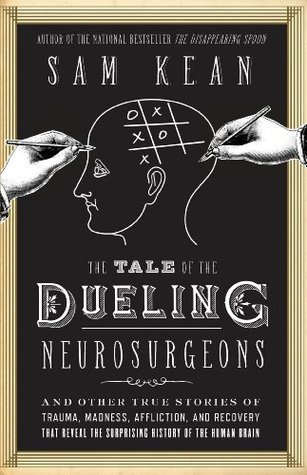
"The Tale of the Dueling Neurosurgeons" delves into the fascinating and often bizarre history of brain science, viewed through the lens of extraordinary neurological cases. Sam Kean transports the reader through centuries of medical breakthroughs and missteps, detailing real-life stories of individuals whose brain trauma, illnesses, or anomalies provided crucial insights into how the brain works. It's a journey through the evolution of our understanding of consciousness, memory, identity, and mental illness, all illuminated by memorable, often tragic, personal narratives.
This book shares a core appeal with "The Brain that Changes Itself" in its reliance on compelling human stories to explain complex neuroscience. Both authors skillfully translate intricate scientific concepts into accessible narratives, using individual experiences of damage, recovery, or remarkable adaptation to illustrate the brain's incredible capacity for change and its intricate workings. They both highlight the profound connection between the physical brain and our lived experience, making abstract science profoundly personal.
The adult reader will be drawn to "The Tale of the Dueling Neurosurgeons" for its blend of academic rigor and captivating storytelling. It offers a unique perspective on the history of medicine and psychology, providing a rich tapestry of human resilience and scientific discovery. The book provides a deeper appreciation for the fragility and complexity of the brain, while also fostering an informed understanding of its vast potential.
The Tale of the Dueling Neurosurgeons: The History of the Human Brain as Revealed by True Stories of Trauma, Madness, and Recovery
"The Tale of the Dueling Neurosurgeons" delves into the fascinating and often bizarre history of brain science, viewed through the lens of extraordinary neurological cases. Sam Kean transports the reader through centuries of medical breakthroughs and missteps, detailing real-life stories of individuals whose brain trauma, illnesses, or anomalies provided crucial insights into how the brain works. It's a journey through the evolution of our understanding of consciousness, memory, identity, and mental illness, all illuminated by memorable, often tragic, personal narratives.
This book shares a core appeal with "The Brain that Changes Itself" in its reliance on compelling human stories to explain complex neuroscience. Both authors skillfully translate intricate scientific concepts into accessible narratives, using individual experiences of damage, recovery, or remarkable adaptation to illustrate the brain's incredible capacity for change and its intricate workings. They both highlight the profound connection between the physical brain and our lived experience, making abstract science profoundly personal.
The adult reader will be drawn to "The Tale of the Dueling Neurosurgeons" for its blend of academic rigor and captivating storytelling. It offers a unique perspective on the history of medicine and psychology, providing a rich tapestry of human resilience and scientific discovery. The book provides a deeper appreciation for the fragility and complexity of the brain, while also fostering an informed understanding of its vast potential.
The Other Brain: From Dementia to Schizophrenia, How New Discoveries About the Brain Are Revolutionizing Medicine and Science
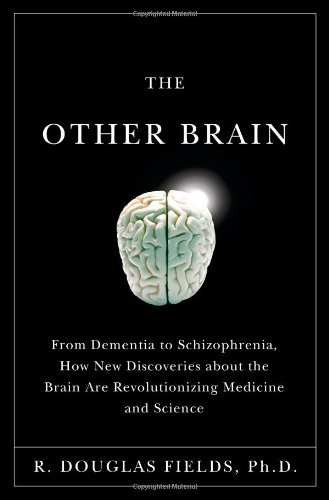
"The Other Brain" by R. Douglas Fields delves into the fascinating world of glia, the often-overlooked "support cells" of the brain. Fields argues that these glial cells, far from being mere scaffolding, play a crucial and active role in everything from learning and memory to the development of neurological disorders like dementia and schizophrenia. The book illuminates how cutting-edge research is revealing glia's profound impact on brain function and disease.
This book shares a core theme with "The Brain That Changes Itself": the dynamic and adaptable nature of the brain. Both works explore how our understanding of brain biology is being revolutionized, moving beyond static models to embrace a more fluid and responsive organ. While Doidge focuses on neuronal plasticity, Fields expands this concept to the equally significant role of glial plasticity in shaping brain health and disease.
Individuals interested in neuroscience, health, and the future of medicine will find immense value in this exploration. It offers a fresh perspective on brain function, demystifying complex biological processes and highlighting the exciting potential for new treatments arising from this glial-centric research. The book provides a compelling and accessible journey into the breakthroughs redefining our understanding of the brain's complexities.
The Other Brain: From Dementia to Schizophrenia, How New Discoveries About the Brain Are Revolutionizing Medicine and Science
"The Other Brain" by R. Douglas Fields delves into the fascinating world of glia, the often-overlooked "support cells" of the brain. Fields argues that these glial cells, far from being mere scaffolding, play a crucial and active role in everything from learning and memory to the development of neurological disorders like dementia and schizophrenia. The book illuminates how cutting-edge research is revealing glia's profound impact on brain function and disease.
This book shares a core theme with "The Brain That Changes Itself": the dynamic and adaptable nature of the brain. Both works explore how our understanding of brain biology is being revolutionized, moving beyond static models to embrace a more fluid and responsive organ. While Doidge focuses on neuronal plasticity, Fields expands this concept to the equally significant role of glial plasticity in shaping brain health and disease.
Individuals interested in neuroscience, health, and the future of medicine will find immense value in this exploration. It offers a fresh perspective on brain function, demystifying complex biological processes and highlighting the exciting potential for new treatments arising from this glial-centric research. The book provides a compelling and accessible journey into the breakthroughs redefining our understanding of the brain's complexities.
You Are the Placebo: Making Your Mind Matter

"You Are the Placebo: Making Your Mind Matter" explores the profound connection between our thoughts, beliefs, and physical reality. Dr. Dispenza draws on neuroscience, quantum physics, and personal testimonies to argue that the placebo effect isn't just about sham treatments, but a powerful mechanism through which our minds can literally heal our bodies and shape our experiences. He provides practical steps and meditations to harness this innate ability for personal transformation.
This book shares significant ground with "The Brain that Changes Itself" because both delve into the brain's astonishing capacity for change and adaptation. While Doidge focuses on neuroplasticity in response to sensory input and experience, Dispenza emphasizes how our internal mental states and conscious intentions can directly influence our biological processes and well-being, essentially demonstrating a form of self-directed neuroplasticity. Both books highlight the brain's dynamic nature and its central role in our health and capabilities.
Individuals interested in understanding the mind-body connection and taking a more active role in their health and personal development will find this book particularly compelling. It offers a scientific framework and actionable strategies for leveraging one's own mental power to overcome challenges, improve health, and create desired life outcomes. The emphasis on personal agency and the brain's inherent capacity for self-repair makes it a valuable resource for anyone seeking profound, lasting change.
You Are the Placebo: Making Your Mind Matter
"You Are the Placebo: Making Your Mind Matter" explores the profound connection between our thoughts, beliefs, and physical reality. Dr. Dispenza draws on neuroscience, quantum physics, and personal testimonies to argue that the placebo effect isn't just about sham treatments, but a powerful mechanism through which our minds can literally heal our bodies and shape our experiences. He provides practical steps and meditations to harness this innate ability for personal transformation.
This book shares significant ground with "The Brain that Changes Itself" because both delve into the brain's astonishing capacity for change and adaptation. While Doidge focuses on neuroplasticity in response to sensory input and experience, Dispenza emphasizes how our internal mental states and conscious intentions can directly influence our biological processes and well-being, essentially demonstrating a form of self-directed neuroplasticity. Both books highlight the brain's dynamic nature and its central role in our health and capabilities.
Individuals interested in understanding the mind-body connection and taking a more active role in their health and personal development will find this book particularly compelling. It offers a scientific framework and actionable strategies for leveraging one's own mental power to overcome challenges, improve health, and create desired life outcomes. The emphasis on personal agency and the brain's inherent capacity for self-repair makes it a valuable resource for anyone seeking profound, lasting change.
The Root of Thought: Unlocking Glia--the Brain Cell That Will Help Us Sharpen Our Wits, Heal Injury, and Treat Brain Disease

"The Root of Thought" delves into the often-overlooked world of glia, the brain cells once considered mere support structures for neurons. Andrew Koob reveals how these intricate cells play a fundamental role in everything from learning and memory to our immune responses and the very development of our brains. He unpacks cutting-edge research demonstrating glia's profound impact on neurological diseases, injury recovery, and even our cognitive abilities, presenting them as a crucial, active component of our mental landscape rather than passive bystanders.
This book shares thematic kinship with "The Brain that Changes Itself" by highlighting the brain's remarkable capacity for adaptation and resilience. Both titles explore how our understanding of brain function is evolving, moving beyond established paradigms to reveal new avenues for healing and enhancement. While Doidge focuses on neuroplasticity through personal narratives, Koob spotlights the cellular mechanisms, particularly glia, that underpin much of this adaptive potential.
This exploration of glia will captivate anyone interested in the future of neuroscience and human potential. It offers a fresh perspective on brain health and disease, presenting compelling evidence that by understanding and leveraging these powerful cells, we can unlock new strategies to improve cognitive function, repair neurological damage, and develop groundbreaking treatments for a range of brain disorders. The insights provided empower a deeper understanding of our own minds and the possibilities for therapeutic intervention.
The Root of Thought: Unlocking Glia--the Brain Cell That Will Help Us Sharpen Our Wits, Heal Injury, and Treat Brain Disease
"The Root of Thought" delves into the often-overlooked world of glia, the brain cells once considered mere support structures for neurons. Andrew Koob reveals how these intricate cells play a fundamental role in everything from learning and memory to our immune responses and the very development of our brains. He unpacks cutting-edge research demonstrating glia's profound impact on neurological diseases, injury recovery, and even our cognitive abilities, presenting them as a crucial, active component of our mental landscape rather than passive bystanders.
This book shares thematic kinship with "The Brain that Changes Itself" by highlighting the brain's remarkable capacity for adaptation and resilience. Both titles explore how our understanding of brain function is evolving, moving beyond established paradigms to reveal new avenues for healing and enhancement. While Doidge focuses on neuroplasticity through personal narratives, Koob spotlights the cellular mechanisms, particularly glia, that underpin much of this adaptive potential.
This exploration of glia will captivate anyone interested in the future of neuroscience and human potential. It offers a fresh perspective on brain health and disease, presenting compelling evidence that by understanding and leveraging these powerful cells, we can unlock new strategies to improve cognitive function, repair neurological damage, and develop groundbreaking treatments for a range of brain disorders. The insights provided empower a deeper understanding of our own minds and the possibilities for therapeutic intervention.
Phantoms in the Brain: Probing the Mysteries of the Human Mind

"Phantoms in the Brain" by V.S. Ramachandran delves into the intriguing world of neurological disorders, particularly focusing on phantom limb syndrome and other unusual brain phenomena. Ramachandran uses case studies and experiments to unravel how the brain constructs our perception, memory, and sense of self, often in surprising and counterintuitive ways, challenging our understanding of consciousness and identity.
This book shares a core similarity with "The Brain That Changes Itself" by exploring the brain's remarkable plasticity and adaptive capabilities. Both authors utilize compelling patient stories to illustrate how the brain can rewire itself, overcome seemingly insurmountable challenges, and generate extraordinary experiences, making cutting-edge neuroscience accessible and relatable.
The book will appeal to those fascinated by the brain's intricacies and the profound impact of neurological conditions on human experience. It offers a captivating journey into the human mind, illuminating how our brains shape our reality and demonstrating the often-unexpected insights gained from studying disorders, ultimately enriching comprehension of both typical and atypical brain function.
Phantoms in the Brain: Probing the Mysteries of the Human Mind
"Phantoms in the Brain" by V.S. Ramachandran delves into the intriguing world of neurological disorders, particularly focusing on phantom limb syndrome and other unusual brain phenomena. Ramachandran uses case studies and experiments to unravel how the brain constructs our perception, memory, and sense of self, often in surprising and counterintuitive ways, challenging our understanding of consciousness and identity.
This book shares a core similarity with "The Brain That Changes Itself" by exploring the brain's remarkable plasticity and adaptive capabilities. Both authors utilize compelling patient stories to illustrate how the brain can rewire itself, overcome seemingly insurmountable challenges, and generate extraordinary experiences, making cutting-edge neuroscience accessible and relatable.
The book will appeal to those fascinated by the brain's intricacies and the profound impact of neurological conditions on human experience. It offers a captivating journey into the human mind, illuminating how our brains shape our reality and demonstrating the often-unexpected insights gained from studying disorders, ultimately enriching comprehension of both typical and atypical brain function.
The Future of the Mind: The Scientific Quest to Understand, Enhance, and Empower the Mind

"The Future of the Mind" by Michio Kaku is a captivating exploration of neuroscience and technology, delving into how our understanding of the brain is evolving and the potential for incredible advancements. Kaku speculates on futuristic concepts like telepathy, telekinesis, artificial intelligence, and achieving immortality through digital consciousness, all grounded in current scientific research and emerging technologies. It's a journey into the cutting edge of brain science, considering both the scientific hurdles and ethical implications of manipulating and expanding human cognitive abilities.
This book shares thematic DNA with "The Brain that Changes Itself" by Norman Doidge through its focus on the brain's remarkable capabilities and transformative potential. While Doidge roots his narrative in existing neuroplasticity and recovery stories, Kaku projects these principles into the future, envisioning how such malleability could be harnessed and amplified with new technologies. Both works underscore the brain's dynamic nature and its profound impact on our existence, albeit from different temporal perspectives.
"The Future of the Mind" offers a compelling vision of humanity's intellectual evolution, inspiring contemplation on what it means to be human in an era of rapid technological change. Its accessible explanations of complex scientific ideas, combined with Kaku's enthusiasm for the extraordinary possibilities ahead, provide a thought-provoking and valuable perspective on the destiny of our minds. It invites a deeper understanding of the scientific frontiers shaping our future selves.
The Future of the Mind: The Scientific Quest to Understand, Enhance, and Empower the Mind
"The Future of the Mind" by Michio Kaku is a captivating exploration of neuroscience and technology, delving into how our understanding of the brain is evolving and the potential for incredible advancements. Kaku speculates on futuristic concepts like telepathy, telekinesis, artificial intelligence, and achieving immortality through digital consciousness, all grounded in current scientific research and emerging technologies. It's a journey into the cutting edge of brain science, considering both the scientific hurdles and ethical implications of manipulating and expanding human cognitive abilities.
This book shares thematic DNA with "The Brain that Changes Itself" by Norman Doidge through its focus on the brain's remarkable capabilities and transformative potential. While Doidge roots his narrative in existing neuroplasticity and recovery stories, Kaku projects these principles into the future, envisioning how such malleability could be harnessed and amplified with new technologies. Both works underscore the brain's dynamic nature and its profound impact on our existence, albeit from different temporal perspectives.
"The Future of the Mind" offers a compelling vision of humanity's intellectual evolution, inspiring contemplation on what it means to be human in an era of rapid technological change. Its accessible explanations of complex scientific ideas, combined with Kaku's enthusiasm for the extraordinary possibilities ahead, provide a thought-provoking and valuable perspective on the destiny of our minds. It invites a deeper understanding of the scientific frontiers shaping our future selves.
My Stroke of Insight: A Brain Scientist's Personal Journey

"My Stroke of Insight" chronicles neuroanatomist Jill Bolte Taylor's experience of suffering a severe stroke in the left hemisphere of her brain and her subsequent eight-year recovery. It offers a unique first-person perspective on the brain's functions, the nature of consciousness, and the profound differences between hemispheric processing, written from the perspective of an expert who lived through brain damage and recovery.
It parallels "The Brain that Changes Itself" by showcasing the extraordinary plasticity of the brain. Both books emphasize the brain's capacity for fundamental change, adaptation, and healing, moving beyond the traditional static view of the adult brain. While Doidge presents multiple case studies, Taylor's book provides an intimate, deeply personal, and scientifically informed single narrative of neuroplasticity in action.
The book's appeal lies in its compelling blend of scientific explanation and profound personal testimony. It offers deep insights into brain function, consciousness, and recovery, making complex neuroscience accessible through a relatable and inspiring story. Its value stems from its ability to demystify brain injury and demonstrate the incredible resilience and adaptability of the human mind, offering hope and understanding to anyone interested in the brain's potential for transformation.
My Stroke of Insight: A Brain Scientist's Personal Journey
"My Stroke of Insight" chronicles neuroanatomist Jill Bolte Taylor's experience of suffering a severe stroke in the left hemisphere of her brain and her subsequent eight-year recovery. It offers a unique first-person perspective on the brain's functions, the nature of consciousness, and the profound differences between hemispheric processing, written from the perspective of an expert who lived through brain damage and recovery.
It parallels "The Brain that Changes Itself" by showcasing the extraordinary plasticity of the brain. Both books emphasize the brain's capacity for fundamental change, adaptation, and healing, moving beyond the traditional static view of the adult brain. While Doidge presents multiple case studies, Taylor's book provides an intimate, deeply personal, and scientifically informed single narrative of neuroplasticity in action.
The book's appeal lies in its compelling blend of scientific explanation and profound personal testimony. It offers deep insights into brain function, consciousness, and recovery, making complex neuroscience accessible through a relatable and inspiring story. Its value stems from its ability to demystify brain injury and demonstrate the incredible resilience and adaptability of the human mind, offering hope and understanding to anyone interested in the brain's potential for transformation.
More Books to Explore
Discover more titles that expand on these ideas and themes.
The Mind & the Brain: Neuroplasticity and the Power of Mental Force
Evolve Your Brain: The Science of Changing Your Mind
Rewire Your Brain: Think Your Way to a Better Life
The Tale of the Dueling Neurosurgeons: The History of the Human Brain as Revealed by True Stories of Trauma, Madness, and Recovery
The Other Brain: From Dementia to Schizophrenia, How New Discoveries About the Brain Are Revolutionizing Medicine and Science
You Are the Placebo: Making Your Mind Matter