10 Books Similar to "The Age of Turbulence"
by Alan Greenspan

After the Music Stopped: The Financial Crisis, the Response, and the Work Ahead

"After the Music Stopped" meticulously dissects the 2008 financial crisis from its insidious origins to the sweeping governmental responses and the enduring aftermath. Alan S. Blinder, a former Vice Chairman of the Federal Reserve, offers a comprehensive, insider's account, explaining complex economic events and policies with impressive clarity. He unpacks the subprime mortgage meltdown, the collapse of major institutions, and the contentious debates surrounding bailouts and regulatory reforms, guiding the reader through one of the most turbulent periods in recent economic history.
This book shares a significant intellectual kinship with "The Age of Turbulence" due to its focus on monumental economic shifts and crises, seen through the eyes of a highly influential figure. Both authors provide a deeply informed perspective on market dynamics, the role of central banks, and the interplay between economic policy and global events. While Greenspan offers a broader historical sweep, Blinder provides an equally authoritative and intricate examination of a specific, pivotal crisis, embodying that same level of intellectual rigor and gravitas.
Anyone interested in understanding the fundamental causes and consequences of the 2008 financial crisis will find immense value in Blinder's narrative. Its detailed yet accessible explanation of complex financial mechanisms, coupled with its insights into policy decisions made under extreme pressure, offers crucial lessons for navigating future economic challenges. The book serves as an essential resource for those seeking a sophisticated comprehension of modern economic resilience and risk.
After the Music Stopped: The Financial Crisis, the Response, and the Work Ahead
"After the Music Stopped" meticulously dissects the 2008 financial crisis from its insidious origins to the sweeping governmental responses and the enduring aftermath. Alan S. Blinder, a former Vice Chairman of the Federal Reserve, offers a comprehensive, insider's account, explaining complex economic events and policies with impressive clarity. He unpacks the subprime mortgage meltdown, the collapse of major institutions, and the contentious debates surrounding bailouts and regulatory reforms, guiding the reader through one of the most turbulent periods in recent economic history.
This book shares a significant intellectual kinship with "The Age of Turbulence" due to its focus on monumental economic shifts and crises, seen through the eyes of a highly influential figure. Both authors provide a deeply informed perspective on market dynamics, the role of central banks, and the interplay between economic policy and global events. While Greenspan offers a broader historical sweep, Blinder provides an equally authoritative and intricate examination of a specific, pivotal crisis, embodying that same level of intellectual rigor and gravitas.
Anyone interested in understanding the fundamental causes and consequences of the 2008 financial crisis will find immense value in Blinder's narrative. Its detailed yet accessible explanation of complex financial mechanisms, coupled with its insights into policy decisions made under extreme pressure, offers crucial lessons for navigating future economic challenges. The book serves as an essential resource for those seeking a sophisticated comprehension of modern economic resilience and risk.
How Markets Fail: The Logic of Economic Calamities
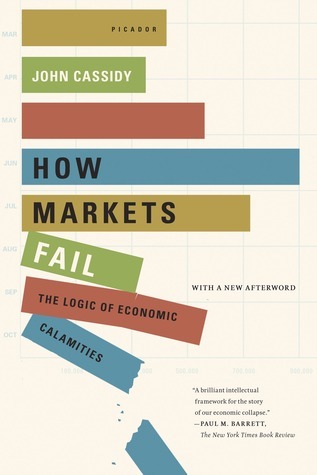
"How Markets Fail" meticulously dissects the mechanisms behind economic crises, challenging the notion of perfectly rational markets. Cassidy argues that inherent flaws, from behavioral irrationalities to systemic risks and regulatory failures, consistently lead to booms and busts, providing a compelling historical and theoretical framework for understanding market instability.
This book resonates with themes in "The Age of Turbulence" by also scrutinizing the complex interplay between economic forces, policy decisions, and market behavior during periods of significant upheaval. Both authors offer deep analyses of why seemingly robust financial systems can falter, bridging economic theory with real-world consequences and governmental responses.
The book will appeal to those seeking a deeper, critical understanding of economic history and the recurring patterns of market failure. Its detailed yet accessible discussions of complex economic concepts and historical events offer valuable insights into preventing future calamities and fostering more equitable, stable financial systems.
How Markets Fail: The Logic of Economic Calamities
"How Markets Fail" meticulously dissects the mechanisms behind economic crises, challenging the notion of perfectly rational markets. Cassidy argues that inherent flaws, from behavioral irrationalities to systemic risks and regulatory failures, consistently lead to booms and busts, providing a compelling historical and theoretical framework for understanding market instability.
This book resonates with themes in "The Age of Turbulence" by also scrutinizing the complex interplay between economic forces, policy decisions, and market behavior during periods of significant upheaval. Both authors offer deep analyses of why seemingly robust financial systems can falter, bridging economic theory with real-world consequences and governmental responses.
The book will appeal to those seeking a deeper, critical understanding of economic history and the recurring patterns of market failure. Its detailed yet accessible discussions of complex economic concepts and historical events offer valuable insights into preventing future calamities and fostering more equitable, stable financial systems.
Fault Lines: How Hidden Fractures Still Threaten the World Economy
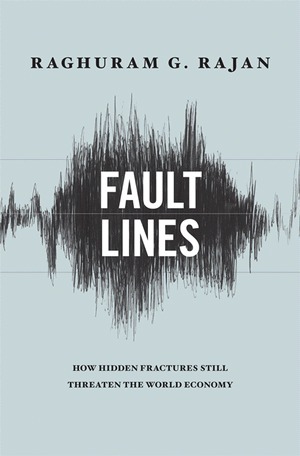
"Fault Lines" explores the underlying vulnerabilities within the global financial system that continue to pose significant risks to economic stability. Rajan argues that deeper, structural problems – "fault lines" – persisted even after the 2008 crisis, originating from imbalances between developing and developed nations, and within societies themselves through income inequality and political divisions. He dissects how these fractures can ignite future crises.
This book shares conceptual DNA with "The Age of Turbulence" by offering a panoramic, insider's view of economic forces and policy decisions that shape global prosperity and peril. Both Greenspan and Rajan, having held prominent economic positions, provide a blend of historical context, theoretical insights, and practical analyses of complex financial phenomena, identifying systemic weaknesses and their potential ramifications.
Anyone interested in understanding the hidden mechanisms that drive global economic cycles will appreciate this book. It offers a crucial framework for comprehending why financial crises occur and how interconnected our world truly is, providing valuable foresight into potential future challenges and the policy responses they might necessitate.
Fault Lines: How Hidden Fractures Still Threaten the World Economy
"Fault Lines" explores the underlying vulnerabilities within the global financial system that continue to pose significant risks to economic stability. Rajan argues that deeper, structural problems – "fault lines" – persisted even after the 2008 crisis, originating from imbalances between developing and developed nations, and within societies themselves through income inequality and political divisions. He dissects how these fractures can ignite future crises.
This book shares conceptual DNA with "The Age of Turbulence" by offering a panoramic, insider's view of economic forces and policy decisions that shape global prosperity and peril. Both Greenspan and Rajan, having held prominent economic positions, provide a blend of historical context, theoretical insights, and practical analyses of complex financial phenomena, identifying systemic weaknesses and their potential ramifications.
Anyone interested in understanding the hidden mechanisms that drive global economic cycles will appreciate this book. It offers a crucial framework for comprehending why financial crises occur and how interconnected our world truly is, providing valuable foresight into potential future challenges and the policy responses they might necessitate.
Our Dollar, Your Problem: An Insider's View of Seven Turbulent Decades of Global Finance, and the Road Ahead
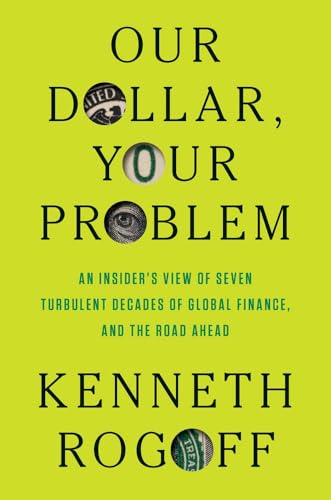
"Our Dollar, Your Problem" by Kenneth Rogoff offers an insightful journey through the intricate world of global finance over the past seventy years, narrated from the perspective of an economist with deep institutional experience. Rogoff dissects critical financial crises, currency dynamics—especially the dollar's enduring dominance—and policy responses, ultimately projecting potential future challenges and opportunities for the global economic landscape. It’s a sophisticated yet accessible primer on the forces shaping our interconnected financial reality.
This book shares significant thematic and methodological DNA with Alan Greenspan's "The Age of Turbulence." Both authors, having occupied high-level positions within central banking and academia respectively, provide an insider's perspective on the mechanisms of financial decision-making and the historical evolution of economic policy. They both blend personal reflection with rigorous economic analysis to explain complex global events and foretell future trends, offering a macro-level view informed by individual expertise.
The book will appeal to those eager to understand the historical underpinnings of today's economic challenges and the forces that maintain the dollar's global primacy. Its value lies in providing a comprehensive, expert-driven analysis of how past decisions and crises have shaped our financial present, equipping one with a richer context for interpreting economic news and forecasting future shifts. It offers a vital framework for comprehending global financial power dynamics.
Our Dollar, Your Problem: An Insider's View of Seven Turbulent Decades of Global Finance, and the Road Ahead
"Our Dollar, Your Problem" by Kenneth Rogoff offers an insightful journey through the intricate world of global finance over the past seventy years, narrated from the perspective of an economist with deep institutional experience. Rogoff dissects critical financial crises, currency dynamics—especially the dollar's enduring dominance—and policy responses, ultimately projecting potential future challenges and opportunities for the global economic landscape. It’s a sophisticated yet accessible primer on the forces shaping our interconnected financial reality.
This book shares significant thematic and methodological DNA with Alan Greenspan's "The Age of Turbulence." Both authors, having occupied high-level positions within central banking and academia respectively, provide an insider's perspective on the mechanisms of financial decision-making and the historical evolution of economic policy. They both blend personal reflection with rigorous economic analysis to explain complex global events and foretell future trends, offering a macro-level view informed by individual expertise.
The book will appeal to those eager to understand the historical underpinnings of today's economic challenges and the forces that maintain the dollar's global primacy. Its value lies in providing a comprehensive, expert-driven analysis of how past decisions and crises have shaped our financial present, equipping one with a richer context for interpreting economic news and forecasting future shifts. It offers a vital framework for comprehending global financial power dynamics.
How an Economy Grows and Why It Crashes

"How an Economy Grows and Why It Crashes" offers a compelling, accessible primer on economic principles, detailing the mechanisms of wealth creation, the role of sound money and productive investment, and the pitfalls of government intervention and unsustainable credit expansion. Schiff, through a narrative approach, explains how these forces can lead to periods of prosperity and ultimately, to economic collapse.
This book shares thematic ground with "The Age of Turbulence" by exploring the fundamental drivers of economic cycles and crises. Both authors delve into the intricate relationship between policy decisions, market forces, and their macroeconomic consequences, albeit from different perspectives. While Greenspan offers an insider's view from the highest echelons of power, Schiff provides a more libertarian, critical analysis of government and central bank actions.
This work appeals to those seeking a clear, foundational understanding of economic theory, particularly individuals interested in Austrian economics or those critical of conventional monetary policy. It provides a unique lens through which to interpret current events and historical economic trends, making the complexities of the global financial system more digestible and equipping curious minds with a framework for informed analysis.
How an Economy Grows and Why It Crashes
"How an Economy Grows and Why It Crashes" offers a compelling, accessible primer on economic principles, detailing the mechanisms of wealth creation, the role of sound money and productive investment, and the pitfalls of government intervention and unsustainable credit expansion. Schiff, through a narrative approach, explains how these forces can lead to periods of prosperity and ultimately, to economic collapse.
This book shares thematic ground with "The Age of Turbulence" by exploring the fundamental drivers of economic cycles and crises. Both authors delve into the intricate relationship between policy decisions, market forces, and their macroeconomic consequences, albeit from different perspectives. While Greenspan offers an insider's view from the highest echelons of power, Schiff provides a more libertarian, critical analysis of government and central bank actions.
This work appeals to those seeking a clear, foundational understanding of economic theory, particularly individuals interested in Austrian economics or those critical of conventional monetary policy. It provides a unique lens through which to interpret current events and historical economic trends, making the complexities of the global financial system more digestible and equipping curious minds with a framework for informed analysis.
The Clash of Economic Ideas

"The Clash of Economic Ideas" by Lawrence H. White meticulously traces the intellectual battlegrounds of economic thought throughout the 20th century. It unpacks the foundational debates between competing schools – notably the Austrian, Chicago, and Keynesian traditions – examining their core principles, policy prescriptions, and the personalities behind them. The book provides a historical lens on how these diverse perspectives shaped our understanding of markets, money, and government intervention.
This book resonates with Alan Greenspan's "The Age of Turbulence" due to their shared focus on the evolution of economic theory and its real-world implications. Both works delve into the interplay between ideas, policy, and market outcomes, exploring how different frameworks have been applied to understand and navigate periods of economic upheaval. While Greenspan offers a memoir infused with economic analysis, White provides a more explicit intellectual history of the theories themselves, yet both ultimately aim to clarify the forces shaping modern economies.
An individual interested in the intellectual underpinnings of economic policy will find this book highly valuable. It offers a sophisticated yet accessible understanding of economic history, revealing how current policy debates are often rooted in centuries-old theoretical disagreements. The book illuminates the enduring relevance of these historical clashes, enriching one's perspective on contemporary economic challenges and the varying proposed solutions.
The Clash of Economic Ideas
"The Clash of Economic Ideas" by Lawrence H. White meticulously traces the intellectual battlegrounds of economic thought throughout the 20th century. It unpacks the foundational debates between competing schools – notably the Austrian, Chicago, and Keynesian traditions – examining their core principles, policy prescriptions, and the personalities behind them. The book provides a historical lens on how these diverse perspectives shaped our understanding of markets, money, and government intervention.
This book resonates with Alan Greenspan's "The Age of Turbulence" due to their shared focus on the evolution of economic theory and its real-world implications. Both works delve into the interplay between ideas, policy, and market outcomes, exploring how different frameworks have been applied to understand and navigate periods of economic upheaval. While Greenspan offers a memoir infused with economic analysis, White provides a more explicit intellectual history of the theories themselves, yet both ultimately aim to clarify the forces shaping modern economies.
An individual interested in the intellectual underpinnings of economic policy will find this book highly valuable. It offers a sophisticated yet accessible understanding of economic history, revealing how current policy debates are often rooted in centuries-old theoretical disagreements. The book illuminates the enduring relevance of these historical clashes, enriching one's perspective on contemporary economic challenges and the varying proposed solutions.
Lords of Finance: The Bankers Who Broke the World

"Lords of Finance: The Bankers Who Broke the World" chronicles the pivotal decisions and personalities of the central bank governors of the world's most powerful nations during the lead-up to the Great Depression. It investigates how their actions, driven by economic dogma and personal convictions, inadvertently set the stage for global financial collapse, offering a detailed human and institutional narrative of the era.
This book aligns with "The Age of Turbulence" by providing a deep dive into the complexities of financial markets and the influential figures shaping economic history. Both works explore how policy decisions, often made by a select few at the apex of global finance, have profound and lasting consequences on the world economy and individual lives. They share a focus on the interplay between economic theory, political realities, and the human element in financial crises.
This account offers a compelling narrative for anyone seeking to understand the historical roots of economic instability and the limitations of even the most powerful institutions. It illuminates how hubris and miscalculation at the highest levels can cascade into widespread societal disruption, providing crucial context for comprehending contemporary financial challenges and the enduring lessons of economic history.
Lords of Finance: The Bankers Who Broke the World
"Lords of Finance: The Bankers Who Broke the World" chronicles the pivotal decisions and personalities of the central bank governors of the world's most powerful nations during the lead-up to the Great Depression. It investigates how their actions, driven by economic dogma and personal convictions, inadvertently set the stage for global financial collapse, offering a detailed human and institutional narrative of the era.
This book aligns with "The Age of Turbulence" by providing a deep dive into the complexities of financial markets and the influential figures shaping economic history. Both works explore how policy decisions, often made by a select few at the apex of global finance, have profound and lasting consequences on the world economy and individual lives. They share a focus on the interplay between economic theory, political realities, and the human element in financial crises.
This account offers a compelling narrative for anyone seeking to understand the historical roots of economic instability and the limitations of even the most powerful institutions. It illuminates how hubris and miscalculation at the highest levels can cascade into widespread societal disruption, providing crucial context for comprehending contemporary financial challenges and the enduring lessons of economic history.
End the Fed

Ron Paul's "End the Fed" is a critical examination of the Federal Reserve System, arguing for its abolition. Paul contends that the Fed's inflationary policies, manipulation of interest rates, and role in government finance are detrimental to economic stability, individual liberty, and the American dollar. He advocates for a return to a gold standard and a free-market banking system.
"End the Fed" shares common ground with "The Age of Turbulence" by Alan Greenspan in their profound engagement with the mechanics of monetary policy and its impact on the global economy. Both authors, though from vastly different perspectives, dissect the influence of central banking, governmental intervention, and financial crises. While Greenspan offers an insider's view and defense of central banking, Paul presents a stark counter-narrative, scrutinizing the very foundations Greenspan helped to build.
This book will appeal to those seeking a deeper understanding of alternative economic theories and a critical perspective on modern financial systems. It provides a robust challenge to conventional wisdom regarding central banks and currency, offering a compelling case for a radically different approach to monetary management. Its value lies in provoking thought and encouraging a re-evaluation of established economic structures.
End the Fed
Ron Paul's "End the Fed" is a critical examination of the Federal Reserve System, arguing for its abolition. Paul contends that the Fed's inflationary policies, manipulation of interest rates, and role in government finance are detrimental to economic stability, individual liberty, and the American dollar. He advocates for a return to a gold standard and a free-market banking system.
"End the Fed" shares common ground with "The Age of Turbulence" by Alan Greenspan in their profound engagement with the mechanics of monetary policy and its impact on the global economy. Both authors, though from vastly different perspectives, dissect the influence of central banking, governmental intervention, and financial crises. While Greenspan offers an insider's view and defense of central banking, Paul presents a stark counter-narrative, scrutinizing the very foundations Greenspan helped to build.
This book will appeal to those seeking a deeper understanding of alternative economic theories and a critical perspective on modern financial systems. It provides a robust challenge to conventional wisdom regarding central banks and currency, offering a compelling case for a radically different approach to monetary management. Its value lies in provoking thought and encouraging a re-evaluation of established economic structures.
The Conscience of a Liberal

"The Conscience of a Liberal" delves into the historical evolution of American liberalism, analyzing its rise after the New Deal, its subsequent decline, and offering a compelling case for its resurgence in contemporary policy debates. Krugman meticulously dissects economic policy choices and their societal impacts, advocating for a return to progressive ideals as a pathway to a more equitable and prosperous society.
This book shares common ground with "The Age of Turbulence" by engaging with macroeconomic forces and their influence on political and social landscapes. Both authors, though from different ideological perspectives, offer deeply analytical examinations of economic history, policy decisions, and governmental roles in shaping national and global fortunes. Each provides a Grand Narrative, interpreting complex economic shifts and their consequences through their respective intellectual frameworks.
The book will appeal to those interested in understanding the historical and economic underpinnings of American politics and the persistent relevance of liberal thought in addressing societal challenges. Its detailed historical analysis and passionate argumentation offer a valuable framework for comprehending current economic inequalities and the potential policy solutions.
The Conscience of a Liberal
"The Conscience of a Liberal" delves into the historical evolution of American liberalism, analyzing its rise after the New Deal, its subsequent decline, and offering a compelling case for its resurgence in contemporary policy debates. Krugman meticulously dissects economic policy choices and their societal impacts, advocating for a return to progressive ideals as a pathway to a more equitable and prosperous society.
This book shares common ground with "The Age of Turbulence" by engaging with macroeconomic forces and their influence on political and social landscapes. Both authors, though from different ideological perspectives, offer deeply analytical examinations of economic history, policy decisions, and governmental roles in shaping national and global fortunes. Each provides a Grand Narrative, interpreting complex economic shifts and their consequences through their respective intellectual frameworks.
The book will appeal to those interested in understanding the historical and economic underpinnings of American politics and the persistent relevance of liberal thought in addressing societal challenges. Its detailed historical analysis and passionate argumentation offer a valuable framework for comprehending current economic inequalities and the potential policy solutions.
Shock Values: Prices and Inflation in American Democracy

"Shock Values" delves into the intricate relationship between price stability, inflation, and American democratic politics. Carola Binder explores how public opinion, political discourse, and economic policy have shaped and been shaped by inflationary pressures throughout U.S. history, moving beyond purely economic explanations to integrate social and political dimensions.
This book shares conceptual ground with "The Age of Turbulence" by providing a macroeconomic lens to understand significant periods of economic upheaval. Both authors meticulously examine the forces that drive market fluctuations and their societal impact, with Greenspan offering an insider's view of policy responses and Binder revealing the political and public perception underpinnings of these same economic challenges.
The book offers a compelling narrative for those seeking a deeper understanding of economic policy's socio-political context. It provides valuable insights into how public sentiment, political rhetoric, and legislative actions intertwine with economic reality, making it essential for anyone interested in the broader implications of price stability and inflation on American society.
Shock Values: Prices and Inflation in American Democracy
"Shock Values" delves into the intricate relationship between price stability, inflation, and American democratic politics. Carola Binder explores how public opinion, political discourse, and economic policy have shaped and been shaped by inflationary pressures throughout U.S. history, moving beyond purely economic explanations to integrate social and political dimensions.
This book shares conceptual ground with "The Age of Turbulence" by providing a macroeconomic lens to understand significant periods of economic upheaval. Both authors meticulously examine the forces that drive market fluctuations and their societal impact, with Greenspan offering an insider's view of policy responses and Binder revealing the political and public perception underpinnings of these same economic challenges.
The book offers a compelling narrative for those seeking a deeper understanding of economic policy's socio-political context. It provides valuable insights into how public sentiment, political rhetoric, and legislative actions intertwine with economic reality, making it essential for anyone interested in the broader implications of price stability and inflation on American society.
More Books to Explore
Discover more titles that expand on these ideas and themes.
After the Music Stopped: The Financial Crisis, the Response, and the Work Ahead
How Markets Fail: The Logic of Economic Calamities
Fault Lines: How Hidden Fractures Still Threaten the World Economy
Our Dollar, Your Problem: An Insider's View of Seven Turbulent Decades of Global Finance, and the Road Ahead
How an Economy Grows and Why It Crashes
The Clash of Economic Ideas