
The Clash of Economic Ideas
Book Description
Ideas can ignite revolutions. In "The Clash of Economic Ideas," Lawrence H. White takes readers on a thrilling journey through the fierce battleground of economic theory. Witness the epic struggle between the giants of capitalism, socialism, and the innovative thinkers who dared to challenge the status quo. Experience the pulse of global markets and the cascading effects of policy debates that shape nations. Each idea has the power to uplift or devastate, leaving humanity to navigate a precarious path. As different visions of prosperity collide, which economic framework will ultimately prevail, and what future will it carve for humanity?
Quick Book Summary
Lawrence H. White’s "The Clash of Economic Ideas" charts the dramatic evolution of economic thought across the twentieth century, focusing on the vigorous debates that have shaped modern policies and societies. White dives into the ideological battles between capitalism and socialism, unpacks the intellectual foundations that underlie policy revolutions, and explores how economists’ ideas have directly influenced government actions and global events. Through engaging historical narrative and insightful analysis, he reveals not only the theory behind economic models but also the real-world consequences of their adoption or rejection. White ultimately leaves readers with a nuanced understanding of how ideas—more than mere markets—have determined the prosperity or downfall of nations.


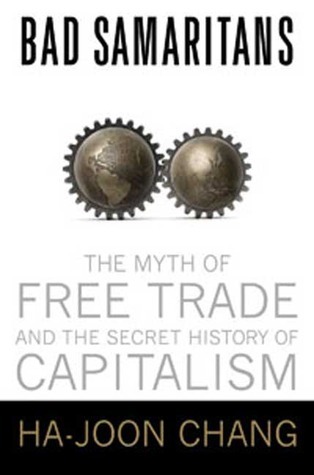
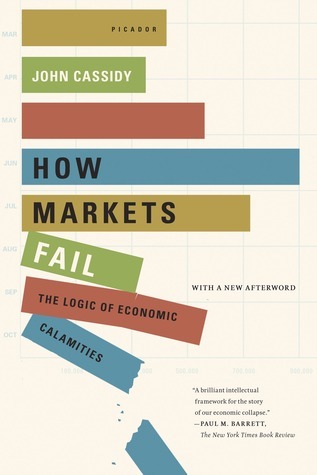
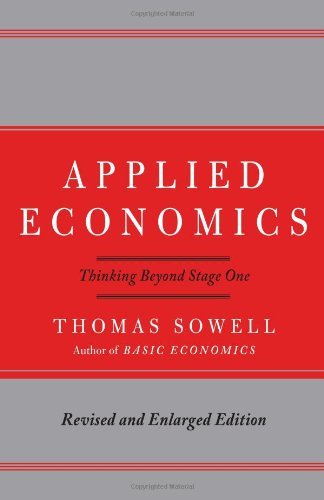
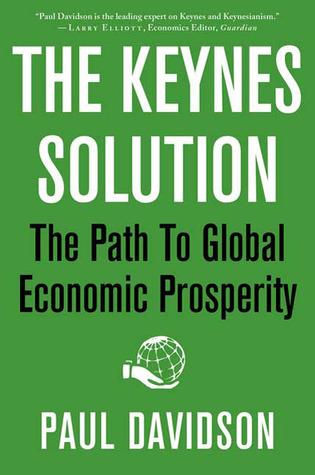
Summary of Key Ideas
Table of Contents
The Ideological Battle: Capitalism versus Socialism
White begins by setting the stage for a century marked by immense ideological confrontations, most notably between the advocates of capitalism and those championing socialism. He underscores how theories are never merely abstract; instead, they are intimately intertwined with the political, social, and historical contexts of their time. Major figures like Keynes, Hayek, and Marx are introduced not only as theorists but as participants in a global dialogue, passionate about shaping the structures of society and governance. These ideological clashes were not just academic—they fueled revolutions, reformulated governments, and influenced the course of nations.
Intellectual Revolutions and Their Impact on Policy
Central to the unfolding story is the way intellectual revolutions, such as Keynesianism during the Great Depression, responded to dire economic emergencies. White traces how the failures and successes of policies implemented in crisis—like the New Deal or postwar recovery plans—were grounded in the prevailing economic theories of the era. The book describes how government intervention was transformed from a radical idea to a mainstream economic tool and contrasts this with the later rise of monetarism and renewed faith in markets, particularly championed by figures like Milton Friedman.
The Evolution and Influence of Macroeconomic Thought
The narrative delves into how shifting patterns in macroeconomic thought have repeatedly changed policy directions around the world. White explores the great debates over business cycles, inflation, and unemployment, paying special attention to how theories about the causes of economic malaise have shaped public perceptions and policy responses. Conflict over the role of central banking, the gold standard, and fiat currency demonstrates the far-reaching impact of economic ideas on the day-to-day lives of ordinary citizens as well as on the stability of entire economies.
Economic Ideas in Practice: Successes and Failures
Beyond theories and crises, White analyzes the implementation of major economic ideas and the tangible effects they produced. The book assesses not only the triumphs but also the devastating consequences of failed experiments, such as centrally planned economies and hyperinflationary spirals. White illustrates how economic doctrines fueled national transformations in the Soviet Union, post-war Germany, and developing countries, contrasting these with the experiences of market-led economies and globalized trade systems. These real-world outcomes are used to highlight the power—both creative and destructive—of economic ideas in practice.
The Ongoing Contest for the Future Economic Order
Concluding, White reflects on the continuing contest among economic schools of thought, emphasizing that no single theory has ever achieved uncontested dominance. He points to the challenges posed by globalization, financial crises, and inequality as areas where new ideas must vie for impact. White makes clear that the future of economic policy will depend on the ongoing dialogue between contending visions, each promising different roads to prosperity or decline. The book closes by urging readers to appreciate the profound influence that economic ideas wield over the fate of nations and the lives of individuals.
Download This Summary
Get a free PDF of this summary instantly — no email required.