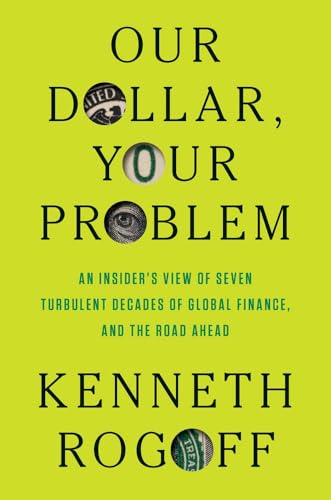
Our Dollar, Your Problem: An Insider's View of Seven Turbulent Decades of Global Finance, and the Road Ahead
Book Description
What if the world's financial backbone is crumbling right before our eyes? In "Our Dollar, Your Problem," Kenneth Rogoff pulls back the curtain on seven decades of global finance, revealing the hidden dynamics that shape economies and influence governments. With gripping insights and a keen eye for detail, Rogoff takes readers on a whirlwind journey through crises, currency wars, and the shadowy corridors of power where decisions are made. As the future of money hangs in the balance, will the choices of today safeguard our tomorrow, or lead to chaos? The clock is ticking—are we ready for what’s next?
Quick Book Summary
"Our Dollar, Your Problem" by Kenneth Rogoff offers an incisive exploration of seventy years of global financial history through the lens of the U.S. dollar’s dominance. Blending personal experience with rigorous analysis, Rogoff reveals how the dollar became the linchpin of the international monetary system, shaping both prosperity and fragility worldwide. The book traces the dollar’s fluctuating fortunes through crises, from Bretton Woods to the 2008 crash, and addresses currency wars, evolving power dynamics, and the role of central banks. Rogoff raises urgent questions about the sustainability of dollar supremacy amid emerging digital currencies, geopolitical shifts, and increasing global debt, ultimately challenging readers to grapple with the risks and opportunities confronting the future of global finance.



Summary of Key Ideas
Table of Contents
The Dollar as the World’s Reserve Currency
Our financial world is anchored by the U.S. dollar, a situation that didn’t arise by chance. Rogoff unpacks the post–World War II era, highlighting the deliberate construction of the Bretton Woods system and how the dollar earned its status as the world’s reserve currency. He examines the advantages this bestowed on the U.S., from global influence to economic flexibility, and how other nations became entangled in America’s monetary policy decisions. As trade and financial systems expanded, the dollar’s role only grew more entrenched, making the world ever more dependent on its stability.
Crisis and Transformation in Global Finance
Crises have repeatedly tested the resilience of this global order. From the collapse of Bretton Woods to the Latin American debt crisis, and later the shockwaves of the 2008 financial meltdown, Rogoff conveys how financial instability exposes the vulnerabilities of a dollar-centric system. He connects the dots between international policy responses, bailouts, and financial reforms, probing their effectiveness and unintended consequences. While each crisis sparked changes, they often reinforced rather than diminished the dollar’s centrality.
Political Power and Financial Influence
At the heart of global finance lie the political choices and power dynamics between nations. Rogoff peels back the layers of diplomatic maneuvering, from U.S. debt negotiations to China’s rising ambitions. He details how financial decisions reverberate geopolitically, with governments using access to markets or sanctions as tools of statecraft. The tensions between cooperation and confrontation, especially among economic giants, continue to shape the international system and determine the rules that govern cross-border flows.
Digital Disruptions and the Future of Money
Rogoff turns his attention to the future, spotlighting the rise of digital currencies, advancements in fintech, and the potential for central bank digital currencies (CBDCs) to challenge the established order. He weighs their promise to democratize finance and improve payment systems against the risks of destabilizing existing norms. Global debt levels, climate change, and persistent inequality further complicate the outlook, forcing policymakers to rethink the structures that have underpinned decades of relative prosperity.
Navigating Uncertain Global Futures
The book closes with a sobering reflection: the road ahead is uncertain. Rogoff encourages vigilance, pragmatism, and international collaboration in navigating future crises. While the dollar remains dominant, its unique position is under threat from shifting alliances, technological innovation, and the unpredictable tides of global politics. The decisions made today, Rogoff cautions, will determine whether the global financial system emerges stronger or succumbs to new forms of instability.
Download This Summary
Get a free PDF of this summary instantly — no email required.