10 Books Similar to "Parmenides"
by Martin Heidegger
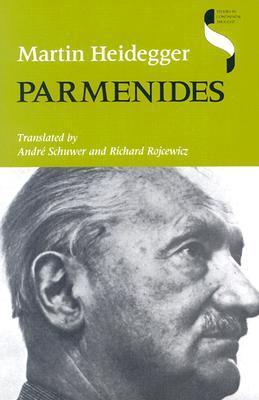
Being and Time
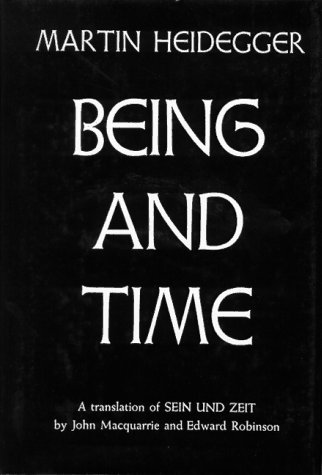
"Being and Time" fundamentally explores the meaning of Being, not as an abstract concept, but always as it relates to human existence, which Heidegger calls Dasein. It delves into how Dasein's unique temporal structure—its past, present, and future—shapes its understanding of the world and its own being-in-the-world, including concepts like anxiety, death, and authenticity.
The similarity to "Parmenides" lies in their shared foundational inquiry into Being itself. Both works are intricate phenomenological investigations, attempting to uncover the most fundamental structures of reality and human understanding. While "Parmenides" focuses on an ancient Greek engagement with the problem of Being, "Being and Time" critically re-engages with this same originating philosophical question, albeit through the lens of individual human existence.
This book appeals to anyone interested in the deepest questions of philosophy, particularly those concerned with existence, time, and the human condition. Its rigorous methodology and profound insights into the nature of Being offer a transformative perspective on self-understanding and the structure of reality, providing a rich foundation for further philosophical and existential inquiry.
Being and Time
"Being and Time" fundamentally explores the meaning of Being, not as an abstract concept, but always as it relates to human existence, which Heidegger calls Dasein. It delves into how Dasein's unique temporal structure—its past, present, and future—shapes its understanding of the world and its own being-in-the-world, including concepts like anxiety, death, and authenticity.
The similarity to "Parmenides" lies in their shared foundational inquiry into Being itself. Both works are intricate phenomenological investigations, attempting to uncover the most fundamental structures of reality and human understanding. While "Parmenides" focuses on an ancient Greek engagement with the problem of Being, "Being and Time" critically re-engages with this same originating philosophical question, albeit through the lens of individual human existence.
This book appeals to anyone interested in the deepest questions of philosophy, particularly those concerned with existence, time, and the human condition. Its rigorous methodology and profound insights into the nature of Being offer a transformative perspective on self-understanding and the structure of reality, providing a rich foundation for further philosophical and existential inquiry.
Poetry, Language, Thought
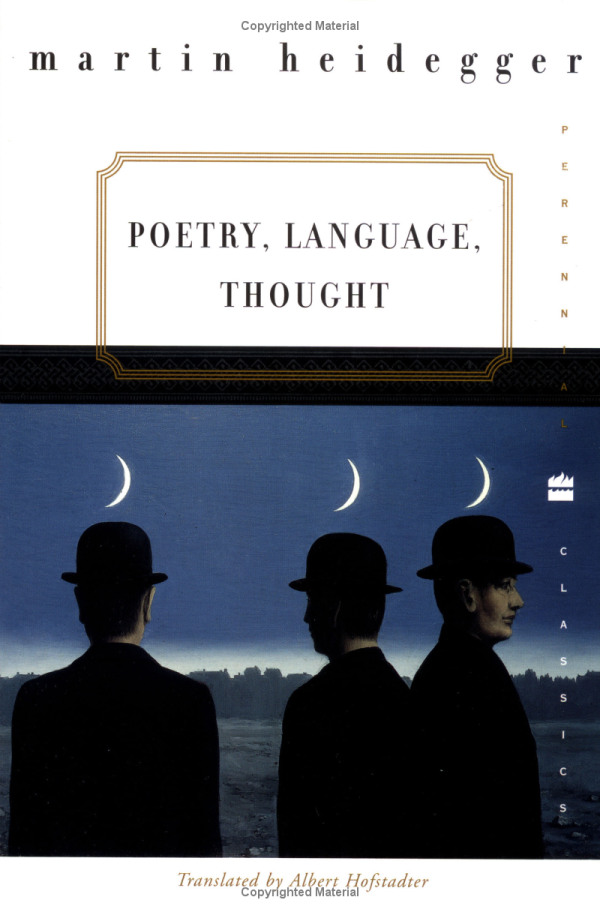
"Poetry, Language, Thought" delves into Heidegger's profound exploration of how language, particularly poetic language, is not merely a tool for communication but the very house of being, revealing reality rather than just describing it. It examines the intrinsic connection between art, truth, and human existence, suggesting that genuine thought often emerges from a poetic understanding of the world.
This collection of essays resonates with "Parmenides" in its persistent questioning of the fundamental nature of being and truth. Both works interrogate the relationship between appearance and reality, the limits and possibilities of language in articulating what truly *is*, and the historical trajectory of Western metaphysics. They share a sustained, almost meditative engagement with foundational philosophical concepts, approaching them through an original and often challenging lens.
The book offers a rare opportunity to engage with one of the 20th century's most influential thinkers as he grapples with the essence of human experience and the role of creative expression in revealing it. It provides a deeper understanding of how we construct and perceive our world, enriching one's perspective on art, philosophy, and the very act of thinking.
Poetry, Language, Thought
"Poetry, Language, Thought" delves into Heidegger's profound exploration of how language, particularly poetic language, is not merely a tool for communication but the very house of being, revealing reality rather than just describing it. It examines the intrinsic connection between art, truth, and human existence, suggesting that genuine thought often emerges from a poetic understanding of the world.
This collection of essays resonates with "Parmenides" in its persistent questioning of the fundamental nature of being and truth. Both works interrogate the relationship between appearance and reality, the limits and possibilities of language in articulating what truly *is*, and the historical trajectory of Western metaphysics. They share a sustained, almost meditative engagement with foundational philosophical concepts, approaching them through an original and often challenging lens.
The book offers a rare opportunity to engage with one of the 20th century's most influential thinkers as he grapples with the essence of human experience and the role of creative expression in revealing it. It provides a deeper understanding of how we construct and perceive our world, enriching one's perspective on art, philosophy, and the very act of thinking.
Basic Writings
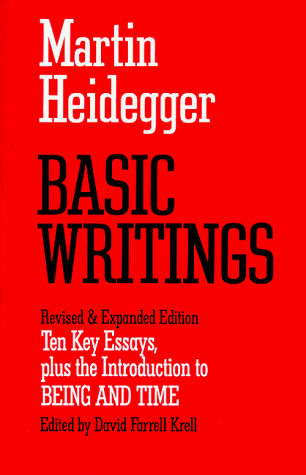
"Basic Writings" offers a foundational introduction to Martin Heidegger's complex philosophical thought, presenting key essays and excerpts that illuminate his central concerns with Being (Sein), Dasein (human existence), truth, and time. It systematically unfolds his early to middle period ideas, providing crucial context for understanding his intellectual project.
This collection resonates with "Parmenides" in its profound engagement with the history of philosophy, particularly ancient Greek thought, as a means to re-interrogate fundamental questions about Being. Both works delve into the origins of Western metaphysics and critique its foundational assumptions, seeking to uncover forgotten meanings of existence that have been obscured by tradition. They share a sustained effort to reveal the underlying structures of reality and human experience.
This compilation provides a solid entry point into Heidegger's challenging philosophy. It is valuable for anyone seeking to grasp the underpinnings of his pervasive influence on 20th-century thought, enabling a deeper appreciation of his critiques of modernity and his inquiries into the very nature of existence.
Basic Writings
"Basic Writings" offers a foundational introduction to Martin Heidegger's complex philosophical thought, presenting key essays and excerpts that illuminate his central concerns with Being (Sein), Dasein (human existence), truth, and time. It systematically unfolds his early to middle period ideas, providing crucial context for understanding his intellectual project.
This collection resonates with "Parmenides" in its profound engagement with the history of philosophy, particularly ancient Greek thought, as a means to re-interrogate fundamental questions about Being. Both works delve into the origins of Western metaphysics and critique its foundational assumptions, seeking to uncover forgotten meanings of existence that have been obscured by tradition. They share a sustained effort to reveal the underlying structures of reality and human experience.
This compilation provides a solid entry point into Heidegger's challenging philosophy. It is valuable for anyone seeking to grasp the underpinnings of his pervasive influence on 20th-century thought, enabling a deeper appreciation of his critiques of modernity and his inquiries into the very nature of existence.
The Question Concerning Technology and Other Essays

"The Question Concerning Technology and Other Essays" probes the essence of technology, moving beyond its instrumental definition as mere tools. Heidegger argues that technology is a fundamental way of revealing truth, a "standing reserve" that shapes our relationship with the world and ourselves. He explores how this technological enframing (Gestell) transforms nature into resources and humans into subjects of calculation, prompting a deep reflection on authenticity and being in a technologically dominated era.
Both books, while seemingly disparate in subject matter, share a core philosophical approach. "Parmenides" delves into the pre-Socratic understanding of Being and appearance, seeking to uncover foundational truths obscured by later philosophical traditions. Similarly, "The Question Concerning Technology" strips away conventional understandings to reveal the deeper, often hidden, ontological implications of technology, both texts ultimately engaging in a profound re-questioning of fundamental concepts that underpin our reality.
This collection will appeal to those interested in profound philosophical inquiry into modern existence. It offers a critical lens through which to examine our technologically saturated world, providing intellectual tools for understanding its pervasive influence and prompting a re-evaluation of our values and human experience within it. The essays provide a rich intellectual experience, encouraging a deeper, more thoughtful engagement with the technological age.
The Question Concerning Technology and Other Essays
"The Question Concerning Technology and Other Essays" probes the essence of technology, moving beyond its instrumental definition as mere tools. Heidegger argues that technology is a fundamental way of revealing truth, a "standing reserve" that shapes our relationship with the world and ourselves. He explores how this technological enframing (Gestell) transforms nature into resources and humans into subjects of calculation, prompting a deep reflection on authenticity and being in a technologically dominated era.
Both books, while seemingly disparate in subject matter, share a core philosophical approach. "Parmenides" delves into the pre-Socratic understanding of Being and appearance, seeking to uncover foundational truths obscured by later philosophical traditions. Similarly, "The Question Concerning Technology" strips away conventional understandings to reveal the deeper, often hidden, ontological implications of technology, both texts ultimately engaging in a profound re-questioning of fundamental concepts that underpin our reality.
This collection will appeal to those interested in profound philosophical inquiry into modern existence. It offers a critical lens through which to examine our technologically saturated world, providing intellectual tools for understanding its pervasive influence and prompting a re-evaluation of our values and human experience within it. The essays provide a rich intellectual experience, encouraging a deeper, more thoughtful engagement with the technological age.
Being and Nothingness

"Being and Nothingness" by Jean-Paul Sartre is a foundational work of existentialist philosophy that explores human consciousness and existence. Sartre argues that consciousness defines itself through its engagement with the world, constantly striving for a self-identity it can never fully achieve. He introduces concepts like "bad faith," where individuals deny their freedom and responsibility, and the idea that "existence precedes essence," implying we are born without inherent purpose and must forge our own meaning.
This echoes Heidegger's "Parmenides" in its profound engagement with the nature of "Being." Both philosophers grapple with the elusive quality of existence itself, albeit from different angles. Where Heidegger attempts to retrieve the question of Being from its historical obscuration, Sartre analyzes the unique mode of being that is human consciousness, distinguishing it sharply from the being of objects. Both texts challenge conventional understandings of reality and identity.
The profound insights offered by "Being and Nothingness" make it highly appealing. It encourages a deep critical reflection on personal freedom, authenticity, and responsibility, timeless concerns that resonate deeply with many. Engaging with Sartre's arguments can be a transformative experience, prompting a re-evaluation of one's place in the world and the choices that define a meaningful life.
Being and Nothingness
"Being and Nothingness" by Jean-Paul Sartre is a foundational work of existentialist philosophy that explores human consciousness and existence. Sartre argues that consciousness defines itself through its engagement with the world, constantly striving for a self-identity it can never fully achieve. He introduces concepts like "bad faith," where individuals deny their freedom and responsibility, and the idea that "existence precedes essence," implying we are born without inherent purpose and must forge our own meaning.
This echoes Heidegger's "Parmenides" in its profound engagement with the nature of "Being." Both philosophers grapple with the elusive quality of existence itself, albeit from different angles. Where Heidegger attempts to retrieve the question of Being from its historical obscuration, Sartre analyzes the unique mode of being that is human consciousness, distinguishing it sharply from the being of objects. Both texts challenge conventional understandings of reality and identity.
The profound insights offered by "Being and Nothingness" make it highly appealing. It encourages a deep critical reflection on personal freedom, authenticity, and responsibility, timeless concerns that resonate deeply with many. Engaging with Sartre's arguments can be a transformative experience, prompting a re-evaluation of one's place in the world and the choices that define a meaningful life.
The Pre-Platonic Philosophers
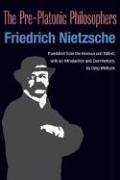
Friedrich Nietzsche's "The Pre-Platonic Philosophers" delves into the foundational thinkers preceding Plato, exploring their diverse attempts to comprehend existence, knowledge, and the cosmos. He examines figures like Thales, Heraclitus, Parmenides, and Anaximander, not as mere historical artifacts, but as vibrant shapers of Western thought, revealing their often radical and intuitive insights before the systematization of later philosophy.
This work resonates with Heidegger's "Parmenides" through their shared engagement with the earliest strata of Greek thought, particularly the Presocratics. Both authors meticulously unpack the profound implications of these early philosophical statements, seeing them as crucial for understanding the trajectory of Western metaphysics. They approach these ancient texts not as static doctrines, but as living questions that continue to inform our modern understanding of being and truth.
Individuals interested in the origins of Western philosophy, the concept of being, and the intellectual journey that led to Plato will appreciate this book. It offers a unique lens through which to view foundational philosophical problems, providing a rich, interpretative engagement with thinkers whose ideas still echo in contemporary discourse, offering profound insights into the very nature of philosophical inquiry itself.
The Pre-Platonic Philosophers
Friedrich Nietzsche's "The Pre-Platonic Philosophers" delves into the foundational thinkers preceding Plato, exploring their diverse attempts to comprehend existence, knowledge, and the cosmos. He examines figures like Thales, Heraclitus, Parmenides, and Anaximander, not as mere historical artifacts, but as vibrant shapers of Western thought, revealing their often radical and intuitive insights before the systematization of later philosophy.
This work resonates with Heidegger's "Parmenides" through their shared engagement with the earliest strata of Greek thought, particularly the Presocratics. Both authors meticulously unpack the profound implications of these early philosophical statements, seeing them as crucial for understanding the trajectory of Western metaphysics. They approach these ancient texts not as static doctrines, but as living questions that continue to inform our modern understanding of being and truth.
Individuals interested in the origins of Western philosophy, the concept of being, and the intellectual journey that led to Plato will appreciate this book. It offers a unique lens through which to view foundational philosophical problems, providing a rich, interpretative engagement with thinkers whose ideas still echo in contemporary discourse, offering profound insights into the very nature of philosophical inquiry itself.
The Art and Thought of Heraclitus
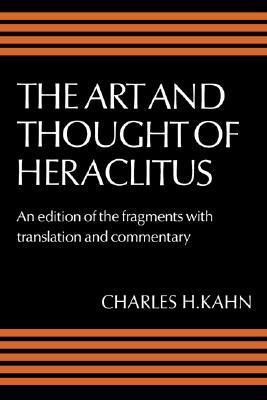
Charles Kahn’s "The Art and Thought of Heraclitus" meticulously reconstructs the fragmented philosophy of the enigmatic pre-Socratic thinker. It delves into Heraclitus's core concepts of flux, cosmic fire, and the unity of opposites, presenting them not as disparate ideas but as an integrated, sophisticated worldview grounded in linguistic artistry. Kahn analyzes the literary and rhetorical dimensions of Heraclitus’s cryptic pronouncements, arguing that their form is integral to their meaning, thereby offering a more holistic understanding of this foundational figure in Western thought.
This book shares significant common ground with Heidegger's "Parmenides" in its profound engagement with early Greek philosophy as a foundational epoch for Western metaphysics. Both works underscore the critical importance of understanding these nascent philosophical inquiries not merely as historical precursors, but as ongoing sources of insight into fundamental questions of being, truth, and language. They each employ meticulous textual analysis to unearth the deeper implications of ancient texts, demonstrating how the very structure of thought and language in these early thinkers shaped the philosophical trajectory that followed.
Those drawn to rigorous intellectual exploration of philosophical origins will value this book. It offers a profound opportunity to engage with one of philosophy's most elusive figures, illuminating how ancient thought continues to resonate in contemporary discussions about reality, knowledge, and expression. The work provides a rare blend of philological precision and philosophical depth, rewarding careful attention with a richer comprehension of both Heraclitus and the enduring power of foundational ideas.
The Art and Thought of Heraclitus
Charles Kahn’s "The Art and Thought of Heraclitus" meticulously reconstructs the fragmented philosophy of the enigmatic pre-Socratic thinker. It delves into Heraclitus's core concepts of flux, cosmic fire, and the unity of opposites, presenting them not as disparate ideas but as an integrated, sophisticated worldview grounded in linguistic artistry. Kahn analyzes the literary and rhetorical dimensions of Heraclitus’s cryptic pronouncements, arguing that their form is integral to their meaning, thereby offering a more holistic understanding of this foundational figure in Western thought.
This book shares significant common ground with Heidegger's "Parmenides" in its profound engagement with early Greek philosophy as a foundational epoch for Western metaphysics. Both works underscore the critical importance of understanding these nascent philosophical inquiries not merely as historical precursors, but as ongoing sources of insight into fundamental questions of being, truth, and language. They each employ meticulous textual analysis to unearth the deeper implications of ancient texts, demonstrating how the very structure of thought and language in these early thinkers shaped the philosophical trajectory that followed.
Those drawn to rigorous intellectual exploration of philosophical origins will value this book. It offers a profound opportunity to engage with one of philosophy's most elusive figures, illuminating how ancient thought continues to resonate in contemporary discussions about reality, knowledge, and expression. The work provides a rare blend of philological precision and philosophical depth, rewarding careful attention with a richer comprehension of both Heraclitus and the enduring power of foundational ideas.
Philosophical Investigations
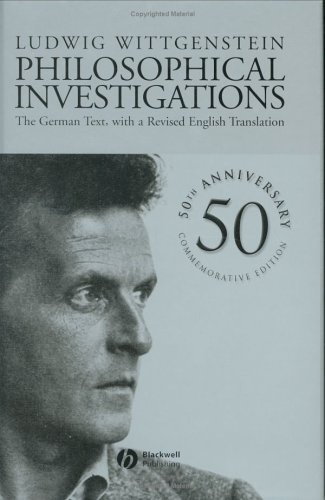
Wittgenstein's *Philosophical Investigations* fundamentally challenges our understanding of language, arguing that meaning isn't derived from fixed, essential connections between words and objects, but rather from their practical use within "language games" and social contexts. It explores how our concepts are embedded in lived experience, questioning traditional philosophical approaches that sought ultimate, universal truths.
Both *Parmenides* and *Philosophical Investigations* confront foundational philosophical assumptions about language and reality. Heidegger reinterprets Parmenides' fragment to expose the hidden history of Being, showing how our understanding of existence is constrained by language. Similarly, Wittgenstein dismantles the idea of a pristine, underlying reality accessible through language, demonstrating how our linguistic practices shape our perceived world. Both critically deconstruct established philosophical methods, urging a return to a more fundamental examination of how we speak and think.
This book offers a profound intellectual journey into the nature of meaning and understanding. It encourages a critical re-evaluation of everyday concepts and philosophical problems, providing tools to break free from linguistic confusions that often plague philosophical inquiry. Engaging with its insights enriches one's capacity for clear thought and appreciation of the intricate ways language constructs our reality.
Philosophical Investigations
Wittgenstein's *Philosophical Investigations* fundamentally challenges our understanding of language, arguing that meaning isn't derived from fixed, essential connections between words and objects, but rather from their practical use within "language games" and social contexts. It explores how our concepts are embedded in lived experience, questioning traditional philosophical approaches that sought ultimate, universal truths.
Both *Parmenides* and *Philosophical Investigations* confront foundational philosophical assumptions about language and reality. Heidegger reinterprets Parmenides' fragment to expose the hidden history of Being, showing how our understanding of existence is constrained by language. Similarly, Wittgenstein dismantles the idea of a pristine, underlying reality accessible through language, demonstrating how our linguistic practices shape our perceived world. Both critically deconstruct established philosophical methods, urging a return to a more fundamental examination of how we speak and think.
This book offers a profound intellectual journey into the nature of meaning and understanding. It encourages a critical re-evaluation of everyday concepts and philosophical problems, providing tools to break free from linguistic confusions that often plague philosophical inquiry. Engaging with its insights enriches one's capacity for clear thought and appreciation of the intricate ways language constructs our reality.
Dialectic of Enlightenment: Philosophical Fragments

"Dialectic of Enlightenment" critiques the supposed progress of Western civilization, arguing that the very rationalization and technological advancement intended to liberate humanity have instead led to new forms of domination and unfreedom. Horkheimer and Adorno explore how instrumental reason, designed to control nature, ultimately turns on itself, creating oppressive social structures and a culture industry that pacifies the masses. It's a foundational text for critical theory, examining the darker side of modernity's promise.
The similarity to Heidegger's "Parmenides" lies in both texts' profound questioning of foundational Western thought and language. Just as Heidegger excavates the origins of Western metaphysics and its understanding of being, leading to a critique of subsequent philosophical developments, Horkheimer and Adorno deconstruct the Enlightenment's core tenets. Both works reveal how deeply ingrained conceptual frameworks, often taken for granted, have shaped our understanding of reality and laid the groundwork for problematic outcomes. They share a critical, diagnostic approach to established intellectual traditions.
This book will appeal to those interested in the darker implications of progress, the relationship between reason and power, and the historical trajectory of Western thought. It offers a challenging perspective on contemporary society and culture, prompting serious reflection on consumerism, media, and the nature of liberation. Its value lies in its incisive analysis of the forces that shape modern life, providing a powerful lens through which to understand societal challenges and the enduring questions of human autonomy and freedom.
Dialectic of Enlightenment: Philosophical Fragments
"Dialectic of Enlightenment" critiques the supposed progress of Western civilization, arguing that the very rationalization and technological advancement intended to liberate humanity have instead led to new forms of domination and unfreedom. Horkheimer and Adorno explore how instrumental reason, designed to control nature, ultimately turns on itself, creating oppressive social structures and a culture industry that pacifies the masses. It's a foundational text for critical theory, examining the darker side of modernity's promise.
The similarity to Heidegger's "Parmenides" lies in both texts' profound questioning of foundational Western thought and language. Just as Heidegger excavates the origins of Western metaphysics and its understanding of being, leading to a critique of subsequent philosophical developments, Horkheimer and Adorno deconstruct the Enlightenment's core tenets. Both works reveal how deeply ingrained conceptual frameworks, often taken for granted, have shaped our understanding of reality and laid the groundwork for problematic outcomes. They share a critical, diagnostic approach to established intellectual traditions.
This book will appeal to those interested in the darker implications of progress, the relationship between reason and power, and the historical trajectory of Western thought. It offers a challenging perspective on contemporary society and culture, prompting serious reflection on consumerism, media, and the nature of liberation. Its value lies in its incisive analysis of the forces that shape modern life, providing a powerful lens through which to understand societal challenges and the enduring questions of human autonomy and freedom.
System of Transcendental Idealism

Schelling's "System of Transcendental Idealism" traces the development of consciousness from its unthinking origins to its highest expressions in art and philosophy. It argues that the objective world (nature) and the subjective mind are not separate but mutually constitutive, emerging from an underlying absolute unity. The work seeks to bridge the gap between human experience and the independent reality, showing how self-awareness grasps and shapes the world.
This system resonates with "Parmenides" in its profound engagement with the nature of being and thought. Both texts explore the foundational relationship between objective reality and subjective understanding, albeit through different historical and philosophical lenses. They grapple with the origins of truth, the role of human consciousness in apprehending it, and the concept of an underlying unity or ground from which all phenomena emerge.
The book offers a compelling intellectual journey for those interested in the origins of German Idealism and the intricate relationship between mind and world. Its rigorous exploration of consciousness and reality provides a rich context for understanding later philosophical developments and deepens one's appreciation of foundational metaphysical inquiries, proving valuable for anyone seeking to understand the philosophical underpinnings of Western thought.
System of Transcendental Idealism
Schelling's "System of Transcendental Idealism" traces the development of consciousness from its unthinking origins to its highest expressions in art and philosophy. It argues that the objective world (nature) and the subjective mind are not separate but mutually constitutive, emerging from an underlying absolute unity. The work seeks to bridge the gap between human experience and the independent reality, showing how self-awareness grasps and shapes the world.
This system resonates with "Parmenides" in its profound engagement with the nature of being and thought. Both texts explore the foundational relationship between objective reality and subjective understanding, albeit through different historical and philosophical lenses. They grapple with the origins of truth, the role of human consciousness in apprehending it, and the concept of an underlying unity or ground from which all phenomena emerge.
The book offers a compelling intellectual journey for those interested in the origins of German Idealism and the intricate relationship between mind and world. Its rigorous exploration of consciousness and reality provides a rich context for understanding later philosophical developments and deepens one's appreciation of foundational metaphysical inquiries, proving valuable for anyone seeking to understand the philosophical underpinnings of Western thought.
More Books to Explore
Discover more titles that expand on these ideas and themes.
Being and Time
Poetry, Language, Thought
Basic Writings
The Question Concerning Technology and Other Essays
Being and Nothingness
The Pre-Platonic Philosophers