10 Books Similar to "Feminist Theory: From Margin to Center"
by bell hooks

Ain't I a Woman: Black Women and Feminism
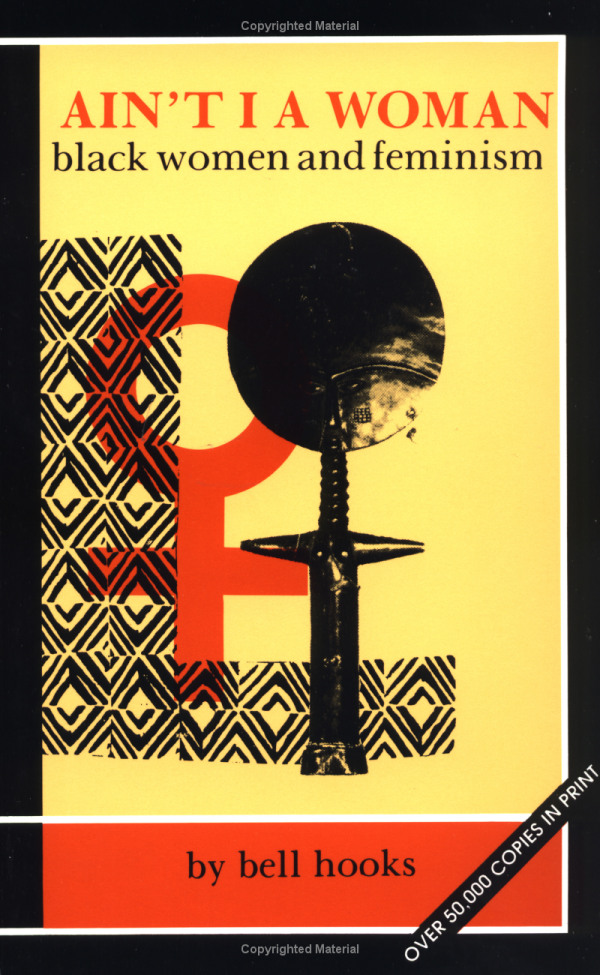
"Ain't I a Woman: Black Women and Feminism" directly confronts the historical exclusion of Black women from feminist discourse and the abolitionist movement. hooks meticulously examines how racism and sexism intersect, illustrating the unique oppression faced by Black women. She critiques foundational feminist texts for their failure to adequately address the experiences of women of color, arguing for a more inclusive understanding of liberation rooted in the realities of Black female existence.
This book shares foundational thematic concerns with "Feminist Theory: From Margin to Center" by consistently emphasizing the need to center marginalized voices within feminist theory. Both works challenge mainstream feminism for its inherent biases and advocate for a framework that accounts for race, class, and gender as interconnected systems of power. They both highlight the transformative potential of a feminism that truly speaks to all women.
The book will appeal to those seeking a deeper, more nuanced understanding of feminist thought and American history. Its critical analysis provides essential insights into intersectionality and the complexities of social justice movements. It fundamentally reframes perspectives on feminism and offers a powerful argument for inclusivity, making it an invaluable resource for anyone interested in social commentary and critical theory.
Ain't I a Woman: Black Women and Feminism
"Ain't I a Woman: Black Women and Feminism" directly confronts the historical exclusion of Black women from feminist discourse and the abolitionist movement. hooks meticulously examines how racism and sexism intersect, illustrating the unique oppression faced by Black women. She critiques foundational feminist texts for their failure to adequately address the experiences of women of color, arguing for a more inclusive understanding of liberation rooted in the realities of Black female existence.
This book shares foundational thematic concerns with "Feminist Theory: From Margin to Center" by consistently emphasizing the need to center marginalized voices within feminist theory. Both works challenge mainstream feminism for its inherent biases and advocate for a framework that accounts for race, class, and gender as interconnected systems of power. They both highlight the transformative potential of a feminism that truly speaks to all women.
The book will appeal to those seeking a deeper, more nuanced understanding of feminist thought and American history. Its critical analysis provides essential insights into intersectionality and the complexities of social justice movements. It fundamentally reframes perspectives on feminism and offers a powerful argument for inclusivity, making it an invaluable resource for anyone interested in social commentary and critical theory.
Feminism Is for Everybody: Passionate Politics

"Feminism Is for Everybody: Passionate Politics" serves as an accessible introduction to feminist thought. bell hooks distills complex ideas into coherent arguments, defining feminism not as a female-exclusive movement, but as a broad struggle to end sexist oppression for everyone. It outlines core feminist principles, critiques common misconceptions, and advocates for practical engagement with feminist ideals in everyday life.
This book resonates with "Feminist Theory: From Margin to Center" by sharing a fundamental commitment to intersectionality and the liberation of all individuals. Both works challenge mainstream feminist narratives, centering the experiences of marginalized groups and emphasizing the systemic nature of oppression. They both function as foundational texts, guiding readers toward a more inclusive and comprehensive understanding of feminist theory and its practical applications.
This book will appeal to those seeking a clear, concise entry point into feminist discourse. Its direct language and passionate tone make it exceptionally valuable for individuals wishing to understand basic feminist concepts, challenge their own biases, and participate in creating a more equitable society. It demystifies often-intimidating academic discussions, making the transformative power of feminist thought accessible to a wide audience.
Feminism Is for Everybody: Passionate Politics
"Feminism Is for Everybody: Passionate Politics" serves as an accessible introduction to feminist thought. bell hooks distills complex ideas into coherent arguments, defining feminism not as a female-exclusive movement, but as a broad struggle to end sexist oppression for everyone. It outlines core feminist principles, critiques common misconceptions, and advocates for practical engagement with feminist ideals in everyday life.
This book resonates with "Feminist Theory: From Margin to Center" by sharing a fundamental commitment to intersectionality and the liberation of all individuals. Both works challenge mainstream feminist narratives, centering the experiences of marginalized groups and emphasizing the systemic nature of oppression. They both function as foundational texts, guiding readers toward a more inclusive and comprehensive understanding of feminist theory and its practical applications.
This book will appeal to those seeking a clear, concise entry point into feminist discourse. Its direct language and passionate tone make it exceptionally valuable for individuals wishing to understand basic feminist concepts, challenge their own biases, and participate in creating a more equitable society. It demystifies often-intimidating academic discussions, making the transformative power of feminist thought accessible to a wide audience.
Where We Stand: Class Matters

"Where We Stand: Class Matters" is a powerful and accessible exploration of class in America. bell hooks dissects the pervasive, often unspoken, influence of class on individuals' lives, relationships, and societal structures. She argues compellingly that understanding and addressing class divisions is fundamental to achieving true social justice and liberation, urging readers to confront their own class biases and engage in meaningful dialogue about economic inequality.
This book shares a vital kinship with "Feminist Theory: From Margin to Center" through its core methodology: analyzing power dynamics from the perspectives of those marginalized. Both works dismantle simplistic understandings of complex social issues, in "Feminist Theory" by centering the experiences of black women, and in "Where We Stand" by foregrounding the material realities of class. They both insist on intersectionality, demonstrating how different oppressions intertwine.
The directness and candor of this book offer readers a crucial lens for understanding contemporary society. It equips individuals with the vocabulary and framework to critically examine economic disparities, challenge preconceived notions about wealth and poverty, and advocate for more equitable systems. Its insights empower thoughtful engagement with one of the most significant, yet often overlooked, factors shaping collective experience.
Where We Stand: Class Matters
"Where We Stand: Class Matters" is a powerful and accessible exploration of class in America. bell hooks dissects the pervasive, often unspoken, influence of class on individuals' lives, relationships, and societal structures. She argues compellingly that understanding and addressing class divisions is fundamental to achieving true social justice and liberation, urging readers to confront their own class biases and engage in meaningful dialogue about economic inequality.
This book shares a vital kinship with "Feminist Theory: From Margin to Center" through its core methodology: analyzing power dynamics from the perspectives of those marginalized. Both works dismantle simplistic understandings of complex social issues, in "Feminist Theory" by centering the experiences of black women, and in "Where We Stand" by foregrounding the material realities of class. They both insist on intersectionality, demonstrating how different oppressions intertwine.
The directness and candor of this book offer readers a crucial lens for understanding contemporary society. It equips individuals with the vocabulary and framework to critically examine economic disparities, challenge preconceived notions about wealth and poverty, and advocate for more equitable systems. Its insights empower thoughtful engagement with one of the most significant, yet often overlooked, factors shaping collective experience.
Killing Rage: Ending Racism

"Killing Rage: Ending Racism" meticulously dissects the pervasive nature of racism, confronting the emotional toll it exacts on individuals and society. bell hooks argues forcefully that rage is a justifiable, necessary response to systemic oppression, and that acknowledging and constructively channeling this anger is crucial for dismantling racist structures and achieving genuine liberation. She examines various manifestations of racism, from institutionalized violence to subtle microaggressions, always advocating for active resistance and a commitment to justice.
Both "Killing Rage" and "Feminist Theory" share hooks's unwavering commitment to liberation, albeit through different lenses. In "Killing Rage," the focus is on the liberation from racial oppression, mirroring the feminist liberation sought in "Feminist Theory." Both works champion the voices and experiences of marginalized groups, urging a shift in perspective from the dominant narrative to a center that acknowledges and validates those on the periphery. They are foundational texts for understanding systemic power dynamics and the imperative for transformative social change.
This volume will resonate with individuals seeking a deeper understanding of racism's impact and a call to action. It offers a powerful framework for recognizing, understanding, and ultimately processing the anger that arises from racial injustice, transforming it into a force for constructive change. Its incisive analysis and passionate advocacy for dismantling oppression make it a vital resource for anyone committed to a more equitable world.
Killing Rage: Ending Racism
"Killing Rage: Ending Racism" meticulously dissects the pervasive nature of racism, confronting the emotional toll it exacts on individuals and society. bell hooks argues forcefully that rage is a justifiable, necessary response to systemic oppression, and that acknowledging and constructively channeling this anger is crucial for dismantling racist structures and achieving genuine liberation. She examines various manifestations of racism, from institutionalized violence to subtle microaggressions, always advocating for active resistance and a commitment to justice.
Both "Killing Rage" and "Feminist Theory" share hooks's unwavering commitment to liberation, albeit through different lenses. In "Killing Rage," the focus is on the liberation from racial oppression, mirroring the feminist liberation sought in "Feminist Theory." Both works champion the voices and experiences of marginalized groups, urging a shift in perspective from the dominant narrative to a center that acknowledges and validates those on the periphery. They are foundational texts for understanding systemic power dynamics and the imperative for transformative social change.
This volume will resonate with individuals seeking a deeper understanding of racism's impact and a call to action. It offers a powerful framework for recognizing, understanding, and ultimately processing the anger that arises from racial injustice, transforming it into a force for constructive change. Its incisive analysis and passionate advocacy for dismantling oppression make it a vital resource for anyone committed to a more equitable world.
Feminist Thought
Rosemarie Tong's "Feminist Thought" offers an extensive and accessible survey of the diverse landscape of feminist theory. It systematically introduces readers to major schools of feminist thought, such as liberal, radical, Marxist, psychoanalytic, existentialist, and postmodern feminisms, explaining their core tenets, key figures, and internal debates. The book clarifies complex theoretical frameworks, allowing for a comprehensive understanding of feminism's intellectual evolution and its varying approaches to social critique and change.
Both books provide foundational explorations of feminist discourse, making complex ideas digestible for a broad audience. Like hooks's emphasis on revealing the analytical depth within feminist perspectives, Tong’s work distills intricate theories into clear, understandable components. Each author guides their audience through the intellectual architecture of feminism, showcasing its breadth and the ongoing dialogues that shape it, thereby serving as essential entry points into the field.
This book will appeal to those seeking a structured and comprehensive overview of feminism's intellectual history and its multifaceted theories. Its value lies in demystifying academic feminist thought, making it approachable for students, scholars, and anyone interested in understanding the historical and theoretical underpinnings of gender equality movements. It equips individuals with the critical vocabulary and conceptual tools to engage deeply with contemporary feminist issues.
Feminist Thought
Rosemarie Tong's "Feminist Thought" offers an extensive and accessible survey of the diverse landscape of feminist theory. It systematically introduces readers to major schools of feminist thought, such as liberal, radical, Marxist, psychoanalytic, existentialist, and postmodern feminisms, explaining their core tenets, key figures, and internal debates. The book clarifies complex theoretical frameworks, allowing for a comprehensive understanding of feminism's intellectual evolution and its varying approaches to social critique and change.
Both books provide foundational explorations of feminist discourse, making complex ideas digestible for a broad audience. Like hooks's emphasis on revealing the analytical depth within feminist perspectives, Tong’s work distills intricate theories into clear, understandable components. Each author guides their audience through the intellectual architecture of feminism, showcasing its breadth and the ongoing dialogues that shape it, thereby serving as essential entry points into the field.
This book will appeal to those seeking a structured and comprehensive overview of feminism's intellectual history and its multifaceted theories. Its value lies in demystifying academic feminist thought, making it approachable for students, scholars, and anyone interested in understanding the historical and theoretical underpinnings of gender equality movements. It equips individuals with the critical vocabulary and conceptual tools to engage deeply with contemporary feminist issues.
Black Macho and the Myth of the Superwoman
Michele Wallace's "Black Macho and the Myth of the Superwoman" offers a searing critique of the Black Power movement from a Black feminist perspective. It examines how Black men, emerging from racial oppression, often replicated patriarchal structures, and how Black women were burdened by the idealized yet restrictive image of the "superwoman," expected to be endlessly strong and self-sacrificing. The book dissects the historical and social forces that shaped these roles, revealing the internal gender conflicts within the Black community during a pivotal era.
This work resonates with bell hooks' "Feminist Theory: From Margin to Center" through their shared commitment to centering the experiences of marginalized women within feminist discourse. Both authors meticulously deconstruct how race, class, and gender intersect to create unique forms of oppression, challenging mainstream feminism's tendency to overlook these complexities. They both advocate for an inclusive feminism that critically examines power dynamics within and across communities.
This book provides invaluable insights into the historical development of Black feminist thought and the enduring challenges of intersectional identity. It offers a powerful framework for understanding how liberation movements can inadvertently perpetuate new forms of oppression if gender dynamics are not critically addressed. Its analysis of the "superwoman" archetype continues to be relevant, prompting reflection on contemporary expectations placed on women of color.
Black Macho and the Myth of the Superwoman
Michele Wallace's "Black Macho and the Myth of the Superwoman" offers a searing critique of the Black Power movement from a Black feminist perspective. It examines how Black men, emerging from racial oppression, often replicated patriarchal structures, and how Black women were burdened by the idealized yet restrictive image of the "superwoman," expected to be endlessly strong and self-sacrificing. The book dissects the historical and social forces that shaped these roles, revealing the internal gender conflicts within the Black community during a pivotal era.
This work resonates with bell hooks' "Feminist Theory: From Margin to Center" through their shared commitment to centering the experiences of marginalized women within feminist discourse. Both authors meticulously deconstruct how race, class, and gender intersect to create unique forms of oppression, challenging mainstream feminism's tendency to overlook these complexities. They both advocate for an inclusive feminism that critically examines power dynamics within and across communities.
This book provides invaluable insights into the historical development of Black feminist thought and the enduring challenges of intersectional identity. It offers a powerful framework for understanding how liberation movements can inadvertently perpetuate new forms of oppression if gender dynamics are not critically addressed. Its analysis of the "superwoman" archetype continues to be relevant, prompting reflection on contemporary expectations placed on women of color.
We Real Cool: Black Men and Masculinity

"We Real Cool: Black Men and Masculinity" delves into the complex realities of Black male identity in America, exploring how societal pressures, historical legacies, and ingrained stereotypes shape their experiences. Drawing on autobiography, cultural criticism, and social analysis, bell hooks dissects the destructive impact of patriarchal norms, racism, and capitalist structures on Black men, advocating for a redefinition of masculinity rooted in emotional intelligence, self-love, and genuine community.
This work resonates with "Feminist Theory: From Margin to Center" through its shared methodological approach and core commitment to liberation. Both books challenge dominant narratives by centering the voices and experiences of marginalized groups – Black women in the former, Black men in the latter – to expose systemic oppression. Both also fiercely advocate for transformative social change, emphasizing the necessity of dismantling oppressive structures from within and forging new pathways for self-actualization.
The book will appeal to those seeking a nuanced understanding of Black male identity and the multifaceted challenges they face. It offers a critical lens for examining masculinity beyond conventional frameworks, presenting insightful analyses that illuminate the intersections of race, gender, and power. Its profound exploration of healing, self-discovery, and community building makes it a valuable resource for anyone committed to social justice and the pursuit of a more equitable world.
We Real Cool: Black Men and Masculinity
"We Real Cool: Black Men and Masculinity" delves into the complex realities of Black male identity in America, exploring how societal pressures, historical legacies, and ingrained stereotypes shape their experiences. Drawing on autobiography, cultural criticism, and social analysis, bell hooks dissects the destructive impact of patriarchal norms, racism, and capitalist structures on Black men, advocating for a redefinition of masculinity rooted in emotional intelligence, self-love, and genuine community.
This work resonates with "Feminist Theory: From Margin to Center" through its shared methodological approach and core commitment to liberation. Both books challenge dominant narratives by centering the voices and experiences of marginalized groups – Black women in the former, Black men in the latter – to expose systemic oppression. Both also fiercely advocate for transformative social change, emphasizing the necessity of dismantling oppressive structures from within and forging new pathways for self-actualization.
The book will appeal to those seeking a nuanced understanding of Black male identity and the multifaceted challenges they face. It offers a critical lens for examining masculinity beyond conventional frameworks, presenting insightful analyses that illuminate the intersections of race, gender, and power. Its profound exploration of healing, self-discovery, and community building makes it a valuable resource for anyone committed to social justice and the pursuit of a more equitable world.
Feminism Unmodified: Discourses on Life and Law
Catharine MacKinnon's "Feminism Unmodified: Discourses on Life and Law" presents a collection of essays and speeches that rigorously examine the pervasive influence of male dominance in law, politics, and social life. It argues that gender inequality is not merely an oversight but a deeply embedded structural issue, particularly focusing on how male power shapes societal norms and legal frameworks, often to the detriment of women. MacKinnon critically dissects concepts like pornography, sexual harassment, and the law's often inadequate responses to these issues, advocating for a radical re-imagining of justice from a feminist perspective.
This book shares a fundamental similarity with bell hooks' "Feminist Theory: From Margin to Center" in their shared commitment to dismantling oppressive power structures and centering the experiences of marginalized groups. Both authors unequivocally identify patriarchy as a root cause of social injustice, pushing beyond superficial reforms to advocate for profound societal transformation. They challenge mainstream feminist thought, insisting on a more critical and inclusive analysis of power.
This work offers a profound intellectual engagement with the structural roots of gender inequality. It provides a sharp, incisive analysis for anyone seeking to understand how legal and social systems perpetuate male dominance. Its unflinching critique and call for radical change make it an essential resource for those interested in feminist legal theory, social justice, and the ongoing struggle for gender equity.
Feminism Unmodified: Discourses on Life and Law
Catharine MacKinnon's "Feminism Unmodified: Discourses on Life and Law" presents a collection of essays and speeches that rigorously examine the pervasive influence of male dominance in law, politics, and social life. It argues that gender inequality is not merely an oversight but a deeply embedded structural issue, particularly focusing on how male power shapes societal norms and legal frameworks, often to the detriment of women. MacKinnon critically dissects concepts like pornography, sexual harassment, and the law's often inadequate responses to these issues, advocating for a radical re-imagining of justice from a feminist perspective.
This book shares a fundamental similarity with bell hooks' "Feminist Theory: From Margin to Center" in their shared commitment to dismantling oppressive power structures and centering the experiences of marginalized groups. Both authors unequivocally identify patriarchy as a root cause of social injustice, pushing beyond superficial reforms to advocate for profound societal transformation. They challenge mainstream feminist thought, insisting on a more critical and inclusive analysis of power.
This work offers a profound intellectual engagement with the structural roots of gender inequality. It provides a sharp, incisive analysis for anyone seeking to understand how legal and social systems perpetuate male dominance. Its unflinching critique and call for radical change make it an essential resource for those interested in feminist legal theory, social justice, and the ongoing struggle for gender equity.
Women, Race & Class
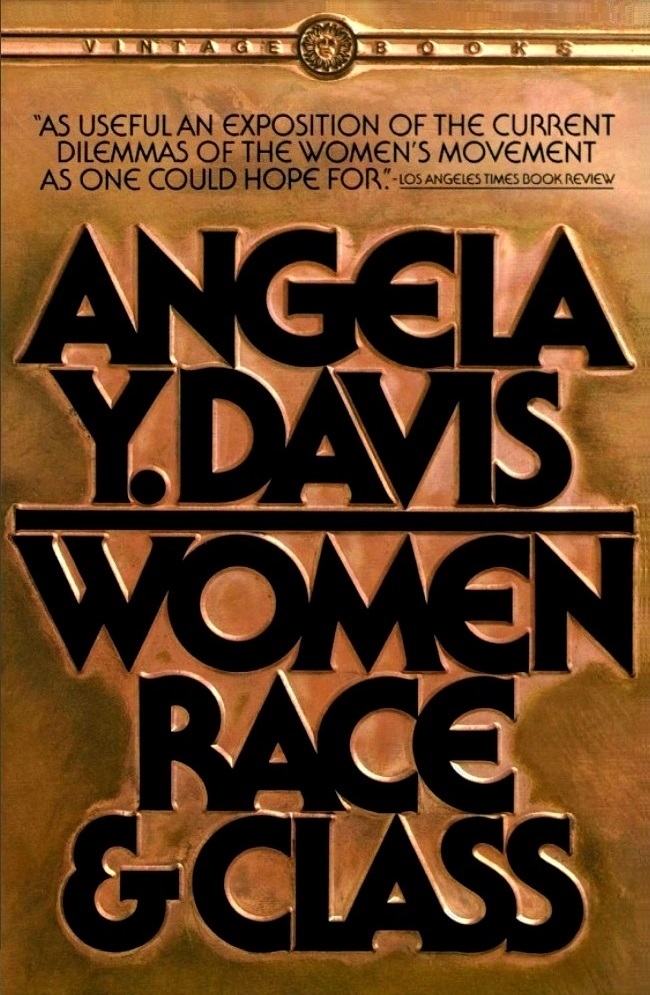
Angela Davis's "Women, Race & Class" meticulously examines the interconnected struggles faced by women in America, particularly focusing on how race and class have shaped their experiences. It delves into historical movements, from abolitionism and women's suffrage to the labor movement, revealing how issues of gender were often sidelined or distorted by prevailing racial and economic hierarchies. The book argues that true liberation requires understanding these interwoven oppressions.
This work resonates with "Feminist Theory: From Margin to Center" because both books critically analyze how traditional feminist discourse often failed to adequately address the unique challenges of women of color and working-class women. Both Davis and hooks champion an inclusive feminism that moves beyond single-issue analyses, insisting that race, class, and gender are inseparable in understanding systemic oppression and forging effective resistance.
The book will appeal to those seeking a deeper, more nuanced understanding of American social history and the complexities of activism. It offers vital perspectives on intersectionality, challenging conventional narratives and providing a powerful framework for comprehending how power operates across multiple dimensions of identity. Its historical insights remain profoundly relevant for contemporary discussions on justice and equality.
Women, Race & Class
Angela Davis's "Women, Race & Class" meticulously examines the interconnected struggles faced by women in America, particularly focusing on how race and class have shaped their experiences. It delves into historical movements, from abolitionism and women's suffrage to the labor movement, revealing how issues of gender were often sidelined or distorted by prevailing racial and economic hierarchies. The book argues that true liberation requires understanding these interwoven oppressions.
This work resonates with "Feminist Theory: From Margin to Center" because both books critically analyze how traditional feminist discourse often failed to adequately address the unique challenges of women of color and working-class women. Both Davis and hooks champion an inclusive feminism that moves beyond single-issue analyses, insisting that race, class, and gender are inseparable in understanding systemic oppression and forging effective resistance.
The book will appeal to those seeking a deeper, more nuanced understanding of American social history and the complexities of activism. It offers vital perspectives on intersectionality, challenging conventional narratives and providing a powerful framework for comprehending how power operates across multiple dimensions of identity. Its historical insights remain profoundly relevant for contemporary discussions on justice and equality.
All About Love: New Visions
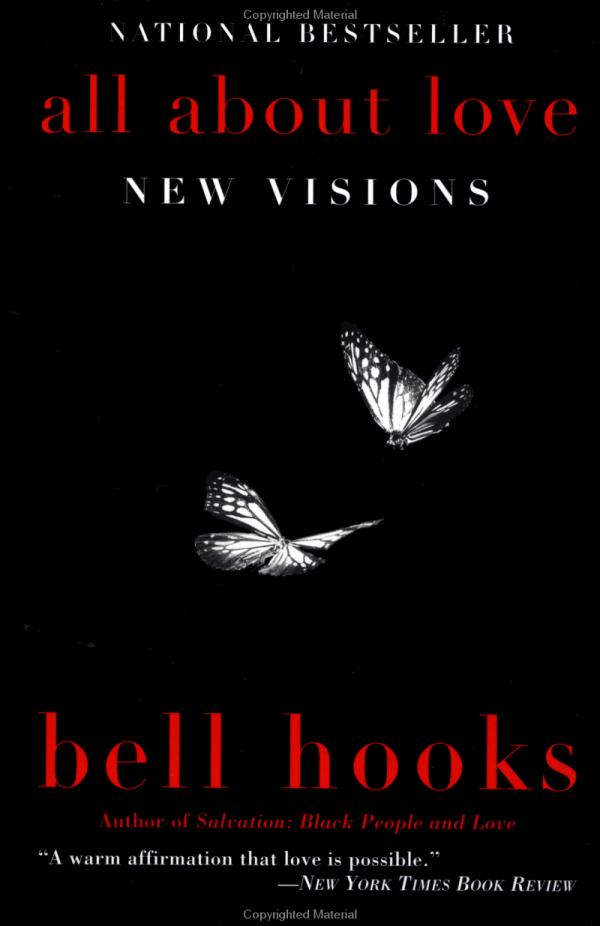
"All About Love: New Visions" delves into the multifaceted concept of love, challenging conventional understandings and exploring its essence beyond romantic or familial confines. hooks argues that societal notions of love often betray its true power as a force for social change, spiritual growth, and personal liberation. She proposes a transformative definition of love rooted in action, care, responsibility, respect, and trust, advocating for its active cultivation in all aspects of life.
This inquiry into love mirrors "Feminist Theory: From Margin to Center" in its analytical rigor and its commitment to dismantling dominant paradigms. Both books are foundational texts that dissect core societal structures—be it patriarchy and sexism, or our collective misconceptions of love—and offer radical, empowering alternatives. hooks consistently centers marginalized voices and experiences, revealing how systemic issues impact personal lives and advocating for a more just and loving world.
The book offers a profound opportunity for introspection and re-evaluation. It equips individuals with a framework to understand, practice, and experience love more authentically, fostering healthier relationships and a more compassionate society. Its insights provide tools for personal growth and collective healing, making it an invaluable resource for anyone seeking to understand the power and potential of love in its truest form.
All About Love: New Visions
"All About Love: New Visions" delves into the multifaceted concept of love, challenging conventional understandings and exploring its essence beyond romantic or familial confines. hooks argues that societal notions of love often betray its true power as a force for social change, spiritual growth, and personal liberation. She proposes a transformative definition of love rooted in action, care, responsibility, respect, and trust, advocating for its active cultivation in all aspects of life.
This inquiry into love mirrors "Feminist Theory: From Margin to Center" in its analytical rigor and its commitment to dismantling dominant paradigms. Both books are foundational texts that dissect core societal structures—be it patriarchy and sexism, or our collective misconceptions of love—and offer radical, empowering alternatives. hooks consistently centers marginalized voices and experiences, revealing how systemic issues impact personal lives and advocating for a more just and loving world.
The book offers a profound opportunity for introspection and re-evaluation. It equips individuals with a framework to understand, practice, and experience love more authentically, fostering healthier relationships and a more compassionate society. Its insights provide tools for personal growth and collective healing, making it an invaluable resource for anyone seeking to understand the power and potential of love in its truest form.
More Books to Explore
Discover more titles that expand on these ideas and themes.
Ain't I a Woman: Black Women and Feminism
Feminism Is for Everybody: Passionate Politics
Where We Stand: Class Matters
Killing Rage: Ending Racism
Feminist Thought
Black Macho and the Myth of the Superwoman