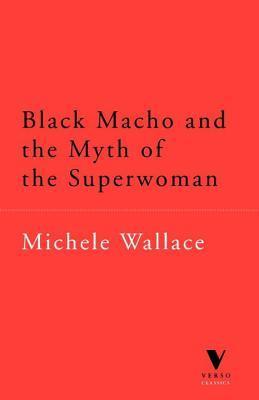
Black Macho and the Myth of the Superwoman
Book Description
Dare to challenge the narrative that defines black womanhood! Michele Wallace’s 'Black Macho and the Myth of the Superwoman' deconstructs the cultural stereotypes that trap black women in a web of conflicting identities. With razor-sharp insights, she exposes the tension between empowerment and expectation, revealing the voices that have been silenced for too long. As the myths crumble, readers are thrust into a critical exploration of race, gender, and social justice. Can true liberation exist when society’s expectations loom so large? Step into a world where the complexities of identity ignite a powerful revolution.
Quick Book Summary
Michele Wallace’s 'Black Macho and the Myth of the Superwoman' boldly interrogates how mainstream culture and Black nationalist movements have shaped and misunderstood the experiences of Black women in America. Wallace critiques both the sexism within Black liberation politics and the damaging cultural myths that have cast Black women alternately as subjugated 'Superwomen' or unfeminine, emasculating figures. Through incisive analysis and personal perspective, she shows that these stereotypes hinder solidarity and suppress authentic voices. By tracing historical and contemporary dynamics, Wallace exposes the double bind that Black women face and calls for a new, intersectional approach to liberation that validates complexity and centers Black women's unique challenges. The book remains a foundational critique of sexism and racism in U.S. society.




Summary of Key Ideas
Table of Contents
The Construction and Impact of the Black Macho Myth
Wallace opens her analysis by deconstructing the enduring myth of the 'Black Macho.' This figure, forged by dominant cultural forces and by rhetoric within Black nationalist movements, valorizes aggressive masculinity as the ideal for Black liberation. Wallace argues that this construction alienates Black women and perpetuates patriarchal structures. The pursuit of a powerful Black male image, she suggests, often comes at the expense of marginalized voices within the Black community—particularly women, whose contributions and experiences are downplayed or silenced.
The Superwoman Stereotype and Its Burden
Simultaneously, the 'Superwoman' stereotype positions Black women as unbreakable and endlessly resilient, capable of withstanding immense hardships without showing vulnerability. Wallace explores how this myth, though seemingly empowering, actually imposes unrealistic expectations and denies Black women the dignity of their full emotional lives. In both mainstream American discourse and within Black families and communities, Black women are expected to be ever-supportive and self-sacrificing, leaving little room for their own needs and aspirations.
Sexism Within Black Liberation Movements
Moving deeper, Wallace criticizes the sexism she experienced and observed within Black liberation and civil rights organizations of the 1960s and 1970s. She contends that many male leaders embraced patriarchal values, relegating women to supporting roles while dismissing their political agency. This internal oppression mirrored the external racism faced by Black Americans, fracturing the struggle for equality by failing to address how gender and race jointly shape oppression. Wallace contends that the failure to challenge both racism and sexism ultimately undermined the potential for collective progress.
Intersectionality: Race, Gender, and Liberation
In examining these dual oppressions, Wallace’s work foreshadows later theories of intersectionality. She articulates how Black women’s identity is shaped at the intersection of race and gender, subjecting them to unique challenges and double standards. By critiquing both white feminism and Black nationalism for sidelining Black women’s distinct experiences, Wallace advocates for an inclusive feminism—one attuned to multiple, overlapping systems of power. Her insights highlight the need to confront structural inequalities across all axes of identity.
The Path Toward Authentic Black Feminist Voices
Wallace concludes with a call for the emergence of authentic Black feminist voices and movements. She urges Black women to reject imposed stereotypes and reclaim the narrative about their lives, desires, and politics. Only by centering Black women’s voices and embracing the complexity of their lived experiences can true liberation be achieved. The task, as Wallace frames it, is not only to resist racism or sexism, but to forge new spaces for Black women’s agency, creativity, and empowerment within social justice activism.
Download This Summary
Get a free PDF of this summary instantly — no email required.