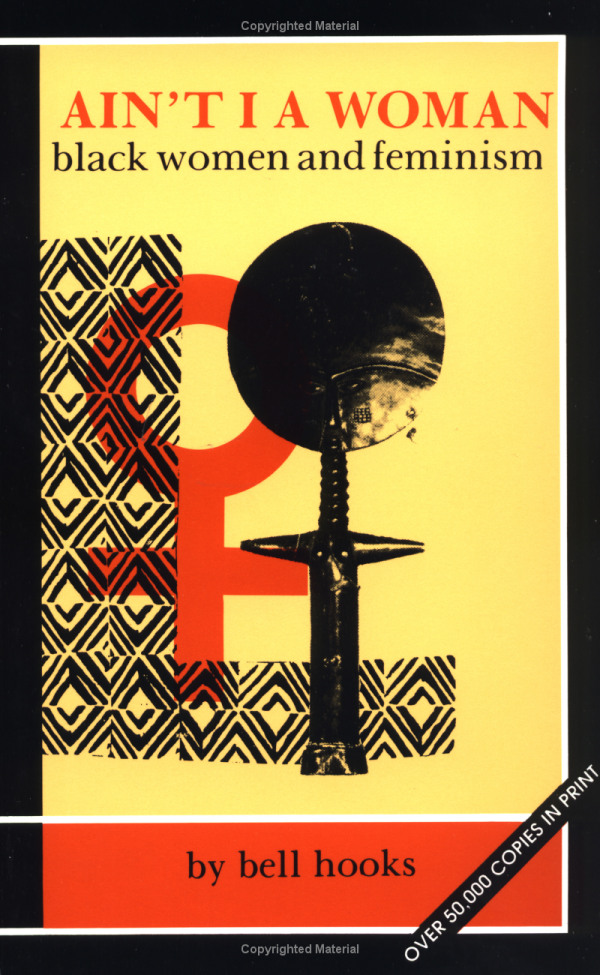
Ain't I a Woman: Black Women and Feminism
Book Description
What if the voice of a generation could shatter the silence surrounding race and gender? In "Ain't I a Woman: Black Women and Feminism," bell hooks delivers a powerful critique that intertwines personal stories with biting social analysis. With unflinching honesty, she confronts the historical oppression of Black women, challenging stereotypes and igniting a fierce dialogue about feminism's failures and potential. This provocative work not only reshapes the narrative of women's rights but also demands recognition for the unique struggles faced by Black women. Can the fight for equality truly succeed without acknowledging their voices?
Quick Book Summary
In "Ain't I a Woman: Black Women and Feminism," bell hooks examines the intersection of racism and sexism, detailing how Black women in America have endured a unique form of oppression. Hooks meticulously traces historical trends from slavery to the present, highlighting how Black women have been marginalized within both feminist and Black liberation movements. Through penetrating analysis and personal insights, she demonstrates that Black women's experiences are too often erased or misunderstood. Hooks argues that for society and feminism to achieve genuine equality, the particular struggles and contributions of Black women must be centered. The book is a groundbreaking call to think critically about both race and gender, advocating for a more inclusive, transformative feminism.




Summary of Key Ideas
Table of Contents
The Historical Roots of Black Women's Oppression
Bell hooks begins by exploring the legacy of slavery and its foundational role in shaping the lives of Black women. She explains how the dual oppressions of racism and sexism originated in the plantation system, where Black women were subjected to both physical exploitation and psychological dehumanization. Hooks examines how these historical mechanisms established enduring stereotypes, stripping Black women of agency in both public and private spheres.
Intersectionality of Race and Gender
The analysis moves to the persistent intersectionality impacting Black women. Hooks details how Black women are forced to navigate unique challenges at the crossroads of their identities, confronting prejudice from both white feminists and Black men. She critiques the failure of early feminist and civil rights movements to address the specific needs of Black women, often relegating them to secondary roles or ignoring their struggles entirely.
Stereotypes and Myths About Black Womanhood
Hooks unpacks the damaging stereotypes that have become attached to Black womanhood—such as the "mammy," the "jezebel," and the "matriarch." She demonstrates how these myths serve to justify discrimination, violence, and neglect, both within Black communities and American society at large. By dissecting these socially constructed images, hooks exposes their psychological and material impact on Black women's lives, including their exclusion from power and resources.
Exclusion from Mainstream Feminism
Turning a critical eye on mainstream feminism, hooks argues that the movement has often failed Black women by prioritizing the concerns of white, middle-class women. She illustrates that some feminist discourses have implicitly perpetuated racist attitudes or neglected the reality of economic and social disenfranchisement unique to Black women. Hooks advocates for a radical reimagining of feminist practice—one that embraces solidarity, inclusivity, and attention to intersecting identities.
Toward an Inclusive Feminist Future
Ultimately, the book is a manifesto for an intersectional, transformative feminism. Hooks calls for both the acknowledgment and elevation of Black women's experiences as vital to any movement for justice. She emphasizes the power of community, consciousness-raising, and collective action in dismantling the systems of oppression that bind women of color. "Ain't I a Woman" remains a foundational text, urging readers to recognize and rectify the historical and ongoing marginalization of Black women.
Download This Summary
Get a free PDF of this summary instantly — no email required.