10 Books Similar to "Everybody Loves a Good Drought"
by Palagummi Sainath
A River Runs Again: India's Natural World in Crisis, from the Barren Cliffs of Rajasthan to the Farmlands of Karnataka
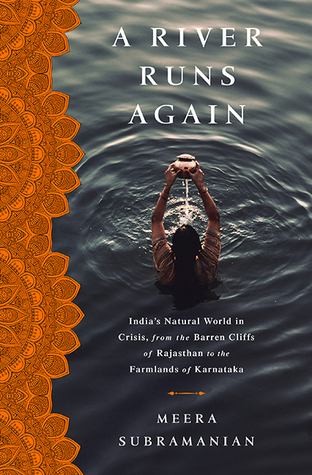
"A River Runs Again" investigates India's multifaceted environmental challenges through a journalistic lens, exploring water scarcity, deforestation, and pollution across diverse landscapes. Meera Subramanian travels from the parched regions of Rajasthan to the fertile plains of Karnataka, demonstrating how these crises impact human lives and livelihoods, often with profound social and economic consequences.
This book aligns with "Everybody Loves a Good Drought" due to its commitment to in-depth, on-the-ground reporting that exposes systemic failures and the human cost of environmental neglect. Both authors meticulously document stories of hardship and resilience, highlighting how policy, poverty, and environmental degradation intertwine in rural India, offering a critical look at the systems that perpetuate disadvantage.
The book offers a crucial understanding of the urgent environmental issues shaping modern India. Its accessible narrative, coupled with rigorously researched case studies, provides a compelling argument for sustainable practices and engaged citizenship, enriching perspectives on global environmentalism and social justice.
A River Runs Again: India's Natural World in Crisis, from the Barren Cliffs of Rajasthan to the Farmlands of Karnataka
"A River Runs Again" investigates India's multifaceted environmental challenges through a journalistic lens, exploring water scarcity, deforestation, and pollution across diverse landscapes. Meera Subramanian travels from the parched regions of Rajasthan to the fertile plains of Karnataka, demonstrating how these crises impact human lives and livelihoods, often with profound social and economic consequences.
This book aligns with "Everybody Loves a Good Drought" due to its commitment to in-depth, on-the-ground reporting that exposes systemic failures and the human cost of environmental neglect. Both authors meticulously document stories of hardship and resilience, highlighting how policy, poverty, and environmental degradation intertwine in rural India, offering a critical look at the systems that perpetuate disadvantage.
The book offers a crucial understanding of the urgent environmental issues shaping modern India. Its accessible narrative, coupled with rigorously researched case studies, provides a compelling argument for sustainable practices and engaged citizenship, enriching perspectives on global environmentalism and social justice.
Behind the Beautiful Forevers: Life, Death, and Hope in a Mumbai Undercity

"Behind the Beautiful Forevers" immerses us in the vibrant, brutal lives of families living in a Mumbai slum. Katherine Boo meticulously chronicles their daily struggles for survival, documenting their hopes, betrayals, dreams, and the systemic injustices they face. Through the interconnected stories of Abdul, Asha, and others, the book exposes the stark realities of poverty and aspiration within a rapidly developing nation.
This book shares a profound thematic kinship with "Everybody Loves a Good Drought." Both works are deeply rooted in empathetic, investigative journalism, providing unflinching portrayals of systemic poverty and its human cost in India. They eschew abstract statistics for intimate, character-driven narratives, revealing how economic disparities and official neglect profoundly impact individual lives.
The compelling narratives and profound social commentary offer exceptional value. It humanizes the often-abstract concept of global poverty, fostering a deeper understanding of resilience and the human spirit in adversity. The rich characterizations and vivid setting make it an unforgettable and thought-provoking exploration of inequality and the enduring quest for dignity.
Behind the Beautiful Forevers: Life, Death, and Hope in a Mumbai Undercity
"Behind the Beautiful Forevers" immerses us in the vibrant, brutal lives of families living in a Mumbai slum. Katherine Boo meticulously chronicles their daily struggles for survival, documenting their hopes, betrayals, dreams, and the systemic injustices they face. Through the interconnected stories of Abdul, Asha, and others, the book exposes the stark realities of poverty and aspiration within a rapidly developing nation.
This book shares a profound thematic kinship with "Everybody Loves a Good Drought." Both works are deeply rooted in empathetic, investigative journalism, providing unflinching portrayals of systemic poverty and its human cost in India. They eschew abstract statistics for intimate, character-driven narratives, revealing how economic disparities and official neglect profoundly impact individual lives.
The compelling narratives and profound social commentary offer exceptional value. It humanizes the often-abstract concept of global poverty, fostering a deeper understanding of resilience and the human spirit in adversity. The rich characterizations and vivid setting make it an unforgettable and thought-provoking exploration of inequality and the enduring quest for dignity.
Poverty, by America
"Poverty, by America" argues forcefully that poverty in the United States isn't an inevitability or the fault of the poor, but rather a deliberate outcome of systemic choices made by institutions and the affluent. Desmond exposes how policies, rent-seeking, and exploitation actively extract wealth from marginalized communities, creating and maintaining economic disadvantage. He challenges the notion of individual failings, redirecting blame towards the structures that normalize and profit from poverty.
This book resonates with "Everybody Loves a Good Drought" through its investigative journalism and unsparing critique of societal structures perpetuating poverty. Both authors immerse themselves in the lived experiences of the poor, moving beyond statistics to reveal the human cost of systemic neglect and exploitation. Sainath uncovered India's drought-stricken farmers, while Desmond illuminates America's urban and rural poor, yet both arrive at the same conclusion: poverty is often a manufactured condition, not a natural disaster.
The book will appeal to those seeking a deeper, more critical understanding of American inequality. It offers not just a diagnosis but also a call to action, empowering individuals with knowledge about the real drivers of poverty. Its value lies in reshaping public discourse, moving away from victim-blaming toward accountability and potential solutions for a more equitable society.
Poverty, by America
"Poverty, by America" argues forcefully that poverty in the United States isn't an inevitability or the fault of the poor, but rather a deliberate outcome of systemic choices made by institutions and the affluent. Desmond exposes how policies, rent-seeking, and exploitation actively extract wealth from marginalized communities, creating and maintaining economic disadvantage. He challenges the notion of individual failings, redirecting blame towards the structures that normalize and profit from poverty.
This book resonates with "Everybody Loves a Good Drought" through its investigative journalism and unsparing critique of societal structures perpetuating poverty. Both authors immerse themselves in the lived experiences of the poor, moving beyond statistics to reveal the human cost of systemic neglect and exploitation. Sainath uncovered India's drought-stricken farmers, while Desmond illuminates America's urban and rural poor, yet both arrive at the same conclusion: poverty is often a manufactured condition, not a natural disaster.
The book will appeal to those seeking a deeper, more critical understanding of American inequality. It offers not just a diagnosis but also a call to action, empowering individuals with knowledge about the real drivers of poverty. Its value lies in reshaping public discourse, moving away from victim-blaming toward accountability and potential solutions for a more equitable society.
Death Without Weeping: The Violence of Everyday Life in Brazil
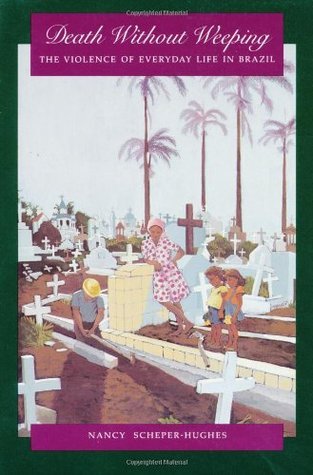
"Death Without Weeping" delves into the harrowing realities of poverty and infant mortality in a Brazilian shantytown. Anthropologist Nancy Scheper-Hughes spent years immersed in the community, observing how mothers cope with the frequent deaths of their babies, often developing a form of emotional detachment as a survival mechanism against unimaginable grief. It's a profound exploration of human adaptation to extreme suffering, challenging conventional notions of maternal love and societal responses to deprivation.
The similarity to "Everybody Loves a Good Drought" lies in their shared commitment to bearing witness to the systemic injustices and economic despair that pervade marginalized communities. Both books are meticulously researched ethnographic accounts, exposing how poverty isn't merely a lack of resources, but a corrosive force that reshapes social structures, personal ethics, and even emotional responses. They both offer unflinching, human-centered narratives of suffering in environments often ignored or misrepresented by mainstream media.
This book offers a powerful and deeply moving experience. It provides an intimate understanding of how individuals survive and adapt under extreme duress, fostering empathy and critical reflection on global inequalities. The insights offered herein are invaluable for comprehending the complex interplay between poverty, culture, and human psychology, making it a crucial read for anyone seeking to understand the profound impact of social violence on individual lives.
Death Without Weeping: The Violence of Everyday Life in Brazil
"Death Without Weeping" delves into the harrowing realities of poverty and infant mortality in a Brazilian shantytown. Anthropologist Nancy Scheper-Hughes spent years immersed in the community, observing how mothers cope with the frequent deaths of their babies, often developing a form of emotional detachment as a survival mechanism against unimaginable grief. It's a profound exploration of human adaptation to extreme suffering, challenging conventional notions of maternal love and societal responses to deprivation.
The similarity to "Everybody Loves a Good Drought" lies in their shared commitment to bearing witness to the systemic injustices and economic despair that pervade marginalized communities. Both books are meticulously researched ethnographic accounts, exposing how poverty isn't merely a lack of resources, but a corrosive force that reshapes social structures, personal ethics, and even emotional responses. They both offer unflinching, human-centered narratives of suffering in environments often ignored or misrepresented by mainstream media.
This book offers a powerful and deeply moving experience. It provides an intimate understanding of how individuals survive and adapt under extreme duress, fostering empathy and critical reflection on global inequalities. The insights offered herein are invaluable for comprehending the complex interplay between poverty, culture, and human psychology, making it a crucial read for anyone seeking to understand the profound impact of social violence on individual lives.
Stuffed and Starved: Markets, Power and the Hidden Battle for the World Food System

"Stuffed and Starved" dissects the paradox of global hunger and obesity, arguing that both are symptoms of a deeply flawed industrial food system. Raj Patel exposes how corporate control, market forces, and political decisions create vast inequalities, leading to food waste and overconsumption in some regions, while others face starvation, all driven by profit rather than sustenance.
This book resonates with "Everybody Loves a Good Drought" due to their shared commitment to exposing systemic injustice and the human cost of economic policies. Both authors conduct meticulous journalistic investigations, revealing how powerful institutions and market dynamics exacerbate poverty and inequality, whether through resource mismanagement in India or global food supply chains. They both illuminate the lives of those directly impacted by these failures.
The book offers a critical lens on everyday consumption, empowering individuals to understand the often-invisible connections between their food choices and global socio-economic structures. Its detailed analysis of market power and its impact on human rights and environmental sustainability provides a deeper understanding of one of the most pressing global challenges.
Stuffed and Starved: Markets, Power and the Hidden Battle for the World Food System
"Stuffed and Starved" dissects the paradox of global hunger and obesity, arguing that both are symptoms of a deeply flawed industrial food system. Raj Patel exposes how corporate control, market forces, and political decisions create vast inequalities, leading to food waste and overconsumption in some regions, while others face starvation, all driven by profit rather than sustenance.
This book resonates with "Everybody Loves a Good Drought" due to their shared commitment to exposing systemic injustice and the human cost of economic policies. Both authors conduct meticulous journalistic investigations, revealing how powerful institutions and market dynamics exacerbate poverty and inequality, whether through resource mismanagement in India or global food supply chains. They both illuminate the lives of those directly impacted by these failures.
The book offers a critical lens on everyday consumption, empowering individuals to understand the often-invisible connections between their food choices and global socio-economic structures. Its detailed analysis of market power and its impact on human rights and environmental sustainability provides a deeper understanding of one of the most pressing global challenges.
An Ordinary Person's Guide to Empire
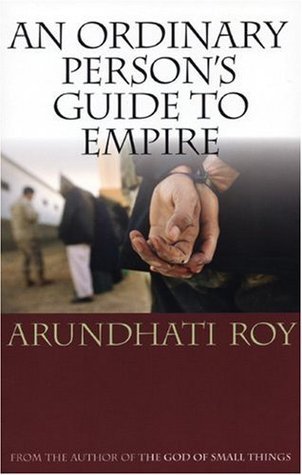
Arundhati Roy's "An Ordinary Person's Guide to Empire" is a collection of essays and speeches that critically examine globalization, American foreign policy, corporate power, and their devastating impact on marginalized communities worldwide. Roy, through her incisive prose, deconstructs how political and economic elites perpetuate systemic injustice, often under the guise of democracy or progress.
This work resonates with "Everybody Loves a Good Drought" due to their shared commitment to exposing the human cost of structural inequality and government neglect. Both authors meticulously document the suffering of the disenfranchised, with Sainath focusing on rural India and Roy broadening the scope to global injustices, always highlighting the tangible consequences for ordinary people.
This book offers a powerful and urgent perspective on contemporary global issues. It informs and provokes thought, providing a critical lens through which to understand power dynamics and the narratives that shape our world. Its value lies in offering insights into the mechanisms of injustice, empowering citizens with knowledge crucial for engaging with complex social and political landscapes.
An Ordinary Person's Guide to Empire
Arundhati Roy's "An Ordinary Person's Guide to Empire" is a collection of essays and speeches that critically examine globalization, American foreign policy, corporate power, and their devastating impact on marginalized communities worldwide. Roy, through her incisive prose, deconstructs how political and economic elites perpetuate systemic injustice, often under the guise of democracy or progress.
This work resonates with "Everybody Loves a Good Drought" due to their shared commitment to exposing the human cost of structural inequality and government neglect. Both authors meticulously document the suffering of the disenfranchised, with Sainath focusing on rural India and Roy broadening the scope to global injustices, always highlighting the tangible consequences for ordinary people.
This book offers a powerful and urgent perspective on contemporary global issues. It informs and provokes thought, providing a critical lens through which to understand power dynamics and the narratives that shape our world. Its value lies in offering insights into the mechanisms of injustice, empowering citizens with knowledge crucial for engaging with complex social and political landscapes.
The Great Derangement: Climate Change and the Unthinkable
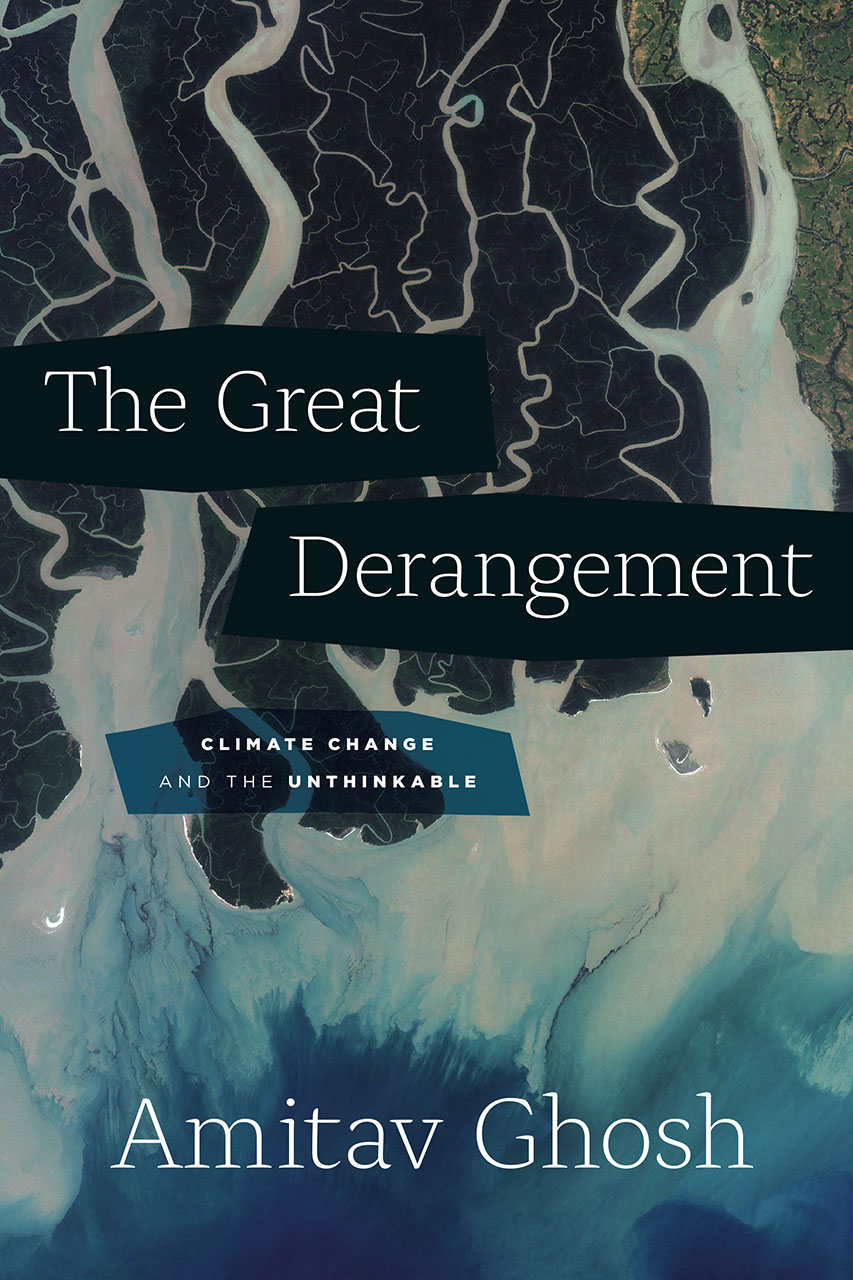
"The Great Derangement" by Amitav Ghosh provocatively argues that contemporary literature has largely failed to address climate change head-on. Ghosh examines why the profound reality of our planetary crisis has been relegated to the realm of non-fiction, apocalypse fiction, or science fiction, rather than being integrated into mainstream "serious" novels. He delves into historical, cultural, and literary conventions that have shaped our inability to grapple with climate change as a lived experience, suggesting a collective imaginative failure.
This book shares thematic DNA with Sainath's "Everybody Loves a Good Drought" by exposing profound societal blindness to critical issues. While Sainath exposes the systemic neglect of rural India's poverty and struggle, Ghosh reveals a similar, perhaps even deeper, collective denial and imaginative paralysis concerning the climate catastrophe. Both authors compel us to confront uncomfortable truths about human society's selective perception and the mechanisms that allow enormous suffering or existential threats to remain unaddressed, often despite glaring evidence.
This work appeals to anyone seeking to understand the psychological and cultural barriers to confronting climate change effectively. It offers a fresh perspective beyond purely scientific or policy discussions, prompting introspection on our narratives, our art, and our collective responsibility. Its value lies in its nuanced critique of how we tell stories – or fail to tell them – about the most significant challenge of our era, ultimately widening our understanding of both literature and human nature.
The Great Derangement: Climate Change and the Unthinkable
"The Great Derangement" by Amitav Ghosh provocatively argues that contemporary literature has largely failed to address climate change head-on. Ghosh examines why the profound reality of our planetary crisis has been relegated to the realm of non-fiction, apocalypse fiction, or science fiction, rather than being integrated into mainstream "serious" novels. He delves into historical, cultural, and literary conventions that have shaped our inability to grapple with climate change as a lived experience, suggesting a collective imaginative failure.
This book shares thematic DNA with Sainath's "Everybody Loves a Good Drought" by exposing profound societal blindness to critical issues. While Sainath exposes the systemic neglect of rural India's poverty and struggle, Ghosh reveals a similar, perhaps even deeper, collective denial and imaginative paralysis concerning the climate catastrophe. Both authors compel us to confront uncomfortable truths about human society's selective perception and the mechanisms that allow enormous suffering or existential threats to remain unaddressed, often despite glaring evidence.
This work appeals to anyone seeking to understand the psychological and cultural barriers to confronting climate change effectively. It offers a fresh perspective beyond purely scientific or policy discussions, prompting introspection on our narratives, our art, and our collective responsibility. Its value lies in its nuanced critique of how we tell stories – or fail to tell them – about the most significant challenge of our era, ultimately widening our understanding of both literature and human nature.
Planet of Slums
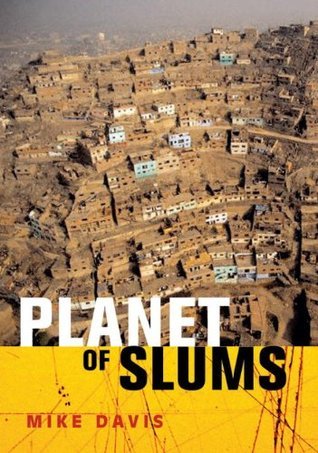
"Planet of Slums" by Mike Davis offers a stark, meticulously researched global overview of the unprecedented growth of urban slums in the Global South. Davis reveals how these informal settlements are not aberrations but integral, often planned, consequences of neoliberal economic policies, structural adjustments, and colonial legacies. He explores the political, economic, and social forces that have driven billions into squalid living conditions, detailing the struggles for survival, identity, and dignity within these burgeoning communities.
The book shares significant thematic ground with "Everybody Loves a Good Drought" due to their shared focus on systemic poverty and its human cost. Both authors delve into the socio-economic vulnerabilities of marginalized populations, meticulously charting how macro-level policies and historical injustices manifest as profound hardship at the grassroots. While Sainath focuses on India's rural poor, Davis broadens the lens to the world's urban dispossessed, yet both expose the failures of development models and the resilience of those left behind.
This work appeals to those interested in global development, urban studies, and social justice. It provides a crucial, often overlooked, perspective on contemporary urbanization and the deep inequalities shaping our planet. Expect to gain a comprehensive understanding of the forces creating and perpetuating slum life, fostering a more informed and critical view of global economic structures and their impact on human lives.
Planet of Slums
"Planet of Slums" by Mike Davis offers a stark, meticulously researched global overview of the unprecedented growth of urban slums in the Global South. Davis reveals how these informal settlements are not aberrations but integral, often planned, consequences of neoliberal economic policies, structural adjustments, and colonial legacies. He explores the political, economic, and social forces that have driven billions into squalid living conditions, detailing the struggles for survival, identity, and dignity within these burgeoning communities.
The book shares significant thematic ground with "Everybody Loves a Good Drought" due to their shared focus on systemic poverty and its human cost. Both authors delve into the socio-economic vulnerabilities of marginalized populations, meticulously charting how macro-level policies and historical injustices manifest as profound hardship at the grassroots. While Sainath focuses on India's rural poor, Davis broadens the lens to the world's urban dispossessed, yet both expose the failures of development models and the resilience of those left behind.
This work appeals to those interested in global development, urban studies, and social justice. It provides a crucial, often overlooked, perspective on contemporary urbanization and the deep inequalities shaping our planet. Expect to gain a comprehensive understanding of the forces creating and perpetuating slum life, fostering a more informed and critical view of global economic structures and their impact on human lives.
Amazing Grace: The Lives of Children and the Conscience of a Nation

"Amazing Grace" immerses us in the crushing realities of poverty experienced by children and families in the South Bronx during the 1990s. Kozol provides an intimate, often heartbreaking, portrait of lives navigating systemic neglect, inadequate resources, and profound social injustice. Through vivid personal narratives, it exposes the human cost of policies that marginalize and disempower communities, focusing on the resilience and spirit of those impacted.
This book resonates with "Everybody Loves a Good Drought" due to their shared commitment to bearing witness to the marginalized. Both authors meticulously document the human struggle against systemic deprivation, whether it's rural Indian farmers or urban American children. They use rigorous, empathetic journalism to uncover the devastating consequences of poverty and the often-invisible suffering endured by those at the periphery of society, forcing a confrontation with uncomfortable truths.
This profound work offers a crucial opportunity for introspection and understanding. Its detailed accounts foster empathy, illuminating the complex interplay of social structures and individual lives. It serves as a powerful call to acknowledge societal inequities and consider the moral imperative for change, providing valuable insight into the enduring challenges of poverty and inequality within advanced economies.
Amazing Grace: The Lives of Children and the Conscience of a Nation
"Amazing Grace" immerses us in the crushing realities of poverty experienced by children and families in the South Bronx during the 1990s. Kozol provides an intimate, often heartbreaking, portrait of lives navigating systemic neglect, inadequate resources, and profound social injustice. Through vivid personal narratives, it exposes the human cost of policies that marginalize and disempower communities, focusing on the resilience and spirit of those impacted.
This book resonates with "Everybody Loves a Good Drought" due to their shared commitment to bearing witness to the marginalized. Both authors meticulously document the human struggle against systemic deprivation, whether it's rural Indian farmers or urban American children. They use rigorous, empathetic journalism to uncover the devastating consequences of poverty and the often-invisible suffering endured by those at the periphery of society, forcing a confrontation with uncomfortable truths.
This profound work offers a crucial opportunity for introspection and understanding. Its detailed accounts foster empathy, illuminating the complex interplay of social structures and individual lives. It serves as a powerful call to acknowledge societal inequities and consider the moral imperative for change, providing valuable insight into the enduring challenges of poverty and inequality within advanced economies.
The Worst Hard Time: The Untold Story of Those Who Survived the Great American Dust Bowl

"The Worst Hard Time" recounts the devastating story of the American Dust Bowl in the 1930s through the harrowing experiences of those who lived through it. Egan weaves together personal narratives, historical context, and scientific explanations to paint a vivid picture of a man-made ecological disaster that forced countless families off their land, transforming the Great Plains into an uninhabitable wasteland and triggering mass migration.
This book shares a profound similarity with "Everybody Loves a Good Drought" in its journalistic approach to chronicling human suffering and resilience in the face of systemic neglect and environmental catastrophe. Both works rely on deep, empathetic reporting, giving voice to marginalized populations whose struggles are often overlooked. They meticulously detail the socioeconomic forces, policy failures, and environmental degradation that underpin widespread poverty and displacement.
This narrative holds significant appeal and value because it offers a stark reminder of humanity's vulnerability to environmental change and the profound human cost of unsustainable practices. It fosters a deeper understanding of historical resilience and the enduring spirit of communities under extreme duress, prompting reflection on our own responsibilities in shaping a sustainable future.
The Worst Hard Time: The Untold Story of Those Who Survived the Great American Dust Bowl
"The Worst Hard Time" recounts the devastating story of the American Dust Bowl in the 1930s through the harrowing experiences of those who lived through it. Egan weaves together personal narratives, historical context, and scientific explanations to paint a vivid picture of a man-made ecological disaster that forced countless families off their land, transforming the Great Plains into an uninhabitable wasteland and triggering mass migration.
This book shares a profound similarity with "Everybody Loves a Good Drought" in its journalistic approach to chronicling human suffering and resilience in the face of systemic neglect and environmental catastrophe. Both works rely on deep, empathetic reporting, giving voice to marginalized populations whose struggles are often overlooked. They meticulously detail the socioeconomic forces, policy failures, and environmental degradation that underpin widespread poverty and displacement.
This narrative holds significant appeal and value because it offers a stark reminder of humanity's vulnerability to environmental change and the profound human cost of unsustainable practices. It fosters a deeper understanding of historical resilience and the enduring spirit of communities under extreme duress, prompting reflection on our own responsibilities in shaping a sustainable future.
More Books to Explore
Discover more titles that expand on these ideas and themes.
A River Runs Again: India's Natural World in Crisis, from the Barren Cliffs of Rajasthan to the Farmlands of Karnataka
Behind the Beautiful Forevers: Life, Death, and Hope in a Mumbai Undercity
Poverty, by America
Death Without Weeping: The Violence of Everyday Life in Brazil
Stuffed and Starved: Markets, Power and the Hidden Battle for the World Food System
An Ordinary Person's Guide to Empire