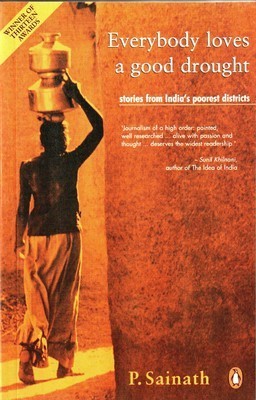
Everybody Loves a Good Drought
Book Description
Drought ravages the heart of India, yet the stories told are often camouflaged in indifference. Palagummi Sainath uncovers the grim reality behind the statistics, revealing the human faces behind the crisis. Through vivid narratives of farmers, families, and forgotten communities, every page pulsates with raw emotion and resilience. This gripping exploration exposes the deep-seated inequalities and the erratic behavior of nature in an age of climate turmoil. As survival hangs by a thread, will these voices find the strength to rise against the tide of despair? "Everybody Loves a Good Drought" demands to be heard—what happens when silence is no longer an option?
Quick Book Summary
"Everybody Loves a Good Drought" by Palagummi Sainath is a powerful collection of true stories from rural India that exposes the pervasiveness of poverty, government apathy, and the resilience of communities often left behind during crises. Drawing from extensive on-the-ground reporting, Sainath shines a light on the real-life impacts of drought, famine, and structural poverty across India's most neglected districts. The book illustrates not only the failure of development policies and welfare schemes, but also celebrates the ingenuity, solidarity, and perseverance found among villagers. Through personal interviews and vivid descriptions, Sainath confronts readers with the realities lurking behind official statistics, challenging widespread indifference and igniting a call for action and empathy.





Summary of Key Ideas
Table of Contents
Human Faces Behind the Statistics
The book draws upon Palagummi Sainath's years of reporting in some of India's poorest and most drought-prone districts. Rather than providing abstract economic data, Sainath brings readers into the lives of individuals and families whose stories are rarely told. Each narrative features personal struggles, such as fighting to access drinking water, striving to educate children amid adversity, and holding on to land and identity in the face of displacement. These intimate portrayals counter a history of indifference in mainstream media and policy discussions.
Systemic Failures and State Neglect
Sainath critically examines the failure of government policies meant to alleviate rural poverty. Through case studies, he reveals how well-intended schemes frequently fall short or end up aggravating the struggles of marginalized groups. Whether it is social welfare programs that bypass the most needy or infrastructure projects that serve bureaucratic interests, the system's inherent biases and inefficiencies are laid bare. Sainath's investigative journalism underscores the vital need for functional, accountable governance in rural India.
Ingenuity and Resilience of Rural Communities
Amidst hardship, the book highlights the resourcefulness and solidarity among rural communities. Villagers often devise clever solutions to problems left unaddressed by authorities, showcasing their capacity for innovation and collective action. This resilience, however, is not romanticized; Sainath makes clear it arises out of necessity, not choice. By capturing daily acts of survival and adaptability, the book both honors rural agency and points out the limits imposed by structural deprivation.
Unintended Consequences of Development Schemes
The unintended consequences of development are a recurring theme. Sainath critiques the one-size-fits-all approach of numerous initiatives, from irrigation projects to job schemes, which can disrupt traditional livelihoods without offering sustainable alternatives. These efforts, intended to modernize the countryside, sometimes fuel further marginalization, ecological imbalances, and economic precarity. The stories make plain that genuine progress requires empathetic engagement and context-sensitive solutions.
The Urgency of Listening and Bearing Witness
Ultimately, "Everybody Loves a Good Drought" insists on the moral urgency of listening to and amplifying marginalized voices. Sainath argues that journalism—and society at large—must bear honest witness to rural suffering, not merely as statistics but as lived realities. The book is both a testament to journalistic integrity and a clarion call for systemic change. Sainath invites readers to move from complacency to meaningful action, fostering a more just and attentive society.
Download This Summary
Get a free PDF of this summary instantly — no email required.