
Stuffed and Starved: Markets, Power and the Hidden Battle for the World Food System
Book Description
Two billion people are overfed, while nearly a billion go hungry. In "Stuffed and Starved," Raj Patel unveils the shocking truths behind the global food system—an intricate web of power, greed, and resilience. From the corporate giants pulling the strings to the farmers and communities battling for survival, this gripping narrative exposes the chaos in our diets and its devastating consequences. As hidden battles rage across continents, the stark contrast between abundance and scarcity becomes a startling reflection of a broken system. Who holds the power to change the future of food, and what will it take to tip the scales?
Quick Book Summary
"Stuffed and Starved" by Raj Patel is a deep investigation into the global food system, exposing stark contradictions where widespread hunger exists alongside obesity and overconsumption. Patel examines the complex mechanisms that leave farmers impoverished, consumers manipulated, and communities across the world battling both scarcity and abundance. He uncovers the dominance of powerful corporations and governmental policies that shape what food is produced, traded, and consumed. Through compelling stories and careful analysis, Patel reveals how these structures perpetuate inequality, environmental harm, and health crises. Ultimately, the book calls for systemic reform—advocating for equity, sustainability, and grassroots empowerment to transform the future of food.


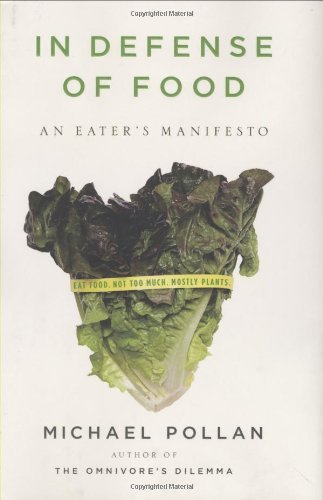

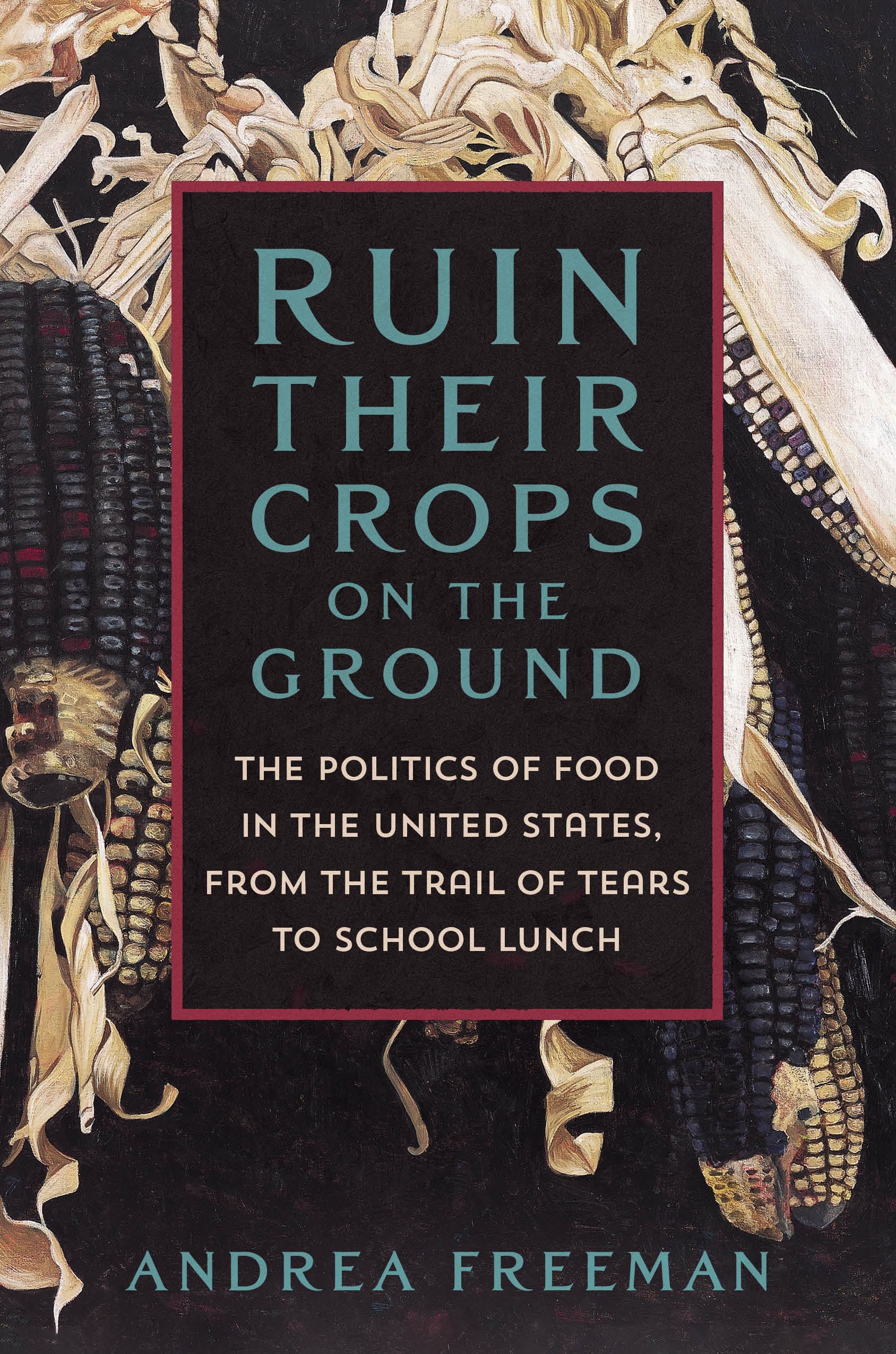
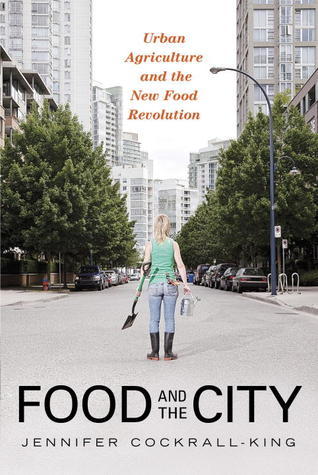
Summary of Key Ideas
Table of Contents
Global Inequality in Food Distribution
The world food system is marked by jarring contradictions—billions face malnutrition and hunger, while others deal with overconsumption and obesity. Patel begins by highlighting how global markets have created a system in which food is both overabundant and scarce, often within the same regions. He provides vivid examples from countries across the world to illustrate how the inequitable distribution of food leaves some populations stuffed and others starved. The root of this paradox lies not in a lack of food, but in a system shaped by profit rather than human need.
Corporate Power and Food Supply Chains
At the heart of the global food economy are powerful agribusinesses and retailers. Patel shows how a handful of multinational corporations control everything from seed supply to supermarket shelves. These conglomerates dictate prices, influence trade policies, and often push small farmers out of business. The consolidation of power in the food supply chain leads to homogeneity, environmental degradation, and loss of biodiversity, with large corporations prioritizing profit over people or planet.
The Plight of Farmers and Laborers
Farmers and agricultural workers are among the most vulnerable in the food system. Patel details the precarious conditions many face, from crushing debt to exposure to dangerous chemicals. Prices set by global markets and corporate buyers often fail to cover basic costs, trapping producers in cycles of poverty. Meanwhile, farm workers endure hazardous labor for meager wages, highlighting the disconnect between those who grow our food and those who profit from its sale.
Consumer Manipulation and Health Consequences
Consumers, too, are impacted by the structure of the food system. Patel reveals how corporate marketing, processed food availability, and governmental policies shape eating habits and contribute to public health crises such as obesity and diabetes. Misinformation, confusing labeling, and aggressive advertising foster environments where unhealthy choices are the norm, especially for marginalized communities, revealing the hidden consequences of global food trade and marketing strategies.
Paths Toward Food Sovereignty and Reform
Despite these challenges, Patel explores emerging alternatives and the fight for food sovereignty. Grassroots movements, fair trade initiatives, and local food networks offer models for more equitable, sustainable, and healthy food systems. He underscores the importance of democratic control, local empowerment, and policy change. Patel’s call to action inspires readers to recognize their role in pushing for systemic reform—and to join the global struggle for food justice, accountability, and resilience.
Download This Summary
Get a free PDF of this summary instantly — no email required.