10 Books Similar to "After the Fall"
by Arthur Miller

All My Sons

"All My Sons" exposes the devastating consequences of wartime profiteering on an American family. Patriarch Joe Keller, a successful manufacturer, faces his past as long-buried secrets about faulty airplane parts and a deadly cover-up resurface, tearing apart his family and community, and forcing him to confront his moral culpability.
Both plays delve into the crushing weight of past transgressions and the complex interplay between individual conscience and societal expectations. Like "After the Fall," "All My Sons" dissects the American Dream, revealing its potential for corruption and the profound personal costs of compromise and denial in the face of moral responsibility.
Anyone interested in the human cost of deceit and the enduring themes of guilt, accountability, and the fragility of relationships will find this play deeply resonant. It offers a powerful examination of how seemingly isolated decisions can ripple through generations, offering valuable insights into ethics and personal integrity.
All My Sons
"All My Sons" exposes the devastating consequences of wartime profiteering on an American family. Patriarch Joe Keller, a successful manufacturer, faces his past as long-buried secrets about faulty airplane parts and a deadly cover-up resurface, tearing apart his family and community, and forcing him to confront his moral culpability.
Both plays delve into the crushing weight of past transgressions and the complex interplay between individual conscience and societal expectations. Like "After the Fall," "All My Sons" dissects the American Dream, revealing its potential for corruption and the profound personal costs of compromise and denial in the face of moral responsibility.
Anyone interested in the human cost of deceit and the enduring themes of guilt, accountability, and the fragility of relationships will find this play deeply resonant. It offers a powerful examination of how seemingly isolated decisions can ripple through generations, offering valuable insights into ethics and personal integrity.
Death of a Salesman
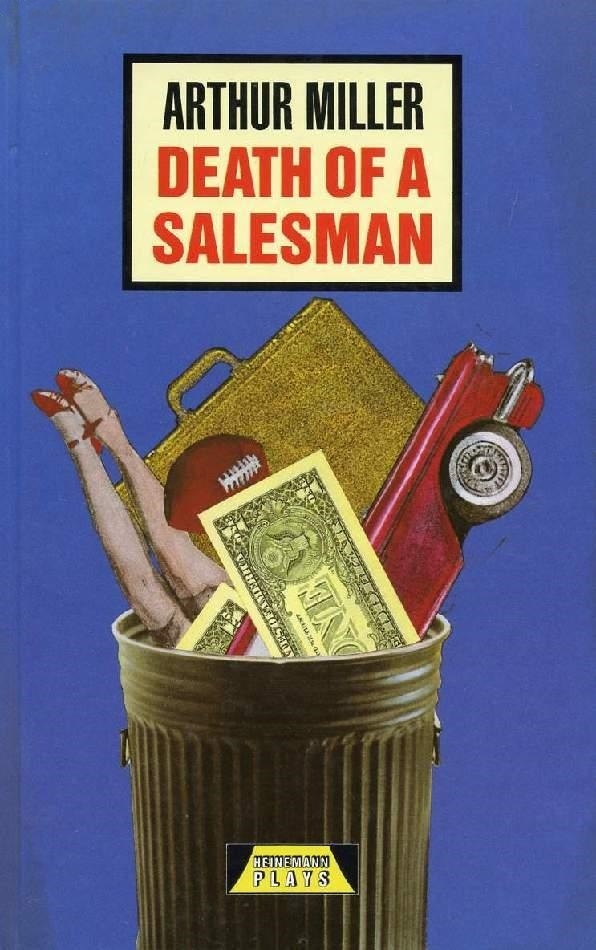
"Death of a Salesman" explores the tragic downfall of Willy Loman, an aging traveling salesman grappling with the disillusionment of his unfulfilled dreams and the crumbling facade of his cherished American ideal. Through flashbacks and present-day struggles, the play delves into themes of identity, the ephemeral nature of success, and the complex, often fraught, dynamics within a family unit. It's a poignant examination of a man unable to reconcile his self-perception with reality.
Both "Death of a Salesman" and "After the Fall" are quintessential Arthur Miller works, deeply rooted in the exploration of personal disillusionment and the corrosive effects of societal pressures. They both feature protagonists wrestling with profound personal failures and the weight of their past choices, often through a non-linear narrative structure that blurs the lines between memory and reality. The inner turmoil of Quentin in "After the Fall" mirrors Willy's existential crisis, examining responsibility and the human capacity for both self-deception and self-awareness.
This play offers a profound and challenging engagement with the pursuit of happiness and the potentially devastating consequences of defining oneself by external validation. Its enduring power lies in its unflinching portrayal of universal struggles – the yearning for significance, the burden of expectation, and the pain of regret – making it a timeless commentary on the human condition and the elusive nature of the American Dream.
Death of a Salesman
"Death of a Salesman" explores the tragic downfall of Willy Loman, an aging traveling salesman grappling with the disillusionment of his unfulfilled dreams and the crumbling facade of his cherished American ideal. Through flashbacks and present-day struggles, the play delves into themes of identity, the ephemeral nature of success, and the complex, often fraught, dynamics within a family unit. It's a poignant examination of a man unable to reconcile his self-perception with reality.
Both "Death of a Salesman" and "After the Fall" are quintessential Arthur Miller works, deeply rooted in the exploration of personal disillusionment and the corrosive effects of societal pressures. They both feature protagonists wrestling with profound personal failures and the weight of their past choices, often through a non-linear narrative structure that blurs the lines between memory and reality. The inner turmoil of Quentin in "After the Fall" mirrors Willy's existential crisis, examining responsibility and the human capacity for both self-deception and self-awareness.
This play offers a profound and challenging engagement with the pursuit of happiness and the potentially devastating consequences of defining oneself by external validation. Its enduring power lies in its unflinching portrayal of universal struggles – the yearning for significance, the burden of expectation, and the pain of regret – making it a timeless commentary on the human condition and the elusive nature of the American Dream.
Letting Go
Philip Roth’s "Letting Go" delves into the complexities of young adult relationships and intellectual life in 1950s America, primarily through the eyes of Gabe Wallach, a graduate student grappling with commitment, responsibility, and the messy realities of love and friendship. It explores the painful emotional compromises and sacrifices individuals make, or fail to make, as they navigate personal and professional aspirations against the backdrop of burgeoning adulthood.
Both "Letting Go" and Arthur Miller's "After the Fall" probe the psychological aftermath of pivotal relationships and the protagonists' struggles with self-definition. They share a relentless, almost surgical examination of interpersonal dynamics, revealing how past choices and emotional baggage profoundly shape present experiences. Each novel presents a deeply reflective male protagonist confronting his emotional history, seeking clarity in the often-turbulent waters of personal attachment and moral responsibility.
This book offers a compelling exploration of guilt, moral ambiguity, and the existential choices that define a life, themes that resonate deeply with many. Its intricate character studies and incisive look at the human condition provide a rich tapestry for contemplation, prompting reflection on one's own relationships and the nature of true commitment. The intellectual rigor and emotional honesty will satisfy those who appreciate nuanced psychological drama.
Letting Go
Philip Roth’s "Letting Go" delves into the complexities of young adult relationships and intellectual life in 1950s America, primarily through the eyes of Gabe Wallach, a graduate student grappling with commitment, responsibility, and the messy realities of love and friendship. It explores the painful emotional compromises and sacrifices individuals make, or fail to make, as they navigate personal and professional aspirations against the backdrop of burgeoning adulthood.
Both "Letting Go" and Arthur Miller's "After the Fall" probe the psychological aftermath of pivotal relationships and the protagonists' struggles with self-definition. They share a relentless, almost surgical examination of interpersonal dynamics, revealing how past choices and emotional baggage profoundly shape present experiences. Each novel presents a deeply reflective male protagonist confronting his emotional history, seeking clarity in the often-turbulent waters of personal attachment and moral responsibility.
This book offers a compelling exploration of guilt, moral ambiguity, and the existential choices that define a life, themes that resonate deeply with many. Its intricate character studies and incisive look at the human condition provide a rich tapestry for contemplation, prompting reflection on one's own relationships and the nature of true commitment. The intellectual rigor and emotional honesty will satisfy those who appreciate nuanced psychological drama.
The Fall

Albert Camus's "The Fall" is a profound monologue delivered by Jean-Baptiste Clamence, a former Parisian lawyer, to a stranger in an Amsterdam bar. Clamence confesses his past life of self-deception and moral hypocrisy, gradually revealing himself as a "judge-penitent" who, by admitting his own guilt, subtly implicates his listener and, by extension, all humanity in the universal condition of moral culpability and the burden of freedom.
The novel shares a striking thematic resonance with "After the Fall" through its exploration of individual responsibility for past actions and the struggle for self-justification. Both works confront characters wrestling with deep-seated guilt, disillusionment, and the fragmented nature of memory, using an intimate, confessional narrative style to dissect the complexities of human morality and the difficulty of sincere introspection.
This powerful narrative will deeply resonate with individuals interested in philosophical fiction and psychological drama. Its unflinching examination of human ethics, the seductive nature of self-deception, and the pervasive sense of complicity in modern society offers profound insights into the human condition, encouraging reflection on one's own moral compass and the judgments we make about ourselves and others.
The Fall
Albert Camus's "The Fall" is a profound monologue delivered by Jean-Baptiste Clamence, a former Parisian lawyer, to a stranger in an Amsterdam bar. Clamence confesses his past life of self-deception and moral hypocrisy, gradually revealing himself as a "judge-penitent" who, by admitting his own guilt, subtly implicates his listener and, by extension, all humanity in the universal condition of moral culpability and the burden of freedom.
The novel shares a striking thematic resonance with "After the Fall" through its exploration of individual responsibility for past actions and the struggle for self-justification. Both works confront characters wrestling with deep-seated guilt, disillusionment, and the fragmented nature of memory, using an intimate, confessional narrative style to dissect the complexities of human morality and the difficulty of sincere introspection.
This powerful narrative will deeply resonate with individuals interested in philosophical fiction and psychological drama. Its unflinching examination of human ethics, the seductive nature of self-deception, and the pervasive sense of complicity in modern society offers profound insights into the human condition, encouraging reflection on one's own moral compass and the judgments we make about ourselves and others.
The Man Who Had All the Luck

"The Man Who Had All the Luck" traces the perplexing journey of David Beeves, a young man whose life is punctuated by an uncanny series of fortunate events. Every gamble pays off, every potential disaster narrowly averted, leaving him increasingly unnerved and questioning the very nature of his existence. He grapples with a growing sense of undeservedness, convinced that such persistent good fortune must inevitably lead to a catastrophic balance.
Both plays delve into the psychological turmoil of protagonists profoundly impacted by external circumstances. Where "After the Fall" finds Quentin dissecting his past relationships and internal conflicts, "The Man Who Had All the Luck" explores David's struggle with an overwhelming, almost suffocating, run of luck. Miller’s early work, like his later masterpiece, skillfully dissects the burden of guilt, responsibility, and the search for meaning in a life that feels both preordained and strangely unearned.
This earlier play offers a compelling exploration of fate versus free will and the inherent human need for equilibrium. It prompts reflection on how we attribute success and failure, and the unsettling nature of a life seemingly devoid of struggle. The work’s lasting relevance lies in its ability to provoke thoughtful consideration of the psychological cost of both hardship and effortless triumph, a theme that resonates deeply with adult audiences seeking profound character studies.
The Man Who Had All the Luck
"The Man Who Had All the Luck" traces the perplexing journey of David Beeves, a young man whose life is punctuated by an uncanny series of fortunate events. Every gamble pays off, every potential disaster narrowly averted, leaving him increasingly unnerved and questioning the very nature of his existence. He grapples with a growing sense of undeservedness, convinced that such persistent good fortune must inevitably lead to a catastrophic balance.
Both plays delve into the psychological turmoil of protagonists profoundly impacted by external circumstances. Where "After the Fall" finds Quentin dissecting his past relationships and internal conflicts, "The Man Who Had All the Luck" explores David's struggle with an overwhelming, almost suffocating, run of luck. Miller’s early work, like his later masterpiece, skillfully dissects the burden of guilt, responsibility, and the search for meaning in a life that feels both preordained and strangely unearned.
This earlier play offers a compelling exploration of fate versus free will and the inherent human need for equilibrium. It prompts reflection on how we attribute success and failure, and the unsettling nature of a life seemingly devoid of struggle. The work’s lasting relevance lies in its ability to provoke thoughtful consideration of the psychological cost of both hardship and effortless triumph, a theme that resonates deeply with adult audiences seeking profound character studies.
A View from the Bridge: A Play in Two Acts

"A View from the Bridge" exposes the tragic consequences of obsessive love and fractured family loyalty within Brooklyn's insular Italian-American waterfront community. Longshoreman Eddie Carbone, his devoted wife Beatrice, and their orphaned niece Catherine form a precarious unit until the arrival of two illegal immigrant cousins from Italy disrupts their domestic equilibrium. Eddie's increasingly possessive and inappropriate affection for Catherine, coupled with his deep-seated jealousy of her blossoming romance with one of the newcomers, propels the narrative toward an inevitable and devastating climax driven by betrayal and a rigid code of honor.
This play mirrors "After the Fall" in its dissection of individual responsibility, moral compromise, and the painful reconstruction of personal history. Both works feature protagonists wrestling with past decisions and grappling with self-deception that ultimately leads to their undoing. Miller consistently examines how internal psychological turmoil and external societal pressures contribute to the tragic trajectory of his characters, exploring themes of guilt, justice, and the elusive nature of truth.
The enduring power of "A View from the Bridge" lies in its raw portrayal of human fallibility and the destructive nature of unchecked passion. It offers a profound exploration of cultural clashes, the suffocating grip of societal expectations, and the universal struggle for identity and belonging. Engaging with this play provides insight into the complex motivations behind seemingly irrational acts and the tragic beauty of confronting one's own complicity in personal catastrophe.
A View from the Bridge: A Play in Two Acts
"A View from the Bridge" exposes the tragic consequences of obsessive love and fractured family loyalty within Brooklyn's insular Italian-American waterfront community. Longshoreman Eddie Carbone, his devoted wife Beatrice, and their orphaned niece Catherine form a precarious unit until the arrival of two illegal immigrant cousins from Italy disrupts their domestic equilibrium. Eddie's increasingly possessive and inappropriate affection for Catherine, coupled with his deep-seated jealousy of her blossoming romance with one of the newcomers, propels the narrative toward an inevitable and devastating climax driven by betrayal and a rigid code of honor.
This play mirrors "After the Fall" in its dissection of individual responsibility, moral compromise, and the painful reconstruction of personal history. Both works feature protagonists wrestling with past decisions and grappling with self-deception that ultimately leads to their undoing. Miller consistently examines how internal psychological turmoil and external societal pressures contribute to the tragic trajectory of his characters, exploring themes of guilt, justice, and the elusive nature of truth.
The enduring power of "A View from the Bridge" lies in its raw portrayal of human fallibility and the destructive nature of unchecked passion. It offers a profound exploration of cultural clashes, the suffocating grip of societal expectations, and the universal struggle for identity and belonging. Engaging with this play provides insight into the complex motivations behind seemingly irrational acts and the tragic beauty of confronting one's own complicity in personal catastrophe.
Hard Rain Falling

Don Carpenter's "Hard Rain Falling" is a raw, unflinching look at the lives of two men, Jack Levitt and Billy Lancing, navigating the harsh realities of poverty, crime, and imprisonment in mid-20th century America. It chronicles their struggles to find meaning and a place in a world seemingly designed to defeat them, offering a gritty exploration of male friendship and resilience against systemic odds.
The similarity to "After the Fall" lies in both novels' deep dive into the psychological landscapes of their protagonists, grappling with profound personal failures, moral compromises, and the search for redemption amidst a crumbling personal world. Like Quentin's self-examination in Miller's work, Jack and Billy confront their past choices and the elusive nature of innocence, revealing the difficult truths about guilt and responsibility within a broader societal context.
This novel will resonate with those who appreciate powerful character-driven narratives exploring the darker facets of the human condition. Its authentic portrayal of struggle and the enduring human spirit makes it a valuable read for understanding the complexities of social alienation and the persistent quest for dignity in challenging circumstances.
Hard Rain Falling
Don Carpenter's "Hard Rain Falling" is a raw, unflinching look at the lives of two men, Jack Levitt and Billy Lancing, navigating the harsh realities of poverty, crime, and imprisonment in mid-20th century America. It chronicles their struggles to find meaning and a place in a world seemingly designed to defeat them, offering a gritty exploration of male friendship and resilience against systemic odds.
The similarity to "After the Fall" lies in both novels' deep dive into the psychological landscapes of their protagonists, grappling with profound personal failures, moral compromises, and the search for redemption amidst a crumbling personal world. Like Quentin's self-examination in Miller's work, Jack and Billy confront their past choices and the elusive nature of innocence, revealing the difficult truths about guilt and responsibility within a broader societal context.
This novel will resonate with those who appreciate powerful character-driven narratives exploring the darker facets of the human condition. Its authentic portrayal of struggle and the enduring human spirit makes it a valuable read for understanding the complexities of social alienation and the persistent quest for dignity in challenging circumstances.
An American Dream
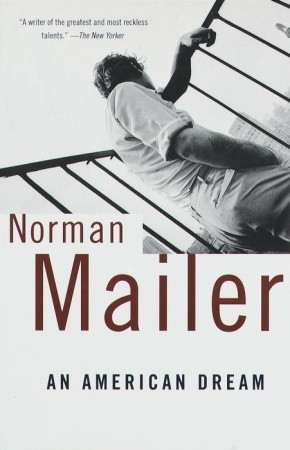
Norman Mailer's "An American Dream" plunges into the nightmarish reality of Stephen Rojack, a celebrated intellectual who, in a fit of rage, murders his wealthy socialite wife. The novel then charts his increasingly surreal and violent descent through a dark, sexually charged urban landscape, grappling with guilt, memory, and the elusive nature of redemption as he navigates the aftermath of his crime and its implications for his public and private life.
Both novels dissect the psychological torment of a prominent male protagonist confronting a profound personal crisis, often triggered by a fraught relationship with a powerful woman. They explore themes of guilt, memory, and the search for self-understanding amidst a fractured past. Both Rojack and Quentin, the lead in "After the Fall," are intellectuals forced to re-evaluate their past actions and the nature of their own moral culpability within a society they at once embody and critique.
This book will appeal to those who appreciate a searing psychological exploration of an individual’s moral reckoning. It offers a provocative commentary on the darker undercurrents of the American psyche and the corrosive effects of privilege and ambition. The novel’s unflinching honesty and intense prose provide a visceral and deeply engaging examination of human nature under extreme duress, making it a valuable read for anyone interested in complex character studies and existential themes.
An American Dream
Norman Mailer's "An American Dream" plunges into the nightmarish reality of Stephen Rojack, a celebrated intellectual who, in a fit of rage, murders his wealthy socialite wife. The novel then charts his increasingly surreal and violent descent through a dark, sexually charged urban landscape, grappling with guilt, memory, and the elusive nature of redemption as he navigates the aftermath of his crime and its implications for his public and private life.
Both novels dissect the psychological torment of a prominent male protagonist confronting a profound personal crisis, often triggered by a fraught relationship with a powerful woman. They explore themes of guilt, memory, and the search for self-understanding amidst a fractured past. Both Rojack and Quentin, the lead in "After the Fall," are intellectuals forced to re-evaluate their past actions and the nature of their own moral culpability within a society they at once embody and critique.
This book will appeal to those who appreciate a searing psychological exploration of an individual’s moral reckoning. It offers a provocative commentary on the darker undercurrents of the American psyche and the corrosive effects of privilege and ambition. The novel’s unflinching honesty and intense prose provide a visceral and deeply engaging examination of human nature under extreme duress, making it a valuable read for anyone interested in complex character studies and existential themes.
The Long Goodbye
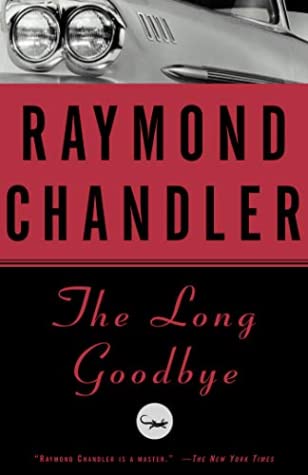
"The Long Goodbye" is a quintessential hardboiled detective novel starring Philip Marlowe. He reluctantly finds himself embroiled in a complex web of murder, infidelity, and betrayal when he tries to help a seemingly decent friend, Terry Lennox, escape a murder charge. The narrative unfolds with Chandler's signature blend of cynicism and moral conviction, as Marlowe navigates the decadent underbelly of 1950s Los Angeles, confronting the corrupting influence of wealth and power.
Both novels delve deeply into the psychological landscape of their protagonists and the lingering shadows of past relationships. Just as Quentin in "After the Fall" grapples with the ghosts of his loves and the burden of self-reproach, Marlowe is haunted by a sense of loss and disillusionment. Both men are confronted with the ambiguity of truth and the moral compromises inherent in human connection, making them introspective journeys into the nature of guilt and complicity.
This novel offers a compelling exploration of moral integrity in a morally ambiguous world, a theme that resonates strongly with contemporary concerns. It provides a masterclass in atmospheric writing and character development, drawing an audience into a meticulously crafted world where loyalty is tested and justice is elusive. The enduring power of its prose and its profound human insights make it a truly enriching experience.
The Long Goodbye
"The Long Goodbye" is a quintessential hardboiled detective novel starring Philip Marlowe. He reluctantly finds himself embroiled in a complex web of murder, infidelity, and betrayal when he tries to help a seemingly decent friend, Terry Lennox, escape a murder charge. The narrative unfolds with Chandler's signature blend of cynicism and moral conviction, as Marlowe navigates the decadent underbelly of 1950s Los Angeles, confronting the corrupting influence of wealth and power.
Both novels delve deeply into the psychological landscape of their protagonists and the lingering shadows of past relationships. Just as Quentin in "After the Fall" grapples with the ghosts of his loves and the burden of self-reproach, Marlowe is haunted by a sense of loss and disillusionment. Both men are confronted with the ambiguity of truth and the moral compromises inherent in human connection, making them introspective journeys into the nature of guilt and complicity.
This novel offers a compelling exploration of moral integrity in a morally ambiguous world, a theme that resonates strongly with contemporary concerns. It provides a masterclass in atmospheric writing and character development, drawing an audience into a meticulously crafted world where loyalty is tested and justice is elusive. The enduring power of its prose and its profound human insights make it a truly enriching experience.
The Anatomy Lesson

Philip Roth's "The Anatomy Lesson" explores the existential crisis of David Kepesh, an esteemed but ailing humanities professor grappling with mysterious physical ailments and a profound intellectual and personal stagnation. The novel delves into his obsessive self-analysis, his strained relationships, and his desperate search for meaning amid declining health and a sense of creative barrenness, as he contemplates a radical shift in his life and identity.
The thematic parallels with "After the Fall" are striking. Both novels feature protagonists – Quentin in Miller's work and Kepesh in Roth's – embroiled in intense self-interrogation and moral reckoning. They are intellectuals confronting past choices, failed relationships, and a pervasive sense of guilt and disillusionment. Both authors utilize a confessional, introspective style to expose the psychological turmoil of men struggling to reconcile their ideals with the messy realities of their lives, dissecting their own culpability and the nature of human imperfection.
This book will appeal to those who appreciate deep psychological dives into complex characters facing personal and intellectual crises. Its value lies in its unflinching examination of identity, suffering, and the human condition, offering a poignant and often darkly humorous exploration of self-discovery and the search for authentic living. It provides a rich and challenging reading experience for individuals drawn to literature that probes the anxieties and existential struggles of the modern man.
The Anatomy Lesson
Philip Roth's "The Anatomy Lesson" explores the existential crisis of David Kepesh, an esteemed but ailing humanities professor grappling with mysterious physical ailments and a profound intellectual and personal stagnation. The novel delves into his obsessive self-analysis, his strained relationships, and his desperate search for meaning amid declining health and a sense of creative barrenness, as he contemplates a radical shift in his life and identity.
The thematic parallels with "After the Fall" are striking. Both novels feature protagonists – Quentin in Miller's work and Kepesh in Roth's – embroiled in intense self-interrogation and moral reckoning. They are intellectuals confronting past choices, failed relationships, and a pervasive sense of guilt and disillusionment. Both authors utilize a confessional, introspective style to expose the psychological turmoil of men struggling to reconcile their ideals with the messy realities of their lives, dissecting their own culpability and the nature of human imperfection.
This book will appeal to those who appreciate deep psychological dives into complex characters facing personal and intellectual crises. Its value lies in its unflinching examination of identity, suffering, and the human condition, offering a poignant and often darkly humorous exploration of self-discovery and the search for authentic living. It provides a rich and challenging reading experience for individuals drawn to literature that probes the anxieties and existential struggles of the modern man.
More Books to Explore
Discover more titles that expand on these ideas and themes.
All My Sons
Death of a Salesman
Letting Go
The Fall
The Man Who Had All the Luck
A View from the Bridge: A Play in Two Acts