
The Anatomy Lesson
Book Description
In the crucible of a postwar America, a young man wrestles with the weight of ambition and desire. Armed with a scalpel and a heart full of dreams, he ventures into the turbulent world of the art of anatomy, where every incision reveals deeper truths about identity, mortality, and the nature of existence. Relationships unravel and passions ignite as he navigates the complexities of love and loss, each choice rippling through his life like a haunting echo. As the lines between flesh and spirit blur, the ultimate question looms: what does it truly mean to be alive?
Quick Book Summary
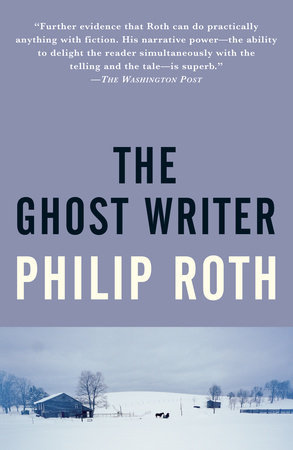
"The Anatomy Lesson" by Philip Roth follows Nathan Zuckerman, a celebrated Jewish-American novelist, as he confronts a debilitating physical ailment and a crisis of identity. Set in postwar America, the novel explores Zuckerman’s struggle with chronic pain that leaves him creatively stunted and desperate. As he revisits his past, examining familial relationships and failed romances, Zuckerman’s introspection deepens, blurring the line between physical suffering and existential doubt. The novel interweaves themes of mortality, ambition, and the search for meaning, as Zuckerman flails between self-pity, nostalgia, and reckless impulses. Ultimately, Roth uses Zuckerman’s journey as a scalpel to dissect the human condition in all its vulnerability, complexity, and yearning for transcendence.


Summary of Key Ideas
Table of Contents
The Crisis of Identity and Creativity
Nathan Zuckerman, once a successful and ambitious writer, finds himself incapacitated by mysteriously persistent neck pain. This physical ailment not only leaves him confined and suffering but also severs the connection to his creative impulses. The pain becomes a metaphor for his deeper spiritual malaise—a sense of paralysis that extends beyond his body to his sense of purpose as both a writer and a person living in a rapidly changing America. Zuckerman’s distress heightens his anxiety about his legacy and role within the broader Jewish-American narrative.
Physical Suffering as Metaphor
As Zuckerman endures the limitations forced by chronic pain, he is compelled to reflect on his earlier ambitions and the price paid for literary fame. Faced with the dissolution of his previous relationships—with lovers, family, and friends—he grapples with the aftershocks of his choices and the isolating side-effects of creative obsession. Each encounter from his past echoes with unresolved tensions, amplifying Zuckerman’s disconnection both from others and from his younger, more vital self.
Familial and Romantic Relationships
The novel skillfully blends moments of dark humor with incisive observations about mortality and the human condition. Zuckerman’s suffering forces him to pivot inward, re-examining his memories and desires while contemplating the boundaries between body and spirit. As he contemplates a dramatic career shift in the wake of his physical and creative breakdown, he questions the essence of identity and whether reinvention is possible in the face of age and pain.
Ambition, Desire, and Disillusionment
Roth uses Zuckerman’s inner turmoil to probe broader philosophical inquiries. The anatomy lessons Zuckerman both seeks and receives are not just about the human body, but about the anatomy of ambition, regret, and love. Each incision into his past exposes vulnerability and longing for connection, as well as the existential dread that comes with acute awareness of mortality. These explorations underscore the universal struggle to reconcile desire with limitation, and to discover meaning even amid suffering.
Mortality and the Search for Meaning
By the novel’s end, Zuckerman’s journey remains unresolved, marked by the paradoxes of pain and passion, isolation and yearning. Through his protagonist, Roth offers a powerful meditation on the price of art, the messiness of relationships, and the ineffable struggle of being alive. The story’s lingering questions and Zuckerman’s imperfect search for purpose ensure that the anatomy lesson remains ongoing, incarnate in the reader as much as in the narrative.
Download This Summary
Get a free PDF of this summary instantly — no email required.