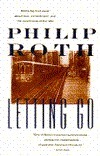
Letting Go
Book Description
Amid the chaos of love and loss, a man's heart teeters on the brink. Navigating the complex maze of relationships, he grapples with the relentless tug of memory and desire. Friends and lovers become fraught battlegrounds as he confronts the haunting specter of abandonment. With raw emotion surging and hopes hanging by a thread, every decision feels monumental. Can he unravel the ties that bind him before they strangle his chance at happiness? In a world where letting go seems impossible, is freedom found in surrender or in clinging to what once was?
Quick Book Summary
"Letting Go" by Philip Roth is a searching and emotionally charged novel centered on Gabe Wallach, a young academic navigating the uncertainties of adulthood in postwar America. Caught between familial obligation, friendship, and passion, Gabe forms deep and complicated relationships with Paul Herz and Martha Regan, each of whom wrestles with their own burdens of love, loyalty, and regret. As the story unfolds, the characters find themselves ensnared in dilemmas of desire, responsibility, and freedom. Through Roth's signature prose, the novel dissects the endurance and limits of personal connections, the wounds of the past, and the longing for escape. "Letting Go" ultimately challenges the notion of whether true liberation lies in severing old ties or in confronting what binds us.


Summary of Key Ideas
Table of Contents
The Burden of Responsibility and Guilt
At its heart, "Letting Go" explores the psychological terrain of Gabe Wallach, a young instructor contending with the emotional remnants of his mother’s recent death and the expectations of adulthood. Gabe's journey in postwar Chicago is defined by a longing for connection but is complicated by his self-imposed sense of guilt and obligation. As he attempts to move forward, the burdens he carries hamper his ability to embrace new beginnings fully, casting a shadow of uncertainty over every relationship and decision.
Complexities of Friendship and Love
Gabe’s life becomes intertwined with that of Paul Herz, a fellow academic whose marriage to the troubled Martha Regan exposes the fragile seams of personal and marital bonds. Their intense friendship evolves into a source of comfort and contention, as both men face the strain of loyalties divided between desire, ambition, and duty. Gabe’s influence on Paul and Martha draws him deeper into their turbulent lives, forcing all three to navigate an emotional minefield where intimacy, rivalry, and jealousy intersect with profound vulnerability.
Memory, Loss, and the Shadow of the Past
Throughout the novel, Roth dissects the way memory—and the pain of loss—haunts his characters. Past traumas, failed relationships, and the looming specter of abandonment repeatedly emerge, steering decisions and fueling insecurities. Martha, especially, is shaped by her own history of loss and difficulty, with her struggles echoing Gabe’s in powerful ways. The persistent tug of the past becomes a force that all must reckon with, as it continually threatens any chance they have for happiness.
The Search for Identity and Freedom
The characters’ attempts to define themselves and break free from the limitations imposed by circumstance and emotion are central to the narrative. Each is forced to confront the question of whether authenticity and fulfillment can be found by letting go of the identities prescribed by others, or by duking it out with their own histories. The pursuit of love and meaning often brings pain and disappointment, but it also offers fleeting glimpses of hope and renewal as Gabe and those around him attempt to reconcile who they are with who they wish to become.
Ultimately, "Letting Go" delves into the paradox of liberation. While the desire to cut ties with the past and with difficult people is seductive, Roth acknowledges the inescapable reality that to live fully may require holding onto certain ties while gently loosening others. The novel leaves readers with lingering questions about the nature of freedom, the price of emotional entanglement, and whether true happiness comes from surrendering to circumstances or actively shaping one’s fate.
Download This Summary
Get a free PDF of this summary instantly — no email required.