10 Books Similar to "Vasistha's Yoga"
by Venkatesananda

Raja-Vidya: The King of Knowledge
"Raja-Vidya: The King of Knowledge" distills the essence of Vaishnava philosophy and practices, particularly from the *Bhagavad-gita*, advocating for Bhakti-yoga as the supreme path to spiritual realization. It explains fundamental concepts like the nature of the soul, the material world, karma, and the ultimate goal of life—loving devotion to God. The book emphasizes practical application of these principles in daily living, aiming to elevate consciousness and foster inner peace.
This work resonates with "Vasistha's Yoga" through its profound exploration of self-knowledge and liberation. Both texts guide the seeker towards understanding their true identity beyond the material body and mind, offering a systematic approach to spiritual enlightenment. While Vasistha’s text often employs a more contemplative, jnana-yoga (knowledge-based) approach, "Raja-Vidya" also champions self-inquiry, culminating in a loving relationship with the divine, a state of ultimate equipoise.
The book's appeal lies in its clear, accessible articulation of complex spiritual truths, making profound wisdom actionable. It offers a framework for navigating life's challenges with a spiritual perspective, fostering inner resilience and purpose. Its timeless insights provide a valuable guide for anyone seeking authentic meaning, a deeper understanding of existence, and a path toward lasting happiness.
Raja-Vidya: The King of Knowledge
"Raja-Vidya: The King of Knowledge" distills the essence of Vaishnava philosophy and practices, particularly from the *Bhagavad-gita*, advocating for Bhakti-yoga as the supreme path to spiritual realization. It explains fundamental concepts like the nature of the soul, the material world, karma, and the ultimate goal of life—loving devotion to God. The book emphasizes practical application of these principles in daily living, aiming to elevate consciousness and foster inner peace.
This work resonates with "Vasistha's Yoga" through its profound exploration of self-knowledge and liberation. Both texts guide the seeker towards understanding their true identity beyond the material body and mind, offering a systematic approach to spiritual enlightenment. While Vasistha’s text often employs a more contemplative, jnana-yoga (knowledge-based) approach, "Raja-Vidya" also champions self-inquiry, culminating in a loving relationship with the divine, a state of ultimate equipoise.
The book's appeal lies in its clear, accessible articulation of complex spiritual truths, making profound wisdom actionable. It offers a framework for navigating life's challenges with a spiritual perspective, fostering inner resilience and purpose. Its timeless insights provide a valuable guide for anyone seeking authentic meaning, a deeper understanding of existence, and a path toward lasting happiness.
The Living Gita: The Complete Bhagavad Gita: a Commentary for Modern Readers
"The Living Gita" by Satchidananda offers a comprehensive, accessible commentary on the Bhagavad Gita, a foundational text of Hindu philosophy. It distills complex spiritual teachings into practical wisdom, making the ancient dialogue between Krishna and Arjuna relevant for contemporary life and its challenges. The book explains core concepts like dharma, karma, and selfless action through a modern lens, encouraging introspection and personal growth.
This book shares a deep affinity with "Vasistha's Yoga" through their common goal: providing a systematic, philosophical pathway to understanding the nature of reality and human suffering. Both texts explore the workings of the mind, the illusion of separality, and the ultimate aim of liberation, presenting timeless spiritual principles in a digestible format for serious seekers.
The book will appeal to those seeking practical wisdom for navigating life's complexities and understanding the deeper aspects of existence. Its clear, compassionate guidance provides tools for cultivating inner peace, ethical conduct, and a more profound sense of purpose, offering enduring value for personal development and spiritual exploration.
The Living Gita: The Complete Bhagavad Gita: a Commentary for Modern Readers
"The Living Gita" by Satchidananda offers a comprehensive, accessible commentary on the Bhagavad Gita, a foundational text of Hindu philosophy. It distills complex spiritual teachings into practical wisdom, making the ancient dialogue between Krishna and Arjuna relevant for contemporary life and its challenges. The book explains core concepts like dharma, karma, and selfless action through a modern lens, encouraging introspection and personal growth.
This book shares a deep affinity with "Vasistha's Yoga" through their common goal: providing a systematic, philosophical pathway to understanding the nature of reality and human suffering. Both texts explore the workings of the mind, the illusion of separality, and the ultimate aim of liberation, presenting timeless spiritual principles in a digestible format for serious seekers.
The book will appeal to those seeking practical wisdom for navigating life's complexities and understanding the deeper aspects of existence. Its clear, compassionate guidance provides tools for cultivating inner peace, ethical conduct, and a more profound sense of purpose, offering enduring value for personal development and spiritual exploration.
Light on the Yoga Sutras of Patanjali
"Light on the Yoga Sutras of Patanjali" is a meticulous commentary on the foundational text of Yoga philosophy. B.K.S. Iyengar dissects each sutra, offering profound insights into the nature of the mind, the obstacles to spiritual progress, and the path to liberation. He unpacks the ethical principles, meditation techniques, and states of consciousness necessary for genuine yogic transformation, making this ancient wisdom accessible and practical for modern practitioners.
This work resonates with "Vasistha's Yoga" through its deep exploration of consciousness and the ultimate reality. Both texts delve into the nature of existence, the illusory quality of the world, and the journey of self-realization. While Vasistha’s narrative style differs, both ultimately guide the reader towards understanding the supreme self and transcending the limitations of the ego.
This book will appeal to those seeking a rigorous and authentic understanding of Yoga's philosophical underpinnings. Its detailed explanations and emphasis on experiential knowledge provide a clear roadmap for spiritual inquiry and personal growth. It offers invaluable guidance for anyone committed to a serious study of Yoga, providing a comprehensive framework for mental discipline and inner peace.
Light on the Yoga Sutras of Patanjali
"Light on the Yoga Sutras of Patanjali" is a meticulous commentary on the foundational text of Yoga philosophy. B.K.S. Iyengar dissects each sutra, offering profound insights into the nature of the mind, the obstacles to spiritual progress, and the path to liberation. He unpacks the ethical principles, meditation techniques, and states of consciousness necessary for genuine yogic transformation, making this ancient wisdom accessible and practical for modern practitioners.
This work resonates with "Vasistha's Yoga" through its deep exploration of consciousness and the ultimate reality. Both texts delve into the nature of existence, the illusory quality of the world, and the journey of self-realization. While Vasistha’s narrative style differs, both ultimately guide the reader towards understanding the supreme self and transcending the limitations of the ego.
This book will appeal to those seeking a rigorous and authentic understanding of Yoga's philosophical underpinnings. Its detailed explanations and emphasis on experiential knowledge provide a clear roadmap for spiritual inquiry and personal growth. It offers invaluable guidance for anyone committed to a serious study of Yoga, providing a comprehensive framework for mental discipline and inner peace.
The Yoga Sutras of Pantanjali

"The Yoga Sutras of Patanjali" presents a foundational philosophical framework for understanding and practicing yoga, distilled into nearly 200 aphorisms. It systematically outlines an eight-limbed path – Yama, Niyama, Asana, Pranayama, Pratyahara, Dharana, Dhyana, Samadhi – guiding practitioners towards a state of mental clarity, inner peace, and ultimately, liberation from suffering. The text primarily focuses on controlling the mind's fluctuations as the key to achieving this profound state.
This work parallels "Vasistha's Yoga" in its deep exploration of the mind, consciousness, and the nature of reality as central to spiritual liberation. Both texts emphasize the importance of self-inquiry, detachment from worldly concerns, and cultivating a steady, discerning intellect to transcend illusion and realize one's true, unchanging self. They provide ancient wisdom that remains profoundly relevant to modern struggles with mental unrest and existential questions.
The book will appeal to those seeking a structured, classical approach to yoga's philosophical underpinnings rather than just its physical postures. Its timeless insights offer practical guidance for cultivating mental discipline, reducing stress, and fostering a deeper connection with one's inner being, providing a profound toolkit for navigating life's challenges with greater equanimity and wisdom.
The Yoga Sutras of Pantanjali
"The Yoga Sutras of Patanjali" presents a foundational philosophical framework for understanding and practicing yoga, distilled into nearly 200 aphorisms. It systematically outlines an eight-limbed path – Yama, Niyama, Asana, Pranayama, Pratyahara, Dharana, Dhyana, Samadhi – guiding practitioners towards a state of mental clarity, inner peace, and ultimately, liberation from suffering. The text primarily focuses on controlling the mind's fluctuations as the key to achieving this profound state.
This work parallels "Vasistha's Yoga" in its deep exploration of the mind, consciousness, and the nature of reality as central to spiritual liberation. Both texts emphasize the importance of self-inquiry, detachment from worldly concerns, and cultivating a steady, discerning intellect to transcend illusion and realize one's true, unchanging self. They provide ancient wisdom that remains profoundly relevant to modern struggles with mental unrest and existential questions.
The book will appeal to those seeking a structured, classical approach to yoga's philosophical underpinnings rather than just its physical postures. Its timeless insights offer practical guidance for cultivating mental discipline, reducing stress, and fostering a deeper connection with one's inner being, providing a profound toolkit for navigating life's challenges with greater equanimity and wisdom.
Classics of Indian Spirituality: Includes: The Bhagavad Gita, The Dhammapada, and The Upanishads
"Classics of Indian Spirituality" offers a direct gateway to foundational texts: the Bhagavad Gita presents a dialogue on duty and liberation, the Dhammapada compiles the Buddha's core ethical teachings, and the Upanishads explore the ultimate nature of reality and self. This collection provides accessible English translations and insightful commentary, making profound philosophical and spiritual concepts understandable for a modern audience.
This collection echoes "Vasistha's Yoga" in its shared pursuit of ultimate truth, self-realization, and liberation from suffering. Both delve into the nature of consciousness, the illusion of the material world, and the path to inner peace. While "Vasistha's Yoga" focuses on a sage's wisdom to a prince, Easwaran's collection unifies diverse, yet complementary, ancient Indian wisdom traditions, offering multiple perspectives on similar spiritual journeys.
The anthology provides a rich panorama of diverse philosophical inquiry and practical guidance for living a more purposeful life. Its timeless wisdom addresses universal human concerns such as ethics, meaning, and transcendence, offering profound insights applicable to contemporary existence. The clear presentation allows for a deeper understanding of these influential works and their enduring relevance.
Classics of Indian Spirituality: Includes: The Bhagavad Gita, The Dhammapada, and The Upanishads
"Classics of Indian Spirituality" offers a direct gateway to foundational texts: the Bhagavad Gita presents a dialogue on duty and liberation, the Dhammapada compiles the Buddha's core ethical teachings, and the Upanishads explore the ultimate nature of reality and self. This collection provides accessible English translations and insightful commentary, making profound philosophical and spiritual concepts understandable for a modern audience.
This collection echoes "Vasistha's Yoga" in its shared pursuit of ultimate truth, self-realization, and liberation from suffering. Both delve into the nature of consciousness, the illusion of the material world, and the path to inner peace. While "Vasistha's Yoga" focuses on a sage's wisdom to a prince, Easwaran's collection unifies diverse, yet complementary, ancient Indian wisdom traditions, offering multiple perspectives on similar spiritual journeys.
The anthology provides a rich panorama of diverse philosophical inquiry and practical guidance for living a more purposeful life. Its timeless wisdom addresses universal human concerns such as ethics, meaning, and transcendence, offering profound insights applicable to contemporary existence. The clear presentation allows for a deeper understanding of these influential works and their enduring relevance.
The Song of Ribhu: Translated from the Original Tamil Version of the Ribhu Gita
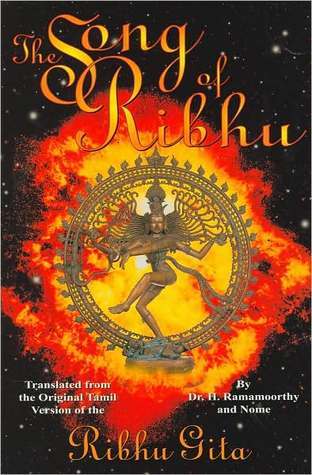
"The Song of Ribhu" is a profound exploration of Advaita Vedanta, a non-dualistic philosophy asserting the ultimate oneness of the individual self (Atman) with the absolute reality (Brahman). It presents the teachings through the dialogue between the sage Ribhu and his disciple Nidagha, primarily focusing on the dissolution of all perceived distinctions and the realization of one's inherently perfect, unchanging, and boundless nature. The text emphasizes direct experience over intellectual understanding, guiding the reader towards an unconditional liberation from suffering through the recognition of pure consciousness.
Its similarity to "Vasistha's Yoga" lies in their shared philosophical bedrock: the non-dualistic vision of ultimate reality. Both texts delve deeply into themes of self-inquiry, the illusory nature of the world, and the path to spiritual liberation. While "Vasistha's Yoga" uses a more narrative framework with numerous stories and parables to illustrate its points, "The Song of Ribhu" employs a more direct, often repetitive, and intensely philosophical articulation of the same core truths, aiming to dismantle conceptual thought and point directly to the truth of one's being.
This text holds appeal for those seeking a rigorous and uncompromising presentation of non-dualistic wisdom. Its directness and unwavering focus on the ultimate truth of identity with Brahman can provide a powerful catalyst for profound introspection and spiritual awakening. It offers a clear, albeit challenging, path to understanding the nature of reality and one's place within it, proving invaluable for serious students of Advaita Vedanta and anyone on a quest for ultimate self-knowledge and liberation.
The Song of Ribhu: Translated from the Original Tamil Version of the Ribhu Gita
"The Song of Ribhu" is a profound exploration of Advaita Vedanta, a non-dualistic philosophy asserting the ultimate oneness of the individual self (Atman) with the absolute reality (Brahman). It presents the teachings through the dialogue between the sage Ribhu and his disciple Nidagha, primarily focusing on the dissolution of all perceived distinctions and the realization of one's inherently perfect, unchanging, and boundless nature. The text emphasizes direct experience over intellectual understanding, guiding the reader towards an unconditional liberation from suffering through the recognition of pure consciousness.
Its similarity to "Vasistha's Yoga" lies in their shared philosophical bedrock: the non-dualistic vision of ultimate reality. Both texts delve deeply into themes of self-inquiry, the illusory nature of the world, and the path to spiritual liberation. While "Vasistha's Yoga" uses a more narrative framework with numerous stories and parables to illustrate its points, "The Song of Ribhu" employs a more direct, often repetitive, and intensely philosophical articulation of the same core truths, aiming to dismantle conceptual thought and point directly to the truth of one's being.
This text holds appeal for those seeking a rigorous and uncompromising presentation of non-dualistic wisdom. Its directness and unwavering focus on the ultimate truth of identity with Brahman can provide a powerful catalyst for profound introspection and spiritual awakening. It offers a clear, albeit challenging, path to understanding the nature of reality and one's place within it, proving invaluable for serious students of Advaita Vedanta and anyone on a quest for ultimate self-knowledge and liberation.
Mystic's Musings

"Mystic's Musings" offers a collection of Jaggi Vasudev's insights and reflections on a vast array of topics, from the nature of existence and consciousness to the practicalities of a meaningful life. It unpacks complex spiritual concepts with remarkable clarity, inviting readers to question deeply held assumptions and consider alternative perspectives on human experience and potential. The book doesn't prescribe a dogma but rather encourages an inward journey of exploration and self-discovery.
The similarity to "Vasistha's Yoga" lies in their shared exploration of fundamental philosophical and existential questions, often employing dialogic or reflective formats. Both texts delve into the nature of reality, the mind, and liberation from suffering, albeit through different narrative styles. While "Vasistha's Yoga" uses ancient mythological narratives, "Mystic's Musings" presents a contemporary spiritual teacher's direct observations, both aiming to guide the seeker towards a deeper understanding of self and universe.
This book will appeal to those seeking intellectual and spiritual enrichment. Individuals grappling with life's big questions, or those interested in Eastern philosophy and modern spiritual teachings, will find its perspectives thought-provoking and potentially transformative. It offers a fresh yet timeless perspective on navigating the complexities of inner and outer worlds, providing valuable guidance for self-reflection and personal growth.
Mystic's Musings
"Mystic's Musings" offers a collection of Jaggi Vasudev's insights and reflections on a vast array of topics, from the nature of existence and consciousness to the practicalities of a meaningful life. It unpacks complex spiritual concepts with remarkable clarity, inviting readers to question deeply held assumptions and consider alternative perspectives on human experience and potential. The book doesn't prescribe a dogma but rather encourages an inward journey of exploration and self-discovery.
The similarity to "Vasistha's Yoga" lies in their shared exploration of fundamental philosophical and existential questions, often employing dialogic or reflective formats. Both texts delve into the nature of reality, the mind, and liberation from suffering, albeit through different narrative styles. While "Vasistha's Yoga" uses ancient mythological narratives, "Mystic's Musings" presents a contemporary spiritual teacher's direct observations, both aiming to guide the seeker towards a deeper understanding of self and universe.
This book will appeal to those seeking intellectual and spiritual enrichment. Individuals grappling with life's big questions, or those interested in Eastern philosophy and modern spiritual teachings, will find its perspectives thought-provoking and potentially transformative. It offers a fresh yet timeless perspective on navigating the complexities of inner and outer worlds, providing valuable guidance for self-reflection and personal growth.
Discourses on the Great Mystic Ashtavakra: Enlightenment The Only Revolution
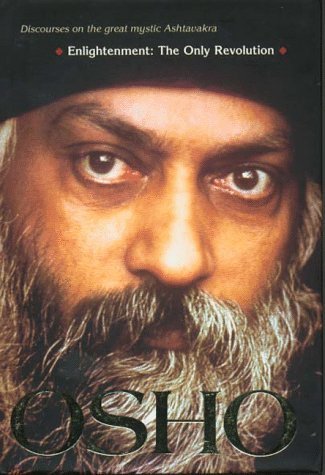
Osho's "Discourses on the Great Mystic Ashtavakra: Enlightenment The Only Revolution" delves into the profound, non-dualistic wisdom of the Ashtavakra Gita. This text, an ancient dialogue between the sage Ashtavakra and King Janaka, presents a radical path to liberation that bypasses ritual and dogma, directly addressing the nature of reality, self, and enlightenment. Osho's commentary illuminates these teachings with contemporary relevance, emphasizing that personal transformation and freedom from suffering arise from understanding and experiencing one's true, unconditioned nature.
Both "Discourses on the Great Mystic Ashtavakra" and "Vasistha's Yoga" explore advaita (non-dualism) as a practical path to spiritual awakening. They deconstruct the illusion of a separate self and emphasize the underlying unity of existence, guiding the seeker away from intellectual understanding towards direct experience. Both texts, through different narrative frameworks, assert that true liberation is an internal realization rather than an external achievement, focusing on the mind's role in creating and dissolving bondage.
This book will resonate with individuals seeking a deeply transformative understanding of consciousness and liberation. Its direct and uncompromising approach to self-realization offers a refreshing alternative to more traditional spiritual narratives. It provides a profound intellectual and experiential framework for dismantling limiting beliefs and perceiving the world through a lens of profound freedom and interconnectedness, offering invaluable insights for navigating life's challenges with inner peace.
Discourses on the Great Mystic Ashtavakra: Enlightenment The Only Revolution
Osho's "Discourses on the Great Mystic Ashtavakra: Enlightenment The Only Revolution" delves into the profound, non-dualistic wisdom of the Ashtavakra Gita. This text, an ancient dialogue between the sage Ashtavakra and King Janaka, presents a radical path to liberation that bypasses ritual and dogma, directly addressing the nature of reality, self, and enlightenment. Osho's commentary illuminates these teachings with contemporary relevance, emphasizing that personal transformation and freedom from suffering arise from understanding and experiencing one's true, unconditioned nature.
Both "Discourses on the Great Mystic Ashtavakra" and "Vasistha's Yoga" explore advaita (non-dualism) as a practical path to spiritual awakening. They deconstruct the illusion of a separate self and emphasize the underlying unity of existence, guiding the seeker away from intellectual understanding towards direct experience. Both texts, through different narrative frameworks, assert that true liberation is an internal realization rather than an external achievement, focusing on the mind's role in creating and dissolving bondage.
This book will resonate with individuals seeking a deeply transformative understanding of consciousness and liberation. Its direct and uncompromising approach to self-realization offers a refreshing alternative to more traditional spiritual narratives. It provides a profound intellectual and experiential framework for dismantling limiting beliefs and perceiving the world through a lens of profound freedom and interconnectedness, offering invaluable insights for navigating life's challenges with inner peace.
Autobiography of a Yogi

"Autobiography of a Yogi" chronicles Paramahansa Yogananda's spiritual journey, from his remarkable childhood in India to his eventual establishment of Self-Realization Fellowship in the West. It offers a captivating narrative of his encounters with numerous saints, yogis, and mystics, detailing their teachings and the profound spiritual experiences that shaped his path. The book demystifies complex yogic principles through personal anecdotes, offering a rare glimpse into the practical application and ultimate realization of ancient spiritual wisdom.
Much like "Vasistha's Yoga," this autobiography delves deeply into the nature of consciousness, self-realization, and the pursuit of ultimate truth. Both texts emphasize introspection, direct spiritual experience, and the transformative power of ancient wisdom traditions. While "Vasistha's Yoga" presents a philosophical dialogue, Yogananda's work provides a living testament to similar principles, demonstrating their efficacy through a personal narrative of spiritual awakening and miraculous occurrences, thereby offering a complementary perspective on similar profound objectives.
This book offers a compelling narrative of spiritual exploration and enlightenment. It provides a unique lens into the lives of accomplished spiritual masters and the practical journey toward higher consciousness. Its blend of personal story, spiritual insights, and accessible explanations of yogic philosophy makes it both inspiring and instructive, offering a pathway for those seeking deeper understanding and personal transformation.
Autobiography of a Yogi
"Autobiography of a Yogi" chronicles Paramahansa Yogananda's spiritual journey, from his remarkable childhood in India to his eventual establishment of Self-Realization Fellowship in the West. It offers a captivating narrative of his encounters with numerous saints, yogis, and mystics, detailing their teachings and the profound spiritual experiences that shaped his path. The book demystifies complex yogic principles through personal anecdotes, offering a rare glimpse into the practical application and ultimate realization of ancient spiritual wisdom.
Much like "Vasistha's Yoga," this autobiography delves deeply into the nature of consciousness, self-realization, and the pursuit of ultimate truth. Both texts emphasize introspection, direct spiritual experience, and the transformative power of ancient wisdom traditions. While "Vasistha's Yoga" presents a philosophical dialogue, Yogananda's work provides a living testament to similar principles, demonstrating their efficacy through a personal narrative of spiritual awakening and miraculous occurrences, thereby offering a complementary perspective on similar profound objectives.
This book offers a compelling narrative of spiritual exploration and enlightenment. It provides a unique lens into the lives of accomplished spiritual masters and the practical journey toward higher consciousness. Its blend of personal story, spiritual insights, and accessible explanations of yogic philosophy makes it both inspiring and instructive, offering a pathway for those seeking deeper understanding and personal transformation.
Light on Yoga
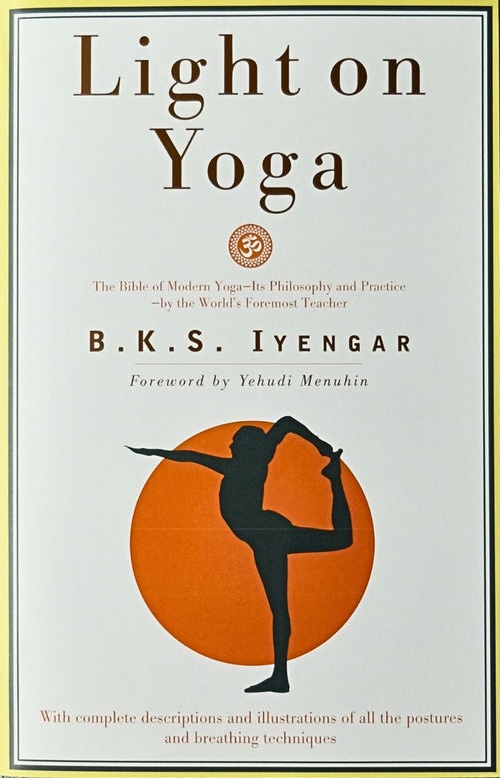
"Light on Yoga" is the definitive practical guide to Hatha Yoga, comprehensively detailing over 600 asanas (postures) and pranayama (breathing techniques). B.K.S. Iyengar meticulously breaks down each pose with precise alignment cues, benefits, and common errors, accompanied by a vast array of photographs. Beyond mere physical instruction, it delves into the philosophical underpinnings of yoga, explaining how dedicated practice fosters mental clarity, emotional equilibrium, and spiritual growth.
Both "Vasistha's Yoga" and "Light on Yoga" share a fundamental commitment to the practical application of yogic principles for personal transformation. While Vasistha's work explores the philosophical dialogue on enlightenment through meditation and self-inquiry, Iyengar provides a systematic "how-to" for cultivating the physical and mental discipline necessary for such profound inner work. They each offer a rigorous path, one intellectual and the other embodiment-focused, towards mastering the self.
This book will appeal to individuals seeking a robust, systematic approach to yoga practice, whether beginners or seasoned practitioners aiming to deepen their understanding. Its detailed instructions and vast scope make it an invaluable reference for cultivating physical health, mental focus, and spiritual insight. It empowers the dedicated student to embark on a journey of self-discovery through disciplined practice, mirroring the profound self-inquiry encouraged by ancient texts.
Light on Yoga
"Light on Yoga" is the definitive practical guide to Hatha Yoga, comprehensively detailing over 600 asanas (postures) and pranayama (breathing techniques). B.K.S. Iyengar meticulously breaks down each pose with precise alignment cues, benefits, and common errors, accompanied by a vast array of photographs. Beyond mere physical instruction, it delves into the philosophical underpinnings of yoga, explaining how dedicated practice fosters mental clarity, emotional equilibrium, and spiritual growth.
Both "Vasistha's Yoga" and "Light on Yoga" share a fundamental commitment to the practical application of yogic principles for personal transformation. While Vasistha's work explores the philosophical dialogue on enlightenment through meditation and self-inquiry, Iyengar provides a systematic "how-to" for cultivating the physical and mental discipline necessary for such profound inner work. They each offer a rigorous path, one intellectual and the other embodiment-focused, towards mastering the self.
This book will appeal to individuals seeking a robust, systematic approach to yoga practice, whether beginners or seasoned practitioners aiming to deepen their understanding. Its detailed instructions and vast scope make it an invaluable reference for cultivating physical health, mental focus, and spiritual insight. It empowers the dedicated student to embark on a journey of self-discovery through disciplined practice, mirroring the profound self-inquiry encouraged by ancient texts.
More Books to Explore
Discover more titles that expand on these ideas and themes.
Raja-Vidya: The King of Knowledge
The Living Gita: The Complete Bhagavad Gita: a Commentary for Modern Readers
Light on the Yoga Sutras of Patanjali
The Yoga Sutras of Pantanjali
Classics of Indian Spirituality: Includes: The Bhagavad Gita, The Dhammapada, and The Upanishads
The Song of Ribhu: Translated from the Original Tamil Version of the Ribhu Gita