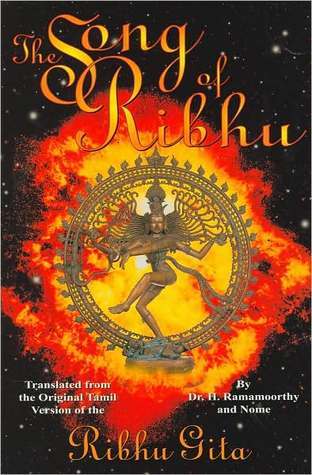
The Song of Ribhu: Translated from the Original Tamil Version of the Ribhu Gita
Book Description
A timeless battle between illusion and enlightenment unfolds in 'The Song of Ribhu.' This masterful translation of the ancient Tamil Ribhu Gita weaves profound philosophical insights with lyrical beauty. As seekers traverse the depths of identity and existence, they confront the shadows of ego and desire. Each verse pulses with life, urging a transformation that resonates through the ages, challenging the very fabric of reality. Experience the awakening of consciousness in a world marred by confusion and distractions. Can the soul emerge victorious against the clamor of the mundane, or will it remain ensnared in the web of untruth?
Quick Book Summary
"The Song of Ribhu" is a poetic and philosophical translation of the Ribhu Gita, a revered text within India’s spiritual heritage, rendered into English by H. Ramamoorthy. The work encapsulates nondualistic (Advaita) insights, challenging the illusions of ego, desire, and worldly attachments while offering a path to self-realization and awakening. Through rhythmic verses, the text invites readers to dissolve the distinctions between self and universe, emphasizing the unity of all existence in the experience of Brahman, or ultimate reality. The translation maintains the lyrical beauty of the Tamil original, while opening its profound teachings to a wider audience. It serves as both a guidebook and an enduring spiritual companion for seekers seeking liberation from suffering and the illusions of material life.




Summary of Key Ideas
Table of Contents
Transcending Illusion and Ego
The work opens with explorations of the fundamental illusion (maya) that underpins human experience. Readers encounter persuasive arguments against identifying with the body, mind, or senses, which are portrayed as fleeting masks concealing true nature. The narrative stresses that ego and desire are the twin pillars upholding the illusion of separateness, causing individuals to forget their essential unity with the divine substrate of all existence. Ribhu’s song urges a gradual peeling away of these layers, inviting reflection and self-inquiry at every turn.
Realization of Ultimate Reality
The text moves on to highlight methods for transcending the limitations of ego and mind. Ribhu encourages seekers to contemplate the nature of Self (atman) as boundless, ever-free, and one with Brahman (ultimate reality). Through repeated admonitions and poetic repetition, the translation emphasizes the necessity for dispassion (vairagya) and surrender of the fruits of action. This detachment allows practitioners to pass beyond pleasure and pain, approaching equanimity and clarity.
Detachment from Worldly Desires
Central to the narrative is the realization of nonduality— the understanding that apparent differences between individual and world, perceiver and perceived, are constructs of the mind. The Song of Ribhu employs vivid metaphors and clarifying analogies to point toward the indivisibility of reality. The text encourages constant practice of self-remembrance and mindful living, asserting that liberation arises from unwavering focus on one’s true nature beyond change and multiplicity.
Awakening to Nondual Consciousness
The translation also reveals practical aspects of spiritual discipline. It prescribes meditation, enquiry, and silent contemplation as means of silencing the restless mind. Readers are advised to cultivate discrimination (viveka) between the real and unreal, steadily rooting consciousness in the awareness of the unchanging Self. Rituals and external disciplines are downplayed in favor of inner vigilance and direct experience of truth.
The Journey to Inner Freedom
Concluding on a note of liberation, the work proclaims that awakening is possible for all who persevere in the face of distraction and delusion. It affirms that the soul, once freed from the chains of ignorance, experiences boundless peace and joy. The Song of Ribhu thus becomes a timeless song of victory over the mundane, reminding readers that enlightenment is not a distant goal, but the ever-present reality awaiting recognition through the silence of the awakened heart.
Download This Summary
Get a free PDF of this summary instantly — no email required.