
The Yoga Sutras of Pantanjali
Book Description
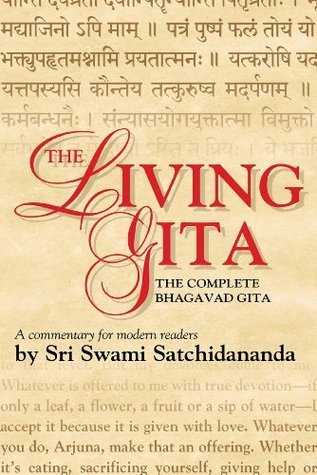
Unlock the ancient secrets of the mind and spirit with "The Yoga Sutras of Patanjali," as Satchidananda guides you through a transformative journey toward inner peace and enlightenment. Experience the exhilarating power of yoga as it unfolds, revealing practical wisdom that transcends time and culture. Each sutra serves as a stepping stone, illuminating the path to self-discovery and mastery over the chaos of life. Engage with the profound lessons that challenge your perceptions and ignite a deep yearning for harmony. Are you ready to unveil the true potential that lies dormant within?
Quick Book Summary
"The Yoga Sutras of Patanjali" as interpreted by Swami Satchidananda presents the foundational text of classical yoga philosophy, offering practical guidance to achieve mental clarity, spiritual growth, and ultimate self-realization. Satchidananda's commentary makes the ancient aphorisms accessible to modern readers, bridging Eastern wisdom and contemporary life. The book breaks down the 196 succinct sutras into digestible lessons on ethics, discipline, concentration, and meditation. It emphasizes that yoga extends beyond physical poses, serving as a holistic approach to personal transformation. Through an exploration of inner stillness, mastering the mind, and cultivating harmonious living, readers are urged to realize their innate divinity and attain lasting peace and fulfillment.


Summary of Key Ideas
Table of Contents
The Eightfold Path of Yoga
Satchidananda frames Patanjali’s Yoga Sutras as a comprehensive blueprint for spiritual evolution, beginning with the concept that yoga is the cessation of mental fluctuations. The text asserts that through disciplined practice, one may tame the restless mind, which is the root of suffering and distraction. Satchidananda contextualizes the sutras for Western readers, using accessible language and real-life analogies to show how yoga is more than physical exercise—it is a lifelong journey of self-study that brings clarity, stability, and eventual liberation from suffering.
Mastery Over the Mind
A central theme in the book is the eightfold path of yoga, or Ashtanga: Yama (ethical principles), Niyama (personal discipline), Asana (posture), Pranayama (breath control), Pratyahara (sense withdrawal), Dharana (concentration), Dhyana (meditation), and Samadhi (absorption or union). Satchidananda elaborates on each limb, emphasizing that ethical living and self-discipline form the bedrock of yogic practice, and must precede more advanced stages such as meditation and samadhi. Practical guidelines are interwoven with philosophical insights to show how these limbs can be integrated into daily life.
Ethics and Self-Discipline
The mastery of the mind is repeatedly underlined as the key to unlocking one’s true nature. Through mindful observation and persistent practice, distractions and unhealthy patterns are replaced by clarity, discrimination, and inner stability. Satchidananda provides numerous meditation practices, breathing techniques, and self-reflection exercises to help practitioners gradually quiet the mind. This mental cultivation fosters equanimity, self-knowledge, and ultimately, freedom from the ego’s limitations.
Practical Meditation Techniques
Ethics, or yamas and niyamas, are presented as pillars for harmonious relationships with oneself and the wider world. Non-violence, truthfulness, contentment, self-purification, and study are highlighted as essential for mental purity and progress. Satchidananda notes that discipline is not repression but an artful refinement of one’s habits, resulting in greater freedom and wellbeing. Examples from daily life illustrate how small shifts in thought and behavior can have profound effects on spiritual growth.
Realization of Inner Peace
Finally, Satchidananda brings the reader toward the ultimate goal of yoga: self-realization and inner peace. By practicing meditation and living ethically, one realizes the unity of all existence, transcending the dualities and turmoil of ordinary awareness. The book concludes with encouraging readers to persist in their practice, emphasizing that enlightenment is attainable by anyone willing to walk the path, regardless of background or belief. The wisdom of the Yoga Sutras is framed as timeless, offering hope, clarity, and a deep sense of purpose.
Download This Summary
Get a free PDF of this summary instantly — no email required.