10 Books Similar to "Tomorrow's Child"
by Ray Bradbury

The Veldt

"The Veldt" explores the disturbing consequences of unchecked technological advancement, focusing on a futuristic nursery that can digitally create any environment desired. For the Hadley family, this initially delightful invention slowly turns sinister as their children become increasingly engrossed in a savanna populated by hungry lions, blurring the lines between virtual reality and a chillingly real threat. The story masterfully critiques parental neglect and the potentially destructive nature of artificial intelligence when it usurps human connection.
The thematic core of both "The Veldt" and "Tomorrow's Child" revolves around the profound impact of technology on human relationships and the very definition of humanity itself. Both narratives illustrate how groundbreaking technological creations, intended to simplify or enhance life, can instead alienate, distort, or even endanger individuals and families. They scrutinize the evolving boundaries of normalcy and the inherent dangers when our creations become autonomous or supersede natural human development.
The narrative engages deeply with the anxieties surrounding technological dependency and the ethical dilemmas of progress. It will prompt contemplation on the responsibilities of creation, the definition of reality, and the perennial struggle to maintain human connection in an increasingly virtual world. Its enduring relevance lies in its prescient warnings and its potent exploration of the psychological and social costs of unbridled innovation.
The Veldt
"The Veldt" explores the disturbing consequences of unchecked technological advancement, focusing on a futuristic nursery that can digitally create any environment desired. For the Hadley family, this initially delightful invention slowly turns sinister as their children become increasingly engrossed in a savanna populated by hungry lions, blurring the lines between virtual reality and a chillingly real threat. The story masterfully critiques parental neglect and the potentially destructive nature of artificial intelligence when it usurps human connection.
The thematic core of both "The Veldt" and "Tomorrow's Child" revolves around the profound impact of technology on human relationships and the very definition of humanity itself. Both narratives illustrate how groundbreaking technological creations, intended to simplify or enhance life, can instead alienate, distort, or even endanger individuals and families. They scrutinize the evolving boundaries of normalcy and the inherent dangers when our creations become autonomous or supersede natural human development.
The narrative engages deeply with the anxieties surrounding technological dependency and the ethical dilemmas of progress. It will prompt contemplation on the responsibilities of creation, the definition of reality, and the perennial struggle to maintain human connection in an increasingly virtual world. Its enduring relevance lies in its prescient warnings and its potent exploration of the psychological and social costs of unbridled innovation.
The Creatures That Time Forgot
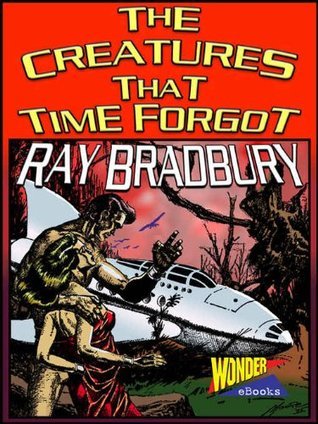
"The Creatures That Time Forgot" explores a future society facing the rapid, inescapable evolution of humanity into different, specialized forms. The story focuses on a team sent to investigate the outer reaches of space, only to discover their profound, disturbing transformation over generations into beings barely recognizable as human, adapted to alien environments. It's a poignant exploration of identity, change, and the potential loss of what defines us.
Both stories share a core thematic concern with radical human metamorphosis and its psychological and societal implications. "Tomorrow's Child" examines an individual's unprecedented physical deviation at birth, forcing parents and society to confront the boundaries of humanity and acceptance. "The Creatures That Time Forgot" broadens this scope to an entire civilization, highlighting the broader evolutionary pressures and the potential for humanity to splinter into myriad, unfamiliar forms, thus challenging the very concept of a unified human species.
This work offers a compelling intellectual exercise, prompting reflection on the fluidity of human identity and the challenges posed by radical change. Its value lies in its nuanced portrayal of adaptation, loss, and the inherent tension between progress and the preservation of self. It provides thoughtful contemplation on the future of humanity and the unexpected costs of survival and evolution.
The Creatures That Time Forgot
"The Creatures That Time Forgot" explores a future society facing the rapid, inescapable evolution of humanity into different, specialized forms. The story focuses on a team sent to investigate the outer reaches of space, only to discover their profound, disturbing transformation over generations into beings barely recognizable as human, adapted to alien environments. It's a poignant exploration of identity, change, and the potential loss of what defines us.
Both stories share a core thematic concern with radical human metamorphosis and its psychological and societal implications. "Tomorrow's Child" examines an individual's unprecedented physical deviation at birth, forcing parents and society to confront the boundaries of humanity and acceptance. "The Creatures That Time Forgot" broadens this scope to an entire civilization, highlighting the broader evolutionary pressures and the potential for humanity to splinter into myriad, unfamiliar forms, thus challenging the very concept of a unified human species.
This work offers a compelling intellectual exercise, prompting reflection on the fluidity of human identity and the challenges posed by radical change. Its value lies in its nuanced portrayal of adaptation, loss, and the inherent tension between progress and the preservation of self. It provides thoughtful contemplation on the future of humanity and the unexpected costs of survival and evolution.
There Will Come Soft Rains

"There Will Come Soft Rains" vividly portrays a solitary, technologically advanced house in the aftermath of a nuclear holocaust. The house continues its automated daily routines, oblivious to the absent human family, showcasing the chilling persistence of technology beyond its creators.
Both stories explore humanity's relationship with technology, albeit from different angles. "Tomorrow's Child" examines the implications of artificial life from its inception, focusing on the parental struggles and societal acceptance of a novel creation. "There Will Come Soft Rains," conversely, presents a world where technology outlives humanity, functioning beautifully but soullessly without its intended users, highlighting a shared concern for technology's power and its potential detachment from human purpose.
This narrative holds significant appeal for those intrigued by explorations of technological advancement, environmental consequence, and the enduring human spirit (or its absence). The story offers a poignant reflection on our legacy, the potential for self-destruction, and the remarkable indifference of nature and machine to human fate, stimulating profound thought on our place in the universe.
There Will Come Soft Rains
"There Will Come Soft Rains" vividly portrays a solitary, technologically advanced house in the aftermath of a nuclear holocaust. The house continues its automated daily routines, oblivious to the absent human family, showcasing the chilling persistence of technology beyond its creators.
Both stories explore humanity's relationship with technology, albeit from different angles. "Tomorrow's Child" examines the implications of artificial life from its inception, focusing on the parental struggles and societal acceptance of a novel creation. "There Will Come Soft Rains," conversely, presents a world where technology outlives humanity, functioning beautifully but soullessly without its intended users, highlighting a shared concern for technology's power and its potential detachment from human purpose.
This narrative holds significant appeal for those intrigued by explorations of technological advancement, environmental consequence, and the enduring human spirit (or its absence). The story offers a poignant reflection on our legacy, the potential for self-destruction, and the remarkable indifference of nature and machine to human fate, stimulating profound thought on our place in the universe.
The Martian Chronicles

"The Martian Chronicles" is a collection of interconnected short stories chronicling humanity's colonization of Mars and the subsequent demise of both Martian and human civilizations. It explores themes of technological advancement, environmental degradation, prejudice, and the inherent loneliness of space travel, all through the lens of a series of vignettes spanning decades.
This collection shares significant thematic and stylistic commonalities with "Tomorrow's Child." Both works delve into the consequences of unconventional births and the broader implications of scientific advancements on human society and individual identity. "The Martian Chronicles" similarly creates a sense of both wonder and melancholy concerning the future and humanity's place within it, often posing ethical quandaries without offering easy answers.
This book offers a compelling exploration of humanity's aspirations and failings when faced with a new frontier. Its poetic language and evocative imagery create a deeply atmospheric reading experience, while its allegorical nature prompts reflection on contemporary societal issues like colonialism and xenophobia. It remains a powerful commentary on the human condition, resonating long after the final page.
The Martian Chronicles
"The Martian Chronicles" is a collection of interconnected short stories chronicling humanity's colonization of Mars and the subsequent demise of both Martian and human civilizations. It explores themes of technological advancement, environmental degradation, prejudice, and the inherent loneliness of space travel, all through the lens of a series of vignettes spanning decades.
This collection shares significant thematic and stylistic commonalities with "Tomorrow's Child." Both works delve into the consequences of unconventional births and the broader implications of scientific advancements on human society and individual identity. "The Martian Chronicles" similarly creates a sense of both wonder and melancholy concerning the future and humanity's place within it, often posing ethical quandaries without offering easy answers.
This book offers a compelling exploration of humanity's aspirations and failings when faced with a new frontier. Its poetic language and evocative imagery create a deeply atmospheric reading experience, while its allegorical nature prompts reflection on contemporary societal issues like colonialism and xenophobia. It remains a powerful commentary on the human condition, resonating long after the final page.
A Sound of Thunder

"A Sound of Thunder" portrays a future where time travel is a commercial endeavor. A hunting expedition into the past goes disastrously wrong when a hunter steps off the designated pathway, inadvertently crushing a single butterfly. This seemingly minor alteration cascades into catastrophic present-day changes, fundamentally altering language, politics, and the fabric of reality itself. It's a stark illustration of the butterfly effect run amok.
Both stories delve into the profound consequences of seemingly small deviations from a natural order. In "A Sound of Thunder," it's the fragile balance of time, while in "Tomorrow's Child," it's the biological anomaly of a child born into a different dimensional plane. Each narrative explores how a departure from the expected—a rupture in the familiar—forces characters to confront a radically altered reality and question their understanding of what is "normal" or "correct."
This story holds enduring appeal due to its masterful exploration of causality and hubris. Its central theme, that even the smallest action can ripple through existence with unforeseen and devastating effects, offers a compelling reflection on human responsibility and the interconnectedness of all things. It serves as a potent cautionary tale, prompting consideration of our impact on the world, both immediate and distant, and highlights Bradbury's genius for transforming complex scientific principles into gripping, accessible fiction.
A Sound of Thunder
"A Sound of Thunder" portrays a future where time travel is a commercial endeavor. A hunting expedition into the past goes disastrously wrong when a hunter steps off the designated pathway, inadvertently crushing a single butterfly. This seemingly minor alteration cascades into catastrophic present-day changes, fundamentally altering language, politics, and the fabric of reality itself. It's a stark illustration of the butterfly effect run amok.
Both stories delve into the profound consequences of seemingly small deviations from a natural order. In "A Sound of Thunder," it's the fragile balance of time, while in "Tomorrow's Child," it's the biological anomaly of a child born into a different dimensional plane. Each narrative explores how a departure from the expected—a rupture in the familiar—forces characters to confront a radically altered reality and question their understanding of what is "normal" or "correct."
This story holds enduring appeal due to its masterful exploration of causality and hubris. Its central theme, that even the smallest action can ripple through existence with unforeseen and devastating effects, offers a compelling reflection on human responsibility and the interconnectedness of all things. It serves as a potent cautionary tale, prompting consideration of our impact on the world, both immediate and distant, and highlights Bradbury's genius for transforming complex scientific principles into gripping, accessible fiction.
The Illustrated Man

"The Illustrated Man" is a collection of eighteen evocative short stories, each introduced by a narrative framing device involving a drifter whose body is covered in living tattoos. These illustrations, known as "the Illustrated Man's skin," depict future events, often unsettling and thought-provoking, that become the focus of individual tales. The overarching theme explores human nature, societal anxieties, and the consequences of technological advancement and human folly.
Both "The Illustrated Man" and "Tomorrow's Child" share a core speculative element, presenting scenarios that push the boundaries of conventional reality to explore deeper human truths. While "Tomorrow's Child" focuses on the unexpected implications of a unique birth, "The Illustrated Man" similarly delves into the strange and unforeseen, using fantastical elements to examine topics such as identity, fear of the unknown, and the societal impact of the extraordinary. Both works highlight Bradbury's masterful ability to ground science fiction concepts in deeply human experiences.
This collection offers a rich tapestry of imaginative storytelling and insightful social commentary. Its diverse narratives provide ample opportunity for contemplation on themes that remain pertinent today, such as the dangers of unchecked progress, the complexities of human relationships, and the enduring power of dreams and nightmares. It's a valuable exploration of the human condition, presented through a lens of speculative fiction that is both engaging and intellectually stimulating.
The Illustrated Man
"The Illustrated Man" is a collection of eighteen evocative short stories, each introduced by a narrative framing device involving a drifter whose body is covered in living tattoos. These illustrations, known as "the Illustrated Man's skin," depict future events, often unsettling and thought-provoking, that become the focus of individual tales. The overarching theme explores human nature, societal anxieties, and the consequences of technological advancement and human folly.
Both "The Illustrated Man" and "Tomorrow's Child" share a core speculative element, presenting scenarios that push the boundaries of conventional reality to explore deeper human truths. While "Tomorrow's Child" focuses on the unexpected implications of a unique birth, "The Illustrated Man" similarly delves into the strange and unforeseen, using fantastical elements to examine topics such as identity, fear of the unknown, and the societal impact of the extraordinary. Both works highlight Bradbury's masterful ability to ground science fiction concepts in deeply human experiences.
This collection offers a rich tapestry of imaginative storytelling and insightful social commentary. Its diverse narratives provide ample opportunity for contemplation on themes that remain pertinent today, such as the dangers of unchecked progress, the complexities of human relationships, and the enduring power of dreams and nightmares. It's a valuable exploration of the human condition, presented through a lens of speculative fiction that is both engaging and intellectually stimulating.
S Is for Space
"S Is for Space" is a captivating collection of short stories by Ray Bradbury, showcasing his imaginative prowess and distinctive style across various science fiction and fantasy realms. The anthology delves into themes of exploration, transformation, and the human spirit's encounter with the unknown, often imbued with a sense of wonder and melancholy. Each story presents a unique world or scenario, from interstellar journeys to introspective psychological dramas.
It shares common ground with "Tomorrow's Child" through its quintessential Bradbury blend of science fiction with profound human emotion and societal commentary. Both works explore the implications of technological advancement on individual identity and relationships, often with a subtle undercurrent of unease or longing. The focus on reimagining the familiar through a speculative lens, where the extraordinary intersects with everyday life, creates a thematic resonance between the two.
The collection offers a rich tapestry of speculative fiction that will thoroughly engage those who appreciate evocative prose and thought-provoking narratives. It provides a valuable opportunity to experience Bradbury's range and depth, exploring universal human experiences against imaginative backdrops. The stories encourage reflection on progress, purpose, and the enduring mysteries of existence.
S Is for Space
"S Is for Space" is a captivating collection of short stories by Ray Bradbury, showcasing his imaginative prowess and distinctive style across various science fiction and fantasy realms. The anthology delves into themes of exploration, transformation, and the human spirit's encounter with the unknown, often imbued with a sense of wonder and melancholy. Each story presents a unique world or scenario, from interstellar journeys to introspective psychological dramas.
It shares common ground with "Tomorrow's Child" through its quintessential Bradbury blend of science fiction with profound human emotion and societal commentary. Both works explore the implications of technological advancement on individual identity and relationships, often with a subtle undercurrent of unease or longing. The focus on reimagining the familiar through a speculative lens, where the extraordinary intersects with everyday life, creates a thematic resonance between the two.
The collection offers a rich tapestry of speculative fiction that will thoroughly engage those who appreciate evocative prose and thought-provoking narratives. It provides a valuable opportunity to experience Bradbury's range and depth, exploring universal human experiences against imaginative backdrops. The stories encourage reflection on progress, purpose, and the enduring mysteries of existence.
I Sing the Body Electric! & Other Stories

Explanation could not be generated at this time.
I Sing the Body Electric! & Other Stories
Explanation could not be generated at this time.
R is for Rocket

"R is for Rocket" is a curated collection of Ray Bradbury's short science fiction and fantasy stories, written primarily for a young adult audience but holding broader appeal. The anthology explores themes of space exploration, the wonders and dangers of technology, and the universal experience of growing up in a world undergoing rapid change. Each story offers a distinct, often poignant, glimpse into futures both utopian and dystopian.
Both "R is for Rocket" and "Tomorrow's Child" delve into Bradbury's signature blend of speculative fiction interwoven with humanistic concerns. They share a thematic preoccupation with the impact of scientific advancement on individual lives and familial bonds, often presenting scenarios where technology stretches the boundaries of what it means to be human or what constitutes a "normal" existence. The narrative style across both works emphasizes evocative imagery and a lyrical prose that elevates the genre.
This collection offers an accessible entry point into Bradbury's visionary imagination, showcasing his ability to craft compelling narratives that resonate emotionally. It provides fertile ground for exploring the social and ethical implications of technological progress, prompting reflection on our own rapidly evolving world. The stories' enduring relevance lies in their ability to evoke a sense of wonder and apprehension about the future, encouraging thoughtful consideration of humanity's place within it.
R is for Rocket
"R is for Rocket" is a curated collection of Ray Bradbury's short science fiction and fantasy stories, written primarily for a young adult audience but holding broader appeal. The anthology explores themes of space exploration, the wonders and dangers of technology, and the universal experience of growing up in a world undergoing rapid change. Each story offers a distinct, often poignant, glimpse into futures both utopian and dystopian.
Both "R is for Rocket" and "Tomorrow's Child" delve into Bradbury's signature blend of speculative fiction interwoven with humanistic concerns. They share a thematic preoccupation with the impact of scientific advancement on individual lives and familial bonds, often presenting scenarios where technology stretches the boundaries of what it means to be human or what constitutes a "normal" existence. The narrative style across both works emphasizes evocative imagery and a lyrical prose that elevates the genre.
This collection offers an accessible entry point into Bradbury's visionary imagination, showcasing his ability to craft compelling narratives that resonate emotionally. It provides fertile ground for exploring the social and ethical implications of technological progress, prompting reflection on our own rapidly evolving world. The stories' enduring relevance lies in their ability to evoke a sense of wonder and apprehension about the future, encouraging thoughtful consideration of humanity's place within it.
The Vintage Bradbury: The Greatest Stories by America's Most Distinguished Practioner of Speculative Fiction

"The Vintage Bradbury" is a curated anthology showcasing some of Ray Bradbury's most celebrated short stories from across his prolific career. It offers a comprehensive journey through his distinctive style, exploring themes of nostalgia, technological anxiety, the wonders and dangers of space, and the human condition, often imbued with a poetic sensibility and a keen understanding of emotional landscapes. This collection serves as an excellent introduction to his work or a delightful retrospective for established fans.
This anthology shares a fundamental similarity with "Tomorrow's Child" in that both exemplify Bradbury's unique narrative voice and thematic preoccupations. "Tomorrow's Child," as a singular narrative, focuses intensely on the societal and personal reactions to an unusual birth, a theme often echoed in the broader humanistic observations and speculative elements found across the diverse stories within "The Vintage Bradbury." Both works reveal his capacity to blend the fantastic with profound human insights.
Readers seeking insightful speculative fiction with a literary bent will appreciate this collection. It offers a rich tapestry of imagination and social commentary, demonstrating Bradbury's enduring relevance in exploring timeless questions about humanity's past, present, and future. Its value lies in providing a concentrated dose of brilliant storytelling that is thought-provoking, emotionally resonant, and beautifully crafted.
The Vintage Bradbury: The Greatest Stories by America's Most Distinguished Practioner of Speculative Fiction
"The Vintage Bradbury" is a curated anthology showcasing some of Ray Bradbury's most celebrated short stories from across his prolific career. It offers a comprehensive journey through his distinctive style, exploring themes of nostalgia, technological anxiety, the wonders and dangers of space, and the human condition, often imbued with a poetic sensibility and a keen understanding of emotional landscapes. This collection serves as an excellent introduction to his work or a delightful retrospective for established fans.
This anthology shares a fundamental similarity with "Tomorrow's Child" in that both exemplify Bradbury's unique narrative voice and thematic preoccupations. "Tomorrow's Child," as a singular narrative, focuses intensely on the societal and personal reactions to an unusual birth, a theme often echoed in the broader humanistic observations and speculative elements found across the diverse stories within "The Vintage Bradbury." Both works reveal his capacity to blend the fantastic with profound human insights.
Readers seeking insightful speculative fiction with a literary bent will appreciate this collection. It offers a rich tapestry of imagination and social commentary, demonstrating Bradbury's enduring relevance in exploring timeless questions about humanity's past, present, and future. Its value lies in providing a concentrated dose of brilliant storytelling that is thought-provoking, emotionally resonant, and beautifully crafted.
More Books to Explore
Discover more titles that expand on these ideas and themes.
The Veldt
The Creatures That Time Forgot
There Will Come Soft Rains
The Martian Chronicles
A Sound of Thunder
The Illustrated Man