
A Sound of Thunder
Book Description
Time travel offers a thrilling escape, but what if a single moment could change everything? In 'A Sound of Thunder,' a future where prehistoric creatures roam through high-tech safaris unfolds with breathtaking intensity. As a group ventures into the past to hunt a fearsome dinosaur, a trivial decision spirals into catastrophic consequences, threatening the very fabric of time. Tensions rise among the hunters, as loyalties are tested and morality blurs. With each choice ringing through history like a thunderclap, will the echoes of the past prove too powerful to control? What echoes resonate when the smallest act can alter the world forever?
Quick Book Summary
"A Sound of Thunder" by Ray Bradbury is a gripping science fiction short story exploring the intricate relationship between humanity and the natural world through the lens of time travel. Set in a future where a company offers safaris to the prehistoric past, the narrative follows Eckels, an eager hunter hoping to bag a Tyrannosaurus rex. The guides stress the vital importance of following strict rules to avoid altering the timeline. However, in a moment of panic, Eckels veers off the designated path and crushes a butterfly—an act that triggers a radical change in the present when they return. Bradbury masterfully illustrates how even seemingly insignificant actions can have profound, unintended consequences, making this story a landmark reflection on responsibility, technology, and chaos theory.


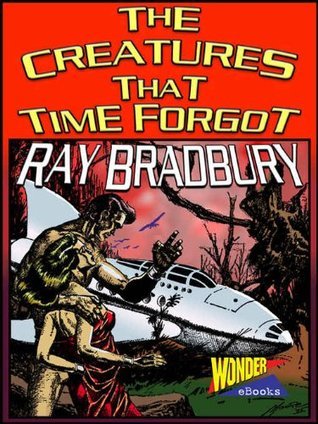


Summary of Key Ideas
Table of Contents
The Butterfly Effect and Consequences of Small Actions
In a future society, remarkable advancements have enabled people to travel through time. Time Safari, Inc. offers wealthy clients the chance to hunt dinosaurs in the distant past. Preserving the integrity of history is paramount, so strict guidelines are put in place to prevent interference—hunters must stay on an anti-gravity path and shoot only preselected animals moments before their natural deaths. The story centers on Eckels, a customer whose anticipation turns to trepidation as he prepares for his prehistoric adventure.
Morality and Responsibility in Technological Advancement
Upon arrival in the past, Eckels' experience is overwhelming. The majesty and terror of the Tyrannosaurus rex shake his confidence. When faced with the reality of the hunt, Eckels hesitates, panics, and inadvertently steps off the path, despite repeated warnings about the irreversible consequences even the smallest change could bring. The team eventually manages to kill the intended dinosaur, but frustration and anger brew as the guides realize something has gone wrong.
The Tension Between Human Ambition and Nature
Upon their return to the present, subtle but significant differences emerge. Language, political outcomes, and even the environment appear altered. Investigation reveals that Eckels crushed a butterfly during his misstep, a seemingly trivial act that set off a chain reaction altering the course of history. The world they return to is no longer their own, a classic illustration of the "butterfly effect." This moment cements the core message: small actions can ripple through time with drastic results.
The Unpredictability of Time Travel
The story also examines the weight of human ambition and the lure of unchecked technology. While the allure of adventure tempts people to manipulate the past for entertainment or profit, Bradbury highlights the hubris and moral blindness inherent in such behavior. Strict rules are no guarantee against fallibility. Through Eckels’ mistake, Bradbury questions the wisdom of using advanced technology without fully grasping its risks, emphasizing the need for responsibility in the pursuit of progress.
Fear and Human Error
The narrative concludes with a somber reckoning. The irreversible changes caused by Eckels’ error lead to alienation and despair. The tension, regret, and ominous final sound heard by Eckels—echoing the title—underline the gravity of his mistake. Bradbury’s short story endures as a cautionary tale, warning readers about the fragile interconnectedness of actions and the unpredictable consequences of tampering with forces beyond our comprehension.
Download This Summary
Get a free PDF of this summary instantly — no email required.