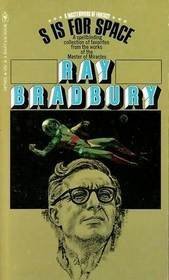
S Is for Space
Book Description
Voyage into the cosmos where dreams shimmer and nightmares lurk. In "S Is for Space," Ray Bradbury unveils a spellbinding tapestry of short stories that explore the wonders and horrors of the universe. From eerie encounters on distant planets to haunting reflections in the stars, each tale ignites the imagination, delving into the fragile dance between humanity and the vast unknown. Relationships are tested, fears are confronted, and the infinite beauty of space is shadowed by the darkness within. What secrets lie beyond the stars, waiting to reveal their truths?
Quick Book Summary
Ray Bradbury’s "S Is for Space" is a compelling collection of twenty science fiction and fantasy short stories originally aimed at the young adult audience but captivating for all ages. This anthology captures Bradbury’s unique style and imagination—each story brims with wonder, fear, and curiosity about humanity’s relationship with the unknown. The collection explores encounters with alien creatures, dystopian futures, mysterious otherworldly happenings, and the profound emotions of hope, nostalgia, and loss. Whether touching on Mars settlements, haunted machines, or peculiar children, each tale reveals a different facet of human nature in confrontation with the cosmos. Bradbury artfully blends the mundane with the extraordinary, urging readers to consider new realities and question where humanity’s dreams—and nightmares—may lead.



Summary of Key Ideas
Table of Contents
The Vulnerability and Resilience of Humanity in the Unknown
Bradbury’s anthology weaves together a diverse array of stories that test and celebrate human vulnerability amid the vast and mysterious universe. Encounters with extraterrestrial life highlight the fragility of human assumptions and the unpredictability of the unknown. Through perilous or transformative contact with alien environments, Bradbury underscores both the awe and terror of venturing beyond Earth, demonstrating how resilience, adaptation, and the capacity to dream are essential human qualities. These stories remind readers that facing the unfamiliar, whether exhilarating or terrifying, ultimately shapes human character and society.
Dreams, Nightmares, and the Power of Imagination
Imagination, both as savior and saboteur, is central to the collection. Bradbury’s tales often pivot on a moment where dreams or fears become real, challenging the boundaries between reality and fantasy. Characters are frequently caught between haunting memories or eerie visions brought about by the power of their own minds. This theme explores how both hope and dread coexist in the cosmos, and how the human psyche is capable of profound creation and destruction. Every narrative is layered with Bradbury's characteristic blend of poetic prose and psychological insight.
Confronting Change and the Future
Change, especially as embodied by futuristic settings or technological advancement, pushes Bradbury’s characters to their limits. Whether through time travel, colonization of other planets, or unsettling shifts in societal norms, the stories probe how adaptation can bring both utopian promise and dystopian peril. The transformative potential of the future, and humanity’s readiness—or unpreparedness—for it, is an undercurrent throughout the anthology. In these pages, technological marvels often come with unforeseen consequences, mirroring contemporary anxieties about progress and control.
The Meaning of Home, Memory, and Belonging
Themes of home, memory, and belonging anchor many stories within the cosmic backdrop. Bradbury masterfully contrasts the comfort and nostalgia of Earthly life with the alienation felt in the expanses of space or the relentless march of time. Characters are propelled by longing for lost places, loved ones, or simpler days, even as they journey through unfamiliar territories. The search for meaning and connection, whether on a distant planet or within the recesses of one’s mind, is ever-present, inviting readers to reflect on what truly constitutes “home.”
The Duality of Technology and Progress
Bradbury’s outlook on technology is nuanced—he reveals both its promise and its peril. Machinery and scientific progress in the anthology are shown to enrich lives or, conversely, exacerbate isolation and existential dread. The stories question not whether humans can achieve greatness through technology, but at what cost to individuality, emotion, and the soul. Ultimately, "S Is for Space" is a meditation on the consequences of human ambition and the enduring spirit that seeks to understand the universe despite its infinite mysteries.
Download This Summary
Get a free PDF of this summary instantly — no email required.