10 Books Similar to "To Kill a Mockingbird"
by Harper Lee
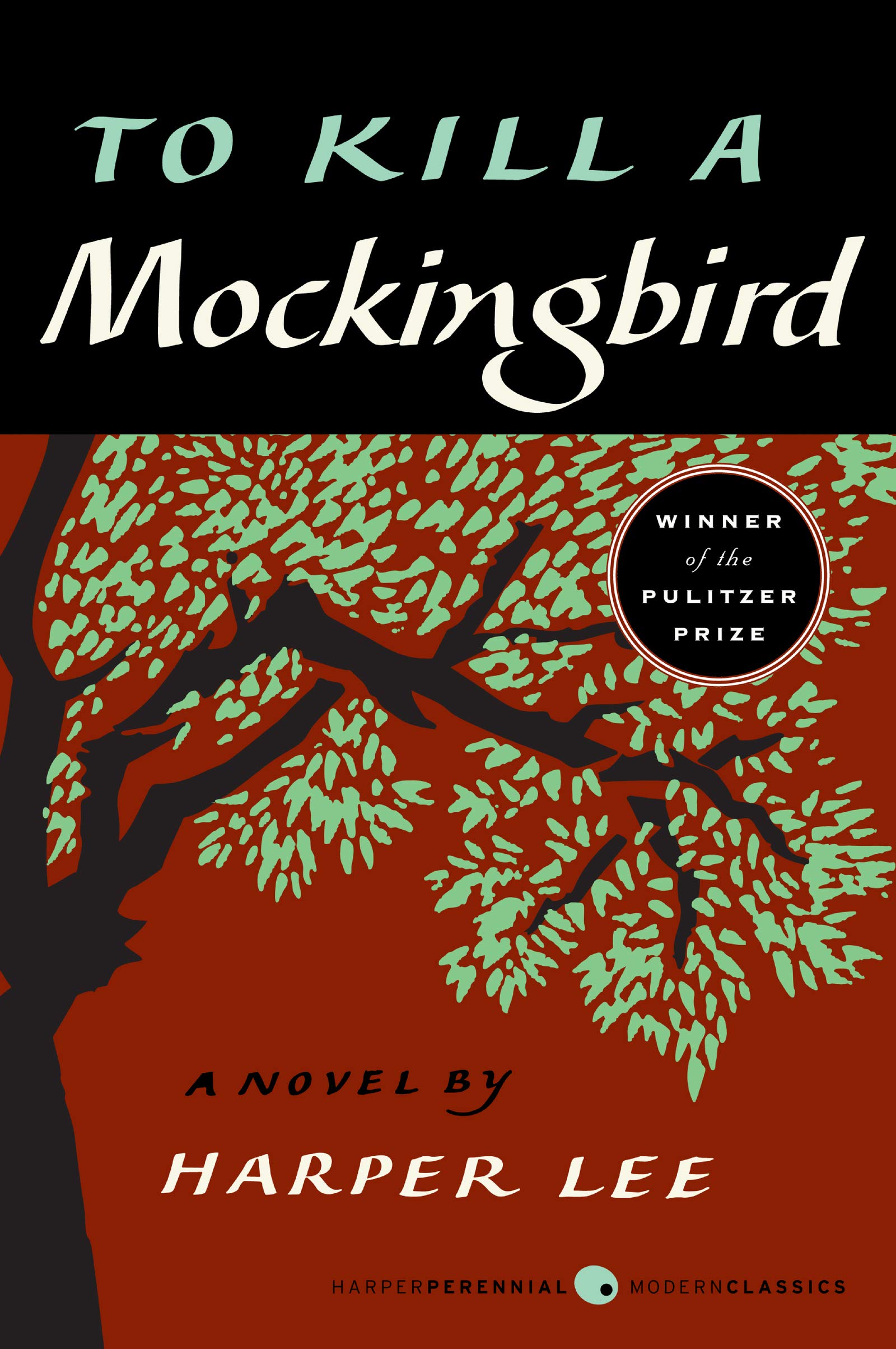
Harper Lee's To Kill a Mockingbird: Bloom's Guides

"Harper Lee's To Kill a Mockingbird: Bloom's Guides" offers a comprehensive critical examination of Lee's classic novel. It presents a curated collection of essays, analyses, and literary criticism from various scholars and literary figures, focusing on themes, characters, historical context, and narrative techniques within *To Kill a Mockingbird*. It's essentially a toolkit for deeper textual understanding.
This guide is similar to *To Kill a Mockingbird* because it directly and exclusively centers on the original novel. It doesn't offer a new story or a different interpretation of events, but rather dissects and illuminates the literary richness already present in Lee's work. The guide serves as an academic companion to the novel.
Individuals engaging with the guide will gain a more nuanced and profound appreciation for *To Kill a Mockingbird*. It provides diverse perspectives, helping to unlock layers of meaning, interpret complex symbolism, and understand the historical and social significance of the narrative. Its value lies in enriching the reading experience and fostering deeper analytical engagement with a literary masterpiece.
Harper Lee's To Kill a Mockingbird: Bloom's Guides
"Harper Lee's To Kill a Mockingbird: Bloom's Guides" offers a comprehensive critical examination of Lee's classic novel. It presents a curated collection of essays, analyses, and literary criticism from various scholars and literary figures, focusing on themes, characters, historical context, and narrative techniques within *To Kill a Mockingbird*. It's essentially a toolkit for deeper textual understanding.
This guide is similar to *To Kill a Mockingbird* because it directly and exclusively centers on the original novel. It doesn't offer a new story or a different interpretation of events, but rather dissects and illuminates the literary richness already present in Lee's work. The guide serves as an academic companion to the novel.
Individuals engaging with the guide will gain a more nuanced and profound appreciation for *To Kill a Mockingbird*. It provides diverse perspectives, helping to unlock layers of meaning, interpret complex symbolism, and understand the historical and social significance of the narrative. Its value lies in enriching the reading experience and fostering deeper analytical engagement with a literary masterpiece.
Go Set a Watchman
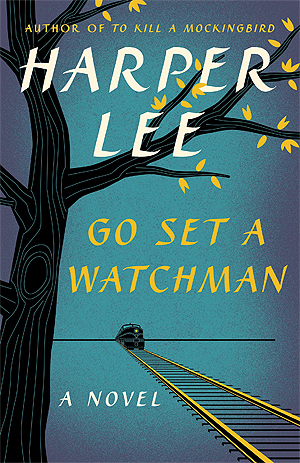
"Go Set a Watchman" revisits Maycomb, Alabama, twenty years after the events of "To Kill a Mockingbird." Jean Louise Finch, now an adult living in New York, returns home to find her beloved father, Atticus, deeply involved with the town's Citizens' Council and holding viewpoints that challenge her established moral compass. The novel explores her disillusionment as she grapples with the complexities of her family and community's racial attitudes in the nascent civil rights era.
Its similarity to "To Kill a Mockingbird" lies in its shared characters, setting, and its direct engagement with the legacy of racial prejudice in the American South. Both novels center on the Finch family and use their experiences to reflect on justice, morality, and societal change. "Watchman" essentially offers an uncomfortable, more mature lens through which to re-examine the idyllic memories of its predecessor.
This book will appeal to those who admire Harper Lee's nuanced exploration of morality and the American South. It offers a vital continuation of the Finch family's story, providing a stark, unsentimental look at the complexities of personal growth and societal evolution. Its value lies in its challenge to romanticized notions of heroism, encouraging a deeper, more critical understanding of character and historical context.
Go Set a Watchman
"Go Set a Watchman" revisits Maycomb, Alabama, twenty years after the events of "To Kill a Mockingbird." Jean Louise Finch, now an adult living in New York, returns home to find her beloved father, Atticus, deeply involved with the town's Citizens' Council and holding viewpoints that challenge her established moral compass. The novel explores her disillusionment as she grapples with the complexities of her family and community's racial attitudes in the nascent civil rights era.
Its similarity to "To Kill a Mockingbird" lies in its shared characters, setting, and its direct engagement with the legacy of racial prejudice in the American South. Both novels center on the Finch family and use their experiences to reflect on justice, morality, and societal change. "Watchman" essentially offers an uncomfortable, more mature lens through which to re-examine the idyllic memories of its predecessor.
This book will appeal to those who admire Harper Lee's nuanced exploration of morality and the American South. It offers a vital continuation of the Finch family's story, providing a stark, unsentimental look at the complexities of personal growth and societal evolution. Its value lies in its challenge to romanticized notions of heroism, encouraging a deeper, more critical understanding of character and historical context.
Atticus

Ron Hansen's "Atticus" reimagines the biblical story of Abraham, casting him as a modern-day rancher in the American West. When his estranged son, Isaac, disappears in Mexico, Atticus embarks on a desperate journey through a desolate landscape, confronting his faith, past decisions, and the harsh realities of the world. It’s a powerful exploration of paternal love, sacrifice, and the search for meaning in the face of immense loss.
The novel echoes "To Kill a Mockingbird" in its profound examination of a moral compass guiding an individual through difficult societal circumstances. Both feature a father figure of unwavering integrity, grappling with the protection of his loved ones and the pursuit of justice in a morally ambiguous world. The narratives highlight a quiet strength and conviction in the face of adversity, and the enduring impact of a parent's character on their children and community.
This book offers a compelling narrative for those who appreciate character-driven stories exploring themes of faith, family, and resilience. It provides a fresh perspective on ancient narratives, blending timeless questions with a distinctly American setting, inviting contemplation on personal responsibility and the nature of devotion. "Atticus" is a deeply affecting read that resonates with the emotional depth and moral inquiry present in classic literature.
Atticus
Ron Hansen's "Atticus" reimagines the biblical story of Abraham, casting him as a modern-day rancher in the American West. When his estranged son, Isaac, disappears in Mexico, Atticus embarks on a desperate journey through a desolate landscape, confronting his faith, past decisions, and the harsh realities of the world. It’s a powerful exploration of paternal love, sacrifice, and the search for meaning in the face of immense loss.
The novel echoes "To Kill a Mockingbird" in its profound examination of a moral compass guiding an individual through difficult societal circumstances. Both feature a father figure of unwavering integrity, grappling with the protection of his loved ones and the pursuit of justice in a morally ambiguous world. The narratives highlight a quiet strength and conviction in the face of adversity, and the enduring impact of a parent's character on their children and community.
This book offers a compelling narrative for those who appreciate character-driven stories exploring themes of faith, family, and resilience. It provides a fresh perspective on ancient narratives, blending timeless questions with a distinctly American setting, inviting contemplation on personal responsibility and the nature of devotion. "Atticus" is a deeply affecting read that resonates with the emotional depth and moral inquiry present in classic literature.
The Grass Harp, Including A Tree of Night and Other Stories
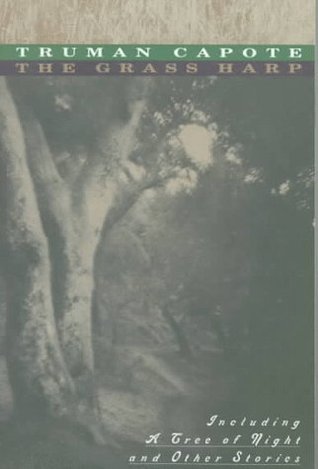
Truman Capote's *The Grass Harp* is a novella chronicling the whimsical adventures of three eccentric outsiders—an elderly woman, her spinster friend, and an orphaned boy—who flee social constraints to live in a treehouse. The accompanying short stories in this collection, such as "A Tree of Night," explore themes of isolation, memory, and the peculiar beauty found in marginalized lives, often through a lens of childhood innocence encountering the complexities of the adult world.
Both *The Grass Harp* and *To Kill a Mockingbird* delicately portray the South through the eyes of observant, often precocious, young narrators. They share a nostalgic, yet unsentimental, exploration of small-town communities, eccentric characters, and the inherent loneliness and subtle injustices that can exist beneath a seemingly tranquil surface. The protagonists in both novels learn about human nature’s duality—its kindness and cruelty—through their interactions with figures who defy societal norms.
This collection offers a poignant and often humorous journey into the lives of unique individuals who choose to live authentically, even if it means stepping outside the bounds of conventional society. Its lyrical prose, deeply drawn characters, and exploration of community, belonging, and the search for personal freedom provide valuable insights into the human spirit's resilience and capacity for invention. The blend of innocence and worldly wisdom makes it a compelling and enriching experience.
The Grass Harp, Including A Tree of Night and Other Stories
Truman Capote's *The Grass Harp* is a novella chronicling the whimsical adventures of three eccentric outsiders—an elderly woman, her spinster friend, and an orphaned boy—who flee social constraints to live in a treehouse. The accompanying short stories in this collection, such as "A Tree of Night," explore themes of isolation, memory, and the peculiar beauty found in marginalized lives, often through a lens of childhood innocence encountering the complexities of the adult world.
Both *The Grass Harp* and *To Kill a Mockingbird* delicately portray the South through the eyes of observant, often precocious, young narrators. They share a nostalgic, yet unsentimental, exploration of small-town communities, eccentric characters, and the inherent loneliness and subtle injustices that can exist beneath a seemingly tranquil surface. The protagonists in both novels learn about human nature’s duality—its kindness and cruelty—through their interactions with figures who defy societal norms.
This collection offers a poignant and often humorous journey into the lives of unique individuals who choose to live authentically, even if it means stepping outside the bounds of conventional society. Its lyrical prose, deeply drawn characters, and exploration of community, belonging, and the search for personal freedom provide valuable insights into the human spirit's resilience and capacity for invention. The blend of innocence and worldly wisdom makes it a compelling and enriching experience.
Mississippi Trial, 1955
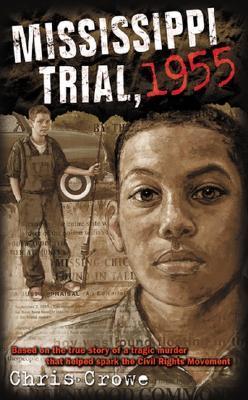
*Mississippi Trial, 1955* retells the true story of Emmett Till's murder from the perspective of a fictional white teen, Hiram Hillburn, who is visiting his grandfather in Mississippi. Hiram initially holds prejudiced views but witnesses firsthand the blatant injustices and racial violence that characterized the American South during the Civil Rights era, forcing him to confront his beliefs and the complicity of his community.
This novel resonates with *To Kill a Mockingbird* through its depiction of racial injustice within a small Southern town seen through the eyes of an impressionable young protagonist. Both books explore themes of moral awakening, the courage required to stand up against systemic prejudice, and the loss of innocence as their young narrators grapple with the harsh realities of their society's failings. The narrative voice in both effectively conveys the innocence and later disillusionment crucial to understanding these complex historical periods.
The book offers a powerful exploration of historical injustice and the crucial role of individual conscience. It provides a valuable entry point for understanding the origins and impact of the Civil Rights Movement, encouraging reflection on complicity, courage, and the ongoing fight for equality. This narrative serves as a poignant reminder of past wrongs and the necessity of confronting uncomfortable truths.
Mississippi Trial, 1955
*Mississippi Trial, 1955* retells the true story of Emmett Till's murder from the perspective of a fictional white teen, Hiram Hillburn, who is visiting his grandfather in Mississippi. Hiram initially holds prejudiced views but witnesses firsthand the blatant injustices and racial violence that characterized the American South during the Civil Rights era, forcing him to confront his beliefs and the complicity of his community.
This novel resonates with *To Kill a Mockingbird* through its depiction of racial injustice within a small Southern town seen through the eyes of an impressionable young protagonist. Both books explore themes of moral awakening, the courage required to stand up against systemic prejudice, and the loss of innocence as their young narrators grapple with the harsh realities of their society's failings. The narrative voice in both effectively conveys the innocence and later disillusionment crucial to understanding these complex historical periods.
The book offers a powerful exploration of historical injustice and the crucial role of individual conscience. It provides a valuable entry point for understanding the origins and impact of the Civil Rights Movement, encouraging reflection on complicity, courage, and the ongoing fight for equality. This narrative serves as a poignant reminder of past wrongs and the necessity of confronting uncomfortable truths.
A Christmas Memory

Truman Capote's "A Christmas Memory" is a poignant short story recounting a Depression-era Christmas through the eyes of a young boy and his eccentric, elderly relative, Sook. It captures their unconventional yet deeply loving bond as they navigate the rituals of their holiday season, marked by fruitcake baking, kite flying, and simple joys, juxtaposed against the realities of poverty and societal judgment.
The similarities with "To Kill a Mockingbird" are striking, particularly in their shared emphasis on memory, childhood perspective, and the nuanced portrayal of atypical yet morally upright figures. Both narratives are filtered through the lens of a sensitive child protagonist observing and coming to terms with the adult world's complexities and biases. The stories celebrate innocence and unconditional affection, set against a backdrop of Southern life and its attendant social structures.
This novella offers a concise yet profound exploration of love, loss, and the enduring power of human connection. It resonates deeply through its honest depiction of a unique relationship and the universal themes of childhood wonder and remembering cherished bonds. It provides a moving and insightful reading experience that lingers long after the final page.
A Christmas Memory
Truman Capote's "A Christmas Memory" is a poignant short story recounting a Depression-era Christmas through the eyes of a young boy and his eccentric, elderly relative, Sook. It captures their unconventional yet deeply loving bond as they navigate the rituals of their holiday season, marked by fruitcake baking, kite flying, and simple joys, juxtaposed against the realities of poverty and societal judgment.
The similarities with "To Kill a Mockingbird" are striking, particularly in their shared emphasis on memory, childhood perspective, and the nuanced portrayal of atypical yet morally upright figures. Both narratives are filtered through the lens of a sensitive child protagonist observing and coming to terms with the adult world's complexities and biases. The stories celebrate innocence and unconditional affection, set against a backdrop of Southern life and its attendant social structures.
This novella offers a concise yet profound exploration of love, loss, and the enduring power of human connection. It resonates deeply through its honest depiction of a unique relationship and the universal themes of childhood wonder and remembering cherished bonds. It provides a moving and insightful reading experience that lingers long after the final page.
The Help
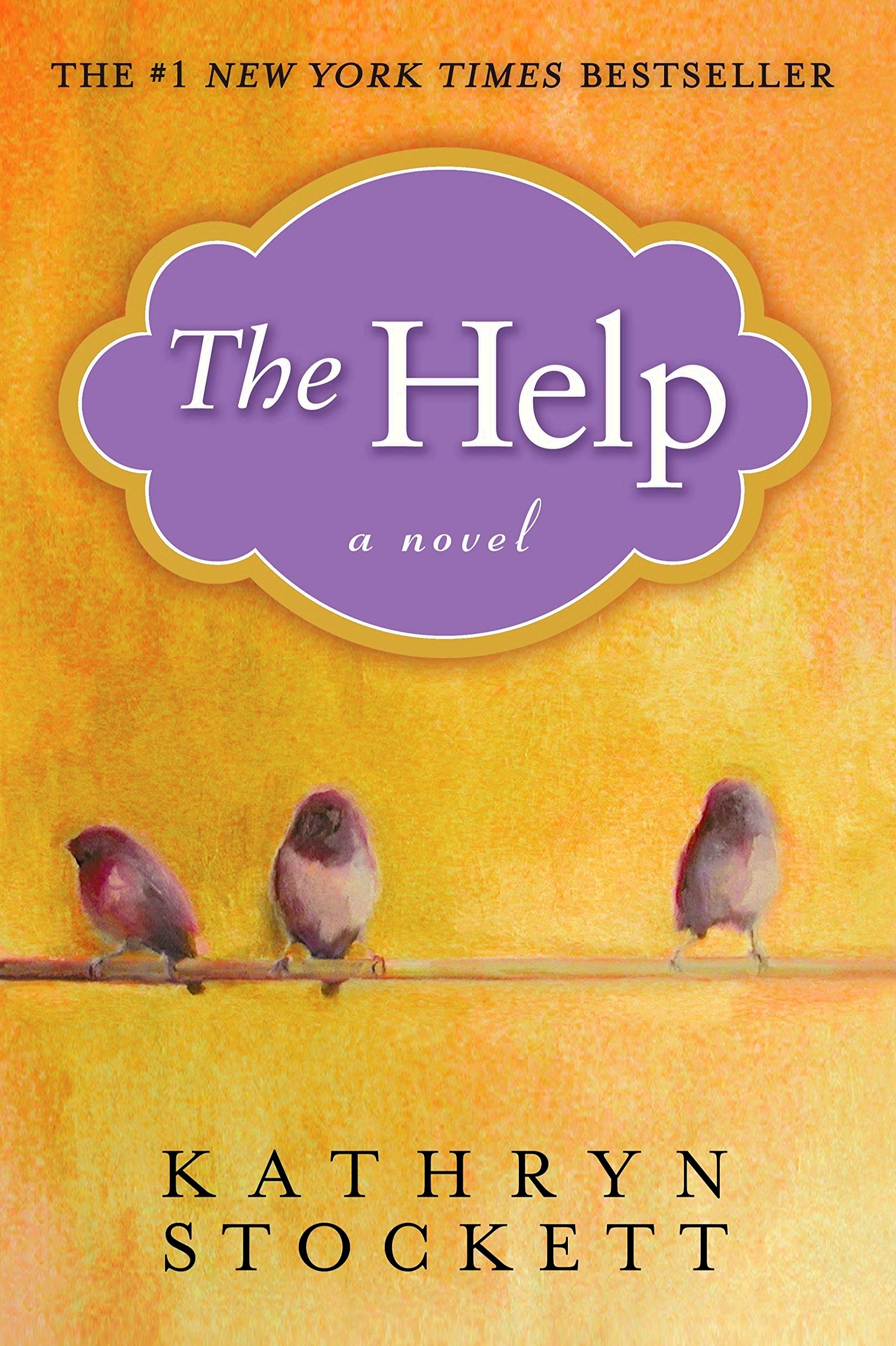
"The Help" centers on a young white woman, Skeeter Phelan, who returns to her Mississippi hometown in the 1960s determined to become a writer. She embarks on a clandestine project: interviewing black maids who have spent their lives caring for white families, often enduring racism and degradation. The novel explores their perspectives, challenges societal norms, and chronicles the brave, often dangerous, process of giving voice to the voiceless in a deeply segregated South.
Both novels expertly navigate the complexities of racial injustice and social inequality in the American South, viewed largely through the lens of a morally awakened protagonist. Like Scout's awakening to systemic prejudice, Skeeter's project exposes the ingrained biases and inhumane treatment of an oppressed group. They share a poignant exploration of empathy, courage in the face of societal pressure, and the human cost of prejudice.
This book offers a compelling narrative that illuminates a vital, often overlooked, chapter of American history. Its exploration of courage, solidarity, and the power of individual voices to instigate change resonates deeply. The intricate character development and the moral dilemmas presented provide ample ground for reflection on justice, conscience, and the enduring struggle for equality.
The Help
"The Help" centers on a young white woman, Skeeter Phelan, who returns to her Mississippi hometown in the 1960s determined to become a writer. She embarks on a clandestine project: interviewing black maids who have spent their lives caring for white families, often enduring racism and degradation. The novel explores their perspectives, challenges societal norms, and chronicles the brave, often dangerous, process of giving voice to the voiceless in a deeply segregated South.
Both novels expertly navigate the complexities of racial injustice and social inequality in the American South, viewed largely through the lens of a morally awakened protagonist. Like Scout's awakening to systemic prejudice, Skeeter's project exposes the ingrained biases and inhumane treatment of an oppressed group. They share a poignant exploration of empathy, courage in the face of societal pressure, and the human cost of prejudice.
This book offers a compelling narrative that illuminates a vital, often overlooked, chapter of American history. Its exploration of courage, solidarity, and the power of individual voices to instigate change resonates deeply. The intricate character development and the moral dilemmas presented provide ample ground for reflection on justice, conscience, and the enduring struggle for equality.
Children On Their Birthdays

Truman Capote's "Children On Their Birthdays" is a coming-of-age novella centering on Miss Lily Jane Bobbit, a precocious and enigmatic ten-year-old girl who arrives in a sleepy Southern town, disrupting its quiet rhythm with her flamboyant stories, sophisticated mannerisms, and unconventional dreams. Told from the perspective of an unnamed young boy, the story explores themes of imagination, the loss of innocence, and the often-harsh realities of life contradicting youthful fantasy.
This novella shares a distinct lineage with "To Kill a Mockingbird" through its Southern Gothic atmosphere, its depiction of childhood seen through the lens of a keen young narrator, and its exploration of idiosyncratic characters navigating a small, insular community. Both texts delve into the complexities of human nature, unveiling prejudices and societal norms through the innocent, yet insightful, eyes of their young protagonists, and feature central female figures who challenge conventional expectations.
It will appeal to those who appreciate nuanced character studies and atmospheric Southern fiction. The story offers profound reflections on the nature of truth, the power of storytelling, and the inevitable disillusionments of growing up, providing a valuable literary experience that resonates with universal themes of childhood, identity, and the bittersweet nature of memory.
Children On Their Birthdays
Truman Capote's "Children On Their Birthdays" is a coming-of-age novella centering on Miss Lily Jane Bobbit, a precocious and enigmatic ten-year-old girl who arrives in a sleepy Southern town, disrupting its quiet rhythm with her flamboyant stories, sophisticated mannerisms, and unconventional dreams. Told from the perspective of an unnamed young boy, the story explores themes of imagination, the loss of innocence, and the often-harsh realities of life contradicting youthful fantasy.
This novella shares a distinct lineage with "To Kill a Mockingbird" through its Southern Gothic atmosphere, its depiction of childhood seen through the lens of a keen young narrator, and its exploration of idiosyncratic characters navigating a small, insular community. Both texts delve into the complexities of human nature, unveiling prejudices and societal norms through the innocent, yet insightful, eyes of their young protagonists, and feature central female figures who challenge conventional expectations.
It will appeal to those who appreciate nuanced character studies and atmospheric Southern fiction. The story offers profound reflections on the nature of truth, the power of storytelling, and the inevitable disillusionments of growing up, providing a valuable literary experience that resonates with universal themes of childhood, identity, and the bittersweet nature of memory.
Crazy in Alabama
*Crazy in Alabama* follows a dual narrative: one focusing on Lucille Vinson, who flees her abusive husband after murdering him, and the other on her nephew, Peter Joseph, navigating a tumultuous summer in racist 1965 Alabama. Lucille heads to Hollywood to pursue her dreams while Peter Joseph witnesses the civil rights movement and racial tensions through the eyes of youth in his small town.
This novel shares a remarkable kinship with *To Kill a Mockingbird* through its evocative portrayal of childhood innocence confronting adult prejudice and injustice in the American South during a pivotal historical period. Both books feature a young protagonist grappling with societal ills and racial discrimination, guided but also challenged by the flawed adults around them. The struggle for justice and the questioning of entrenched norms are central to both narratives.
This book offers a compelling blend of humor and poignant social commentary, providing insight into the complexities of the 1960s South from multiple perspectives. Its exploration of personal freedom, the shattering of illusions, and the enduring quest for a better world makes it a resonant and thought-provoking experience. The storytelling is vivid and the characters memorable, ensuring a lasting impression.
Crazy in Alabama
*Crazy in Alabama* follows a dual narrative: one focusing on Lucille Vinson, who flees her abusive husband after murdering him, and the other on her nephew, Peter Joseph, navigating a tumultuous summer in racist 1965 Alabama. Lucille heads to Hollywood to pursue her dreams while Peter Joseph witnesses the civil rights movement and racial tensions through the eyes of youth in his small town.
This novel shares a remarkable kinship with *To Kill a Mockingbird* through its evocative portrayal of childhood innocence confronting adult prejudice and injustice in the American South during a pivotal historical period. Both books feature a young protagonist grappling with societal ills and racial discrimination, guided but also challenged by the flawed adults around them. The struggle for justice and the questioning of entrenched norms are central to both narratives.
This book offers a compelling blend of humor and poignant social commentary, providing insight into the complexities of the 1960s South from multiple perspectives. Its exploration of personal freedom, the shattering of illusions, and the enduring quest for a better world makes it a resonant and thought-provoking experience. The storytelling is vivid and the characters memorable, ensuring a lasting impression.
The Learning Tree
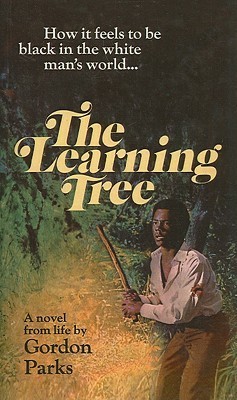
Gordon Parks's "The Learning Tree" is a semi-autobiographical coming-of-age story set in 1920s rural Kansas. It follows Newt Winger, a young Black boy, as he navigates the complexities of adolescence, racial prejudice, and a murder trial that shakes his small community. The novel explores themes of justice, growth, and the vital role of family and community in shaping a person's understanding of the world.
The book resonates with "To Kill a Mockingbird" through its poignant portrayal of a young protagonist experiencing America's deeply entrenched racial injustices. Both novels feature a child's innocent perspective observing a flawed adult world, particularly concerning a Black man wrongly accused of a crime. The settings — small, tight-knit communities grappling with societal prejudices — also draw a strong parallel between the two works.
This narrative holds immense appeal due to its powerful exploration of prejudice, resilience, and the universal experience of growing up and understanding oneself in a complex world. Its honest depiction of historical racial tensions and its ultimately hopeful message of endurance and moral understanding offer both relevant lessons and a deeply moving reading experience.
The Learning Tree
Gordon Parks's "The Learning Tree" is a semi-autobiographical coming-of-age story set in 1920s rural Kansas. It follows Newt Winger, a young Black boy, as he navigates the complexities of adolescence, racial prejudice, and a murder trial that shakes his small community. The novel explores themes of justice, growth, and the vital role of family and community in shaping a person's understanding of the world.
The book resonates with "To Kill a Mockingbird" through its poignant portrayal of a young protagonist experiencing America's deeply entrenched racial injustices. Both novels feature a child's innocent perspective observing a flawed adult world, particularly concerning a Black man wrongly accused of a crime. The settings — small, tight-knit communities grappling with societal prejudices — also draw a strong parallel between the two works.
This narrative holds immense appeal due to its powerful exploration of prejudice, resilience, and the universal experience of growing up and understanding oneself in a complex world. Its honest depiction of historical racial tensions and its ultimately hopeful message of endurance and moral understanding offer both relevant lessons and a deeply moving reading experience.
More Books to Explore
Discover more titles that expand on these ideas and themes.
Harper Lee's To Kill a Mockingbird: Bloom's Guides
Go Set a Watchman
Atticus
The Grass Harp, Including A Tree of Night and Other Stories
Mississippi Trial, 1955
A Christmas Memory