
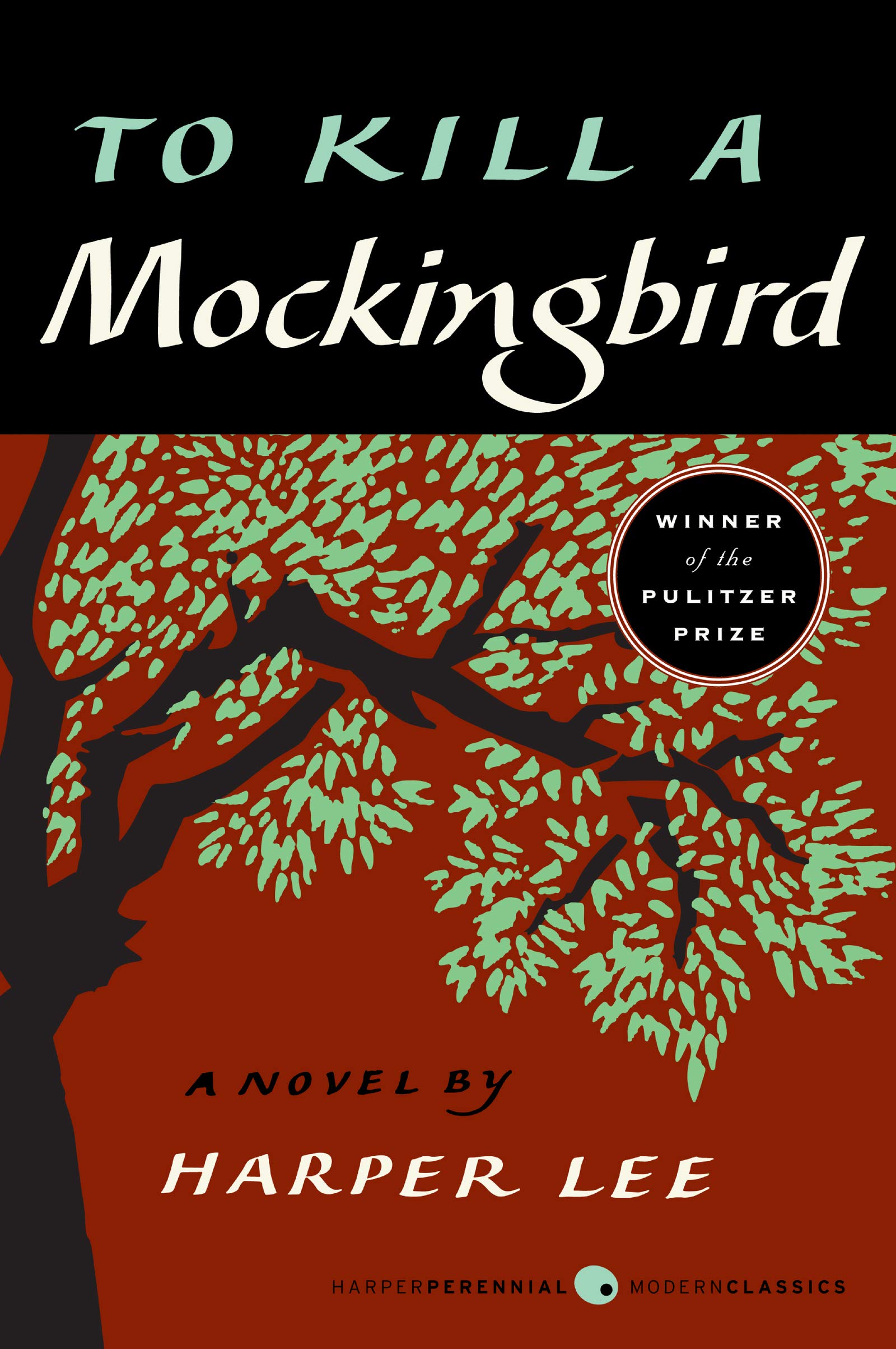
Harper Lee's To Kill a Mockingbird: Bloom's Guides
Book Description
Dive into the heart of a racially divided Southern town, where innocence clashes with the harsh realities of prejudice and injustice. 'Harper Lee's To Kill a Mockingbird: Bloom's Guides' uncovers the powerful themes that thread through one family's fight for truth and morality. In a narrative teeming with tension, the innocence of childhood collides with the brutality of society, revealing deep emotional stakes that resonate across generations. As courageous characters stand tall against overwhelming odds, the question lingers: How far would you go to defend what is right in a world that seems determined to silence the truth?
Quick Book Summary
"Harper Lee's To Kill a Mockingbird: Bloom's Guides" offers an in-depth exploration of one of America's most cherished novels. Set in the racially charged Alabama town of Maycomb during the 1930s, the guide unpacks the novel’s central themes of racial injustice, childhood innocence, and moral growth. Through insightful analysis, the book examines how the young protagonist, Scout Finch, and her family navigate their ethical convictions in the face of community prejudice. Bloom’s guide addresses the complexity of Harper Lee’s characters, the influence of historical context, and the timeless relevance of fighting for justice. By delving into symbolism, character development, and social criticism, the guide equips readers—students and enthusiasts alike—to better grasp the enduring messages of courage and empathy found in Lee’s landmark work.



Summary of Key Ideas
Table of Contents
Racial Prejudice and Social Injustice
At its core, the guide examines the deeply entrenched racial prejudice and social injustice that permeate the world of "To Kill a Mockingbird." Through detailed commentary, Bloom unpacks how the trial of Tom Robinson—a Black man falsely accused of assaulting a white woman—serves as the novel’s critical lens for viewing systemic racism in the American South. The guide explores the dynamics of the courtroom, the biases of the society, and the larger implications for justice, highlighting the courage of Atticus Finch as he stands against the dominant racist attitudes of Maycomb.
Loss of Innocence and Moral Development
The discussion on loss of innocence is central to Bloom's analysis, focusing on Scout and Jem Finch's coming-of-age journey. The narrative follows their movement from naïveté to a more complex understanding of the world’s injustices. Through episodes like their fascination with Boo Radley and their gradual realization of the town’s prejudice, the guide emphasizes how encountering harsh realities transforms children’s moral landscapes, echoing the mockingbird symbol as a metaphor for innocence destroyed by evil.
Empathy and Understanding Others
Empathy and understanding others emerge as pivotal themes in the guide’s exploration. Bloom highlights Atticus’s teaching to his children: to “climb into another’s skin and walk around in it.” This perspective shapes the Finch children’s interactions with marginalized figures like Boo Radley and Tom Robinson, advocating for compassion in a world prone to fear and misunderstanding. The guide asserts that Lee’s narrative structures empathy as a necessary antidote to prejudice and urges readers to challenge their own assumptions.
The Role of Family and Community
Family and community are explored through the lens of the Finch household and their relationships with Maycomb’s broader population. The guide delineates how familial values, particularly those instilled by Atticus, provide moral grounding for Scout and Jem. At the same time, it contrasts the supportive, principled environment of the Finch family with the divisive prejudices of the town, illustrating the tension between private beliefs and public pressures. The collective identity of Maycomb becomes both a source of conflict and potential growth.
Courage in the Face of Adversity
Lastly, Bloom’s analysis underscores acts of courage throughout the novel, from Atticus’s defense of Tom Robinson to Mrs. Dubose’s battle with illness. These narratives illuminate the different forms bravery can take, whether standing up to societal norms or personal demons. The guide frames courage as not just the absence of fear, but the resolve to act ethically in difficult circumstances, reinforcing the novel’s lasting message about moral commitment in the face of adversity.
Download This Summary
Get a free PDF of this summary instantly — no email required.